THHN Building Wire vs XHHW: What Changes
Author
Date Published
Reading Time
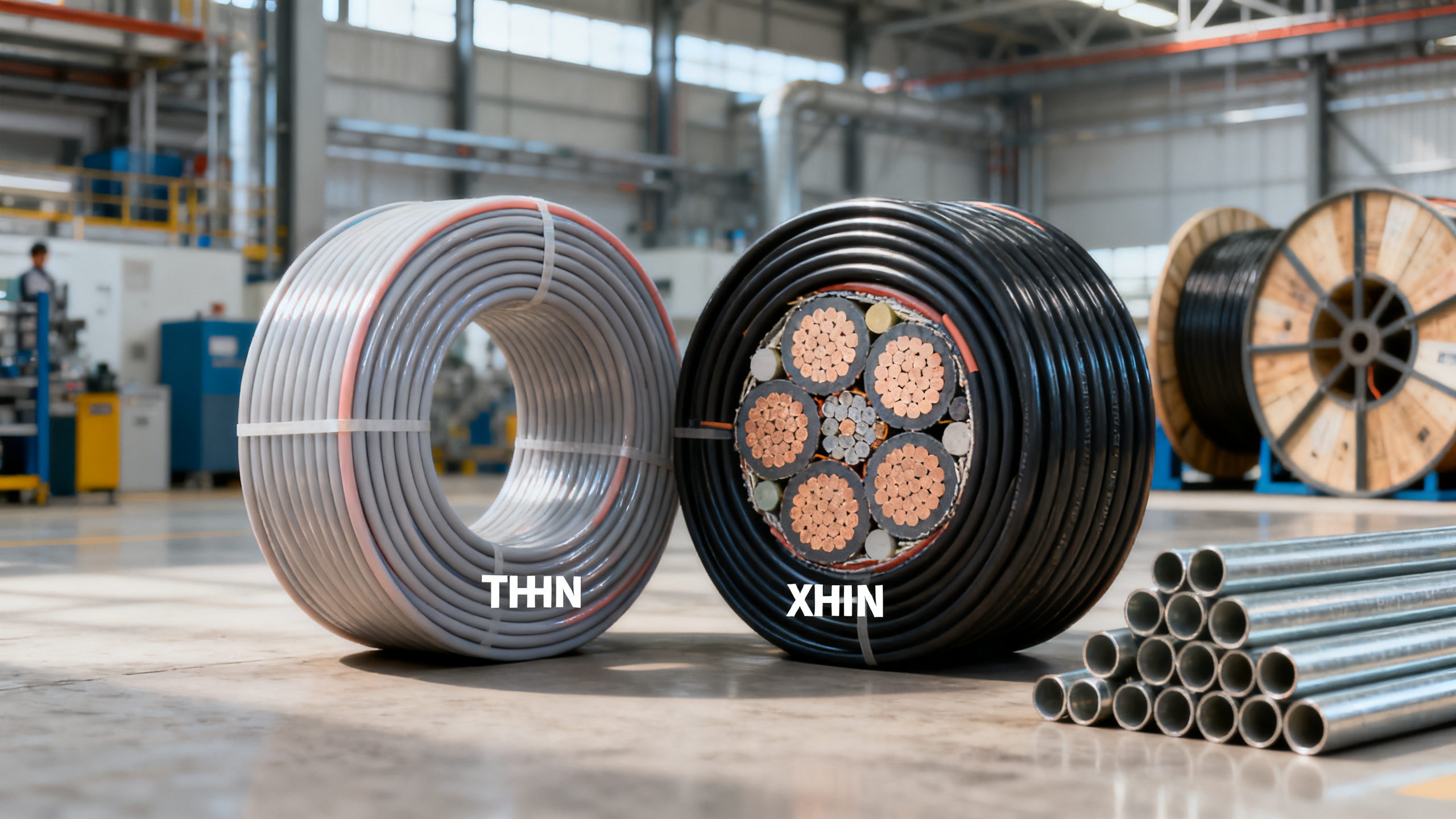
Choosing between THHN building wire and XHHW changes more than just insulation type. It affects allowable temperature, wet-location suitability, conduit fill planning, installation flexibility, code compliance, and lifecycle cost. For contractors, operators, procurement teams, and industrial decision-makers comparing wholesale electrical cables, PVC insulated copper wire, XLPE power cables, and solar PV cables, the key takeaway is simple: THHN is often the economical and widely available choice for dry or dual-rated building wire applications, while XHHW is typically selected when higher moisture resistance, stronger insulation performance, and tougher service conditions matter more than lowest upfront cost.
What actually changes when you choose THHN instead of XHHW?
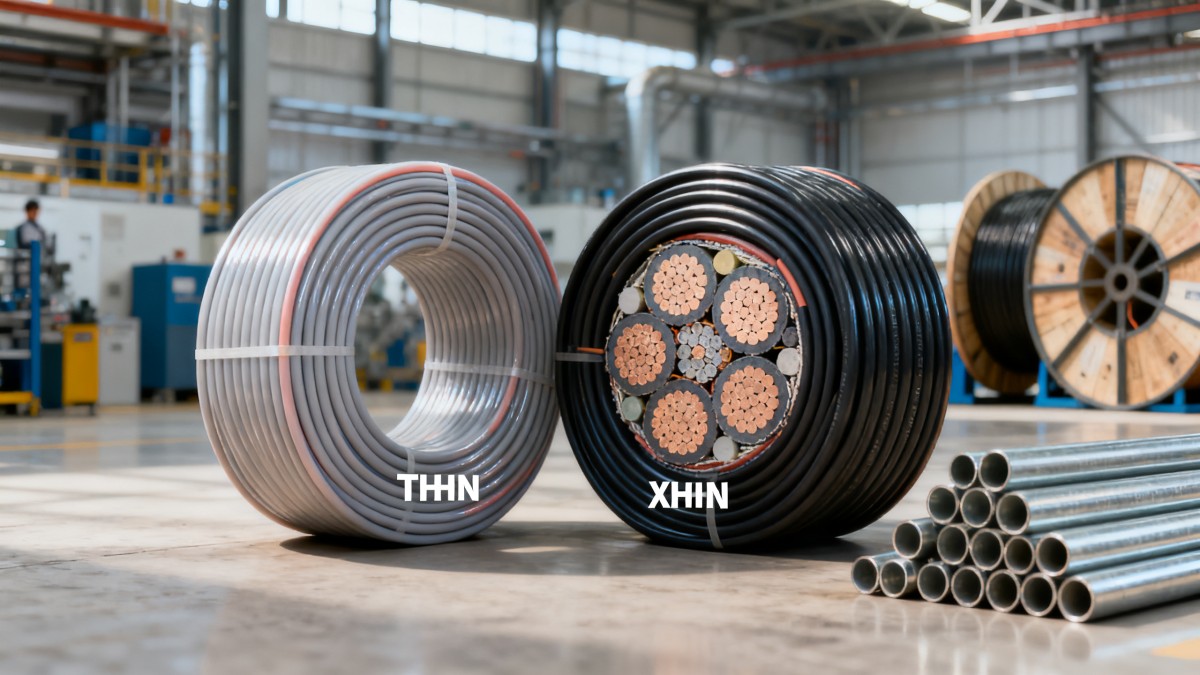
The main changes are practical, not theoretical. When buyers and specifiers compare THHN building wire vs XHHW, they are usually trying to answer five jobsite questions:
- Can this wire be used in dry, damp, or wet locations?
- How much heat can it handle without derating issues?
- Will it install easily in conduit over long pulls?
- Does it match local code and project specification requirements?
- Which option reduces long-term risk, rework, and replacement cost?
In most real projects, THHN is chosen for general building wire because it is common, cost-effective, and often sold in dual-rated constructions such as THHN/THWN or THHN/THWN-2. XHHW, by contrast, is usually preferred where insulation robustness, moisture performance, and higher-grade environmental resistance are more important. The difference becomes especially relevant in industrial facilities, utility-adjacent installations, commercial plants, and harsh operating environments.
Quick answer: when is THHN better, and when is XHHW better?
If speed matters, this is the simplest decision framework:
- Choose THHN when you need a widely available building wire for conduit systems in typical commercial or industrial indoor applications, especially where budget and pullability are major concerns.
- Choose XHHW when the installation may face moisture, elevated operating temperatures, tougher insulation demands, or a specification that favors more rugged cross-linked insulation.
That said, many purchasing mistakes happen because teams compare only names and not the full rating on the cable jacket. Modern products are often multi-rated, and the marking can change what the wire is actually approved to do. A buyer who assumes all THHN is only for dry locations, or all XHHW performs identically, can easily make a poor procurement decision.
THHN vs XHHW: the technical differences that affect real projects
THHN generally refers to thermoplastic high heat-resistant nylon-coated wire. It is known for smooth pulling performance, common use in raceways, and broad availability in building wiring markets. In many supply channels, it is sold as a dual- or multi-rated conductor, which may expand its use beyond what the THHN label alone suggests.
XHHW refers to cross-linked polyethylene insulated wire with high heat and water resistance. The cross-linked insulation typically offers stronger thermal stability and can be a better fit for more demanding service conditions.
Here are the changes that matter most:
- Insulation material: THHN uses thermoplastic insulation with a nylon jacket; XHHW uses cross-linked polyethylene insulation.
- Moisture performance: XHHW is generally selected with wet-location performance in mind. THHN alone is not the same thing as a wet-rated wire, though many market products are dual-rated.
- Heat resistance: Both can serve high-temperature applications depending on exact rating, but XHHW often appeals to specifiers seeking stronger thermal endurance under harsh conditions.
- Flexibility and pulling: THHN is often favored for easier installation in conduit and long pulls.
- Durability profile: XHHW is commonly seen as more rugged for challenging environments.
For procurement teams, this means the comparison is not just “which cable is cheaper?” but “which cable reduces the total risk profile of this installation?”
How wet-location ratings change the buying decision
This is one of the most important points for buyers, installers, and project managers. A wire’s performance in wet or damp conditions directly affects compliance, reliability, and service life.
In practice:
- THHN-only interpretation is usually associated with dry locations.
- XHHW is specifically known for water-resistant application suitability.
- Dual-rated conductors such as THHN/THWN or THHN/THWN-2 may meet both dry and wet application needs, depending on the exact listing.
This matters because many conduit systems are treated as wet locations by code, even when they do not appear visibly soaked. Underground runs, exterior conduit, rooftop routing, washdown areas, cooling-adjacent zones, and process-heavy industrial spaces can all trigger the need for proper wet-location ratings.
For buyers sourcing wholesale electrical cables, the safest approach is to verify the complete printed designation, UL listing, conductor material, voltage class, and environmental suitability before comparing price per meter or reel.
Temperature ratings: why “high heat” is not enough as a selection rule
Many users assume THHN and XHHW can be compared using a single temperature number. That is too simplistic. The practical issue is how the conductor rating interacts with terminals, ambient conditions, bundling, raceway fill, and derating rules.
What changes in the field?
- The cable insulation rating may be higher than the termination rating.
- Actual ampacity may depend on code tables and installation conditions, not the headline insulation temperature alone.
- Industrial environments with heat sources, crowded trays, or enclosed conduit may narrow the margin for error.
For decision-makers, the implication is clear: higher insulation performance can improve design resilience, but only if the full system is evaluated correctly. This is one reason XHHW may be favored in more demanding facilities, while THHN remains common in standard building wire applications where conditions are well controlled.
Installation and labor: where THHN often wins
Not every project is decided by insulation chemistry. Labor time, pulling difficulty, bending behavior, and conduit congestion often shape the final material choice.
THHN is widely appreciated because it often:
- Pulls smoothly through conduit
- Is familiar to most electrical crews
- Is easy to source quickly from distributors
- Supports cost-sensitive commercial buildouts
That can make THHN attractive where schedules are tight and installation efficiency matters. In contrast, XHHW may justify its selection when environmental toughness or specification requirements outweigh convenience.
For EPC contractors and facility teams, this becomes a straightforward tradeoff: lower installation friction now vs. greater environmental margin later.
Cost comparison: upfront cable price vs lifecycle cost
Buyers often begin with unit price, but the smarter comparison is total installed cost plus expected service performance.
THHN may lower upfront cost because it is common, broadly distributed, and often optimized for mainstream building wire demand.
XHHW may lower lifecycle cost when the environment is harsher and failure consequences are expensive. In industrial settings, the true cost of a wrong cable choice may include:
- Re-pulling conductors
- Unexpected shutdowns
- Inspection delays
- Warranty disputes
- Premature insulation degradation
If the project includes moisture exposure, thermal stress, or long asset life requirements, paying more for XHHW can be economically rational. If the installation is conventional, code-aligned, and low risk, THHN may provide better value.
Where PVC insulated copper wire, XLPE power cables, and solar PV cables fit into the comparison
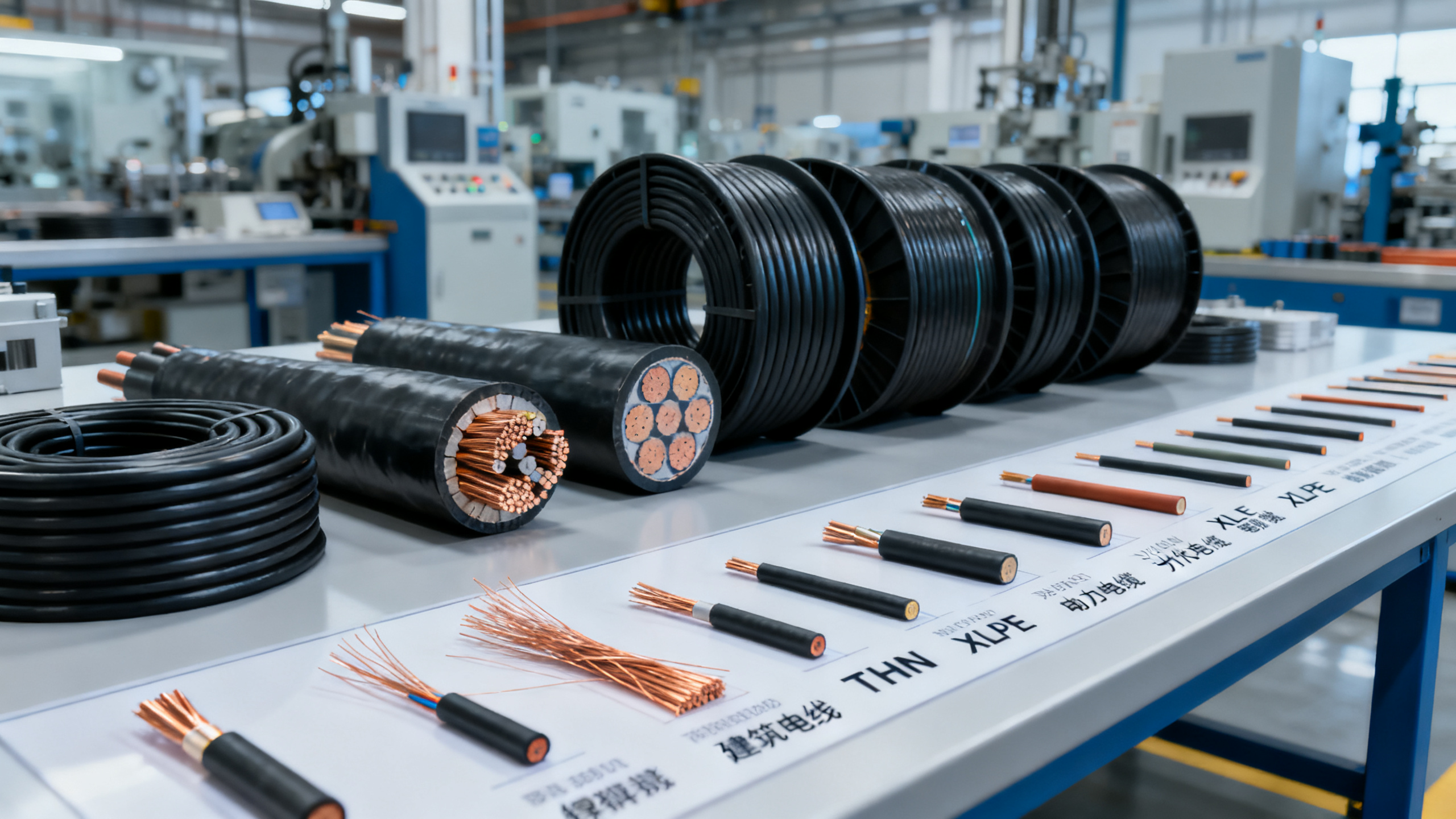
Many global buyers do not shop only by North American building wire designations. They also compare broader categories such as PVC insulated copper wire, XLPE power cables, and solar PV cables. Understanding the relationship helps prevent mismatched sourcing.
- PVC insulated copper wire: THHN products commonly align with thermoplastic insulation systems and are often evaluated by buyers looking for economical building wire options.
- XLPE power cables: XHHW is closely aligned with the value proposition buyers expect from cross-linked insulation—better thermal and environmental performance for demanding applications.
- Solar PV cables: These are a separate category with UV, outdoor, and renewable-energy-specific performance requirements. They should not be substituted casually with standard building wire unless the specification and certification clearly allow it.
For international procurement teams, the key is not to assume naming equivalence across regions. Always compare certification framework, conductor class, insulation type, voltage rating, flame performance, and installation environment.
Which option is better for industrial and commercial applications?
There is no universal winner. The better choice depends on application risk.
THHN is often a strong fit for:
- General commercial building wire installations
- Indoor raceway systems
- Projects with strong cost pressure
- Fast-turn distributor sourcing
XHHW is often a stronger fit for:
- Industrial facilities with tougher environmental conditions
- Damp or wet location concerns
- Long-service-life infrastructure
- Projects where insulation robustness is prioritized
For enterprise decision-makers, the best selection method is to classify the site by consequence of failure. In low-consequence, conventional building systems, THHN may be the most efficient choice. In high-consequence or harsh-condition systems, XHHW often provides stronger risk control.
What procurement teams should verify before issuing a cable purchase order
Before buying any building wire at scale, verify more than the product family name. A disciplined sourcing checklist should include:
- Exact wire marking and full rating
- Applicable UL, CE, ISO, or project-specific compliance requirements
- Conductor material: copper or aluminum
- Voltage rating and ampacity basis
- Dry, damp, wet, and temperature suitability
- Flame and jacket performance requirements
- Compatibility with project drawings and local code interpretation
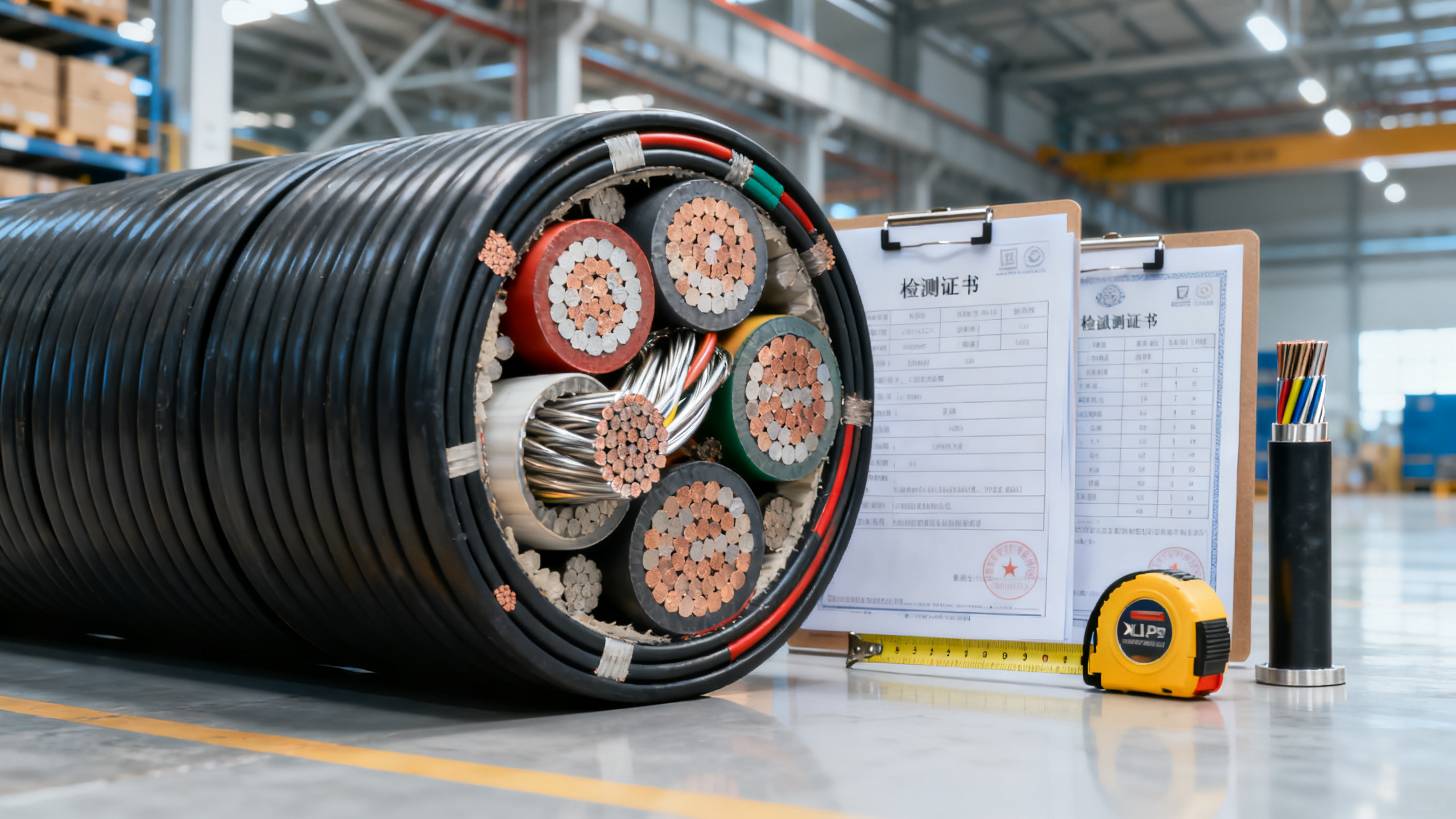
- Manufacturer test reports and traceability documents
This is particularly important in international and multi-site projects, where one specification error can affect hundreds of reels and create major installation delays.
Final decision: how to choose with confidence
If you are deciding between THHN building wire vs XHHW, the most useful conclusion is this: THHN is typically the practical, economical choice for standard building wire needs, while XHHW is the more protective choice for moisture-prone, demanding, or higher-risk environments.
Do not choose based on label familiarity alone. Choose based on:
- Actual installation environment
- Required wet or dry rating
- Temperature and derating conditions
- Installation labor constraints
- Failure consequences and expected asset life
For contractors and operators, that means fewer field surprises. For procurement teams, it means fewer compliance mistakes. For business leaders, it means better control over cost, reliability, and project risk.
In short, the change from THHN to XHHW is not cosmetic. It changes how the cable performs, where it can be used safely, and how well it supports long-term industrial and commercial reliability.
Expert Insights

Chief Security Architect
Dr. Thorne specializes in the intersection of structural engineering and digital resilience. He has advised three G7 governments on industrial infrastructure security.
Related Analysis
Core Sector // 01
Security & Safety
- How to Choose Welding Cables WholesaleAuthor :Grid Infrastructure Analyst

- THHN Building Wire vs XHHW: What ChangesAuthor :Grid Infrastructure Analyst

- Are Solar PV Cables Worth the Higher CostAuthor :Grid Infrastructure Analyst

- How to Vet an OPGW Cable ManufacturerAuthor :Grid Infrastructure Analyst

- When Does ADSS Fiber Cable Make More SenseAuthor :Grid Infrastructure Analyst

- What to Check Before Buying Fiber Optic Cables WholesaleAuthor :Grid Infrastructure Analyst

- Where Unshielded Control Cables Work BestAuthor :Grid Infrastructure Analyst

- Armored Cables Wholesale: Common Buying MistakesAuthor :Grid Infrastructure Analyst