Are Solar PV Cables Worth the Higher Cost
Author
Date Published
Reading Time
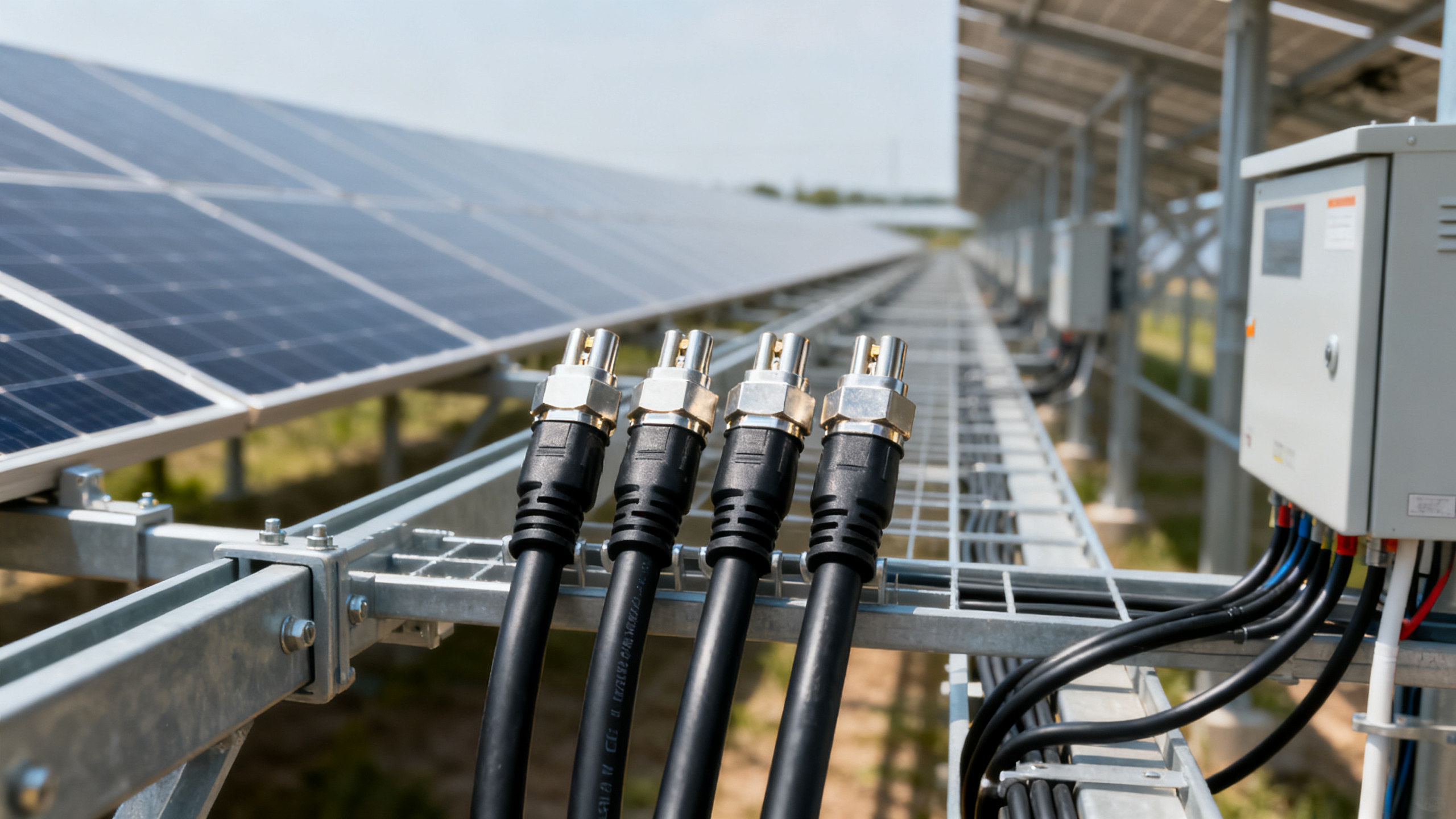
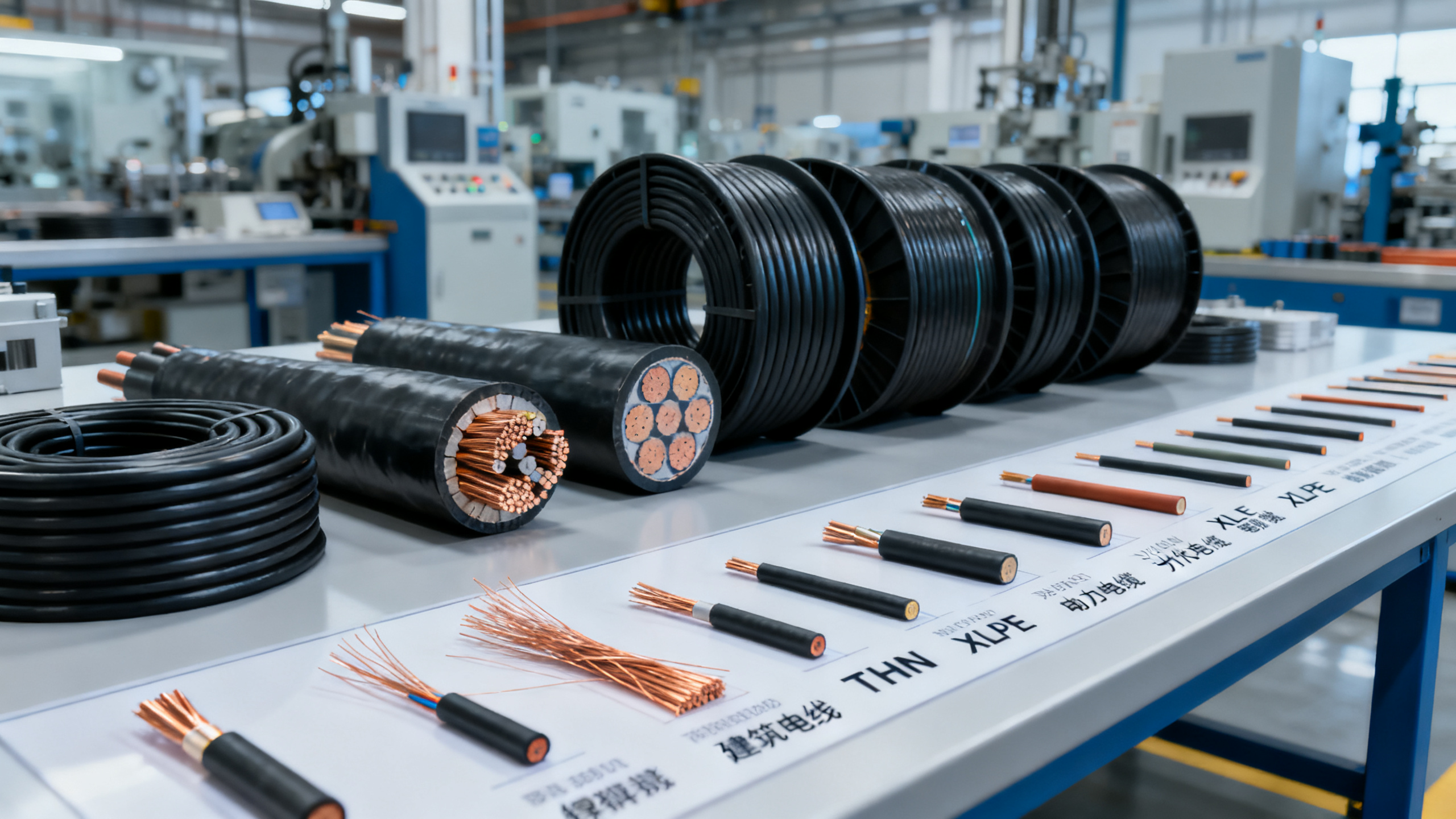
When evaluating whether solar PV cables justify their higher upfront cost, the short answer is usually yes for any true solar installation, especially where long service life, outdoor exposure, code compliance, and failure prevention matter more than the lowest initial material price. For industrial buyers, EPC teams, operators, and procurement managers, the real question is not whether solar PV cables cost more than general-purpose alternatives such as THHN building wire or some XLPE power cables. The real question is whether using the wrong cable creates higher lifetime risk, faster degradation, avoidable maintenance, or compliance problems that end up costing more than the original savings.
In most cases, solar PV cables are worth the premium because they are specifically designed for harsh rooftop, ground-mount, and utility-scale solar environments. They typically offer stronger UV resistance, better weatherability, higher temperature tolerance, improved flexibility, and certifications aligned with photovoltaic applications. Those advantages translate into safer operation and lower lifecycle cost, particularly in projects expected to run reliably for 20 to 30 years.
This guide explains when the higher cost makes financial and technical sense, how solar PV cables compare with THHN wire and XLPE power cables, and what buyers should check before specifying or sourcing them.
Are solar PV cables actually worth the higher cost?
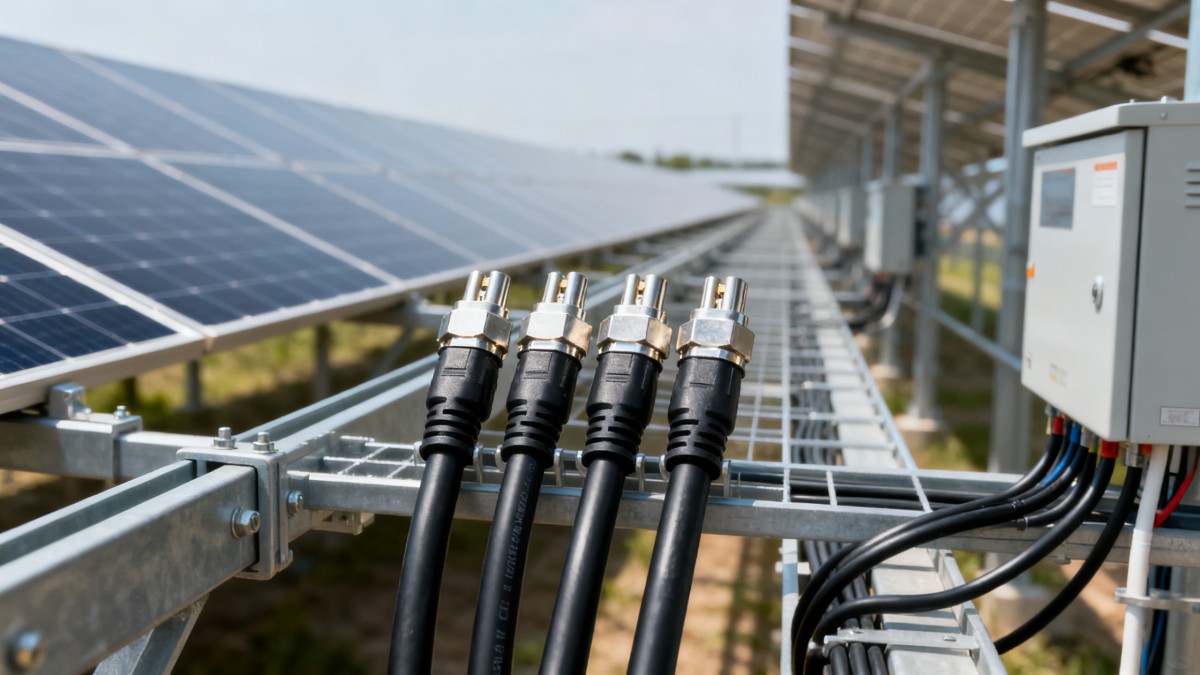
For most photovoltaic systems, yes. Solar PV cables are generally worth the higher cost because they reduce the risk of insulation failure, cracking, overheating, water ingress, UV degradation, and premature replacement. In industrial and commercial environments, these risks can directly affect uptime, warranty integrity, fire safety, and long-term operating cost.
The premium is easiest to justify when:
- The cable will be exposed to sunlight, ozone, humidity, or temperature cycling
- The system is expected to operate for decades with minimal maintenance
- The installation must meet specific solar, electrical, or fire compliance standards
- Downtime or rework would be expensive
- The project owner values lifecycle economics over lowest bid pricing
If the application is not an actual solar DC connection environment, however, a solar PV cable may not always be necessary. That is why cable selection should be based on operating conditions, code requirements, and design life rather than assumptions.
What makes solar PV cables more expensive than standard cable options?
Solar PV cables cost more because they are engineered for a tougher and more specialized duty cycle than many standard building or general power cables.
Typical cost drivers include:
- UV-resistant materials: Continuous sun exposure can destroy ordinary insulation over time. PV cable compounds are designed to resist sunlight damage.
- Higher thermal endurance: Solar arrays can create hot operating environments, especially on rooftops and in enclosed routing paths.
- Weather and moisture resistance: Outdoor installations demand insulation and jacketing that can handle rain, humidity, and thermal cycling.
- Flexibility: PV cables often need to route through array structures, trackers, combiner boxes, and equipment layouts with frequent bends.
- Specialized compliance: Certified solar cable products are tested to standards relevant to photovoltaic use, not just indoor building wiring.
- Long service life expectations: Solar infrastructure is usually designed around a 20- to 30-year asset life, so the cable must support that durability target.
For procurement teams, this means the price difference reflects not only raw material but also application-specific engineering and certification value.
How do solar PV cables compare with THHN building wire?
This is one of the most important comparisons because THHN wire is widely available and often less expensive. But lower purchase price does not make it a direct substitute in every solar application.
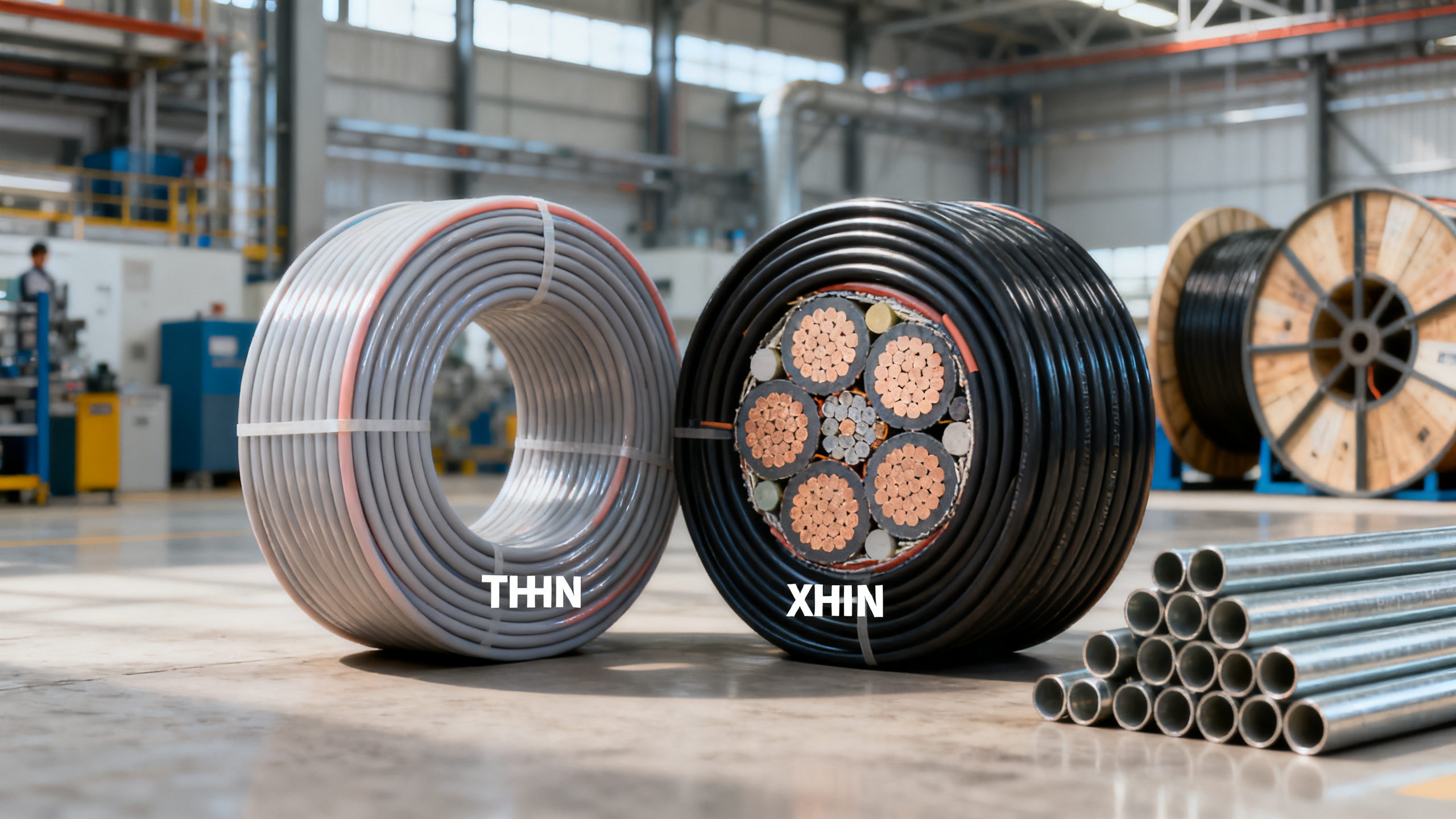
THHN building wire is commonly used in conduit-based building wiring systems. It can perform well in appropriate indoor or protected environments. However, it is not automatically equivalent to a purpose-built solar PV cable for exposed photovoltaic circuits.
Key differences include:
- Sunlight exposure: PV cables are specifically intended for prolonged outdoor exposure. THHN suitability depends heavily on exact product construction and installation method.
- Flexibility and handling: PV cables are often easier to route in solar array layouts.
- Temperature and environmental durability: PV cables are generally better suited for long-term rooftop and field conditions.
- Application fit: THHN is a building wire category; solar PV cable is designed for photovoltaic interconnection.
- Lifecycle risk: A cheaper cable that needs earlier replacement or causes installation constraints can quickly erase upfront savings.
For buyers evaluating THHN versus solar cable, the key question is not “Can it carry current?” but “Is it designed, certified, and durable enough for this exact solar environment over the project life?”
How do solar PV cables compare with XLPE power cables?
XLPE power cables are another common point of comparison, especially in larger industrial or utility projects. Cross-linked polyethylene insulation offers strong electrical and thermal performance, and many XLPE cable designs are excellent in power distribution applications. However, “XLPE power cable” is a broad category, not a guarantee that the cable is optimized for solar use.
A solar PV cable may also use XLPE or similar high-performance compounds, but the difference lies in the overall product design and certification profile.
Important distinctions include:
- Application design: General XLPE power cables may be intended for distribution networks, feeders, or industrial power systems rather than exposed PV strings.
- Environmental resistance package: Solar cable designs often combine UV, ozone, moisture, and heat resistance in a way tailored to photovoltaic installations.
- Mechanical behavior: PV cable flexibility may be better suited for moving trackers or complex array routing.
- Compliance alignment: The exact listing or certification matters. A cable being “XLPE” alone does not confirm solar suitability.
In short, XLPE power cables can be excellent products, but they should not be treated as automatic substitutes for solar PV cables unless the specification, construction, and certifications clearly match the installation requirements.
When does the higher cost deliver real business value?
The value becomes clear when you look at total installed cost and operational risk rather than cable price per meter.
Solar PV cables can create measurable business value in several ways:
- Lower failure rates: Better environmental durability can reduce insulation degradation and cable faults.
- Reduced maintenance: Long-life cable systems help minimize inspection findings, replacement labor, and troubleshooting.
- Less rework: Correct cable selection from the beginning avoids costly remediation after commissioning or audit review.
- Improved safety margin: Better resistance to heat and environmental aging can lower the chance of dangerous failures.
- Compliance confidence: Properly specified cable supports smoother approvals, handover, and warranty alignment.
- Asset longevity: Since solar projects are long-life investments, durable interconnection materials protect expected ROI.
For enterprise decision-makers, this means the premium often behaves like a form of risk insurance. A small increase in capex can protect a much larger energy asset and reduce long-term O&M exposure.
What risks come from choosing a cheaper non-PV cable?
The biggest mistake in cable buying is focusing only on immediate cost savings while underestimating downstream consequences. In solar systems, cable underperformance can remain hidden for years before it shows up as power loss, faults, or safety events.
Potential risks include:
- Premature jacket cracking from UV exposure
- Insulation aging under high heat cycles
- Moisture-related degradation
- Installation difficulty due to poor flexibility
- Noncompliance with project or regional requirements
- Warranty disputes if improper materials are used
- Higher replacement cost after system commissioning
- Extended downtime during fault isolation and repair
For procurement managers, the lesson is clear: a lower quote can conceal higher total risk. The farther a project is from easy service access, the more dangerous this tradeoff becomes.
How should buyers evaluate whether the premium is justified?
A practical sourcing decision should be made with a structured evaluation framework, not just a unit price comparison.
Ask these questions before buying:
- Is the cable intended for photovoltaic use? Verify product documentation, not just seller claims.
- Will it be exposed to UV, weather, or wide temperature swings? If yes, solar-specific durability matters more.
- What is the project design life? A 25-year system should not rely on a marginal cable choice.
- What standards or certifications are required? Check project specifications and local code obligations.
- What are the installation conditions? Rooftop, ground-mount, conduit, direct exposure, or tracker systems all affect cable needs.
- What is the cost of failure? Include labor, downtime, lost generation, and potential compliance consequences.
- Does the supplier provide traceability and test documentation? This is critical for industrial procurement quality control.
For larger projects, buyers should also request technical datasheets, certification records, material details, and if needed, third-party testing evidence. That is especially important for global sourcing where product names may sound similar while actual performance differs significantly.
In which situations might solar PV cables not be worth the premium?
Although solar PV cables are the right choice for most exposed PV interconnections, there are cases where the premium may not be necessary.
Examples may include:
- Protected indoor sections where another compliant cable type is explicitly permitted
- Non-solar applications where PV-specific performance offers no practical benefit
- Parts of an electrical system governed by a different cable specification
That said, these decisions should always be confirmed against engineering design requirements and applicable electrical codes. “Cheaper” only makes sense when it is also technically correct and fully compliant.
Procurement checklist: what should industrial buyers prioritize?
For GIC’s target audience of EPC contractors, facility managers, operators, and procurement directors, the smartest buying process balances cost control with asset reliability.
Prioritize the following:
- Application-specific suitability for solar installations
- Compliance with relevant standards and project documents
- UV, moisture, and temperature resistance
- Expected service life under real field conditions
- Supplier credibility, traceability, and documentation quality
- Ease of installation and compatibility with connectors and routing methods
- Total lifecycle cost, not just ex-works cable price
In industrial procurement, the best value rarely comes from the lowest nominal cost. It comes from the product that performs correctly, passes inspection, supports uptime, and avoids expensive surprises over the life of the asset.
Final verdict: should you pay more for solar PV cables?
Yes, in most genuine solar applications, solar PV cables are worth the higher cost. Their premium is justified by stronger environmental durability, better photovoltaic application fit, improved compliance confidence, and lower long-term failure risk. For commercial and industrial buyers, the decision should be based on lifecycle value rather than purchase price alone.
If you are comparing solar PV cables with THHN building wire or XLPE power cables, the right question is not which one is cheapest. It is which one is engineered and certified for the real conditions your project will face over decades of service. When safety, uptime, and asset reliability matter, that distinction is where the extra cost pays for itself.
Expert Insights

Chief Security Architect
Dr. Thorne specializes in the intersection of structural engineering and digital resilience. He has advised three G7 governments on industrial infrastructure security.
Related Analysis
Core Sector // 01
Security & Safety
- How to Choose Welding Cables WholesaleAuthor :Grid Infrastructure Analyst

- THHN Building Wire vs XHHW: What ChangesAuthor :Grid Infrastructure Analyst

- Are Solar PV Cables Worth the Higher CostAuthor :Grid Infrastructure Analyst

- How to Vet an OPGW Cable ManufacturerAuthor :Grid Infrastructure Analyst

- When Does ADSS Fiber Cable Make More SenseAuthor :Grid Infrastructure Analyst

- What to Check Before Buying Fiber Optic Cables WholesaleAuthor :Grid Infrastructure Analyst

- Where Unshielded Control Cables Work BestAuthor :Grid Infrastructure Analyst

- Armored Cables Wholesale: Common Buying MistakesAuthor :Grid Infrastructure Analyst