Shanghai Summer Festival Opens Global Safety Sourcing
Author
Date Published
Reading Time
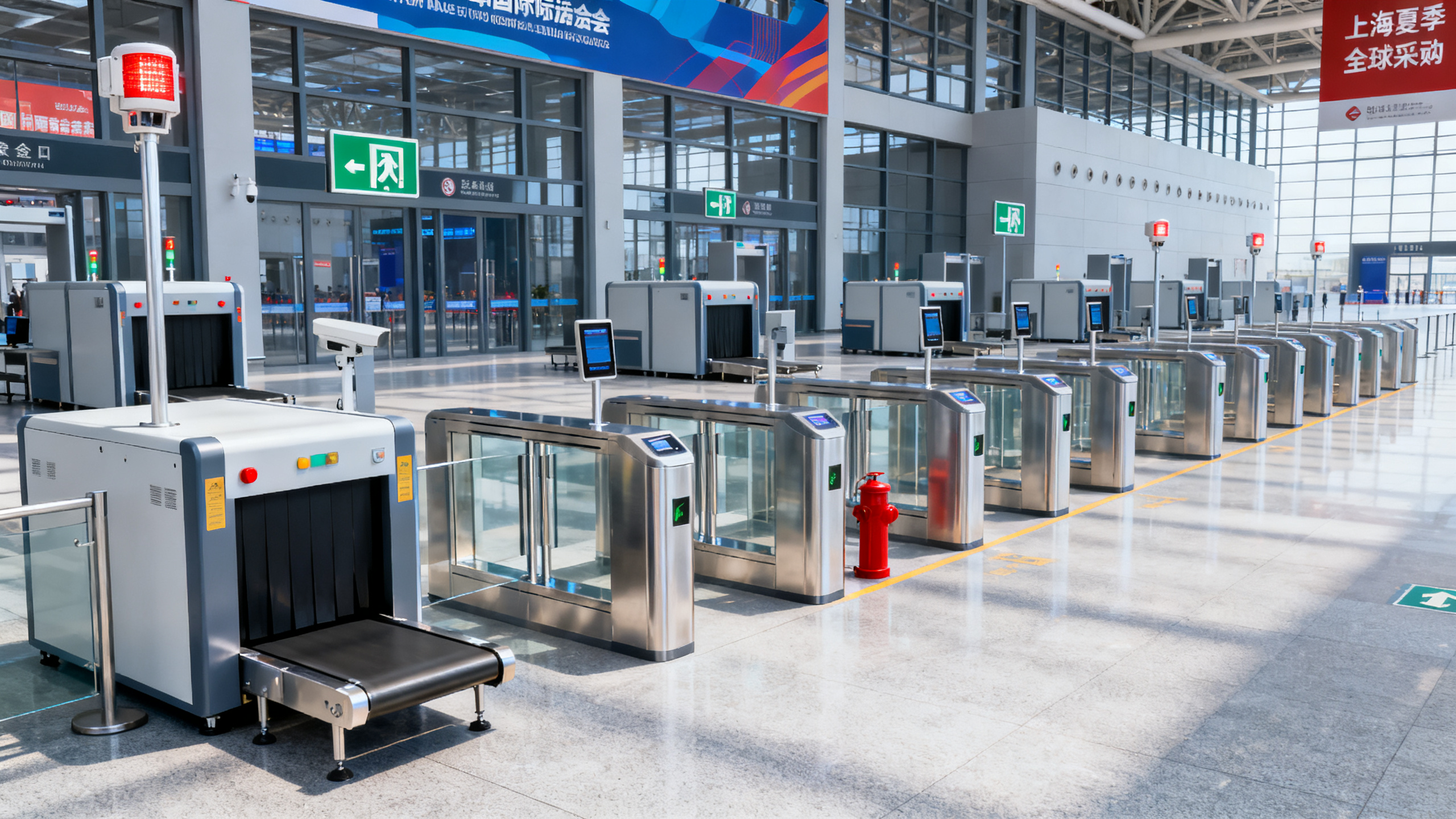
On June 12, 2026, the organizing committee of the 2026 Shanghai Summer Festival announced an international sourcing channel for large-event safety infrastructure, with procurement focused on fire emergency lighting systems, intelligent evacuation signs, X-ray baggage scanners, and facial recognition access gates. For suppliers, integrators, compliance teams, and event-security service providers, this update is worth close attention because it combines cross-border tendering, technical certification thresholds, bilingual remote operations requirements, and a compressed delivery-and-installation schedule within one procurement framework.
What the procurement notice confirms
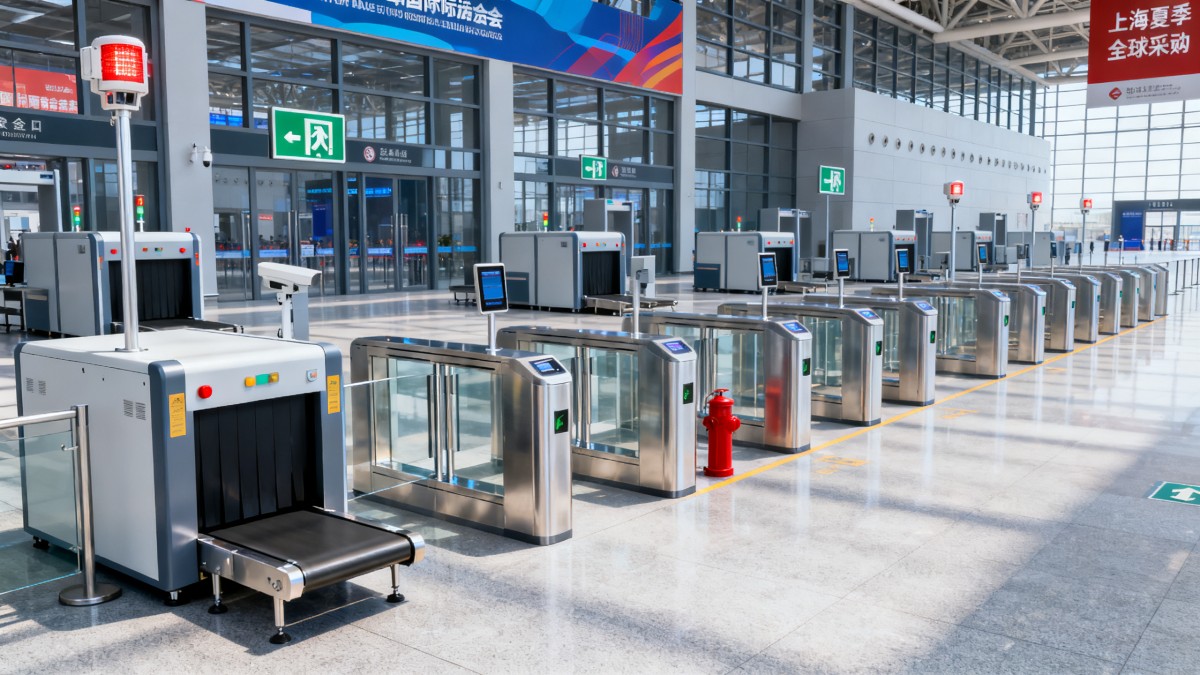
According to the information provided, the festival’s organizing committee opened a global direct procurement platform dedicated to safety infrastructure for large-scale events. The international tender is directed at overseas suppliers and covers fire emergency lighting systems, intelligent evacuation signage, X-ray baggage security inspection machines, and facial recognition gate systems.
The first-phase budget is stated as more than RMB 120 million. The procurement requirements include dual CE and UL certification, support for bilingual Chinese-English remote operation and maintenance, and completion of delivery and installation by July 20. The project has also been connected to the supply-chain matching system of the China International Import Expo (CIIE).
Where the immediate impact may be felt
Compliance becomes a first filter for equipment makers
From an industry perspective, manufacturers of fire safety and security inspection equipment may be affected first because the stated requirement for dual CE and UL certification narrows the field of eligible products. The impact is likely to appear most clearly in product qualification review, bid preparation, and technical documentation readiness rather than in general marketing activity.
Integrators and delivery partners face execution pressure
System integrators, installation contractors, and on-site delivery partners may be affected by the July 20 completion deadline. Analysis shows that the pressure point is not only equipment supply, but also coordination across shipping, installation, commissioning, and bilingual remote support capability.
Supply-chain matching services gain a more operational role
Because the project has been linked to the CIIE supply-chain matching system, supply-chain service providers and cross-border sourcing intermediaries may need to pay closer attention to qualification matching, communication efficiency, and transaction coordination. What deserves closer attention is whether participation in the matching system helps shorten supplier discovery and onboarding time.
Procurement teams must balance openness with implementation certainty
For buyers and project-side procurement teams, the international opening expands sourcing options, but it also raises the practical importance of verifying certifications, service responsiveness, and installation readiness. The impact is likely to be concentrated in supplier screening, contract execution planning, and risk control around delivery timing.
What companies should watch now
Check whether qualification files are submission-ready
Companies interested in this type of opportunity should focus on whether CE and UL certification materials, product specifications, and supporting compliance documents are complete and consistent. In this case, qualification readiness is not a peripheral issue; it is central to whether a supplier can enter the procurement process at all.
Prepare for bilingual remote operations as a practical requirement
The requirement for Chinese-English bilingual remote operation and maintenance deserves specific attention. Observably, this is not only a language issue but also a service-delivery issue involving support workflows, response interfaces, and after-sales coordination across teams.
Assess the delivery window against actual installation capacity
The stated deadline of July 20 makes fulfillment planning a near-term priority. Suppliers and service partners should pay close attention to whether manufacturing, shipping, site access, installation, and system testing can be aligned within the required timeline.
Monitor whether procurement rules are further clarified
It is also worth watching whether additional official wording, tender rules, or operational clarifications emerge after the initial announcement. Analysis shows that the difference between a procurement signal and executable business opportunity often lies in later detail around technical standards, bid procedures, and acceptance requirements.
Why this matters beyond a single event
As an observation, this development can be read as more than a standalone purchase notice because it places safety infrastructure, certification standards, remote maintenance capability, and cross-border sourcing into one visible procurement action. At the same time, it is more appropriate to understand this as an active market signal rather than a completed industry outcome, because the current information confirms the opening of the channel and the procurement scope, but not the final supplier results or broader market replication.
How to read the signal at this stage
The industry significance of this update lies in the way it brings procurement demand, compliance thresholds, and delivery execution into the same discussion for large-event safety projects. A neutral reading is that this is a concrete short-term procurement move with possible longer-term signaling value, especially for suppliers working in fire protection equipment, access control, and security inspection systems. For now, it is more appropriate to understand the development as a procurement-driven indicator that warrants continued monitoring rather than as proof of a settled market trend.
Basis of this article
This article is based on the user-provided news title, event date, and event summary. Source types commonly relevant to this kind of update may include official event announcements, company disclosures, industry association information, authoritative media coverage, and standards-related documents. A specific official source link was not provided in the input, so further verification remains necessary. Follow-up attention should focus on whether more detailed tender rules, implementation requirements, or later procurement outcomes are publicly clarified.
Technical Specifications
- How to Select Electronic Hotel Key Card Locks for Guest Rooms and Staff AreasAuthor :Safety Compliance Lead
- How to Select Lab Instruments for Reliable Chemical Analysis WorkflowsAuthor :Precision Metrology Expert
- How to Size a UPS for Server Rooms: Load, Runtime, and Redundancy FactorsAuthor :Grid Infrastructure Analyst
Expert Insights

Chief Security Architect
Dr. Thorne specializes in the intersection of structural engineering and digital resilience. He has advised three G7 governments on industrial infrastructure security.
Related Analysis
- Sep 17, 2026How to Select Electronic Hotel Key Card Locks for Guest Rooms and Staff AreasAuthor :Safety Compliance Lead
- Sep 16, 2026How to Select Lab Instruments for Reliable Chemical Analysis WorkflowsAuthor :Precision Metrology Expert
- Sep 15, 2026How to Size a UPS for Server Rooms: Load, Runtime, and Redundancy FactorsAuthor :Grid Infrastructure Analyst
Core Sector // 01
Security & Safety
- Steel Rescue Tripods Wholesale: Key Load Ratings, Standards, and Buying MistakesAuthor :Safety Compliance Lead

- India Lifts Duty on Fire Rescue Imports to 22%Author :Safety Compliance Lead

- IEC 62061 Amendment 2 Targets Fire & Rescue ControllersAuthor :Safety Compliance Lead

- IEC 62819-2:2026 Sets New Cybersecurity CheckpointAuthor :Safety Compliance Lead

- When to Use a Quick Deployment Oil Boom for Spill Control in Ports and Inland WatersAuthor :Safety Compliance Lead

- Saudi SASO Adds Cybersecurity Annex to Fire Equipment CertificationAuthor :Safety Compliance Lead

- CBP Pre-Arrival Portal Raises Import Checks for Fire EquipmentAuthor :Safety Compliance Lead

- UAE Sets Cybersecurity Gate for Fire Control PanelsAuthor :Safety Compliance Lead