UAE Sets Cybersecurity Gate for Fire Control Panels
Author
Date Published
Reading Time
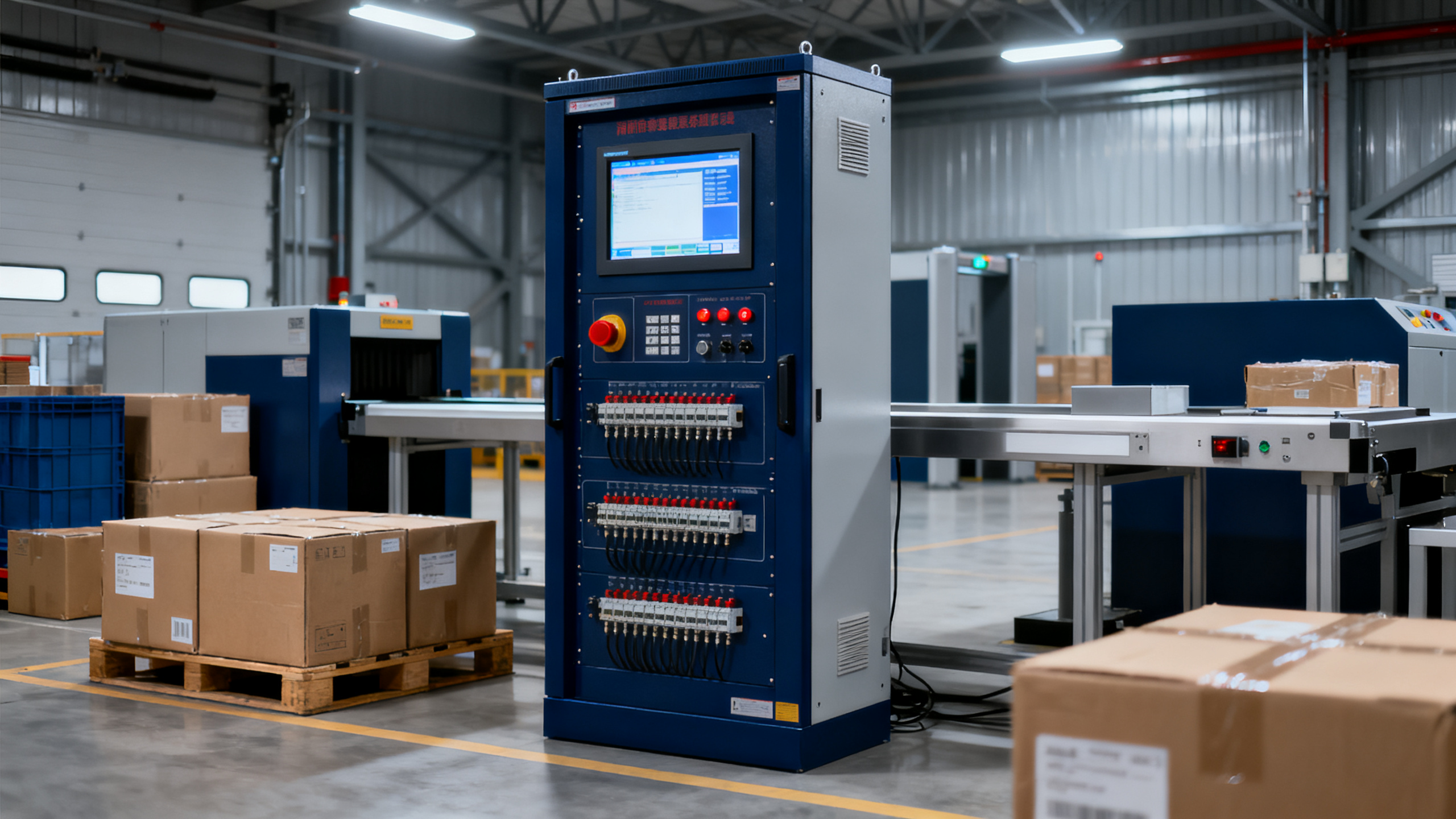
On July 2, 2026, the UAE’s Emirates Authority for Standardization and Metrology (ESMA) issued mandatory standard ESMA S 5001-2026, setting a new market-entry requirement for fire alarm control panels and integrated rescue system interfaces. From October 1, 2026, products in these categories entering the UAE market must hold IEC 62443-3-3 cybersecurity certification, and this is worth close attention from manufacturers, importers, distributors, procurement teams, and cross-border supply chain operators because the requirement is directly tied to customs clearance.
What the New Requirement Formally Says
Based on the information provided, ESMA published mandatory standard ESMA S 5001-2026 on July 2, 2026. The standard requires IEC 62443-3-3 cybersecurity certification for all fire alarm control panels and integrated rescue system interfaces entering the UAE market as of October 1, 2026. Products without that certification will not be cleared through customs.
The confirmed facts indicate three clear points: the standard has been published, the certification requirement has a defined effective date, and customs clearance is the enforcement point identified in the summary provided.
Where the Immediate Pressure Will Be Felt
Market-entry compliance becomes a front-end trade issue
From an industry perspective, direct trading companies and import-focused businesses are likely to feel the change first because the rule is linked to whether products can enter the UAE market at all. The main impact is not only technical compliance, but also shipment planning, document readiness, and the timing of import transactions.
Manufacturers face a product qualification checkpoint
For manufacturers of fire alarm control panels and integrated rescue system interfaces, the development matters because market access now depends on a named cybersecurity certification requirement. The business effect is likely to center on product qualification status, certification readiness, and alignment between technical documentation and export plans for the UAE.
Distributors and channel partners may need earlier product screening
Channel companies and local distribution partners may be affected in product selection and portfolio planning. Analysis shows that once customs clearance becomes conditional on certification, distributors will need to pay closer attention to whether listed products are eligible for entry before committing to inventory, contracts, or delivery schedules.
Procurement and project-side buyers may need to verify compliance earlier
Procurement teams and end users sourcing these systems for projects should also watch the timing closely. Observably, the issue is no longer limited to product performance or price; it may also affect whether specified equipment can be delivered into the UAE after October 1, 2026.
What Companies Should Watch Now
Check which product lines fall within the named scope
What deserves closer attention is whether current or planned shipments involve fire alarm control panels or integrated rescue system interfaces covered by the standard summary provided. For companies serving multiple markets, the practical issue is identifying which UAE-bound products require certification treatment under ESMA S 5001-2026.
Review certification and documentation status before shipment dates
Because the stated consequence is denial of customs clearance for non-certified units, businesses should pay attention to the link between certification status and shipment timing. In practical terms, this means checking whether supporting documents for IEC 62443-3-3 certification are complete and aligned with planned market-entry schedules.
Separate policy wording from operational execution
Analysis shows that one key issue is the gap between a published mandatory requirement and day-to-day execution across sales, logistics, and customer delivery. Companies should monitor how the requirement is referenced in contracts, purchase orders, product approvals, and pre-shipment reviews rather than treating the update as a purely regulatory notice.
Prepare customer and supplier communication early
For suppliers, importers, and project-facing teams, early communication may matter because the rule can affect product availability and delivery assumptions. The focus should be on confirming qualification status, shipment eligibility, and any documentation dependencies tied to UAE entry after the effective date.
Why This Looks Like More Than a Routine Update
As an editorial observation, this development is better understood as a concrete compliance trigger rather than a vague policy signal. The reason is straightforward: the information provided links the new standard to a mandatory certification requirement and to customs clearance, which gives the measure a direct operational effect.
At the same time, it is more appropriate to understand this as both an immediate business issue and a longer-term industry signal. The immediate issue is shipment eligibility after October 1, 2026. The longer-term signal is that cybersecurity certification is being positioned as a defined market-access condition for the covered fire and rescue control products in the UAE. Beyond that, further interpretation still requires continued verification.
How the Industry May Best Read This Development
On the facts available, the most grounded conclusion is that ESMA S 5001-2026 creates a clear compliance threshold for specific product categories entering the UAE market. For affected companies, the significance lies less in broad market speculation and more in certification readiness, customs-facing documentation, and product-entry planning.
It is more appropriate to understand this update as an enforceable near-term change with possible longer-term signaling value. The rule already points to a defined result for non-certified products, but the broader industry implications should still be followed carefully rather than overstated.
Basis of This Article and What Still Needs Verification
This article is based on the user-provided news title, event date, and event summary concerning ESMA S 5001-2026, dated July 2, 2026. For this type of industry update, relevant source categories typically include official notices, standard-setting documents, industry association updates, company compliance statements, and reporting from authoritative trade media.
A specific official source link was not provided in the input, so the exact original publication record should still be verified on an ongoing basis. Further follow-up should focus on any official clarifications to scope, documentation expectations, and implementation details related to certification and customs clearance.
Technical Specifications
- Air Handling Unit Supplier Checklist: Performance Data, Lead Times, and SupportAuthor :Environmental Engineering Director
- Buying Fiberglass Water Tanks Wholesale: Compare Quotes and Delivery CostsAuthor :Environmental Engineering Director
- Choosing an XLPE Power Cable Supplier: Test Reports, Traceability, and Lead TimesAuthor :Grid Infrastructure Analyst
Expert Insights

Chief Security Architect
Dr. Thorne specializes in the intersection of structural engineering and digital resilience. He has advised three G7 governments on industrial infrastructure security.
Related Analysis
- Oct 19, 2026Air Handling Unit Supplier Checklist: Performance Data, Lead Times, and SupportAuthor :Environmental Engineering Director
- Oct 18, 2026Buying Fiberglass Water Tanks Wholesale: Compare Quotes and Delivery CostsAuthor :Environmental Engineering Director
- Oct 17, 2026Choosing an XLPE Power Cable Supplier: Test Reports, Traceability, and Lead TimesAuthor :Grid Infrastructure Analyst
Core Sector // 01
Security & Safety
- How to Vet a Wholesale CO2 Extinguisher Supplier for Certified Bulk OrdersAuthor :Safety Compliance Lead

- How to Select a Conventional Fire Alarm Panel by Zone Capacity and Building RiskAuthor :Safety Compliance Lead

- Steel Rescue Tripods Wholesale: Key Load Ratings, Standards, and Buying MistakesAuthor :Safety Compliance Lead

- India Lifts Duty on Fire Rescue Imports to 22%Author :Safety Compliance Lead

- IEC 62061 Amendment 2 Targets Fire & Rescue ControllersAuthor :Safety Compliance Lead

- IEC 62819-2:2026 Sets New Cybersecurity CheckpointAuthor :Safety Compliance Lead

- When to Use a Quick Deployment Oil Boom for Spill Control in Ports and Inland WatersAuthor :Safety Compliance Lead

- Saudi SASO Adds Cybersecurity Annex to Fire Equipment CertificationAuthor :Safety Compliance Lead