EU Tightens PFOA Limit for PPE and Industrial Filter Media
Author
Date Published
Reading Time

On July 28, 2026, the European Commission formally issued Regulation (EU) 2026/1342, adding a tighter PFOA restriction under REACH Annex XVII for industrial filter media and selected PPE and workwear categories. The new limit applies to PFOA, its salts, and related substances at 25 ng/g, with mandatory enforcement from February 1, 2027. For exporters serving the EU market, especially Chinese manufacturers of protective clothing, suppliers of industrial filter cartridges, and composite material processors, this is a compliance development that moves quickly from regulatory text to practical supply-chain screening and third-party testing.

What the New REACH Amendment Confirms
The confirmed facts are clear. The European Commission released Regulation (EU) 2026/1342 on July 28, 2026. The amendment tightens the restriction on PFOA, its salts, and related substances in products including industrial-use filtration media, chemical protective clothing, and flame-retardant workwear within the PPE and workwear segment. The concentration limit is set at 25 ng/g, a trace-level threshold, and the rule becomes mandatory on February 1, 2027.
The information provided also confirms that the change directly affects Chinese exporters supplying the EU, including protective clothing manufacturers, industrial filter element suppliers, and composite material processors. It further indicates that these companies need to start supply-chain screening and third-party conformity testing without delay.
Where the Pressure Will Appear First in the Supply Chain
Export-facing product manufacturers will face immediate compliance verification pressure
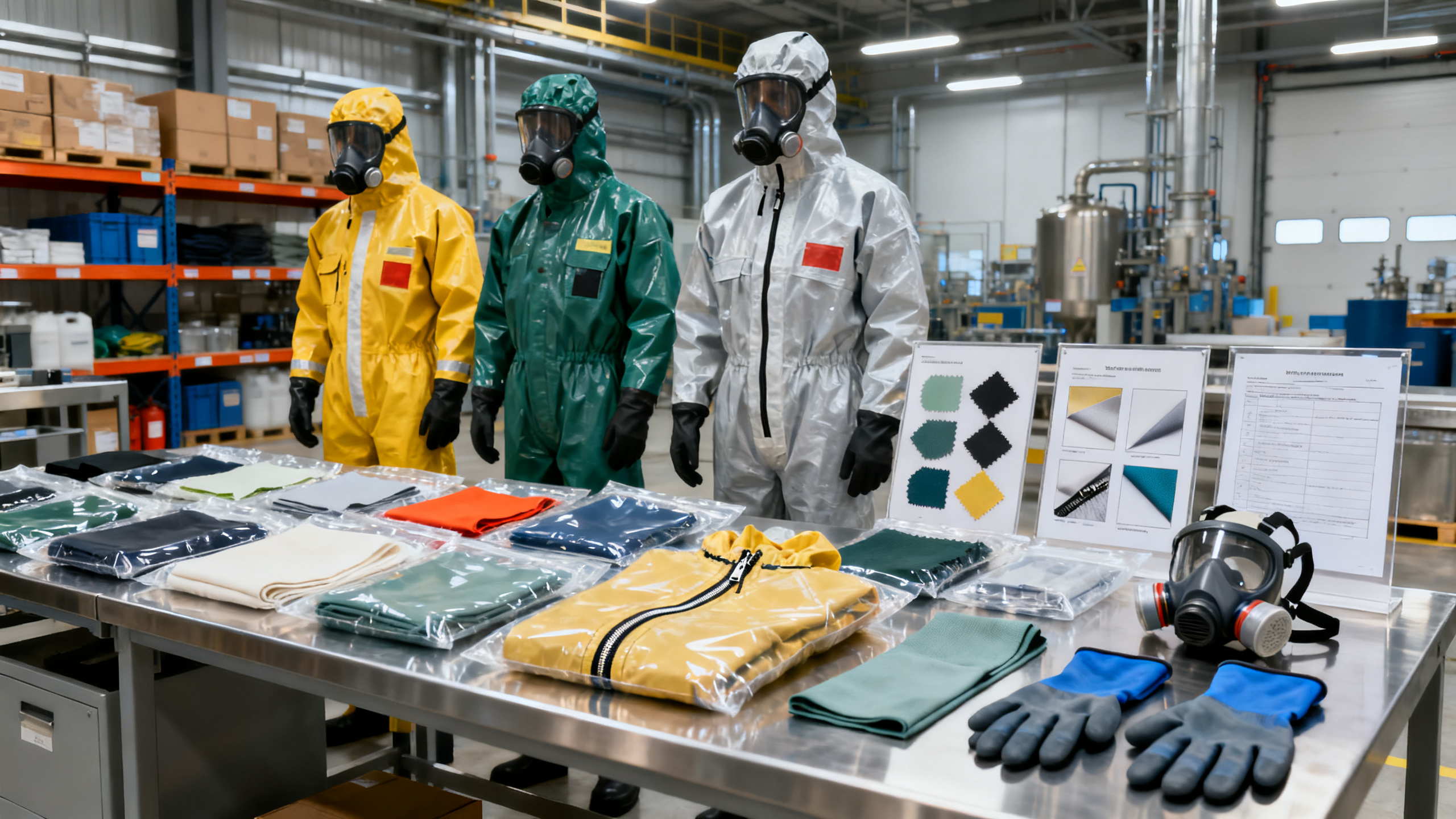
From an industry perspective, manufacturers shipping PPE and workwear into the EU may be affected first because the new threshold applies directly to product compliance. The main pressure points are likely to appear in material selection, product verification, shipment readiness, and customer documentation. What deserves closer attention is whether existing formulations, components, or legacy material inputs can still support exports once the rule becomes enforceable.
Industrial filtration suppliers may need to review upstream material consistency
Suppliers of industrial filter cartridges and filtration media may be affected because the restriction explicitly reaches industrial filtering applications. The likely business impact is not limited to final goods; it also extends to how suppliers review raw materials, semi-finished inputs, and composite layers used in filter construction. Observably, the issue is less about one single production step and more about whether upstream sourcing can withstand trace-level compliance review.
Composite processors may see higher scrutiny on input traceability
Composite material processors mentioned in the event summary may face pressure where multiple substrates, coatings, or bonded materials are involved. The business impact may appear in supplier qualification, incoming material checks, technical declarations, and support for customer testing requests. Analysis shows that companies in this position will need to pay closer attention to traceability across every layer of the bill of materials, because a very low threshold can shift risk into parts of the supply chain that were previously treated as secondary.
What Companies Should Prioritize Before February 2027
Start with product and supplier mapping, not only final-goods review
Based on the confirmed information, immediate action is needed on supply-chain screening. In practice, that means affected companies should first identify which exported products fall within the relevant PPE, workwear, and industrial filtration scope, and then connect those products to specific suppliers and material sources. This matters because a trace-level restriction cannot be managed only at the finished-product stage.
Use third-party testing as a decision tool, not only a formal requirement
The event summary specifically points to third-party conformity testing. Analysis shows that testing should be treated as an operational checkpoint for shipments, customer assurance, and internal material approval, rather than only as a document for regulatory files. What deserves closer attention is whether testing plans are aligned with the product categories most exposed to EU delivery risk.
Separate regulatory wording from shipment readiness
It is more appropriate to understand this amendment as both a legal change and a delivery execution issue. A published rule and an enforceable product status are not the same thing in day-to-day trade. Companies should therefore watch how customer requirements, contract terms, product declarations, and delivery schedules need to be aligned before the February 1, 2027 enforcement date.
Prepare for customer communication and document requests early
For export businesses, one practical focus is likely to be customer communication. Buyers may request updated declarations, test reports, or supplier confirmations well before the mandatory date. Observably, companies that wait until enforcement begins may face avoidable friction in order confirmation, acceptance procedures, or shipment release planning.
Why This Looks Like More Than a Short-Term Notice
This section is analysis rather than confirmed fact. Analysis shows that the development should not be read as a routine paperwork change. The combination of a trace-level limit, a fixed enforcement date, and direct relevance to PPE, workwear, and industrial filtration makes it more appropriate to understand this as a clear compliance signal with near-term operational consequences. At the same time, it is still a dynamic issue in the sense that companies will need to keep tracking how the rule is interpreted in procurement, testing, and customer acceptance workflows.
From an industry perspective, the amendment currently looks less like a distant policy trend and more like a practical transition window. The period before February 2027 is likely to matter most for screening, testing, and communication readiness.
How the Market Should Read This Development Now
The immediate significance of this update lies in its precision and timetable. A defined 25 ng/g limit under REACH Annex XVII, combined with a mandatory implementation date, gives affected exporters a narrow window to verify material compliance and strengthen supporting documentation. It would be premature to turn that into broad market conclusions beyond the provided facts, but it is reasonable to view the change as an actionable compliance requirement rather than a point for passive monitoring.
At this stage, it is more appropriate to understand the news as a regulatory development with direct execution implications for EU-bound PPE, workwear, and industrial filtration products. The core task for affected businesses is not speculation about long-term outcomes, but disciplined preparation across supply, testing, and customer-facing compliance records.
Basis of This Article and What Still Needs Verification
This article is generated on the basis of the user-provided news title, event date, and event summary. The confirmed inputs used here include the July 28, 2026 release date, Regulation (EU) 2026/1342, the tightened 25 ng/g limit for PFOA, its salts, and related substances, the February 1, 2027 enforcement date, and the stated impact on Chinese exporters in protective clothing, industrial filter components, and composite processing.
For this type of industry update, commonly relevant source categories usually include official regulatory notices, company disclosures, industry association updates, authoritative media reporting, and standards-related documents. The specific official source link was not provided in the input, so further verification should continue against the formal regulation text and any later implementation-related clarifications. Continued attention should focus on how affected product categories are interpreted in practice and how conformity evidence is expected in actual trade and customer review processes.
Technical Specifications
- How to Select Electronic Hotel Key Card Locks for Guest Rooms and Staff AreasAuthor :Safety Compliance Lead
- How to Select Lab Instruments for Reliable Chemical Analysis WorkflowsAuthor :Precision Metrology Expert
- How to Size a UPS for Server Rooms: Load, Runtime, and Redundancy FactorsAuthor :Grid Infrastructure Analyst
Expert Insights

Chief Security Architect
Dr. Thorne specializes in the intersection of structural engineering and digital resilience. He has advised three G7 governments on industrial infrastructure security.
Related Analysis
- Sep 17, 2026How to Select Electronic Hotel Key Card Locks for Guest Rooms and Staff AreasAuthor :Safety Compliance Lead
- Sep 16, 2026How to Select Lab Instruments for Reliable Chemical Analysis WorkflowsAuthor :Precision Metrology Expert
- Sep 15, 2026How to Size a UPS for Server Rooms: Load, Runtime, and Redundancy FactorsAuthor :Grid Infrastructure Analyst
Core Sector // 01
Security & Safety
- Can One Supplier Provide Both IEC- and ATEX-Certified Safety Equipment?Author :Safety Compliance Lead

- Are Dual IEC and NEC Safety Certifications Worth the Cost?Author :Safety Compliance Lead

- What Is the Difference Between Class I and Class II PPE?Author :Safety Compliance Lead

- Which Oil and Gas Safety Standards Should Contractors Meet Before Site Mobilization?Author :Safety Compliance Lead

- EU REACH Adds PFAS Cap for PPE WorkwearAuthor :Safety Compliance Lead

- How to Evaluate a Chemical Resistant Suit Supplier for Industrial Safety ProcurementAuthor :Safety Compliance Lead

- EU REACH Sets 50 ppb PFAS Cap for PPE WorkwearAuthor :Safety Compliance Lead

- EU Tightens PFOA Limit for PPE and Industrial Filter MediaAuthor :Safety Compliance Lead