Steel Rescue Tripods Wholesale: Key Load Ratings, Standards, and Buying Mistakes
Author
Date Published
Reading Time
Why does steel rescue tripods wholesale require more than a price comparison?
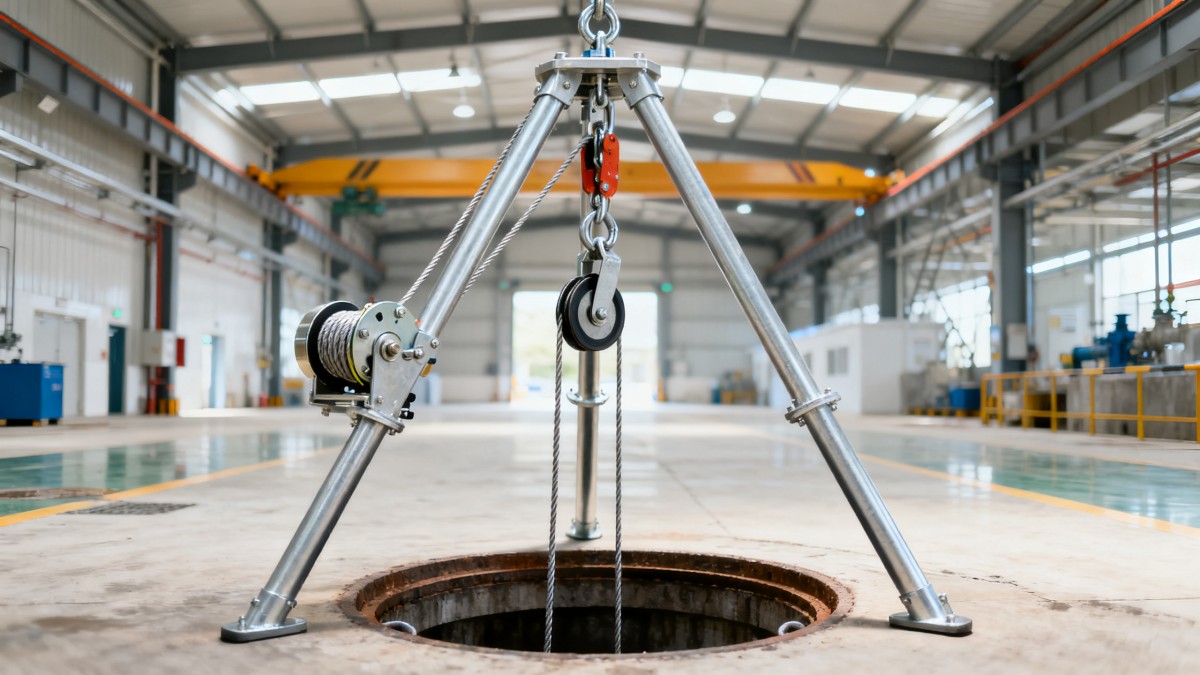
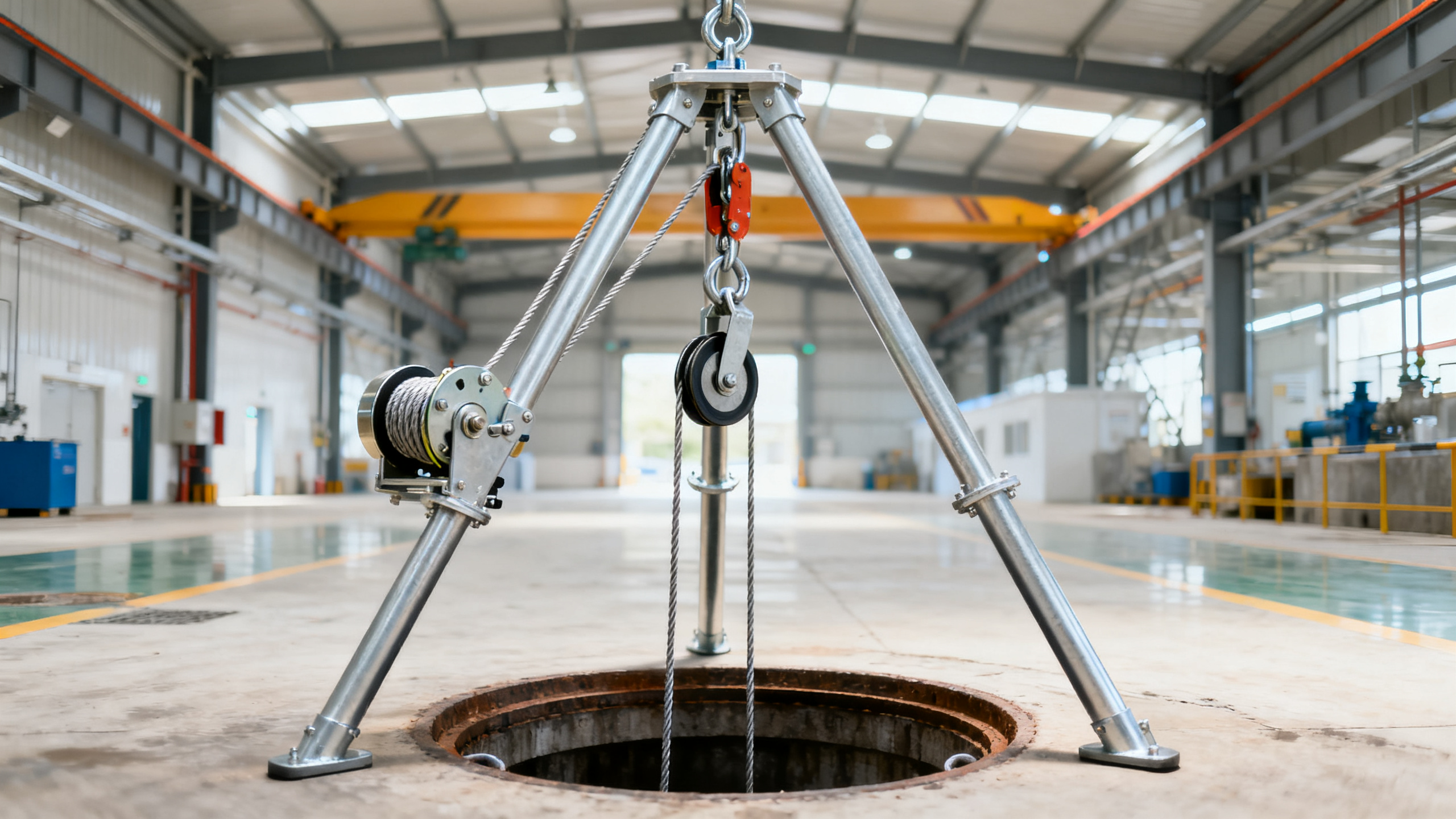
In confined space rescue, a tripod is not a simple frame. It is a life-support structure that must stay stable during lifting, lowering, and emergency retrieval.
That is why steel rescue tripods wholesale decisions carry technical and legal consequences. A low unit price can hide weak welds, unclear ratings, or incomplete certification records.
In practical reviews, the better question is not only whether the tripod can stand. The real question is whether it performs under rescue load, side movement, and repeated field use.
This matters across industrial maintenance, utilities, water treatment, energy sites, and civil infrastructure projects. When retrieval systems fail, downtime is secondary. Human risk comes first.
A careful steel rescue tripods wholesale assessment usually starts with four checkpoints: rated capacity, structural material, compliance evidence, and compatibility with winches or self-retracting lifelines.
That approach fits the broader GIC view of industrial sourcing. Critical equipment should be judged by verifiable safety performance, not by catalog language alone.
Which load ratings actually matter when comparing steel rescue tripods wholesale options?
Many buyers see one load number and assume the job is done. In reality, rescue tripods often carry several ratings, and each one answers a different safety question.
The first is the maximum working load. This is the allowable operational load under defined conditions, not a rough estimate of what the frame might survive once.
The second is the rescue or retrieval load. This can differ from fall-arrest related loads because dynamic forces, line angle, and user movement change the stress pattern.
Some suppliers also state a minimum breaking strength. That figure is useful, but it should never replace the declared working load or certified rescue rating.
More importantly, ask how the rating was established. Was it static testing, dynamic testing, or a calculation backed by a third-party report?
The quickest way to screen steel rescue tripods wholesale offers is to compare the points below.
If the steel rescue tripods wholesale listing only shows one vague strength figure, treat that as incomplete technical information, not as a buying shortcut.
What standards should be on the checklist before approving a bulk order?
Compliance language can be confusing because rescue tripods sit between fall protection, rescue equipment, and structural hardware. Not every market uses the same standard set.
A solid review normally checks whether the product aligns with relevant CE, ISO, ANSI, or OSHA-related requirements, depending on destination market and application scope.
For many industrial sites, EN 795, CEN/TS 16415, ANSI Z359 references, and confined space rules are part of the discussion. Yet the label alone is never enough.
Need to be careful here. A certificate number should match a test report, model reference, issue date, and the actual configuration being supplied.
It is common to find steel rescue tripods wholesale offers using old reports, reports for a similar model, or certificates covering accessories but not the full assembled system.
- Check the exact model code and leg configuration.
- Confirm whether the winch and bracket were tested with the tripod.
- Review the issuing body and report validity date.
- Verify user manual language, serial traceability, and inspection instructions.
In other words, compliance should be auditable. If documentation cannot survive a site inspection or tender review, the purchasing risk remains high.
How can you judge material strength and build quality beyond the spec sheet?
Steel rescue tripods wholesale programs often highlight steel as a sign of durability. That is only partly true. Steel quality depends on grade, wall thickness, corrosion protection, and fabrication control.
A tripod used near wastewater, marine air, or chemical exposure needs better surface treatment than one kept in dry indoor maintenance areas.
Galvanized finishes, powder coating, or mixed protective systems can all work, but they should match the intended exposure cycle and storage practice.
Weld quality deserves close attention. Uneven beads, poor penetration, visible undercut, or uncontrolled heat marks can signal inconsistent manufacturing controls.
Leg locks and telescoping sections also reveal a lot. If adjustment holes deform early, field alignment becomes unstable, especially on uneven surfaces.
A practical incoming inspection for steel rescue tripods wholesale samples often includes:
- measuring tube thickness against declared values;
- checking weld consistency at head and foot joints;
- reviewing coating adhesion and rust resistance;
- testing pulley rotation and bracket fastening;
- verifying labels, serial marks, and inspection tags.
This step takes time, but it prevents a larger problem later: approved paperwork attached to inconsistent production batches.
Where do bulk buyers make the biggest mistakes with steel rescue tripods wholesale?
The most frequent mistake is treating all tripods as interchangeable. They are not. Height range, foot design, top head geometry, and accessory compatibility change field performance.
Another common error is approving a sample but not controlling production consistency. A good first piece does not guarantee identical tubing, fasteners, or finishing in later lots.
Some steel rescue tripods wholesale orders also fail because the review stops at frame strength. The system is broader than the frame alone.
If the tripod, winch, mounting bracket, cable, and retrieval device were not validated together, there is still system-level uncertainty.
The table below helps separate acceptable shortcuts from risky ones.
In real projects, these mistakes usually cost more than the original savings. They create retesting, replacement, documentation delays, and site approval issues.
What should the final evaluation process look like before ordering?
A reliable steel rescue tripods wholesale process is usually staged, not rushed. Start with the use case, then narrow the technical envelope before comparing suppliers.
For example, define the maximum entry depth, user load, rescue method, environmental exposure, and required compatibility with existing fall protection equipment.
Next, review the document pack. That should include technical drawings, test reports, certificates, user instructions, material details, and batch traceability practices.
Then move to physical verification. A sample inspection or witness test often reveals issues that catalogs never show, especially around hardware finish and assembly tolerances.
Before release, many teams use a simple approval list:
- rated load aligns with the actual rescue plan;
- market-specific compliance is current and traceable;
- sample and production controls match;
- accessories are tested as a system;
- inspection, maintenance, and spare parts support are clear.
That is the point where steel rescue tripods wholesale becomes a controlled sourcing decision rather than a risky commodity purchase.
To move forward, organize requirements by load, standard, environment, and accessory fit. Then compare offers against that matrix and validate one production-ready sample before committing to volume.
Technical Specifications
- How to Select Electronic Hotel Key Card Locks for Guest Rooms and Staff AreasAuthor :Safety Compliance Lead
- How to Select Lab Instruments for Reliable Chemical Analysis WorkflowsAuthor :Precision Metrology Expert
- How to Size a UPS for Server Rooms: Load, Runtime, and Redundancy FactorsAuthor :Grid Infrastructure Analyst
Expert Insights

Chief Security Architect
Dr. Thorne specializes in the intersection of structural engineering and digital resilience. He has advised three G7 governments on industrial infrastructure security.
Related Analysis
- Sep 17, 2026How to Select Electronic Hotel Key Card Locks for Guest Rooms and Staff AreasAuthor :Safety Compliance Lead
- Sep 16, 2026How to Select Lab Instruments for Reliable Chemical Analysis WorkflowsAuthor :Precision Metrology Expert
- Sep 15, 2026How to Size a UPS for Server Rooms: Load, Runtime, and Redundancy FactorsAuthor :Grid Infrastructure Analyst
Core Sector // 01
Security & Safety
- Steel Rescue Tripods Wholesale: Key Load Ratings, Standards, and Buying MistakesAuthor :Safety Compliance Lead

- India Lifts Duty on Fire Rescue Imports to 22%Author :Safety Compliance Lead

- IEC 62061 Amendment 2 Targets Fire & Rescue ControllersAuthor :Safety Compliance Lead

- IEC 62819-2:2026 Sets New Cybersecurity CheckpointAuthor :Safety Compliance Lead

- When to Use a Quick Deployment Oil Boom for Spill Control in Ports and Inland WatersAuthor :Safety Compliance Lead

- Saudi SASO Adds Cybersecurity Annex to Fire Equipment CertificationAuthor :Safety Compliance Lead

- CBP Pre-Arrival Portal Raises Import Checks for Fire EquipmentAuthor :Safety Compliance Lead

- UAE Sets Cybersecurity Gate for Fire Control PanelsAuthor :Safety Compliance Lead