India Lifts Duty on Fire Rescue Imports to 22%
Author
Date Published
Reading Time
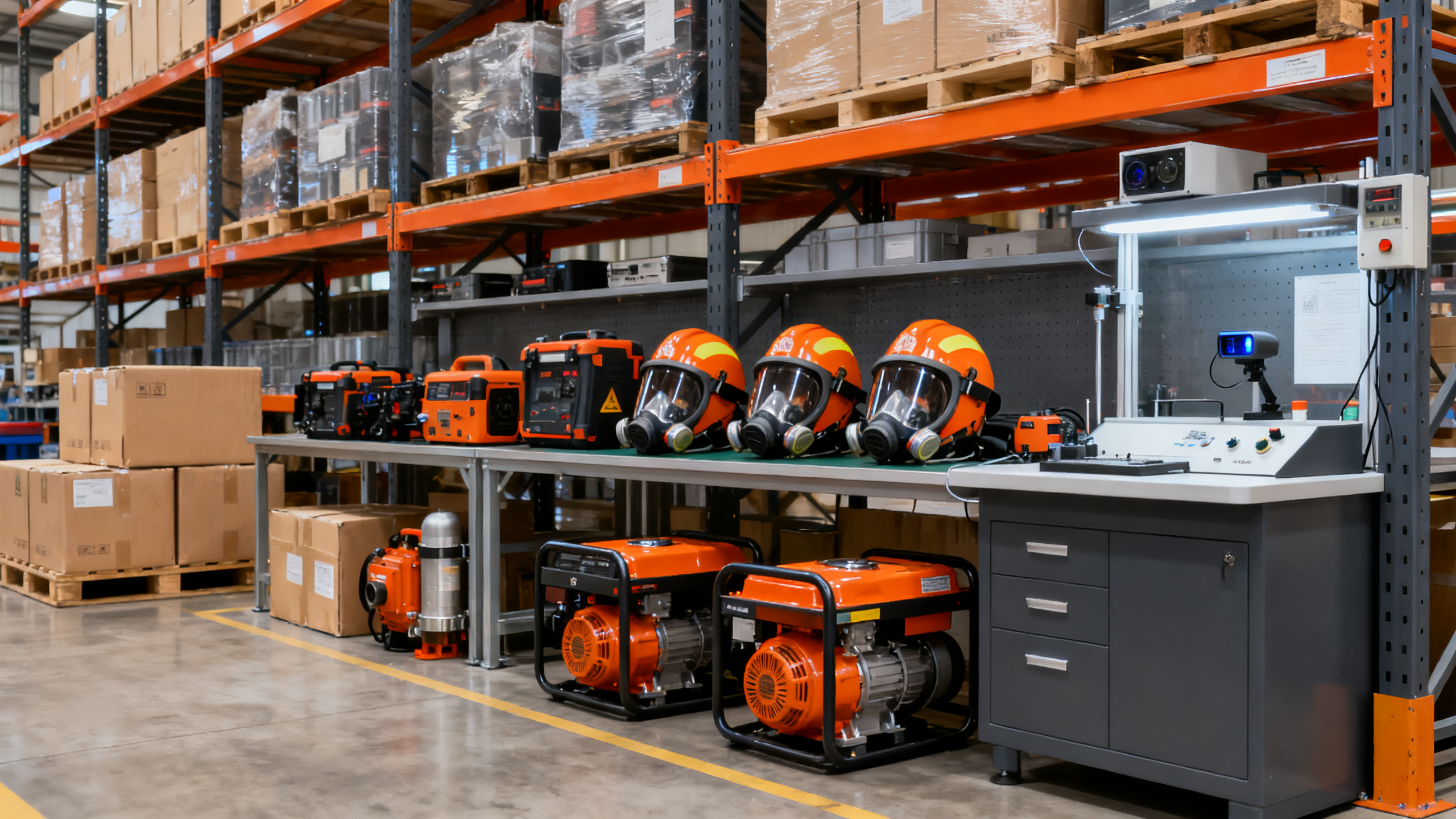
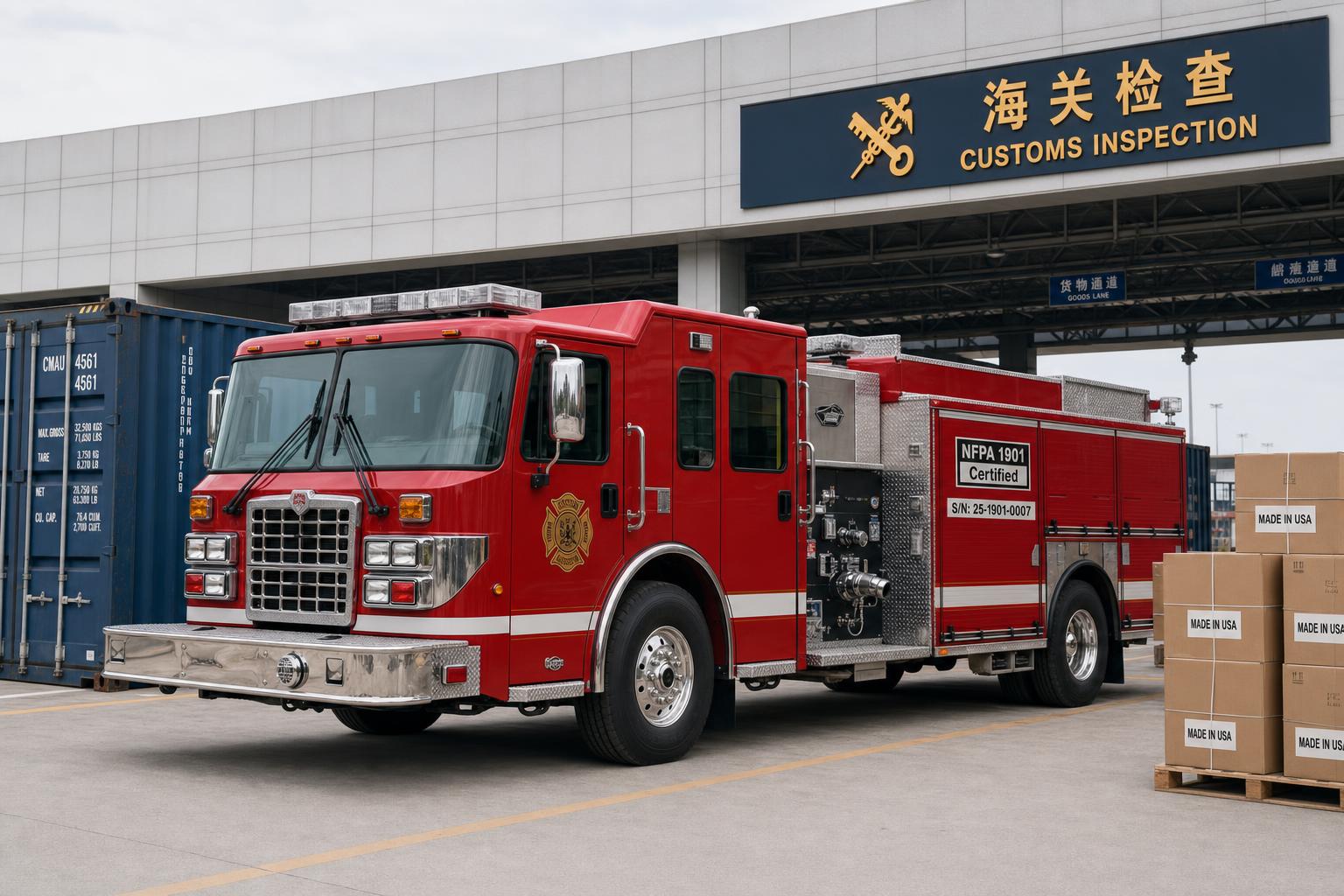
On July 12, 2026, India announced a rule change that directly affects the fire and rescue equipment trade: from August 1, the MFN import duty on key products such as fire pumps, breathing masks, and thermal imaging search-and-rescue devices will rise from 15% to 22%. At the same time, a fast-track route tied to the "Make in India" certification framework will allow locally assembled products with BIS certification to enter at zero duty. For exporters, importers, procurement teams, and certification-related businesses, the development is worth close attention because it changes both landed cost calculations and the commercial value of local assembly compliance.
A Confirmed Shift in Tariff and Certification Treatment
The confirmed facts are limited but commercially significant. India’s Ministry of Commerce and Industry stated on July 12, 2026 that the MFN import duty for core fire and rescue equipment will increase to 22% starting August 1, up from 15%. The products cited in the event summary include fire pumps, breathing apparatus masks, and thermal imaging search-and-rescue equipment.
The same announcement also introduced a "Make in India" certification fast-track mechanism. Under that arrangement, locally assembled products that obtain BIS certification may qualify for zero duty. The event summary further indicates that this adjustment is expected to raise quoted prices from Chinese exporters to India by about 7% to 9%, while also creating new room for joint factory cooperation for Chinese OEM suppliers that have the capability to work with BIS-related requirements.
Where the Pressure Will Show First
Export pricing and order negotiation
From an industry perspective, exporters shipping the affected equipment into India are likely to feel the first impact in quotation strategy and contract discussions. A higher MFN duty changes the buyer’s total import cost, which can affect price competitiveness, margin structure, and bid positioning. What deserves closer attention is whether current quotations, delivery commitments, and commercial terms still align with the new tariff treatment once the August 1 effective date arrives.
Procurement and sourcing decisions inside India
Buyers and procurement teams may need to reassess whether direct import remains commercially acceptable for the affected categories, especially where procurement cycles extend beyond the implementation date. Observably, the new zero-duty path for locally assembled BIS-certified products creates a different comparison base for sourcing decisions. That means procurement reviews may increasingly focus on certification status, assembly location, and supporting compliance documents alongside technical specifications and price.
Manufacturing and assembly partnerships
For manufacturers and OEM suppliers, the policy signal is not only about higher import cost. Analysis shows the fast-track certification route may increase the business relevance of local assembly models. Companies that can support BIS-related cooperation may find more discussions around joint production, local assembly, or supply arrangements designed to fit the zero-duty channel. At this stage, however, the event summary confirms the opportunity signal, not the actual execution terms of any partnership model.
Certification and compliance service activity
Certification-related firms, testing support providers, and teams handling product documentation may also see a shift in demand. The reason is straightforward: if duty treatment begins to depend more directly on BIS-certified local assembly status, the quality, completeness, and timing of compliance preparation become more commercially sensitive. Businesses involved in technical files, product conformity review, and supporting documentation should watch for how buyers and suppliers begin to treat BIS readiness as part of commercial qualification.
What Companies Should Review Now
Recheck duty assumptions in active business
Companies with pending quotations, framework agreements, or near-term shipments should review whether current pricing still reflects the announced duty increase and the August 1 timing. Analysis shows this is especially relevant where quotations were built on the previous 15% duty baseline.
Verify how BIS-related readiness affects market access strategy
Businesses considering local assembly or cooperation with Indian partners should examine whether their current product documentation, certification path, and manufacturing setup are compatible with BIS-related requirements. The confirmed information only states that BIS-certified local assembly may receive zero duty, so the practical threshold for qualification still needs continued verification.
Watch tender and technical document changes
What deserves closer attention is whether procurement documents, bid requirements, or supplier qualification language begin to reflect the new tariff and certification treatment. Even without additional confirmed detail, companies should be alert to possible changes in technical submissions, proof of assembly status, and compliance paperwork expectations.
Review delivery planning and after-sales responsibility
Where contracts involve long lead times or ongoing service commitments, companies should assess whether the new trade treatment affects fulfillment structure, spare supply planning, or customer-side acceptance arrangements. This is not yet a confirmed execution outcome, but it is a practical area where tariff and certification changes can influence delivery decisions.
How This Signal Should Be Read
Observably, this development is more than a simple customs adjustment. It combines a higher import duty with a compliance-linked local assembly incentive, which gives the market two messages at once: direct imports of certain fire and rescue products face higher cost pressure, while BIS-certified local assembly gains a more favorable route. Analysis shows that for affected companies, the commercial question is no longer only whether they can sell into India, but under which compliance and manufacturing structure that sale remains competitive.
At the same time, it is more appropriate to understand this as a partly landed change and partly evolving execution signal. The duty increase and the zero-duty condition tied to BIS-certified local assembly are clearly stated in the provided information, but the detailed market response, procurement interpretation, and implementation practice still require observation.
Why Continued Monitoring Matters
From an industry perspective, the significance of this update lies in its effect on trade terms, certification value, and supply-chain design for fire and rescue equipment entering the Indian market. It does not yet justify broad conclusions about final market restructuring, but it clearly changes the operating assumptions for exporters, buyers, and manufacturers working on affected product lines.
The most reasonable reading at present is that this is an implemented policy shift with immediate commercial consequences, while its full execution impact will depend on how BIS-related qualification, procurement behavior, and partnership models develop after the announced effective date.
Basis of This Article and What Still Needs Verification
This article is based on the user-provided news title, event date, and event summary. For developments of this type, relevant source categories typically include official announcements, regulator releases, customs or trade authority information, industry association updates, standards-related documents, and reporting by established business media. A specific official source link was not provided in the input, so continued verification remains necessary.
What still needs ongoing observation includes any detailed implementation language, BIS certification handling in practice, possible changes in procurement or tender documents, feedback from market participants, and how companies actually adjust export, assembly, and delivery arrangements in response to the new rule.
Technical Specifications
- How to Select Electronic Hotel Key Card Locks for Guest Rooms and Staff AreasAuthor :Safety Compliance Lead
- How to Select Lab Instruments for Reliable Chemical Analysis WorkflowsAuthor :Precision Metrology Expert
- How to Size a UPS for Server Rooms: Load, Runtime, and Redundancy FactorsAuthor :Grid Infrastructure Analyst
Expert Insights

Chief Security Architect
Dr. Thorne specializes in the intersection of structural engineering and digital resilience. He has advised three G7 governments on industrial infrastructure security.
Related Analysis
- Sep 17, 2026How to Select Electronic Hotel Key Card Locks for Guest Rooms and Staff AreasAuthor :Safety Compliance Lead
- Sep 16, 2026How to Select Lab Instruments for Reliable Chemical Analysis WorkflowsAuthor :Precision Metrology Expert
- Sep 15, 2026How to Size a UPS for Server Rooms: Load, Runtime, and Redundancy FactorsAuthor :Grid Infrastructure Analyst
Core Sector // 01
Security & Safety
- Steel Rescue Tripods Wholesale: Key Load Ratings, Standards, and Buying MistakesAuthor :Safety Compliance Lead

- India Lifts Duty on Fire Rescue Imports to 22%Author :Safety Compliance Lead

- IEC 62061 Amendment 2 Targets Fire & Rescue ControllersAuthor :Safety Compliance Lead

- IEC 62819-2:2026 Sets New Cybersecurity CheckpointAuthor :Safety Compliance Lead

- When to Use a Quick Deployment Oil Boom for Spill Control in Ports and Inland WatersAuthor :Safety Compliance Lead

- Saudi SASO Adds Cybersecurity Annex to Fire Equipment CertificationAuthor :Safety Compliance Lead

- CBP Pre-Arrival Portal Raises Import Checks for Fire EquipmentAuthor :Safety Compliance Lead

- UAE Sets Cybersecurity Gate for Fire Control PanelsAuthor :Safety Compliance Lead