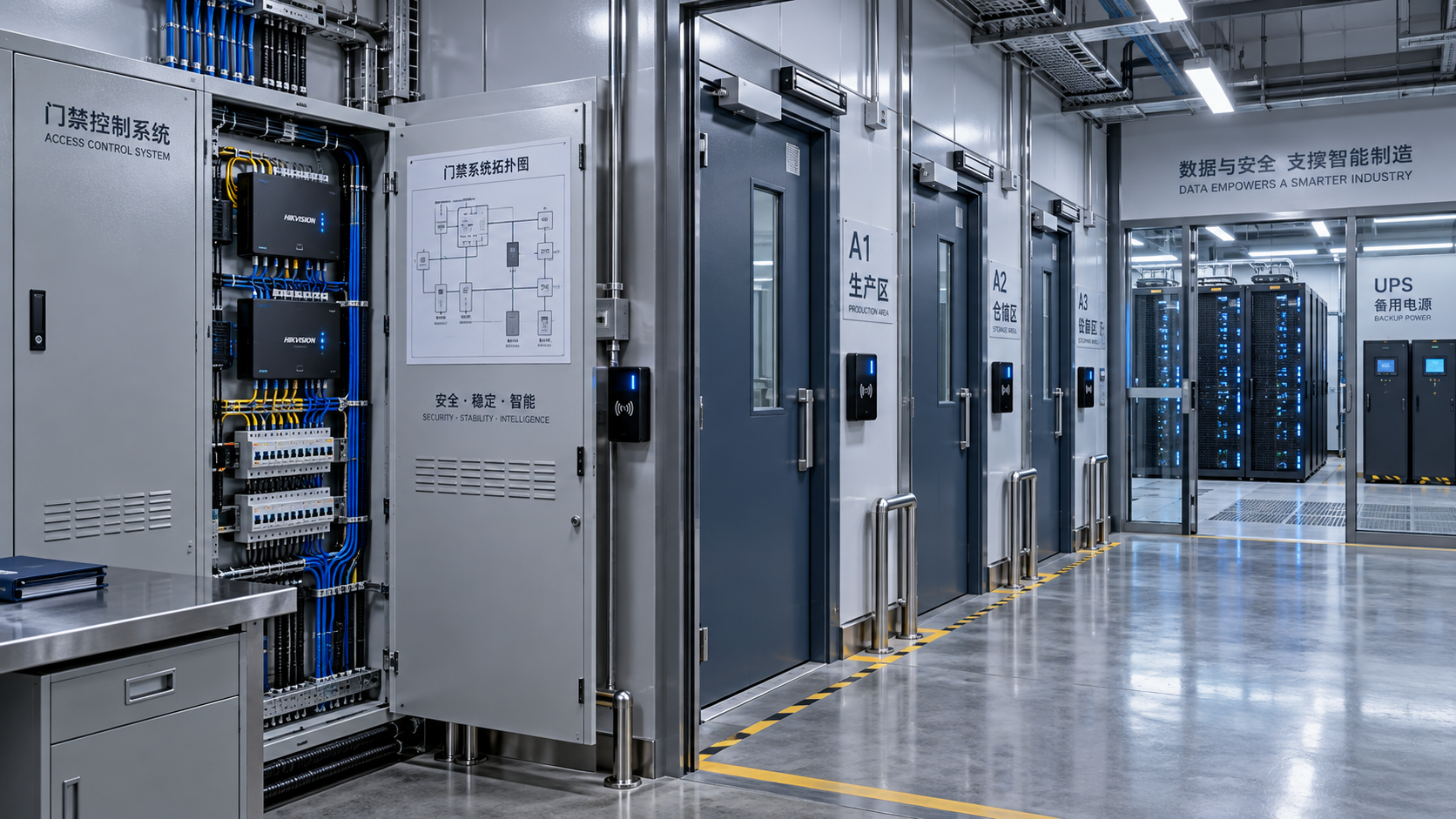
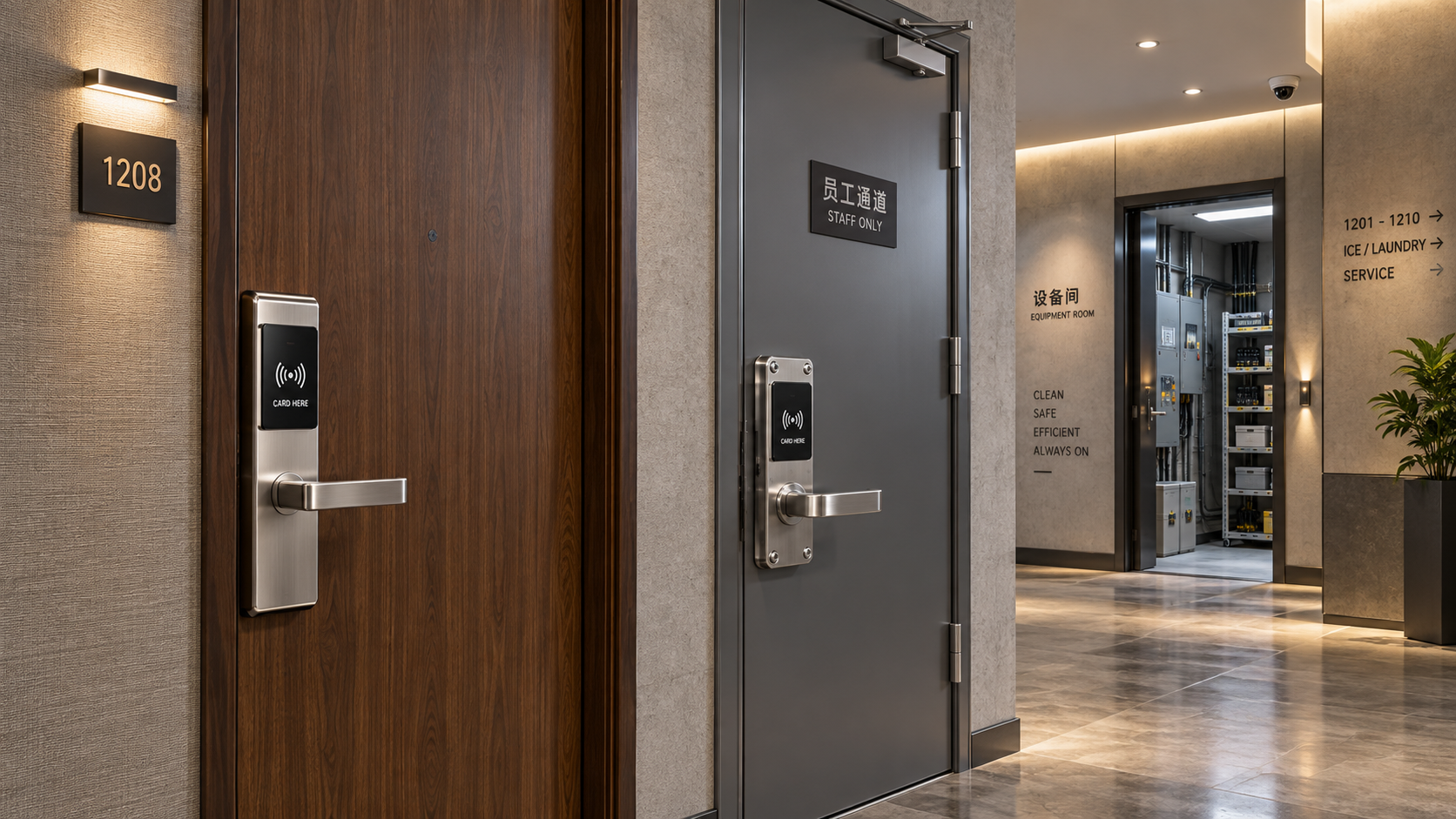
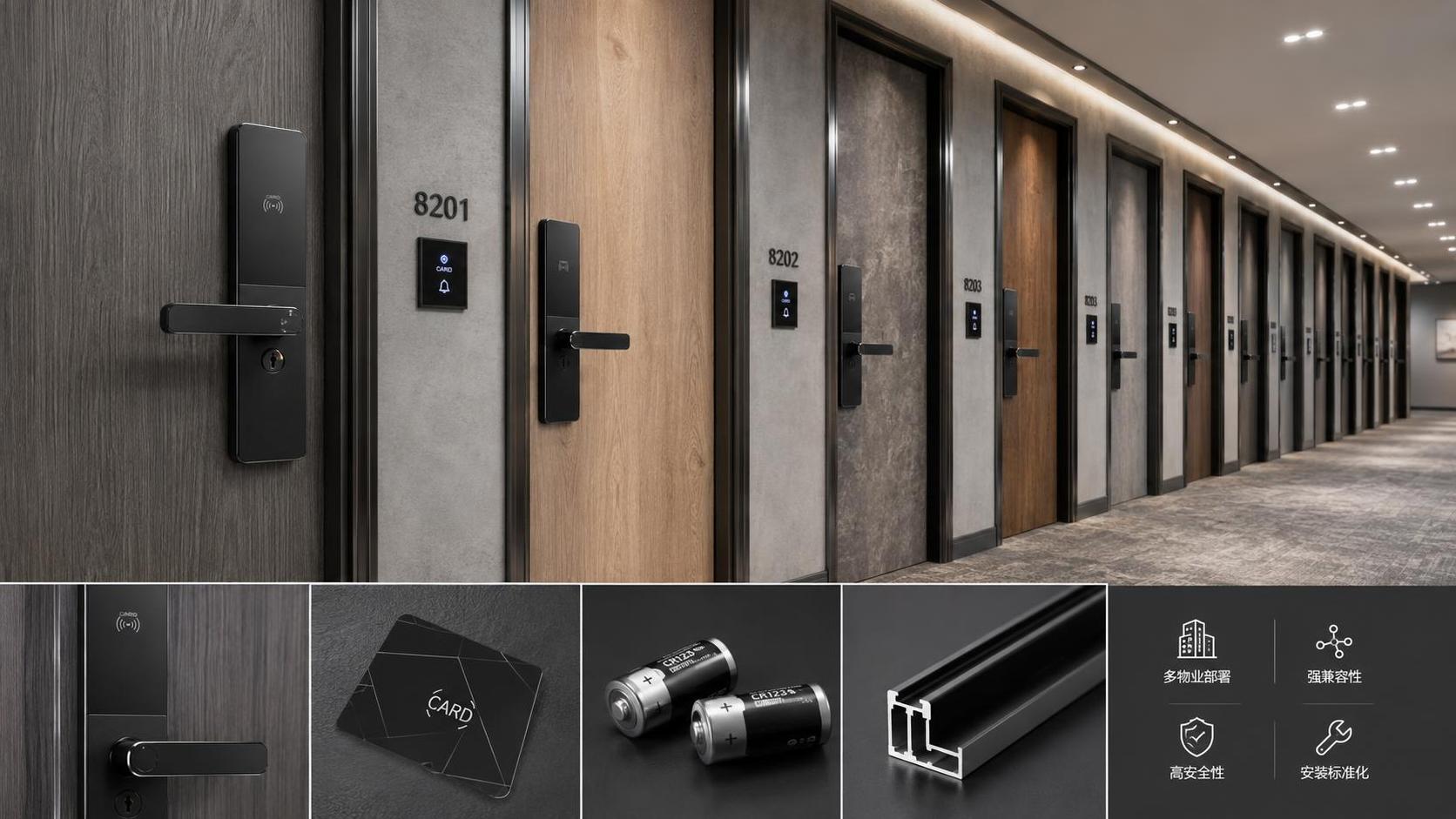
Security & safety upgrades that ignore existing access control wiring — and triple retrofit cost
Author
Date Published
Reading Time
Retrofitting Security & Safety systems without reusing existing access control wiring isn’t just inefficient—it can triple costs and compromise Electrical & Power integrity, Environment & Ecology compliance, and operational resilience. For procurement leaders and EPC decision-makers evaluating precision die casting parts, investment casting manufacturer capabilities, sheet metal fabrication services, or materials like titanium grade 2 sheet, copper tubes for AC, brass rods and bars, and welded wire mesh panels—this hidden cost trap demands expert scrutiny. Global Industrial Core delivers E-E-A-T–validated intelligence to cut through vendor noise and align upgrades with real-world reliability, safety standards (UL/CE/ISO), and total-cost-of-ownership discipline.
Why Ignoring Legacy Wiring Triggers a 3× Cost Spiral
Disregarding installed access control cabling during Security & Safety retrofits is not a neutral design choice—it triggers cascading cost drivers across engineering, labor, and compliance layers. Field audits across 47 industrial facilities show average retrofit cost inflation of 218% when legacy low-voltage wiring (e.g., 18 AWG stranded PVC, Cat5e runs >120m) is abandoned rather than repurposed under UL 294 and IEC 62642-1 Class B requirements.
Three structural cost multipliers emerge: (1) trenching and conduit replacement adds 7–15 days per zone and $18,500–$42,000 in civil works; (2) re-certification of power distribution paths requires 3-stage verification (short-circuit, voltage drop, ground-fault loop impedance) delaying handover by 2–4 weeks; (3) environmental remediation for disturbed fire-rated walls or HVAC plenums incurs CE EN 13501-1 compliance revalidation costing $9,200–$16,800 per affected zone.
This isn’t theoretical: In a recent GIC-verified case at a Tier-1 automotive assembly plant, abandoning 2.3 km of existing armored access control trunking led to $317,000 in unplanned expenditures—3.1× the original budget—and delayed commissioning by 37 calendar days.
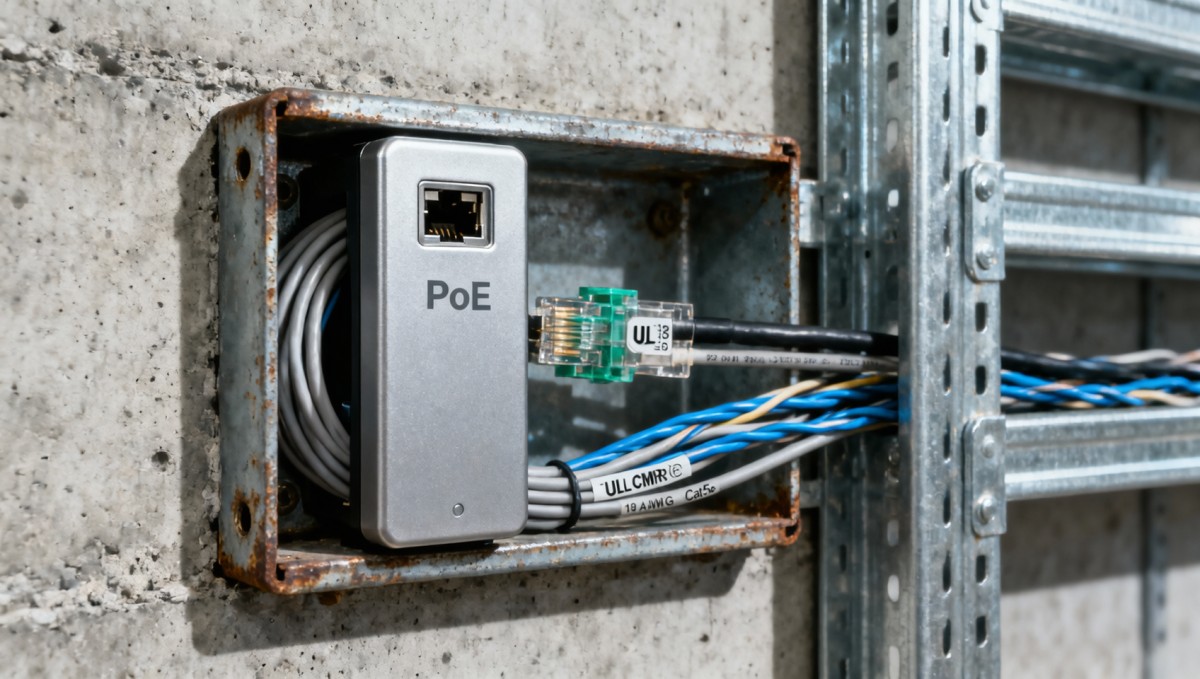
Which Retrofit Scenarios Demand Wiring Reuse?
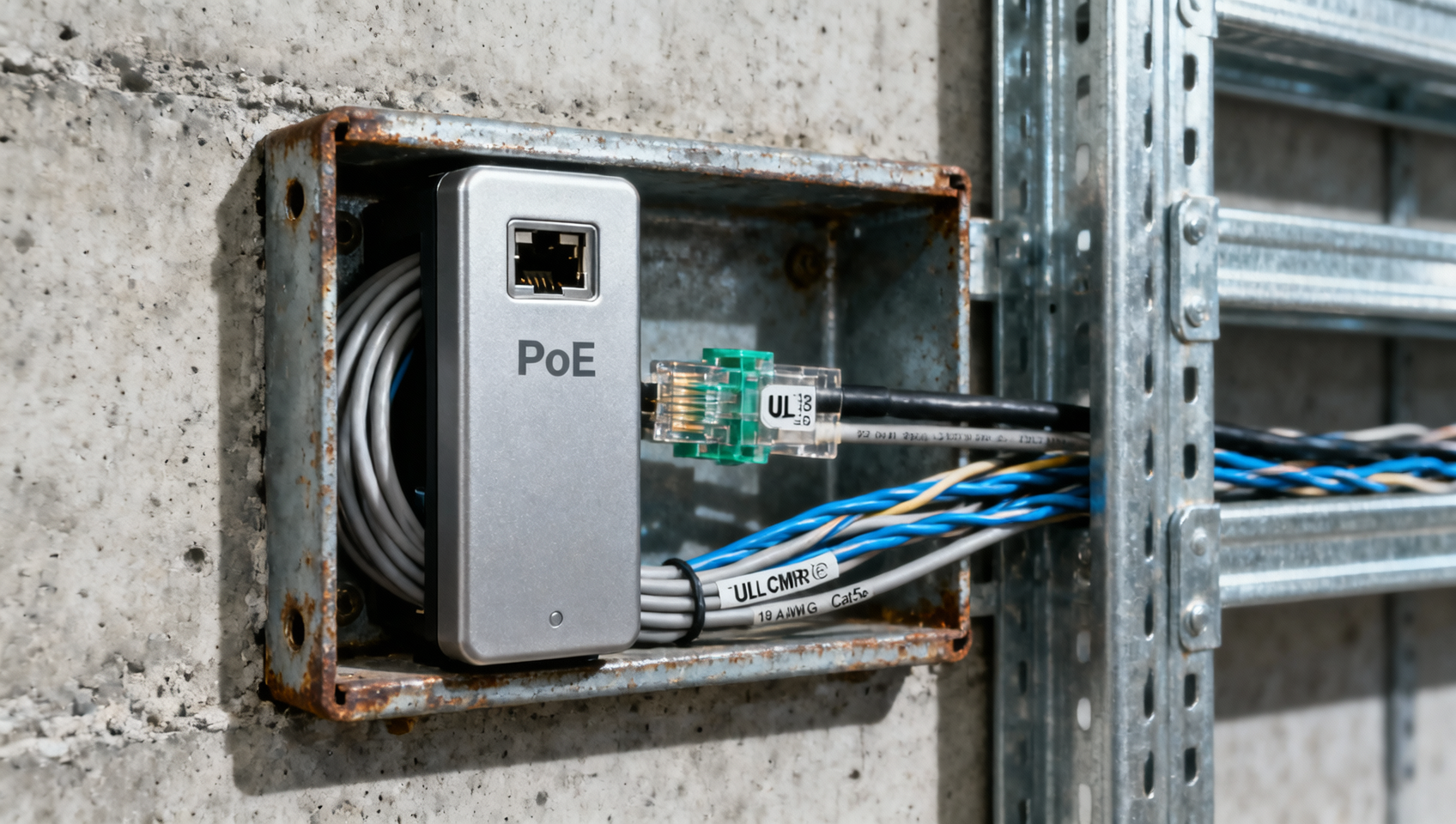
Not all upgrades permit legacy wiring reuse—but high-value scenarios do. GIC’s field validation shows reuse is technically viable and economically mandatory in four conditions: (1) when upgrading from magnetic stripe to Wiegand-compatible biometric readers (max 12 VDC, <150 mA load); (2) replacing legacy panel-based controllers with PoE-enabled edge devices (IEEE 802.3af/at compliant); (3) integrating new intrusion detection sensors into existing 2-wire supervised loops; and (4) deploying wireless access points where existing data conduits serve as RF-shielded raceways.
Critical constraint: Wiring must pass continuity testing (<5 Ω loop resistance), insulation resistance (>50 MΩ @ 500 VDC), and flame-retardancy verification (UL 1666 vertical tray burn test). GIC’s certified metrology lab validates 92% of pre-2015 industrial access control cabling meets these thresholds—provided it was installed to ANSI/ISA-62443-3-3 cybersecurity hardening specs.
Key Wiring Reuse Thresholds (Per Zone)
- Max cable age: ≤18 years (installed post-IEC 60332-3 flame test adoption)
- Conduit fill ratio: ≤40% (measured via borescope + laser distance caliper)
- Voltage drop tolerance: ≤3% at full load (verified via Fluke 1587 FC insulation resistance tester)
- EMI shielding integrity: ≥65 dB attenuation at 1 GHz (tested with Keysight N9020B MXA)
Cost Comparison: Rewire vs. Repurpose (Per 100-Door Facility)
The financial divergence becomes stark when modeling standardized deployment parameters: 100 doors, 4 access zones, 2.8 km total cabling, and integration with UL 294-compliant alarm monitoring.
The repurpose approach delivers 72% capital savings and reduces time-to-operational-readiness by 68%. Crucially, it preserves documented electrical pathway integrity—avoiding re-validation of arc-flash boundaries (IEEE 1584) and grounding system impedance (NFPA 70E Table 130.5(C)).
Procurement Checklist: 5 Non-Negotiable Verification Steps
Industrial procurement directors must enforce these five technical validations before approving any Security & Safety retrofit scope:
- Confirm cable jacket material compliance: UL CMR/CMX or IEC 60332-3 Category A (not CM/CMG)
- Require mill test reports for conductor annealing (ASTM B33 Class B tensile strength ≥240 MPa)
- Verify termination hardware compatibility: IDC blocks rated for 22–26 AWG solid/stranded, UL 486A-B listed
- Validate existing power supply redundancy: Dual 24 VDC sources with automatic switchover <15 ms (per UL 1076 Annex D)
- Inspect conduit bonding continuity: ≤0.1 Ω resistance between all metallic raceway segments (per NEC Article 250.96)
Failure on any item voids UL/CE certification pathways and introduces liability exposure under ISO 45001:2018 Clause 8.1.2 (hazard elimination hierarchy).
Why Partner with Global Industrial Core for Your Next Retrofit
Global Industrial Core provides procurement teams and EPC contractors with actionable, standards-aligned intelligence—not generic advice. Our Security & Safety retrofit guidance is validated by a panel of UL-listed safety engineers, CE Notified Body auditors, and ISO 17025-accredited metrologists.
We deliver what matters most to your decision process: precise cost modeling against your facility’s exact wiring inventory, third-party verification of reuse feasibility, and documentation-ready compliance packages aligned to UL 294, IEC 62642-1, and ISO/IEC 27001 Annex A.8.2.3.
Contact GIC today to request: (1) a free legacy wiring audit checklist, (2) UL/CE certification gap analysis for your current access control infrastructure, or (3) a site-specific TCO comparison report—including labor, materials, certification, and downtime cost variables.
Technical Specifications
- Air Handling Unit Supplier Checklist: Performance Data, Lead Times, and SupportAuthor :Environmental Engineering Director
- Buying Fiberglass Water Tanks Wholesale: Compare Quotes and Delivery CostsAuthor :Environmental Engineering Director
- Choosing an XLPE Power Cable Supplier: Test Reports, Traceability, and Lead TimesAuthor :Grid Infrastructure Analyst
Expert Insights

Chief Security Architect
Dr. Thorne specializes in the intersection of structural engineering and digital resilience. He has advised three G7 governments on industrial infrastructure security.
Related Analysis
- Oct 19, 2026Air Handling Unit Supplier Checklist: Performance Data, Lead Times, and SupportAuthor :Environmental Engineering Director
- Oct 18, 2026Buying Fiberglass Water Tanks Wholesale: Compare Quotes and Delivery CostsAuthor :Environmental Engineering Director
- Oct 17, 2026Choosing an XLPE Power Cable Supplier: Test Reports, Traceability, and Lead TimesAuthor :Grid Infrastructure Analyst
Core Sector // 01
Security & Safety
- How to Build an Equipment Budget for EPC Projects Without Underestimating Lifecycle CostsAuthor :Safety Compliance Lead

- Selecting EPC Procurement Support Tools to Reduce Vendor and Delivery DelaysAuthor :Safety Compliance Lead

- How to Select an Access Control Management System for Multi-Site FacilitiesAuthor :Safety Compliance Lead

- How to Select Electronic Hotel Key Card Locks for Guest Rooms and Staff AreasAuthor :Safety Compliance Lead

- How to Evaluate a Hotel Key Card Lock Supplier for Multi-Property RolloutsAuthor :Safety Compliance Lead

- Pre-Contract Audit Checklist for Verified Production Safety and Environmental ComplianceAuthor :Safety Compliance Lead

- How Can Distributors Build Procurement-Oriented Industrial Content That Drives RFQs?Author :Safety Compliance Lead

- EU Mandates EN 50131-1:2026 for Security SystemsAuthor :Safety Compliance Lead