What Makes a Security & Safety Supplier Reliable Long Term?
Author
Date Published
Reading Time
Choosing a reliable Security & Safety supplier is a long-term risk management decision, not just a purchasing task. For enterprise leaders, the right partner must prove compliance, product consistency, technical support, and supply chain resilience over time.
This article explains the practical indicators that separate dependable suppliers from short-term vendors in mission-critical industrial environments, helping decision-makers reduce operational risk and make better sourcing choices.
Why Reliability Matters More Than Price in Security & Safety Procurement
When companies source security and safety systems, they are not simply buying products. They are buying uptime protection, workforce safety, compliance continuity, and a supplier’s ability to perform under pressure.
For enterprise decision-makers, the real cost of a poor supplier rarely appears on the quotation sheet. It shows up later through failed audits, delayed projects, inconsistent quality, replacement costs, and avoidable incidents.
A reliable Security & Safety supplier protects business continuity over multiple years. That means the supplier must remain dependable through specification changes, expansion projects, maintenance cycles, and external disruptions.
In industrial settings, long-term reliability is especially important because safety equipment often supports critical operations. If systems fail, the result may include legal exposure, shutdowns, reputational damage, and direct human risk.
This is why experienced buyers evaluate suppliers less like vendors and more like strategic risk partners. Price matters, but reliability, support capability, and evidence of performance matter more over the asset lifecycle.
What Enterprise Buyers Are Actually Trying to Confirm
Most business leaders searching this topic are not looking for a generic supplier checklist. They want to know how to identify a partner that will still be trustworthy after the first order is delivered.
The central question is simple: can this supplier consistently support our safety and security requirements over time, across sites, audits, emergencies, and procurement cycles?
To answer that, buyers usually focus on five concerns. First, whether the supplier truly meets required standards. Second, whether product quality remains stable. Third, whether support is technically competent and responsive.
Fourth, they want confidence that the supplier can continue delivering despite shortages, geopolitical pressures, or logistics disruptions. Fifth, they want proof that the relationship will create fewer problems, not more.
These concerns are practical, not theoretical. Decision-makers are accountable for budget, risk, project delivery, and compliance. They need supplier selection criteria that stand up to board-level scrutiny and procurement governance.
Compliance Is the First Gate, Not the Final Proof
Any supplier can claim quality. Reliable suppliers can document it clearly, repeatedly, and in the exact form enterprise buyers need. That starts with recognized compliance, certifications, and traceable technical documentation.
For security and safety procurement, buyers should verify whether products and manufacturing processes align with relevant standards such as CE, UL, ISO, or sector-specific regulatory requirements in target markets.
However, certifications alone do not prove long-term reliability. A certificate may confirm a baseline, but it does not automatically show how the supplier handles design updates, lot consistency, field failures, or change control.
What matters is whether compliance is embedded into the supplier’s operating model. Strong suppliers maintain current documentation, testing records, revision histories, and quality procedures that can withstand audits without confusion.
They also understand regional compliance differences. A supplier serving global industrial buyers should be able to explain what changes are required for different jurisdictions, applications, and installation conditions.
If a supplier becomes vague when asked for test reports, material traceability, or product lifecycle documents, that is often a signal that reliability may be weak behind the sales presentation.
Consistency Across Batches and Over Time Is a Core Reliability Signal
Long-term trust depends on consistency. Enterprise buyers do not just need one successful shipment. They need confidence that the hundredth shipment will match the first in performance, tolerance, and documentation quality.
This is especially important when safety products are standardized across multiple facilities. Inconsistent components create maintenance complexity, training issues, inventory inefficiency, and uncertainty during inspections or emergency response.
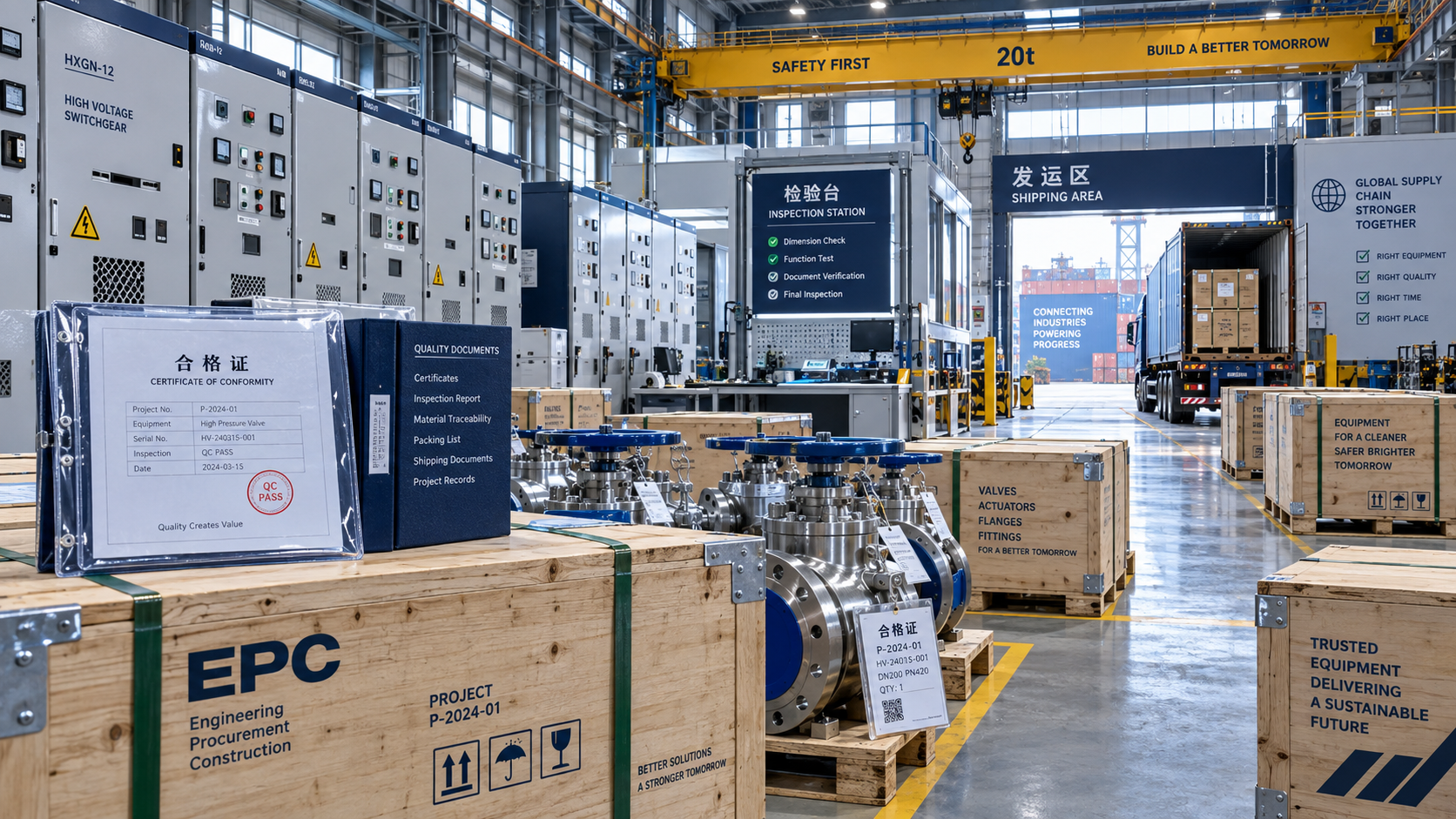
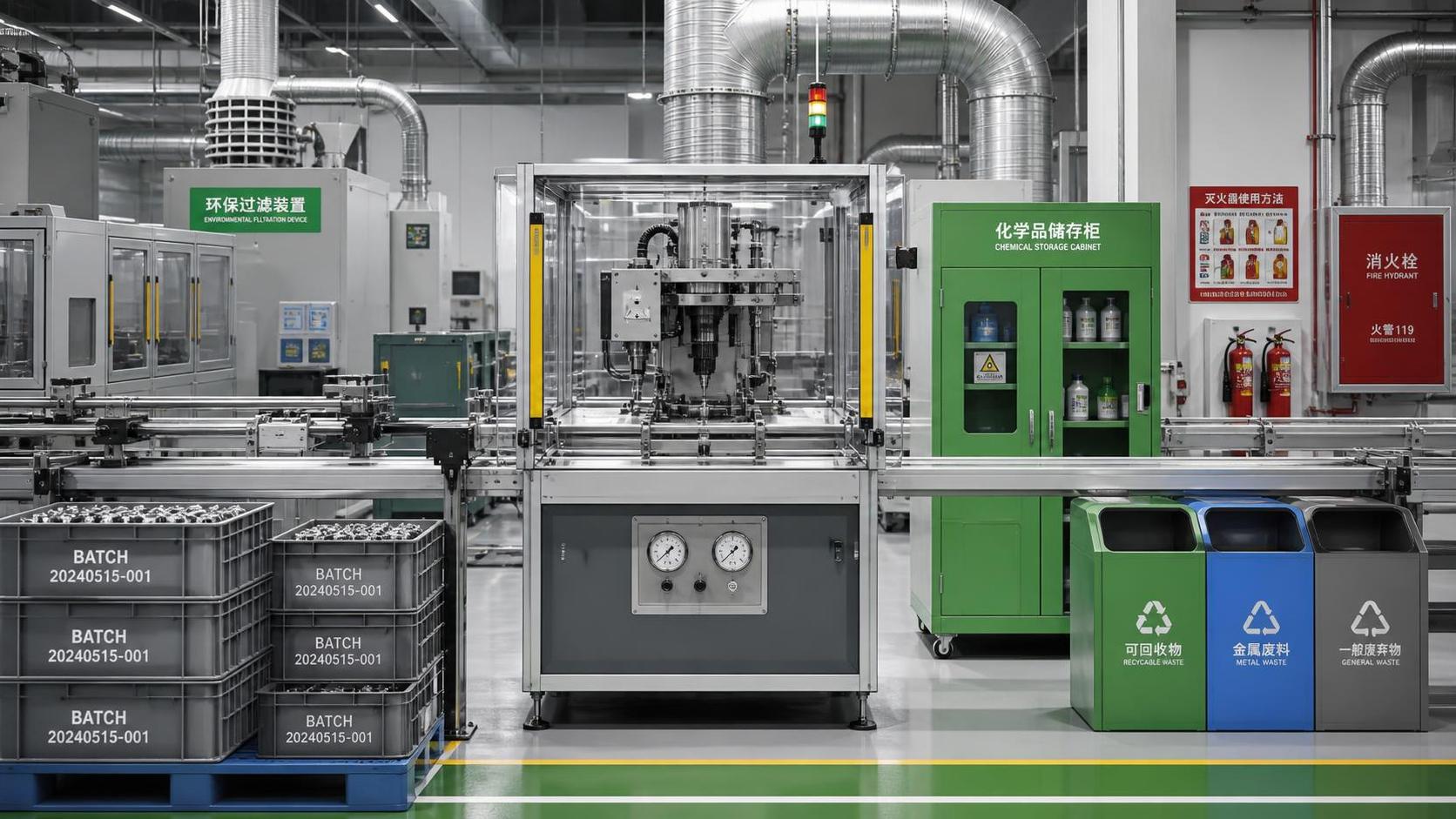
A reliable Security & Safety supplier should be able to explain how quality is controlled across raw materials, production lots, incoming inspection, final testing, packaging, and shipment release.
Ask for evidence, not promises. Useful indicators include batch traceability, failure rate data, corrective action records, quality audit outcomes, and examples of how nonconformities are identified and resolved.
Suppliers with mature systems usually welcome these questions. They know serious buyers need proof. Less reliable vendors often redirect the conversation toward price or brand image instead of operational evidence.
Over time, consistency reduces hidden cost. It lowers installation rework, simplifies maintenance planning, shortens approval cycles, and improves confidence among EHS teams, engineers, and procurement stakeholders.
Technical Support Quality Often Predicts Relationship Quality
Products matter, but support capability often determines whether a supplier remains valuable after the contract is signed. Long-term reliability depends heavily on what happens when requirements change or problems emerge.
Enterprise buyers should assess whether the supplier has real technical depth or only commercial coverage. Can they interpret specifications correctly? Can they advise on application fit, integration, and compliance implications?
Strong suppliers provide pre-sales clarity and post-sales accountability. They help define suitable configurations, support commissioning, respond to technical queries, and handle field issues with urgency and structure.
This matters because industrial environments are rarely static. Site conditions shift, regulations evolve, equipment interfaces change, and expansion projects create new demands. A dependable supplier adapts without creating confusion.
One of the clearest warning signs is slow, generic, or evasive communication during technical discussions. If support is weak before the order, it is unlikely to improve when a warranty issue or urgent replacement occurs.
By contrast, reliable suppliers document recommendations, escalate issues properly, and maintain continuity between sales, engineering, quality, and customer service teams. That coordination is a major trust signal for decision-makers.
Supply Chain Resilience Separates Short-Term Vendors from Strategic Partners
Many suppliers appear reliable during stable periods. The real test comes during disruption. Long-term dependability requires the ability to maintain supply, transparency, and service when markets become unpredictable.
Business leaders should examine where products are manufactured, how critical inputs are sourced, what inventory strategies are used, and whether alternate production or logistics pathways exist.
A capable supplier should be prepared to discuss lead-time risk, dual sourcing, safety stock policies, export exposure, and contingency plans. They should not wait until delays occur to explain structural vulnerabilities.
For industrial buyers, supply interruptions in safety-related categories are especially serious. Delays can halt projects, postpone inspections, disrupt maintenance schedules, or leave sites exposed to operational risk.
Reliability therefore includes visibility. Good suppliers communicate clearly about constraints, substitutions, and forecast requirements. They help customers plan ahead instead of forcing last-minute reactions.
If a supplier cannot provide realistic lead-time discipline, planning transparency, or escalation pathways during shortages, they may be suitable for transactional purchases but not for long-term strategic sourcing.
Past Performance and Market Reputation Still Matter
Long-term reliability is easier to trust when it has already been demonstrated in comparable environments. Buyers should ask where the supplier’s products are currently deployed and how they perform in similar industries.
Relevant references are more valuable than broad claims. A supplier serving industrial plants, infrastructure projects, energy facilities, or regulated manufacturing environments has stronger credibility than one with only light commercial experience.
Case studies can be useful if they include specifics such as application conditions, compliance scope, implementation timeline, and measurable outcomes. Generic marketing stories provide little decision value.
It is also worth checking whether the supplier has maintained long relationships with demanding customers. Retention often reveals more than acquisition because enterprise clients usually replace weak suppliers over time.
External reputation helps too, but it should be interpreted carefully. Reviews, distribution networks, and online presence can support credibility, yet verified project history and customer references remain more decisive.
For board-level or multi-site procurement decisions, documented performance history often becomes the bridge between internal caution and approval confidence.
Total Cost of Ownership Is a Better Metric Than Unit Price
Decision-makers often face pressure to justify price differences between suppliers. The most effective way is to shift evaluation from purchase price to total cost of ownership over the product and service lifecycle.
A lower-cost supplier may become more expensive if they create installation delays, frequent replacements, weak technical support, inconsistent compliance documents, or emergency freight costs during shortages.
By contrast, a reliable Security & Safety supplier may deliver better long-term economics through lower failure rates, smoother audits, longer service life, and fewer operational interruptions.
Enterprise buyers should compare suppliers using business metrics that leadership understands: downtime risk, maintenance burden, incident exposure, project predictability, administrative workload, and lifecycle replacement frequency.
This approach is especially persuasive in critical environments where one failed component or unavailable replacement can affect production, contractor schedules, or workforce safety obligations.
Reliable suppliers create measurable value not only by delivering products, but by reducing uncertainty across operations, compliance, and asset management.
Practical Questions to Ask Before Approving a Supplier
To make supplier assessment more rigorous, decision-makers should use a structured review process. The goal is to verify whether the supplier can perform consistently, not simply whether they can win a quotation round.
Useful questions include: Which certifications apply to this product and site? How is traceability maintained? What are your average lead times and disruption contingencies? How are field failures investigated?
Also ask: Who provides technical support after purchase? What documentation is included with each shipment? How are product changes communicated? Can you share references from similar industrial applications?
For strategic categories, request sample documentation, quality records, escalation procedures, and service-level expectations before contract award. Reliable suppliers are usually prepared for that level of scrutiny.
Internally, procurement, engineering, operations, and EHS teams should align on evaluation criteria. Long-term supplier reliability is cross-functional, so approval decisions should not rely on price analysis alone.
A disciplined review process reduces the chance of selecting a vendor that looks competitive initially but creates avoidable risk later.
How to Recognize a Supplier Built for Long-Term Partnership
The most dependable suppliers share several traits. They communicate clearly, document thoroughly, respond consistently, and understand the operational consequences of failure in industrial environments.
They do not hide behind generic claims. Instead, they provide evidence, explain limitations honestly, and collaborate on practical solutions that balance compliance, performance, availability, and cost.
They also invest in relationship durability. That means stable account management, technical continuity, proactive planning, and a willingness to support customers beyond the first transaction.
For enterprise leaders, this kind of supplier is not just a source of equipment. They become a risk-reduction asset that strengthens resilience across projects, audits, maintenance programs, and expansion plans.
In contrast, suppliers that compete only on price, avoid technical detail, or fail to demonstrate operational discipline may still serve short-term needs, but they rarely support mission-critical programs well over time.
Conclusion: Reliability Must Be Proven, Not Promised
What makes a Security & Safety supplier reliable long term is not a single certificate, low price, or polished sales pitch. It is the proven ability to deliver compliant products, stable quality, responsive support, and resilient supply over time.
For enterprise decision-makers, the smartest choice is usually the supplier that reduces uncertainty across the full lifecycle, even if they are not the cheapest option at the start.
When evaluating partners, focus on evidence of consistency, technical competence, audit readiness, and disruption preparedness. Those factors are what truly separate strategic suppliers from short-term vendors.
In high-stakes industrial environments, reliability is not an added benefit. It is the foundation of safe operations, stronger governance, and better long-term business performance.
Technical Specifications
- Air Handling Unit Supplier Checklist: Performance Data, Lead Times, and SupportAuthor :Environmental Engineering Director
- Buying Fiberglass Water Tanks Wholesale: Compare Quotes and Delivery CostsAuthor :Environmental Engineering Director
- Choosing an XLPE Power Cable Supplier: Test Reports, Traceability, and Lead TimesAuthor :Grid Infrastructure Analyst
Expert Insights

Chief Security Architect
Dr. Thorne specializes in the intersection of structural engineering and digital resilience. He has advised three G7 governments on industrial infrastructure security.
Related Analysis
- Oct 19, 2026Air Handling Unit Supplier Checklist: Performance Data, Lead Times, and SupportAuthor :Environmental Engineering Director
- Oct 18, 2026Buying Fiberglass Water Tanks Wholesale: Compare Quotes and Delivery CostsAuthor :Environmental Engineering Director
- Oct 17, 2026Choosing an XLPE Power Cable Supplier: Test Reports, Traceability, and Lead TimesAuthor :Grid Infrastructure Analyst
Core Sector // 01
Security & Safety
- How to Build an Equipment Budget for EPC Projects Without Underestimating Lifecycle CostsAuthor :Safety Compliance Lead

- Selecting EPC Procurement Support Tools to Reduce Vendor and Delivery DelaysAuthor :Safety Compliance Lead

- How to Select an Access Control Management System for Multi-Site FacilitiesAuthor :Safety Compliance Lead

- How to Select Electronic Hotel Key Card Locks for Guest Rooms and Staff AreasAuthor :Safety Compliance Lead

- How to Evaluate a Hotel Key Card Lock Supplier for Multi-Property RolloutsAuthor :Safety Compliance Lead

- Pre-Contract Audit Checklist for Verified Production Safety and Environmental ComplianceAuthor :Safety Compliance Lead

- How Can Distributors Build Procurement-Oriented Industrial Content That Drives RFQs?Author :Safety Compliance Lead

- EU Mandates EN 50131-1:2026 for Security SystemsAuthor :Safety Compliance Lead