How to verify a reliable Security & Safety supplier
Author
Date Published
Reading Time
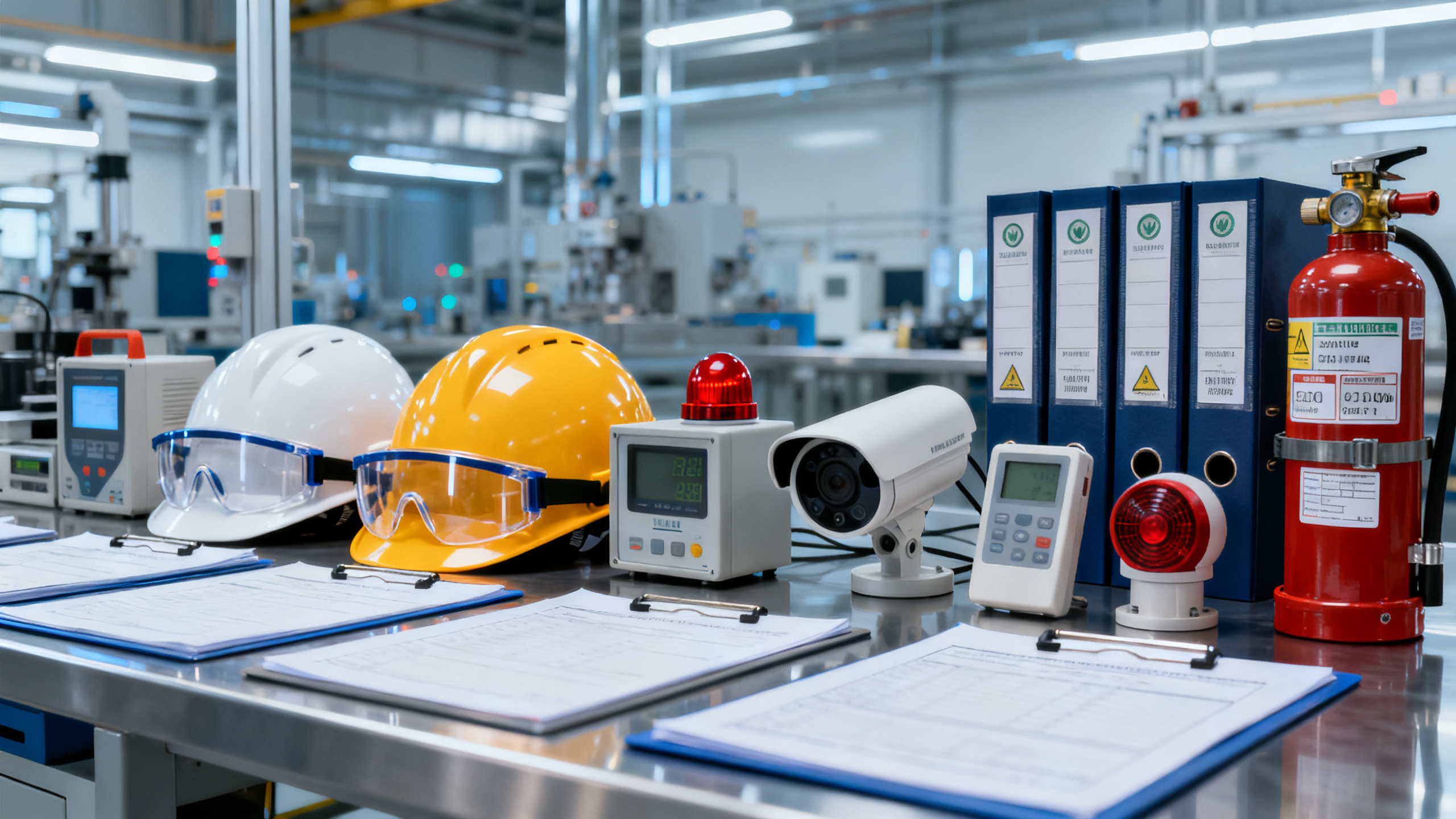
Choosing a reliable Security & Safety supplier is a high-impact decision for any industrial operation. Product failure can trigger injuries, shutdowns, penalties, and reputational damage.
A dependable Security & Safety supplier supports compliance, stable product quality, and predictable delivery. Strong verification also improves lifecycle value, not only purchase price.
This guide explains how to verify a reliable Security & Safety supplier through certifications, factory controls, testing records, service capability, and commercial risk checks.
What defines a reliable Security & Safety supplier?
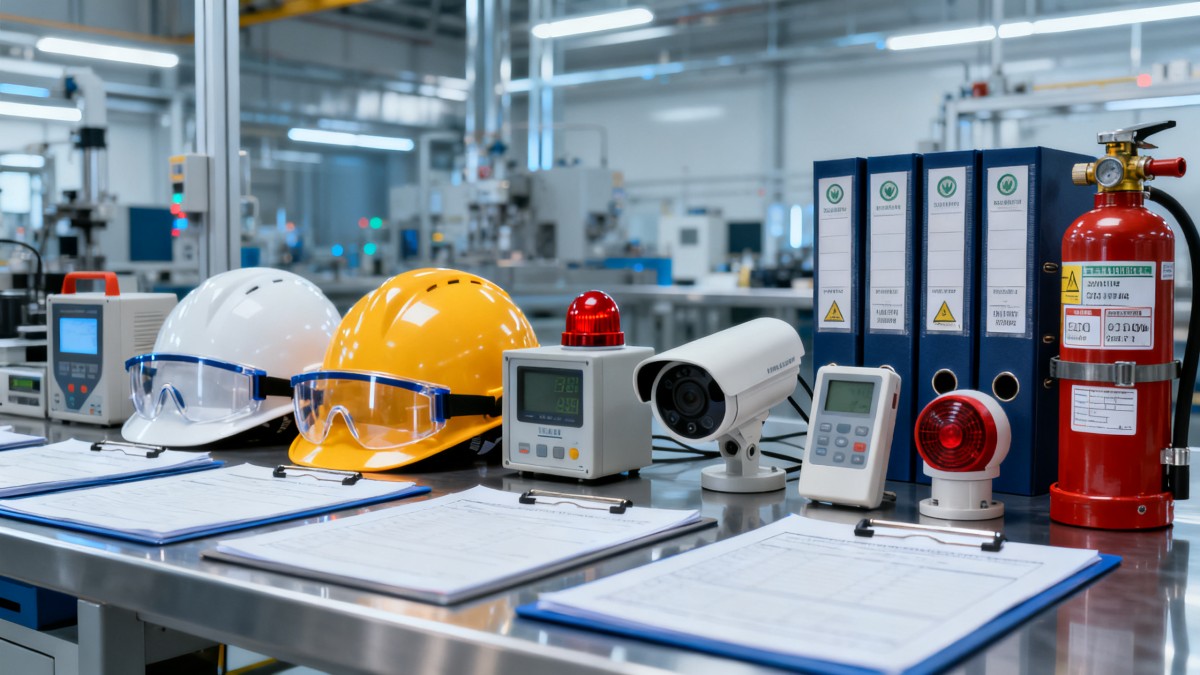
A reliable Security & Safety supplier consistently delivers compliant, traceable, and fit-for-purpose products. Reliability means proof, not claims on a brochure or website.
In industrial environments, safety equipment often includes PPE, emergency lighting, fire protection parts, surveillance devices, alarm systems, lockout products, and site warning solutions.
The right Security & Safety supplier should demonstrate stable manufacturing controls, documented testing, fast issue resolution, and knowledge of international standards.
Basic indicators usually include CE, UL, ISO 9001, ISO 45001, RoHS where relevant, and product-specific reports from recognized laboratories.
However, certificates alone are not enough. A reliable Security & Safety supplier also maintains batch consistency, serial traceability, and clear technical documentation.
Key traits to confirm early
- Valid certifications tied to exact models
- Quality control records and inspection procedures
- Traceable lot numbers and material references
- Stable export history in regulated markets
- Clear warranty, replacement, and recall process
Which documents should you request from a Security & Safety supplier?
Document review is the fastest way to filter weak suppliers. It also reveals whether a Security & Safety supplier understands regulated industrial procurement.
Start with legal business registration, export credentials, and factory identity. Then move to quality systems, product certificates, test reports, and technical files.
Core verification documents
Ask the Security & Safety supplier to send documents in editable, readable form. Blurred scans, expired reports, or inconsistent model numbers are warning signs.
For critical items, confirm certificates directly with the issuing body. Many fraudulent files use real logos but false report numbers.
How can you evaluate manufacturing and quality consistency?
A reliable Security & Safety supplier does not only pass one sample test. It maintains repeatable output across batches, materials, shifts, and subcontracted processes.
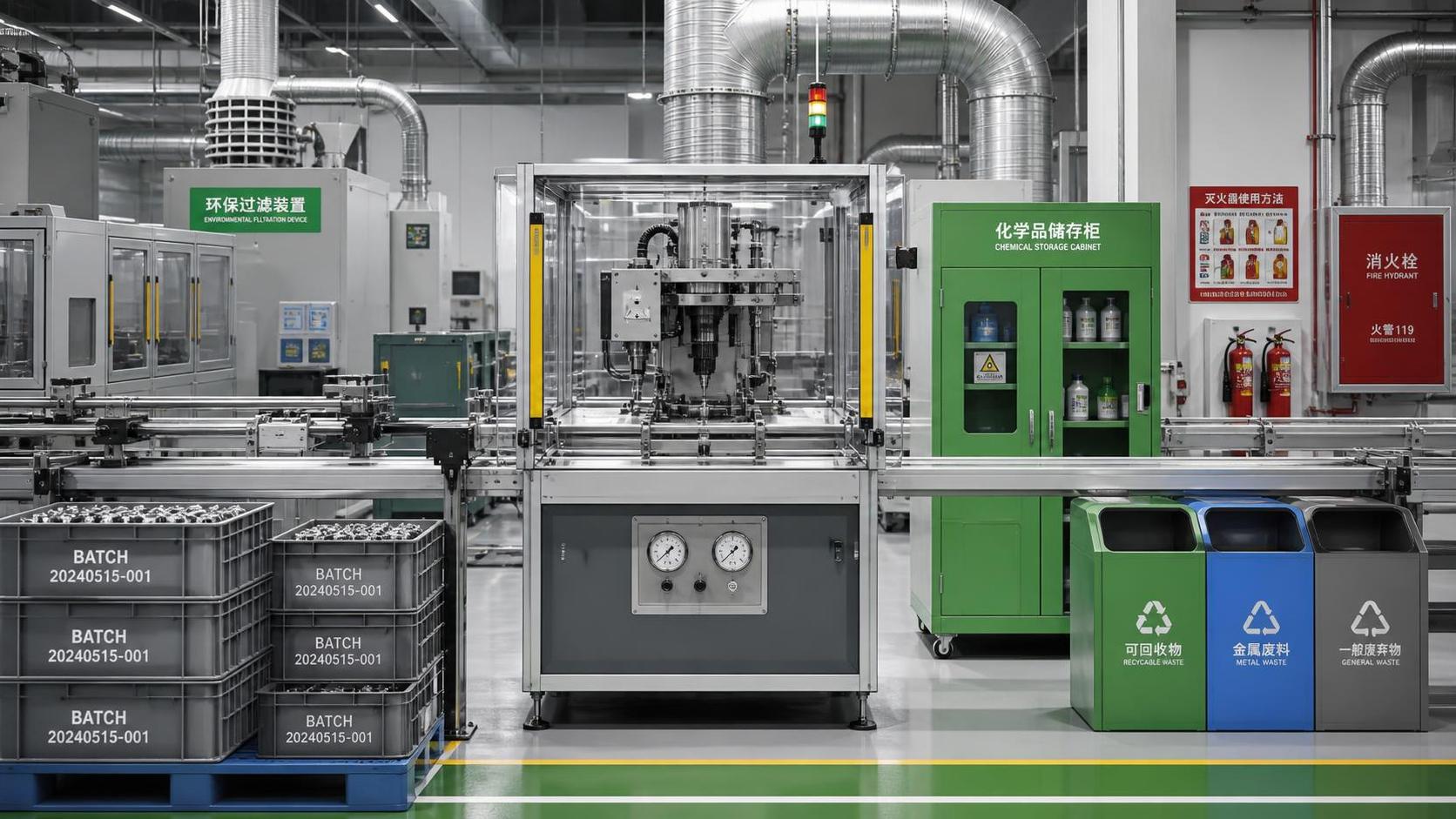
Request a factory audit, video walkthrough, or third-party inspection. Visual evidence often reveals layout discipline, calibration control, and storage practices.
Areas worth checking during an audit
- Incoming material inspection and approved supplier lists
- Calibration status of test instruments
- Standard operating procedures at each station
- Nonconformance handling and corrective actions
- Packaging methods for moisture, impact, or tamper protection
If the Security & Safety supplier uses subcontractors, ask which processes are outsourced. Critical steps like molding, wiring, firmware loading, or coating need controls.
Sampling should reflect actual production. A golden sample is useful, but pilot batches and retained samples provide stronger confidence.
It is also wise to request defect rate history, customer complaint trends, and corrective action examples. Mature suppliers answer with data, not vague assurances.
How do you compare suppliers beyond price?
Low unit cost can hide large operational exposure. A Security & Safety supplier should be evaluated on total landed risk, service burden, and compliance certainty.
A slightly higher-priced supplier may reduce rework, downtime, failed inspections, and replacement frequency. That difference often matters more than initial savings.
Practical supplier comparison criteria
A scorecard helps compare each Security & Safety supplier fairly. Weight compliance and consistency more heavily than marketing polish or aggressive pricing.
What common red flags suggest a Security & Safety supplier is unreliable?
Some warning signs appear early. Others emerge during samples, certification review, or negotiation. Ignoring them can create preventable safety and procurement problems.
Red flags to watch carefully
- Certificates do not match model numbers or specifications
- Test reports are outdated or from unknown laboratories
- No clear answer about raw material origin
- Frequent changes in quotation, terms, or contact person
- Reluctance to allow audits or third-party inspections
- Samples perform well, but mass production details remain unclear
Another serious issue is over-broad product coverage. If a Security & Safety supplier claims expertise in everything, specialization may actually be weak.
Industrial safety products often require focused engineering knowledge. Depth in selected categories is usually more trustworthy than unlimited catalog size.
How should you validate after-sales support and long-term supply security?
Verification should continue after technical approval. A reliable Security & Safety supplier must support installation, warranty claims, spare parts, and future compliance updates.
Ask for response commitments, escalation contacts, and replacement procedures. Delayed support can turn a minor issue into a major operational interruption.
Questions that reveal service maturity
- How are field failures reported and analyzed?
- What spare stock is maintained for critical models?
- Can obsolete items be replaced by validated equivalents?
- How fast are technical drawings or declarations updated?
Commercial resilience matters too. Review payment terms, insurance, export routes, and business continuity planning. A strong Security & Safety supplier prepares for disruptions.
For long-term programs, consider dual-sourcing or approved backup models. This reduces dependence and improves continuity during logistics or regulatory changes.
FAQ: how to verify a Security & Safety supplier step by step?
A dependable Security & Safety supplier earns trust through verifiable systems, not promises. Strong suppliers welcome scrutiny because their processes can withstand it.
Use a structured approach: review documents, confirm certifications, inspect production controls, test batches, and validate support readiness. Each step reduces hidden exposure.
When verification is disciplined, the selected Security & Safety supplier becomes a long-term contributor to compliance, uptime, and safer industrial operations.
For the next step, build a supplier verification checklist tailored to your product category, market standards, and site risk profile. That turns due diligence into repeatable procurement strength.
Technical Specifications
- Air Handling Unit Supplier Checklist: Performance Data, Lead Times, and SupportAuthor :Environmental Engineering Director
- Buying Fiberglass Water Tanks Wholesale: Compare Quotes and Delivery CostsAuthor :Environmental Engineering Director
- Choosing an XLPE Power Cable Supplier: Test Reports, Traceability, and Lead TimesAuthor :Grid Infrastructure Analyst
Expert Insights

Chief Security Architect
Dr. Thorne specializes in the intersection of structural engineering and digital resilience. He has advised three G7 governments on industrial infrastructure security.
Related Analysis
- Oct 19, 2026Air Handling Unit Supplier Checklist: Performance Data, Lead Times, and SupportAuthor :Environmental Engineering Director
- Oct 18, 2026Buying Fiberglass Water Tanks Wholesale: Compare Quotes and Delivery CostsAuthor :Environmental Engineering Director
- Oct 17, 2026Choosing an XLPE Power Cable Supplier: Test Reports, Traceability, and Lead TimesAuthor :Grid Infrastructure Analyst
Core Sector // 01
Security & Safety
- How to Build an Equipment Budget for EPC Projects Without Underestimating Lifecycle CostsAuthor :Safety Compliance Lead

- Selecting EPC Procurement Support Tools to Reduce Vendor and Delivery DelaysAuthor :Safety Compliance Lead

- How to Select an Access Control Management System for Multi-Site FacilitiesAuthor :Safety Compliance Lead

- How to Select Electronic Hotel Key Card Locks for Guest Rooms and Staff AreasAuthor :Safety Compliance Lead

- How to Evaluate a Hotel Key Card Lock Supplier for Multi-Property RolloutsAuthor :Safety Compliance Lead

- Pre-Contract Audit Checklist for Verified Production Safety and Environmental ComplianceAuthor :Safety Compliance Lead

- How Can Distributors Build Procurement-Oriented Industrial Content That Drives RFQs?Author :Safety Compliance Lead

- EU Mandates EN 50131-1:2026 for Security SystemsAuthor :Safety Compliance Lead