Wholesale Metal Detectors: Handheld or Walk Through
Author
Date Published
Reading Time
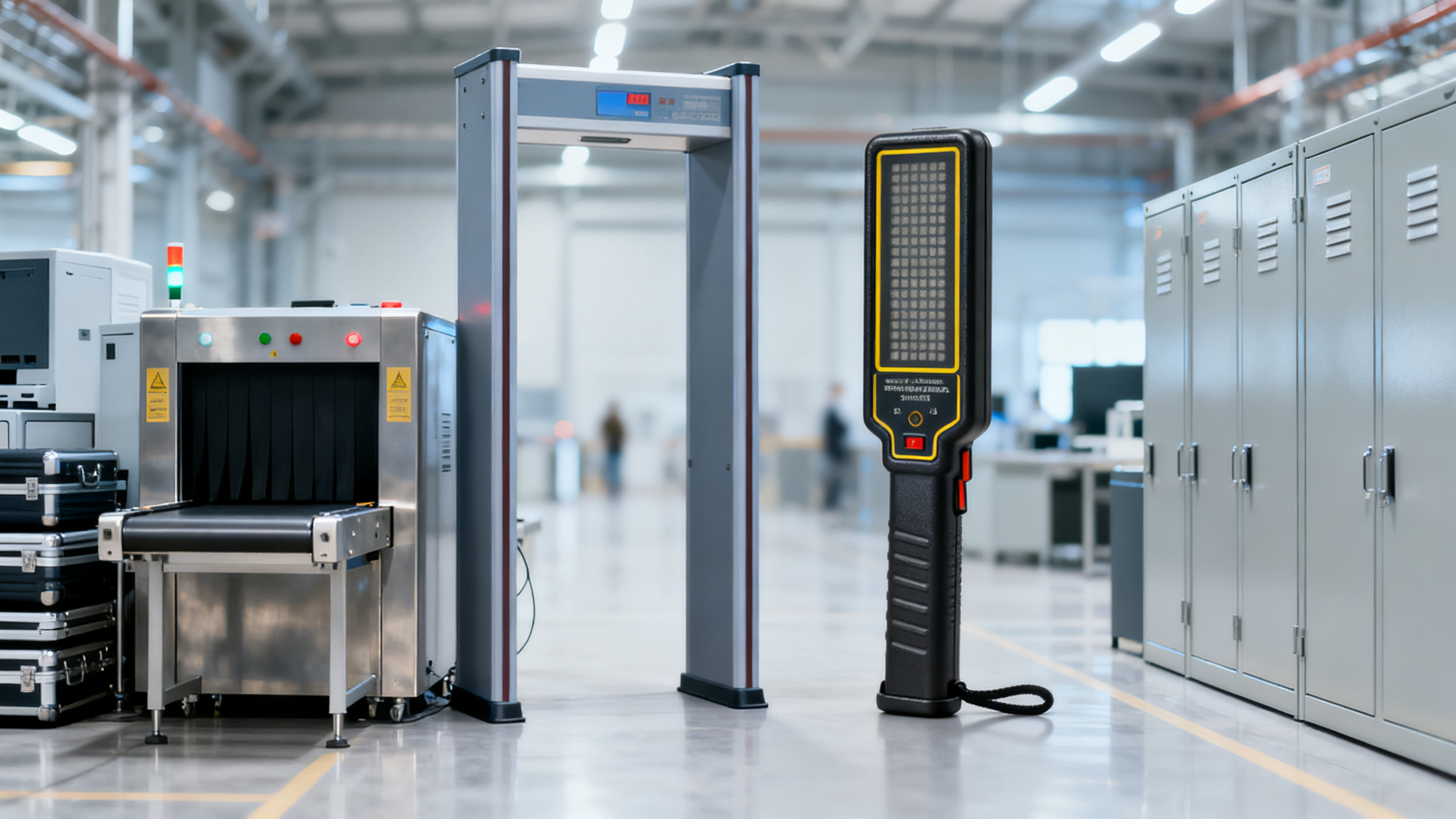
Choosing between handheld and walk-through systems is a key decision for buyers exploring wholesale metal detectors for schools, factories, transport hubs, and events. This guide helps researchers, operators, procurement teams, and decision-makers compare detection accuracy, throughput, deployment cost, and safety integration—while also considering related solutions such as x ray baggage scanners, perimeter intrusion detection, and wholesale security safes for a complete protection strategy.
How do handheld and walk-through metal detectors differ in real procurement terms?
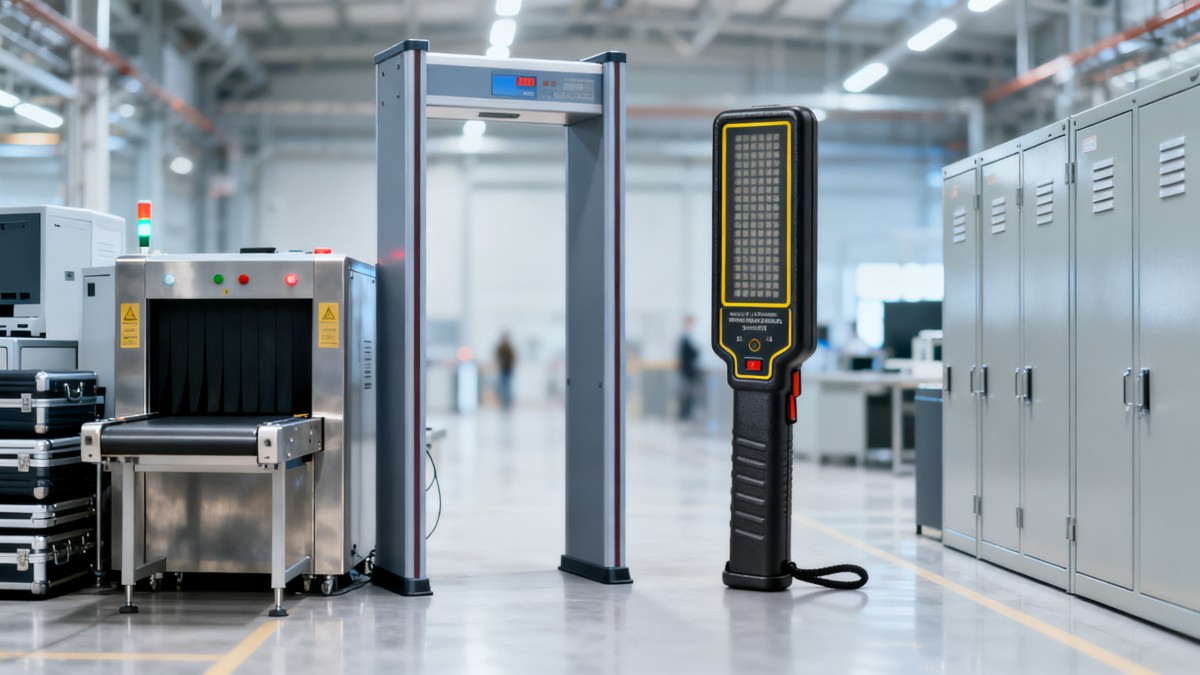
For most B2B buyers, the real question is not which detector is “better,” but which system fits the site’s traffic level, staffing plan, threat profile, and compliance workflow. In wholesale metal detectors procurement, handheld units usually support secondary screening, spot checks, and mobile inspections, while walk-through systems are built for controlled entry points with repeatable screening procedures.
A handheld metal detector is compact, portable, and fast to deploy. It is often selected when daily traffic is low to medium, when inspection points change every few hours, or when budgets must be phased over 1–2 purchasing cycles. Walk-through metal detectors, by contrast, are fixed-position systems that support higher throughput and more standardized screening across a school gate, factory entrance, logistics hub, or stadium lane.
Operators also experience these systems differently. Handheld units depend more on user technique, sweep discipline, and training frequency. Walk-through systems reduce variation between operators, but they require lane design, alarm response rules, and space planning. In industrial and public-facing sites, that difference can affect queue time, staffing needs, and incident response coordination.
Global Industrial Core (GIC) typically advises buyers to define 3 core factors before requesting quotations: expected persons per hour, acceptable false alarm rate, and whether screening is primary or secondary. Without those inputs, price comparisons between wholesale metal detectors can look attractive on paper but fail in real deployment.
Quick comparison for first-stage evaluation
The table below helps procurement teams and end users compare handheld and walk-through metal detectors using decision factors that matter in multi-site purchasing, tender review, and security operations planning.
This comparison shows why many facilities use both systems together. A walk-through unit manages the first screening layer, while a handheld metal detector resolves alarms, checks shoes or cuffs, and reduces lane disruption. For wholesale metal detectors projects, mixed deployment often provides the best balance between control and flexibility.
Which screening scenarios favor handheld units, and when is walk-through the smarter investment?
Application context changes everything. A school with 1 main morning entry surge may need one walk-through lane plus 2–4 handheld detectors for secondary checks. A small warehouse with fewer than 100 screened entries per shift may find that handheld metal detectors meet operational needs without the infrastructure changes required by a fixed gate system.
Factories and industrial compounds often lean toward walk-through systems when they need repeatable control at shift changes, contractor entry, or high-value material zones. In these settings, the concern is not only prohibited items but also loss prevention, tool control, and auditable screening procedures. A fixed screening lane is easier to supervise over 8–12 hour operating windows.
Temporary events, field operations, and mobile security teams usually prefer handheld units because conditions change fast. A security team can reposition screening within minutes, inspect vehicles or personnel selectively, and support perimeter intrusion detection response without redesigning the site. That mobility matters when access points are seasonal or event-driven.
Transport hubs and public buildings often benefit most from layered systems. Walk-through metal detectors handle passenger flow, x ray baggage scanners inspect carried items, and handheld detectors support alarm resolution. When buyers think in layers rather than single devices, procurement decisions become more aligned with actual risk management.
Scenario-based selection table
The next table maps common security environments to the wholesale metal detectors format that usually delivers the strongest operational fit.
For procurement teams, the key lesson is simple: a lower unit price does not always mean a lower operational cost. A handheld-only strategy may require more labor hours, more operator training, and more inconsistent results. A walk-through-only strategy may create unnecessary cost if traffic volume is modest or if checkpoints move frequently.
Practical site questions to ask before purchase
- How many people must be screened in a 15–30 minute peak period, not just over a full day?
- Will screening remain at 1 fixed point, or will access routes change weekly or seasonally?
- Can the site support queue lanes, power supply stability, and alarm response space?
- Will the screening system need to integrate with x ray baggage scanners, CCTV, access control, or security safes for item handling?
What technical and compliance factors should buyers check before comparing wholesale quotes?
In wholesale metal detectors sourcing, technical specifications should be reviewed in relation to the deployment environment, not in isolation. Buyers should ask how sensitivity is adjusted, how many detection zones a walk-through unit supports, what alarm indication methods are available, and how battery life or charging cycles affect handheld usage over a full shift.
Environmental suitability matters as well. Industrial sites may expose equipment to dust, humidity, vibration, and continuous duty cycles of 8–16 hours. If procurement teams ignore these conditions, they may select a detector optimized for light commercial use rather than heavy-duty operation. That mistake can raise service frequency and shorten replacement intervals.
Compliance review should also be practical. Buyers commonly request CE, UL-related electrical safety alignment where relevant, and ISO-managed manufacturing processes or documented quality controls. The exact requirement depends on destination market, project tender language, and the site’s internal vendor approval policy. The important point is to verify documentation early, before shipment scheduling begins.
GIC’s sourcing perspective is to evaluate 5 technical checkpoints together: detection consistency, operating endurance, alarm management, maintenance access, and documentation readiness. This reduces the risk of approving a detector that looks competitive in a quote sheet but fails during commissioning or audit review.
Technical review checklist for procurement and engineering teams
Use the following checklist when comparing suppliers, especially if your project includes multiple sites, phased deployment over 2–4 weeks, or tender requirements tied to security and safety documentation.
- Confirm operating mode: primary screening, secondary screening, mobile inspection, or mixed use across 2 or more scenarios.
- Review power and uptime expectations, including rechargeable battery runtime for handheld units and stable supply conditions for walk-through systems.
- Check alarm output options such as audible alerts, visual indicators, and zone-based indication for faster operator response.
- Verify supplier support for manuals, packing lists, inspection records, and certification files needed for import or project approval.
- Ask about spare parts, lead times, and whether replacement components can be supplied within normal maintenance windows.
This level of review is especially important for buyers who must align detector procurement with broader site security investments such as perimeter intrusion detection, visitor management, or secure storage. A detector is not an isolated purchase; it is part of an operating system.
Common compliance and document expectations
Across cross-border B2B sourcing, typical document requests can include product specifications, routine test records, user manuals, packing data, and applicable conformity declarations. For large projects, procurement may also request pre-shipment photos, installation guidance, and a service response outline. These are not luxury items; they reduce commissioning delays by several days and limit post-delivery disputes.
How should buyers evaluate cost, staffing, and total deployment value?
The sticker price of wholesale metal detectors is only the starting point. Buyers should compare total deployment value across 4 cost layers: equipment purchase, installation or setup, operator training, and ongoing maintenance or battery replacement. A cheaper detector can become more expensive if it increases labor demand or causes screening delays during peak access periods.
Handheld systems usually have lower entry cost and simpler logistics, which helps when budgets are tight or rollout must begin in phases. Walk-through systems usually require higher initial spend, but they can reduce inspection time per person and standardize workflow. In high-traffic facilities, that labor efficiency may justify the added capital cost over a 12–24 month operating horizon.
Another cost factor is false alarm handling. If sensitivity is poorly configured or the checkpoint process is not designed well, staff can lose time rechecking harmless personal items. That cost does not show up on the invoice, but it appears in queue buildup, supervisor intervention, and user dissatisfaction. Good procurement therefore includes workflow design, not only device selection.
For organizations building a broader protection strategy, it is also useful to compare metal detectors with adjacent spending priorities. Some sites may need a combined package: walk-through screening at the entrance, x ray baggage scanners for parcels, perimeter intrusion detection for after-hours protection, and wholesale security safes for controlled storage of confiscated or sensitive items.
Cost and deployment comparison framework
The table below helps buyers compare not only purchase cost, but also the operational tradeoffs that affect real value over time.
The best value often comes from matching system architecture to actual traffic and staffing patterns. Buyers who request a complete deployment estimate—including accessories, training, spare parts, and commissioning steps—are better positioned than those who compare unit prices alone.
A practical 4-step budget review
- Separate one-time purchase cost from recurring cost such as batteries, inspections, and wear components.
- Estimate labor time per shift for screening, alarm resolution, and supervisor oversight.
- Check whether deployment will occur in 1 stage or across 2–3 phases, which affects cash flow and training planning.
- Consider integration needs with baggage scanners, access control, surveillance, and secure storage procedures.
What mistakes do buyers and operators make most often?
One common mistake is treating wholesale metal detectors as interchangeable products. In reality, differences in use pattern, alarm handling, and documentation quality can affect procurement risk as much as hardware design. A detector that works well for a school event may be poorly suited to a factory gate operating every day across multiple shifts.
A second mistake is ignoring operator workflow. Handheld detectors need clear sweep routines, recheck rules, and training refresh intervals, often every quarter or whenever staffing changes. Walk-through systems need signage, tray or bag procedures, and a defined path for secondary screening. Without those details, even capable hardware produces inconsistent results.
A third mistake is under-planning delivery and implementation. For larger projects, buyers should confirm shipping schedule, site readiness, acceptance criteria, and spare parts expectations before placing the order. A nominal lead time of 2–6 weeks can expand if technical files, voltage requirements, or import documentation are clarified too late.
The final mistake is buying a detector without considering the full protection environment. If the site also handles parcels, visitors, restricted tools, or sensitive documents, the security design may need x ray baggage scanners, perimeter intrusion detection, and wholesale security safes. Security gaps often appear between systems, not inside one device.
FAQ for researchers, operators, and procurement teams
How do I choose between handheld and walk-through metal detectors?
Start with traffic volume, checkpoint stability, and staffing. If screening is mobile or intermittent, handheld units may be sufficient. If the site has a fixed entrance and repeated traffic peaks, walk-through systems usually offer better consistency. Many facilities choose a hybrid setup, using one as the primary layer and the other for alarm resolution.
Are walk-through systems always more accurate?
Not automatically. Walk-through systems provide more standardized screening when configured correctly, but performance still depends on calibration, lane setup, and operator response rules. A poorly configured fixed system can create delays or nuisance alarms. Accuracy should be discussed together with operational process, not as a standalone claim.
What should procurement ask suppliers before ordering wholesale metal detectors?
At minimum, request specification sheets, operating instructions, power or battery details, delivery lead time, spare parts policy, and applicable conformity documents. For multi-site projects, also ask about packing format, commissioning guidance, and support during the first 7–30 days after installation.
How long does deployment usually take?
Portable handheld deployment may occur the same day once units are charged and staff are briefed. Walk-through systems often require 1–2 days for placement, basic testing, and alarm process setup. Cross-border procurement lead times vary, but buyers should plan extra time for approvals, shipping, and site acceptance.
Why consult GIC before finalizing a wholesale metal detectors strategy?
Global Industrial Core supports industrial and institutional buyers who need more than a simple product list. For wholesale metal detectors procurement, the challenge usually involves cross-functional alignment: security teams want effective screening, operators want practical workflows, procurement wants documented value, and decision-makers want scalable risk control. GIC helps connect those priorities into a workable sourcing framework.
Our perspective is especially useful when metal detectors are part of a broader infrastructure package. If your site also requires x ray baggage scanners, perimeter intrusion detection, electrical safety coordination, or secure storage planning, a fragmented buying process can create avoidable gaps. Coordinated specification review improves compatibility and shortens approval cycles.
Before you move forward, it is worth validating 6 practical points: screening objective, traffic estimate, site constraints, documentation needs, delivery target, and support expectations. A short technical discussion at this stage can prevent rework later and make supplier quotations easier to compare on equal terms.
Contact GIC if you need help with detector parameter confirmation, handheld versus walk-through selection, phased deployment planning, certification document review, accessory configuration, sample evaluation, or quotation alignment across multiple suppliers. For buyers managing schools, factories, logistics sites, transport nodes, or event security, that guidance can turn wholesale metal detectors sourcing into a cleaner, faster, and more defensible decision.
Expert Insights

Chief Security Architect
Dr. Thorne specializes in the intersection of structural engineering and digital resilience. He has advised three G7 governments on industrial infrastructure security.
Related Analysis
Core Sector // 01
Security & Safety
- Choosing a Bluetooth Total Station: Software Compatibility and Connection RangeAuthor :Precision Metrology Expert

- Material Testing Standards: ASTM E8 vs. ISO 6892-1 for Metal Tensile TestsAuthor :Precision Metrology Expert

- How to Verify Accuracy in Industrial Measurement Data and Test ReportsAuthor :Precision Metrology Expert

- Selecting a Steam Vortex Flow Meter: Sizing, Pressure, and Temperature LimitsAuthor :Precision Metrology Expert

- How to Select an Industrial Infrared Thermometer for Hot, Moving EquipmentAuthor :Precision Metrology Expert

- How to Evaluate a Precision Measurement Equipment Manufacturer for Critical TolerancesAuthor :Precision Metrology Expert

- How to Select an Emissions Monitoring System Analyzer for Compliance ReportingAuthor :Precision Metrology Expert

- Portable Gas Monitor Calibration: How Often Is It Needed for Safe Confined-Space Work?Author :Precision Metrology Expert