How to Evaluate a Power Quality Analyzer Factory Before You Request a Quote
Author
Date Published
Reading Time
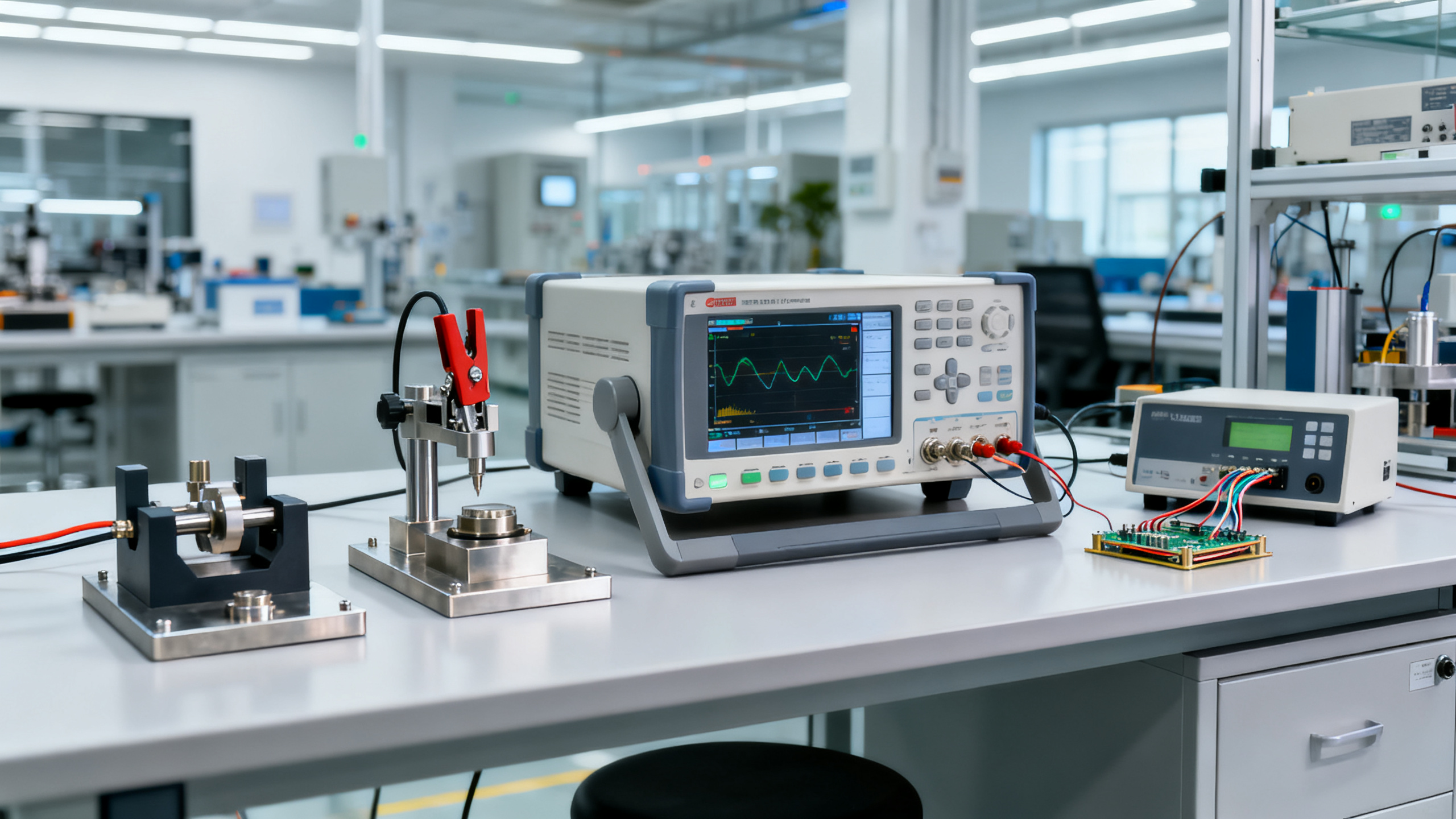
Why evaluate a power quality analyzer factory before asking for pricing?
A quote can look precise while hiding serious sourcing risk. That is why an early review matters more than a fast price comparison.
When the product is used in substations, plants, data centers, or critical maintenance programs, measurement credibility becomes part of operational safety.
A capable power quality analyzer factory should prove more than assembly capacity. It should show testing discipline, traceable calibration, and stable manufacturing control.
In practical sourcing work, the biggest mistakes usually happen before quotation review. Teams compare unit cost first, then discover certification gaps later.
That sequence is expensive. Delays, retesting, returns, and field complaints can erase any apparent savings from a low initial offer.
Global Industrial Core approaches this topic from an infrastructure lens. For instruments tied to power reliability, compliance and repeatability must sit beside cost.
So the real question is not, “Who can quote fastest?” It is, “Which power quality analyzer factory can support dependable long-term use?”
What separates a reliable power quality analyzer factory from a trading supplier?
This is usually the first screening question. A factory controls process quality directly, while a trader may rely on limited upstream visibility.
That does not mean every trader is weak. It means verification must go deeper when the supplier is not the actual manufacturer.
A genuine power quality analyzer factory should be able to explain its production flow in plain technical terms. That includes PCB assembly, firmware handling, final testing, and calibration routines.
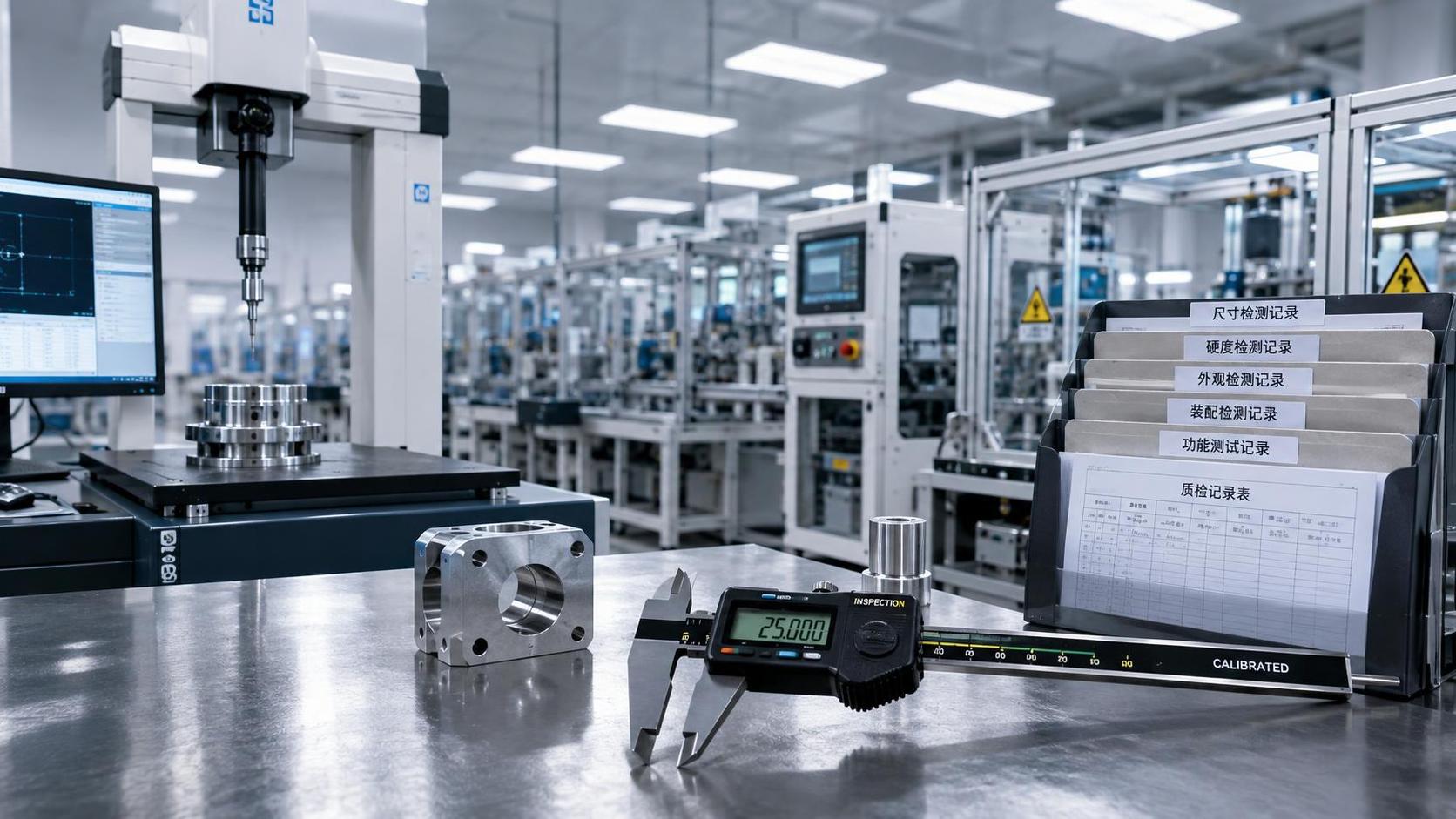
It should also provide clear evidence of process ownership. Factory audit photos, equipment lists, test benches, and quality records are more useful than polished brochures.
Ask practical questions such as these:
- Who controls firmware revisions and how are updates documented?
- Which reference instruments are used for calibration?
- Can the factory trace critical components back to approved vendors?
- What percentage of units goes through final functional testing?
- How are failed units analyzed and corrected?
If answers stay vague, the supplier may only be forwarding catalogs. For technical sourcing, that is an early warning sign.
Which technical proofs should you check before requesting a formal quote?
This stage is where many decisions become clearer. A serious power quality analyzer factory should already have a document trail for product performance.
Start with measurement capability. Review voltage range, current range, harmonic analysis depth, event capture, sampling behavior, and data logging stability.
Then verify how those claims are supported. A specification sheet alone is not enough for critical applications.
Look for calibration certificates, internal test procedures, traceability references, and compliance documents linked to relevant standards.
For many industrial projects, the review can be simplified into a decision table:
A power quality analyzer factory that can provide these materials early usually shortens the later negotiation cycle as well.
Are compliance certificates enough, or do you need to review manufacturing control too?
Certificates are necessary, but they are not the whole story. A document can confirm eligibility without proving day-to-day consistency.
For a power quality analyzer factory, manufacturing control often decides whether the delivered batch performs like the approved sample.
This is especially important in projects with repeated orders, multi-site deployment, or strict maintenance schedules.
Review the factory’s quality system with a few grounded questions. How are incoming components inspected? How are calibration intervals managed? What happens after a field complaint?
A mature supplier should show controlled workflows, not improvised explanations. ISO certification helps, but process evidence matters more than logos on a PDF.
Needle-point details can reveal overall discipline. For example, serial number traceability and burn-in criteria often say more than marketing claims.
At this point, remote audits can still be useful. Video walkthroughs, real-time testing demonstrations, and document cross-checks often expose weak control quickly.
How do lead time, MOQ, and after-sales support affect the real cost?
Price per unit is only one part of procurement cost. The real commercial picture includes lead time reliability, spare support, warranty handling, and communication efficiency.
A low-cost power quality analyzer factory may still become expensive if delivery dates move, accessory kits arrive incomplete, or technical issues remain unresolved.
More common than expected is a mismatch between quoted production time and actual readiness for shipment. That gap disrupts project sequencing.
Before requesting a quote, clarify these commercial factors:
- Standard lead time for samples and repeat orders
- Minimum order quantity for branded or customized units
- Availability of probes, clamps, cables, and replacement parts
- Warranty period and turnaround for repair or replacement
- Technical response time for setup, firmware, and data interpretation
The best power quality analyzer factory is not always the cheapest one. It is often the supplier that reduces uncertainty across the order lifecycle.
That is also where GIC-style sourcing intelligence becomes useful. Technical and commercial checks should move together, not in separate steps.
What red flags usually appear before a bad sourcing decision?
Most failed purchases leave clues early. The problem is not lack of information, but ignoring weak signals during supplier screening.
One common red flag is document inconsistency. The catalog says one thing, the datasheet says another, and the sales reply avoids direct clarification.
Another warning sign is overbroad certification language. If a supplier mentions CE or ISO without naming the product scope, review carefully.
Be cautious when a power quality analyzer factory cannot arrange a simple live demo, cannot explain calibration intervals, or resists sharing sample test records.
A few practical warning signs are worth keeping on one page:
- Unusually low pricing with no explanation for component grade or test scope
- No clear ownership of firmware maintenance
- Certificates provided as images without traceable identifiers
- Lead times change after basic technical questions
- Reference projects stay generic and cannot be verified by application type
None of these signals alone proves failure. Together, they usually indicate that more due diligence is needed before moving to quotation analysis.
What should your next step look like before you contact a power quality analyzer factory?
Start by defining the application boundary. Portable troubleshooting, continuous monitoring, and compliance auditing do not require the same analyzer profile.
Then build a short pre-quote checklist. It should combine technical proof, compliance status, production control, commercial terms, and support capability.
This approach improves supplier comparisons because every power quality analyzer factory is being reviewed against the same operational criteria.
A practical checklist usually includes required standards, target accuracy, site voltage conditions, desired accessories, expected order volume, and acceptable lead time.
If the project is tied to heavy industry, utilities, or EPC delivery, include documentation needs from the start. Later collection is slower and less reliable.
The strongest sourcing decisions are rarely rushed. They are structured, evidence-based, and aligned with the cost of operational failure.
Before requesting final pricing, narrow the field to suppliers that can demonstrate credible manufacturing control and measurement integrity. That single step usually saves the most time.
Technical Specifications
- How to Select Electronic Hotel Key Card Locks for Guest Rooms and Staff AreasAuthor :Safety Compliance Lead
- How to Select Lab Instruments for Reliable Chemical Analysis WorkflowsAuthor :Precision Metrology Expert
- How to Size a UPS for Server Rooms: Load, Runtime, and Redundancy FactorsAuthor :Grid Infrastructure Analyst
Expert Insights

Chief Security Architect
Dr. Thorne specializes in the intersection of structural engineering and digital resilience. He has advised three G7 governments on industrial infrastructure security.
Related Analysis
- Sep 17, 2026How to Select Electronic Hotel Key Card Locks for Guest Rooms and Staff AreasAuthor :Safety Compliance Lead
- Sep 16, 2026How to Select Lab Instruments for Reliable Chemical Analysis WorkflowsAuthor :Precision Metrology Expert
- Sep 15, 2026How to Size a UPS for Server Rooms: Load, Runtime, and Redundancy FactorsAuthor :Grid Infrastructure Analyst
Core Sector // 01
Security & Safety
- What to Check When Sourcing Vibration Meters Wholesale for Industrial MaintenanceAuthor :Precision Metrology Expert

- How to Select Process Control Instruments for Accuracy, Safety, and UptimeAuthor :Precision Metrology Expert

- What Should Standards Compliance Analysis Training Cover Before an Audit?Author :Precision Metrology Expert

- Why Do Pressure Instruments Fail in High-Vibration Sites?Author :Precision Metrology Expert

- Is FM Software Integration Needed for Overseas Instrument Maintenance?Author :Precision Metrology Expert

- What Are the Differences Between Lab and Field Testing Equipment?Author :Precision Metrology Expert

- Is Independent Testing Necessary for Critical Safety Components?Author :Precision Metrology Expert

- How to Validate Industrial Application Scenarios Before ProcurementAuthor :Precision Metrology Expert