Guangdong Diesal Machinery Casting Launches Tender for Settlement Monitoring Service of 60,000-Ton Heavy Equipment Component Smart Production Line, Budgeting 68,000 RMB with GB50026-2020 and JGJ-2016 Compliance
Author
Date Published
Reading Time
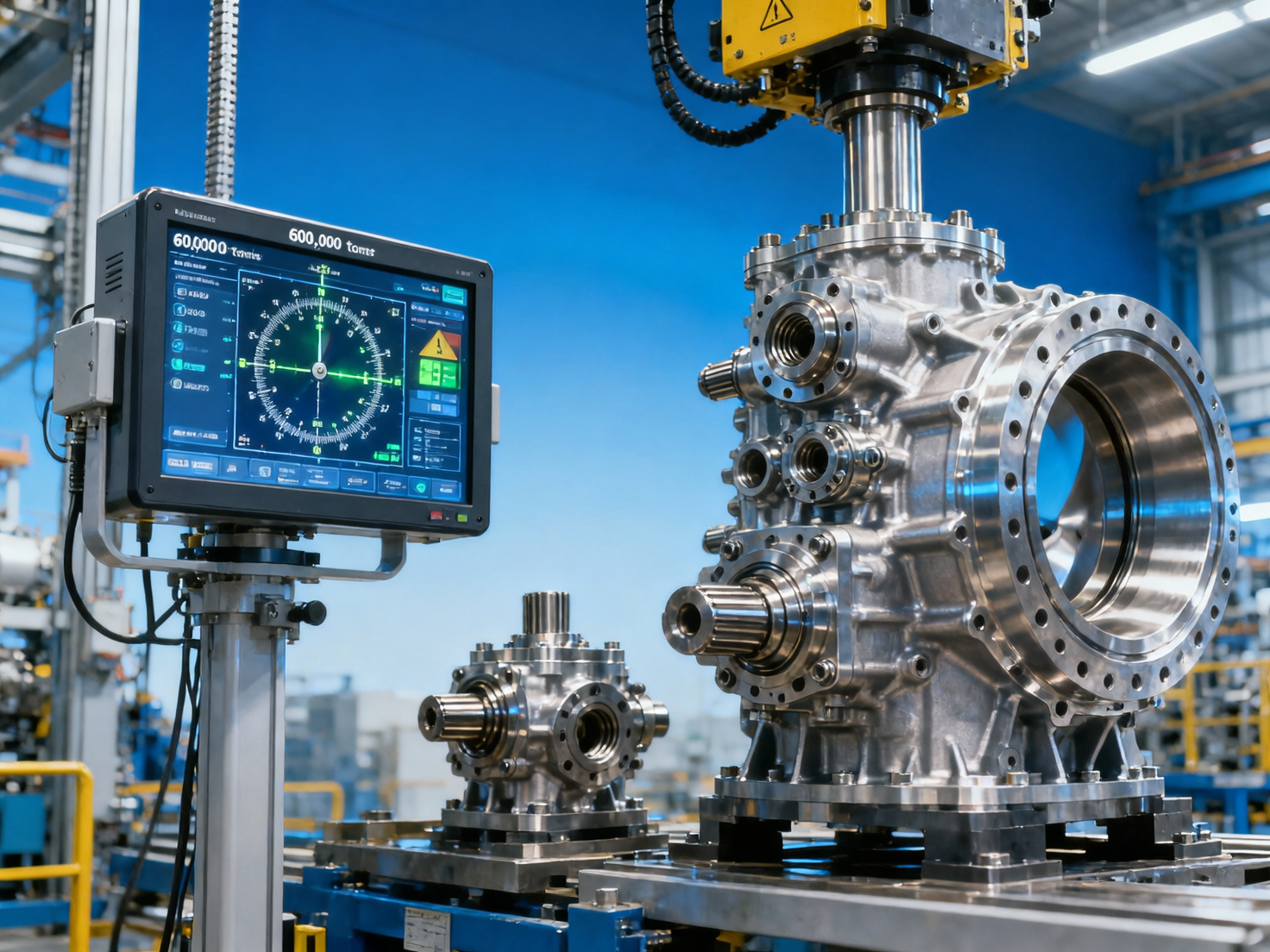
On March 25, 2026, Guangdong Diesal Machinery Casting Co., Ltd. publicly tendered for settlement monitoring services for its smart production line of heavy industrial components, signaling a strategic move to enhance infrastructure-grade quality control in China's high-end casting and forging sector. This development is particularly relevant for industries reliant on precision-engineered parts such as wind energy, shipbuilding, and hydraulic systems, as it underscores the growing emphasis on verifiable manufacturing stability for global clients.
Event Overview
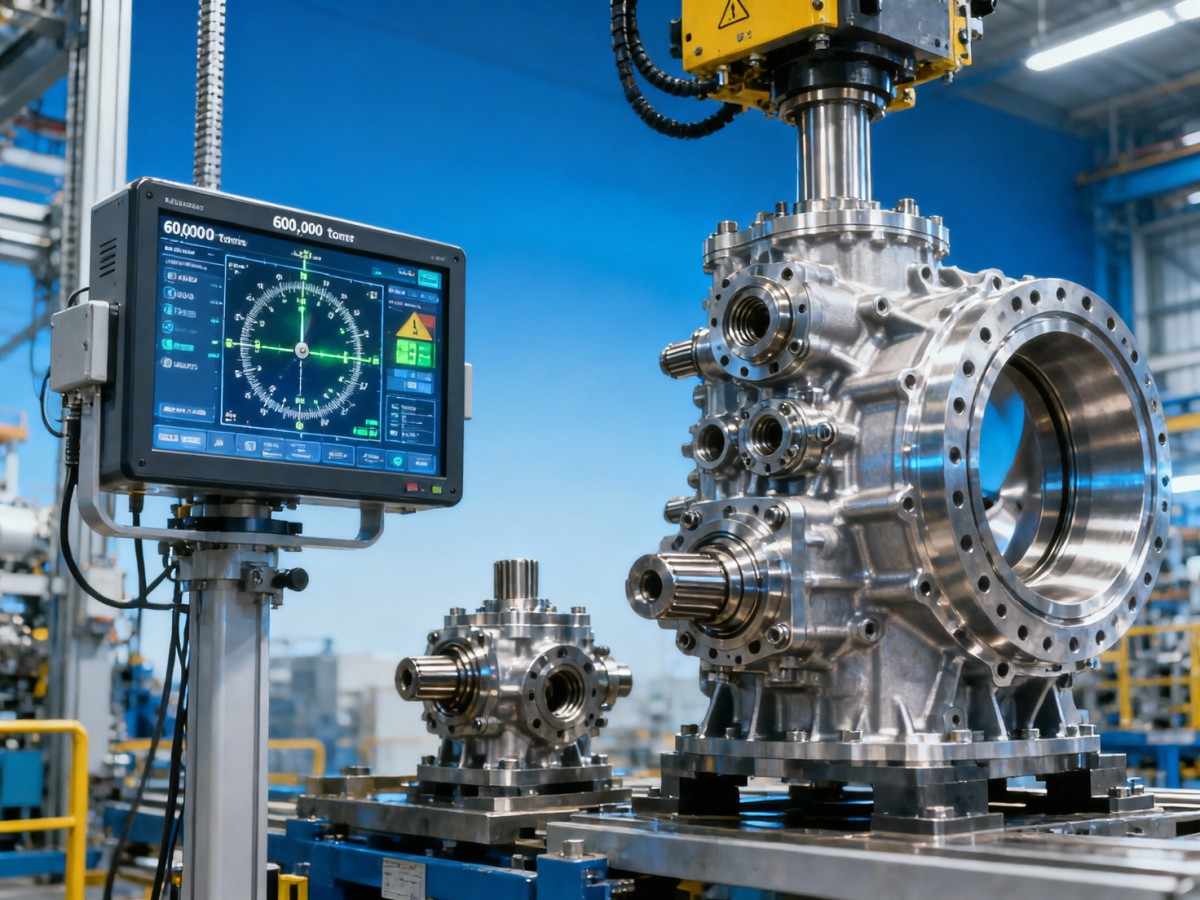
Guangdong Diesal Machinery Casting has initiated a bidding process for settlement monitoring services to support its new 60,000-ton annual capacity smart production line. The tender requires compliance with Chinese national standards GB50026-2020 and JGJ-2016, specifying equipment precision (e.g., electronic level ≥0.3mm/KM) and comprehensive reporting with anomaly alerts. The project, budgeted at 68,000 RMB, aims to validate the manufacturing precision of critical components like wind turbine gearbox housings, hydraulic valve blocks, and marine propulsion shaft systems.
Impact on Key Industries
Wind Energy Sector
The stringent monitoring requirements directly affect manufacturers of wind turbine components, particularly gearbox housings. Compliance with GB/JGJ standards may become a benchmark for export contracts, requiring suppliers to demonstrate traceable quality assurance processes.
Marine Equipment Manufacturers
Producers of propulsion shaft systems must now consider how settlement monitoring data could influence buyer evaluations. This may accelerate the adoption of similar smart monitoring in naval architecture projects.
Hydraulic Component Supply Chain
For valve block manufacturers, the tender sets a precedent for integrating real-time infrastructure monitoring into production lines, potentially reshaping supplier qualification criteria.
Actionable Insights for Industry Stakeholders
Prioritize Standards Alignment
Enterprises supplying to China's heavy equipment sector should audit their quality documentation against GB50026-2020 and JGJ-2016, especially for critical tolerance parameters.
Monitor Technology Adoption Patterns
The specified 0.3mm/KM electronic level requirement may indicate future industry norms for precision measurement in smart factories.
Evaluate Third-Party Verification Options
Smaller component manufacturers may need to partner with accredited testing agencies to meet emerging due diligence requirements from OEMs.
Industry Perspective
This tender reflects a strategic pivot in China's heavy equipment manufacturing sector. Analysis suggests it represents more than a procedural requirement—it's a quality assurance differentiator for global procurement evaluations. The 68,000 RMB budget allocation indicates that such monitoring services are becoming operational necessities rather than optional upgrades.
Current developments suggest this approach will likely extend to other precision manufacturing segments, making it advisable for industry participants to track similar tenders from major foundries. The emphasis on real-time anomaly detection particularly merits attention, as it converges with Industry 4.0 predictive maintenance trends.
Conclusion
Guangdong Diesal's tender exemplifies how Chinese manufacturers are institutionalizing quality verification processes to meet international standards. While the immediate impact centers on settlement monitoring service providers, the broader implication is the formalization of smart infrastructure metrics as competitive assets in heavy equipment manufacturing. Industry stakeholders should interpret this development as part of a larger transition toward data-validated production stability in precision components.
Information Sources
• Guangdong Diesal Machinery Casting Co., Ltd. tender announcement (March 25, 2026)
• GB50026-2020 & JGJ-2016 technical standards
• Industry monitoring of smart manufacturing adoption trends
Technical Specifications
- Air Handling Unit Supplier Checklist: Performance Data, Lead Times, and SupportAuthor :Environmental Engineering Director
- Buying Fiberglass Water Tanks Wholesale: Compare Quotes and Delivery CostsAuthor :Environmental Engineering Director
- Choosing an XLPE Power Cable Supplier: Test Reports, Traceability, and Lead TimesAuthor :Grid Infrastructure Analyst
Expert Insights

Chief Security Architect
Dr. Thorne specializes in the intersection of structural engineering and digital resilience. He has advised three G7 governments on industrial infrastructure security.
Related Analysis
- Oct 19, 2026Air Handling Unit Supplier Checklist: Performance Data, Lead Times, and SupportAuthor :Environmental Engineering Director
- Oct 18, 2026Buying Fiberglass Water Tanks Wholesale: Compare Quotes and Delivery CostsAuthor :Environmental Engineering Director
- Oct 17, 2026Choosing an XLPE Power Cable Supplier: Test Reports, Traceability, and Lead TimesAuthor :Grid Infrastructure Analyst
Core Sector // 01
Security & Safety
- Choosing a Bluetooth Total Station: Software Compatibility and Connection RangeAuthor :Precision Metrology Expert

- Material Testing Standards: ASTM E8 vs. ISO 6892-1 for Metal Tensile TestsAuthor :Precision Metrology Expert

- How to Verify Accuracy in Industrial Measurement Data and Test ReportsAuthor :Precision Metrology Expert

- Selecting a Steam Vortex Flow Meter: Sizing, Pressure, and Temperature LimitsAuthor :Precision Metrology Expert

- How to Select an Industrial Infrared Thermometer for Hot, Moving EquipmentAuthor :Precision Metrology Expert

- How to Evaluate a Precision Measurement Equipment Manufacturer for Critical TolerancesAuthor :Precision Metrology Expert

- How to Select an Emissions Monitoring System Analyzer for Compliance ReportingAuthor :Precision Metrology Expert

- Portable Gas Monitor Calibration: How Often Is It Needed for Safe Confined-Space Work?Author :Precision Metrology Expert