India BIS Updates Import Requirements for Industrial Water Quality Monitors
Author
Date Published
Reading Time
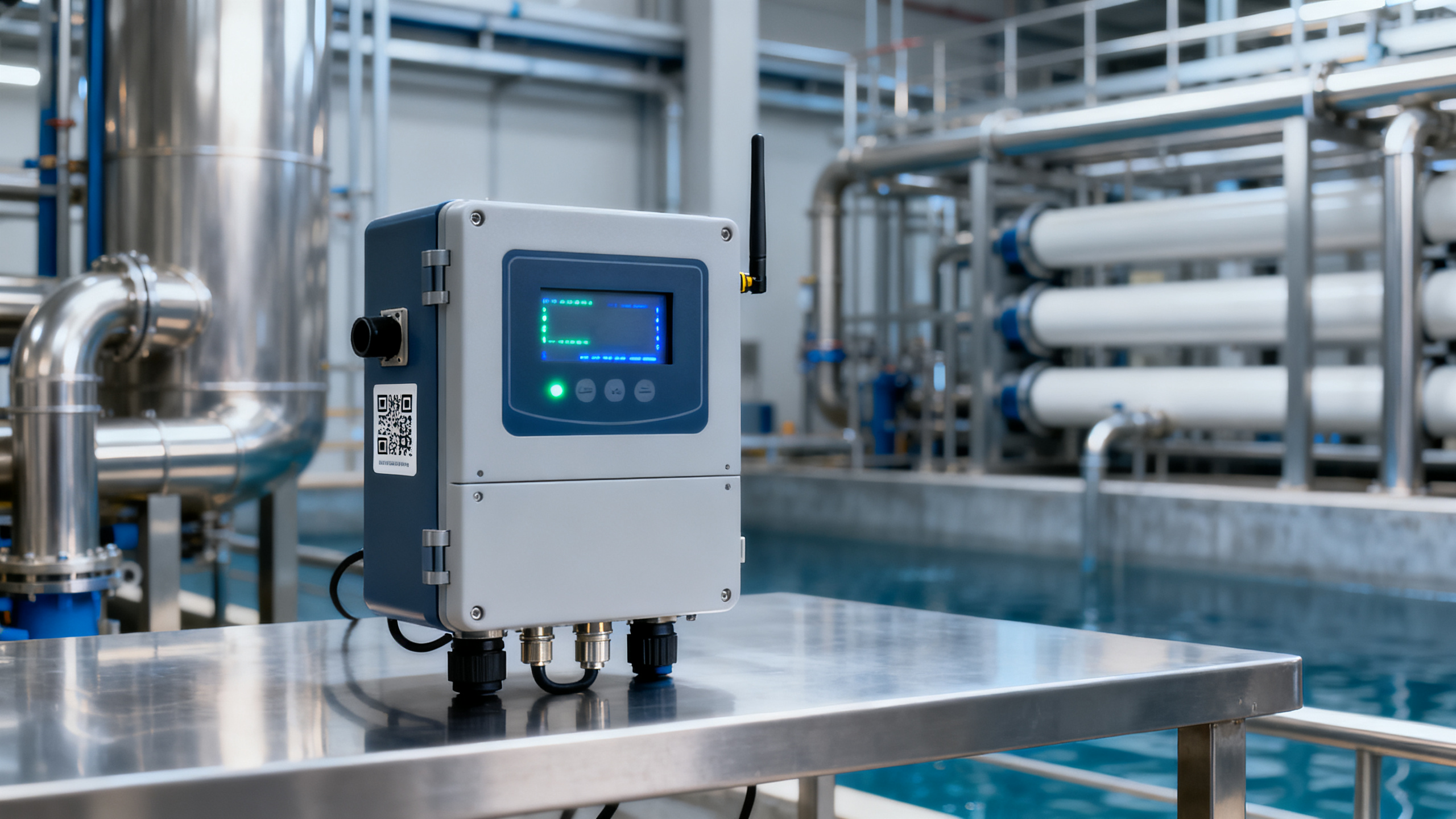
On May 6, 2026, the Bureau of Indian Standards (BIS) revised Annex III of IS 17782:2026, mandating that all imported industrial water quality monitoring instruments—including online analyzers for COD, TOC, turbidity, and residual chlorine—must be pre-equipped with a digital calibration certificate module compliant with ISO/IEC 17025:2026. This module must be remotely accessible, verifiable via QR code, and backed by blockchain-based certificate storage. Exporters of water quality instrumentation—particularly those based in China—now face elevated technical integration requirements for market access in India.
Event Overview
The Bureau of Indian Standards (BIS) issued an amendment to IS 17782:2026 on May 6, 2026. The revision modifies Annex III to require that imported industrial water quality monitoring instruments incorporate a built-in digital calibration certificate module. The module must support remote retrieval, QR-code-based verification, and blockchain-backed certificate integrity. Certificates must be issued exclusively by laboratories accredited to ISO/IEC 17025:2026. The scope explicitly covers online analyzers for chemical oxygen demand (COD), total organic carbon (TOC), turbidity, and residual chlorine.
Which Subsectors Are Affected
Direct Exporters and Trading Companies
These entities are directly impacted because compliance is tied to product-level certification at import clearance. Non-compliant devices may be rejected at customs or subjected to post-entry verification delays. Impact manifests as increased pre-shipment technical validation, potential rework of firmware/hardware architecture, and extended lead times for documentation alignment.
Instrument Manufacturers and OEMs
Manufacturers supplying to Indian importers must now embed certified digital calibration modules into device firmware and hardware design. This affects product development cycles, firmware update protocols, and traceability system architecture. Impact includes higher R&D costs for module integration and new testing requirements prior to shipment.
Calibration Service Providers and Accredited Labs
Only laboratories accredited to ISO/IEC 17025:2026 may issue valid certificates. This creates both opportunity and constraint: labs without current 2026 accreditation cannot support affected exports, while accredited labs may see increased demand for calibration data generation and blockchain registration services.
Distribution and Aftermarket Support Firms
Channel partners responsible for installation, commissioning, or maintenance must ensure end-user access to the digital module—including QR scanning capability and internet connectivity for remote verification. Impact includes updated training materials, field service toolkits, and documentation handover procedures aligned with the new certificate lifecycle.
What Relevant Enterprises or Practitioners Should Focus On — And How to Respond
Monitor official BIS communications for implementation timelines and transitional provisions
The amendment took effect on May 6, 2026, but BIS may publish enforcement dates, grace periods, or conformity assessment guidance separately. Enterprises should track updates via the BIS e-portal and registered notifications—not assume immediate full enforcement.
Verify whether existing product models meet the embedded module requirement
Current inventory or production lines may lack pre-installed, remotely accessible, QR-enabled, blockchain-integrated calibration modules. Manufacturers and exporters should conduct a gap analysis against Annex III’s functional and data-structure specifications—not just calibration validity.
Distinguish between accreditation status and certificate issuance capability
A laboratory’s ISO/IEC 17025:2026 accreditation does not automatically confer authority to issue certificates under this specific BIS requirement. Confirm whether the lab has been formally recognized by BIS for issuing digital calibration certificates under IS 17782:2026 Annex III before engaging.
Prepare firmware, documentation, and logistics coordination in advance
Integrating the module may require firmware updates, secure boot configuration, and certificate metadata formatting. Exporters should align with suppliers on version control, test reports, and packaging-level QR placement—well before shipping to avoid customs hold-ups.
Editorial Perspective / Industry Observation
Observably, this revision signals a shift from paper-based conformity toward digitally enforced, tamper-evident metrological traceability in India’s regulated instrumentation imports. Analysis shows it is less a one-off regulatory update and more an early indicator of broader BIS digitization strategy—potentially extending to other instrument categories governed by IS standards. From an industry perspective, the requirement reflects tightening alignment with global metrology infrastructure trends, but its operational impact hinges on real-world interoperability between manufacturer modules, lab systems, and BIS verification platforms. Current implementation remains subject to interpretation until BIS publishes technical guidance or sample certificate formats.
Conclusion
This amendment marks a structural change in how industrial water quality monitors gain market access in India—not merely a documentation upgrade, but a hardware- and software-level integration mandate. It elevates technical due diligence for exporters and recalibrates supply chain responsibilities across manufacturing, calibration, and distribution tiers. Currently, it is more appropriately understood as an enforceable regulatory threshold requiring proactive technical adaptation—not a distant policy signal.
Source Attribution
Main source: Bureau of Indian Standards (BIS), Amendment to IS 17782:2026, Annex III, effective May 6, 2026.
Points requiring ongoing observation: Official enforcement timeline, BIS-recognized laboratories list for Annex III compliance, and published technical specifications for the digital calibration certificate module (e.g., data schema, blockchain protocol, QR encoding standard).
Technical Specifications
- Air Handling Unit Supplier Checklist: Performance Data, Lead Times, and SupportAuthor :Environmental Engineering Director
- Buying Fiberglass Water Tanks Wholesale: Compare Quotes and Delivery CostsAuthor :Environmental Engineering Director
- Choosing an XLPE Power Cable Supplier: Test Reports, Traceability, and Lead TimesAuthor :Grid Infrastructure Analyst
Expert Insights

Chief Security Architect
Dr. Thorne specializes in the intersection of structural engineering and digital resilience. He has advised three G7 governments on industrial infrastructure security.
Related Analysis
- Oct 19, 2026Air Handling Unit Supplier Checklist: Performance Data, Lead Times, and SupportAuthor :Environmental Engineering Director
- Oct 18, 2026Buying Fiberglass Water Tanks Wholesale: Compare Quotes and Delivery CostsAuthor :Environmental Engineering Director
- Oct 17, 2026Choosing an XLPE Power Cable Supplier: Test Reports, Traceability, and Lead TimesAuthor :Grid Infrastructure Analyst
Core Sector // 01
Security & Safety
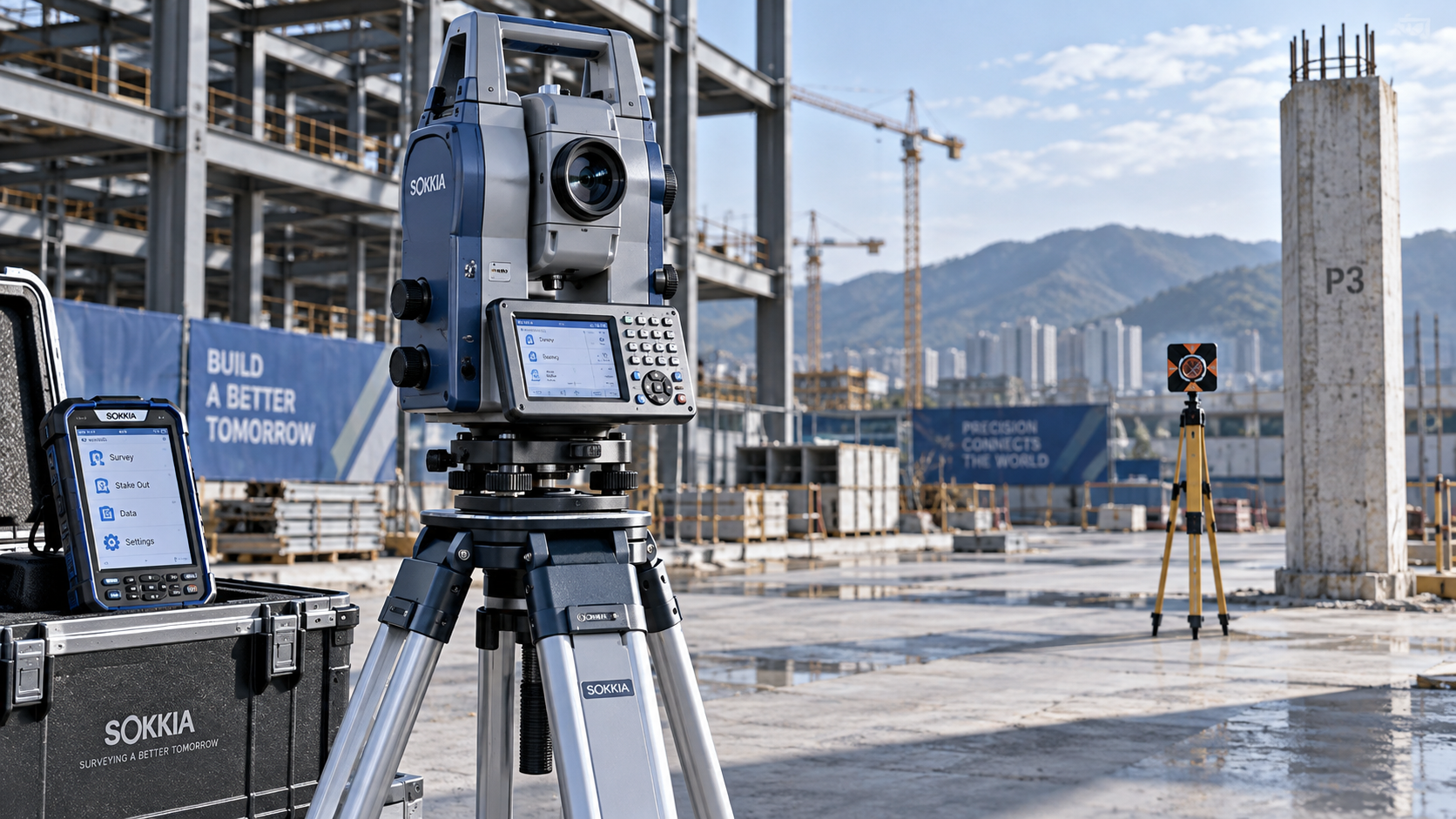
- Choosing a Bluetooth Total Station: Software Compatibility and Connection RangeAuthor :Precision Metrology Expert

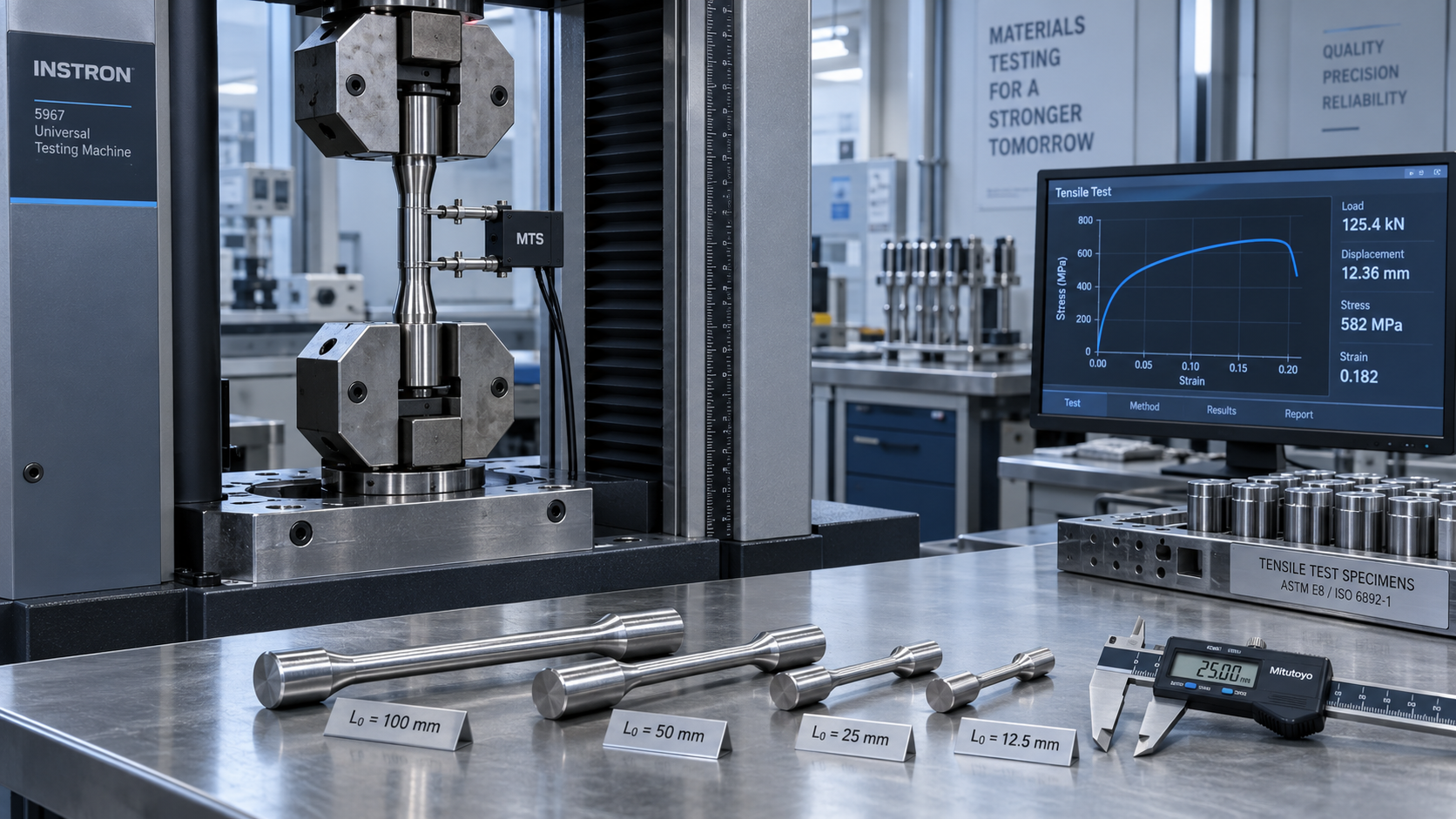
- Material Testing Standards: ASTM E8 vs. ISO 6892-1 for Metal Tensile TestsAuthor :Precision Metrology Expert

- How to Verify Accuracy in Industrial Measurement Data and Test ReportsAuthor :Precision Metrology Expert

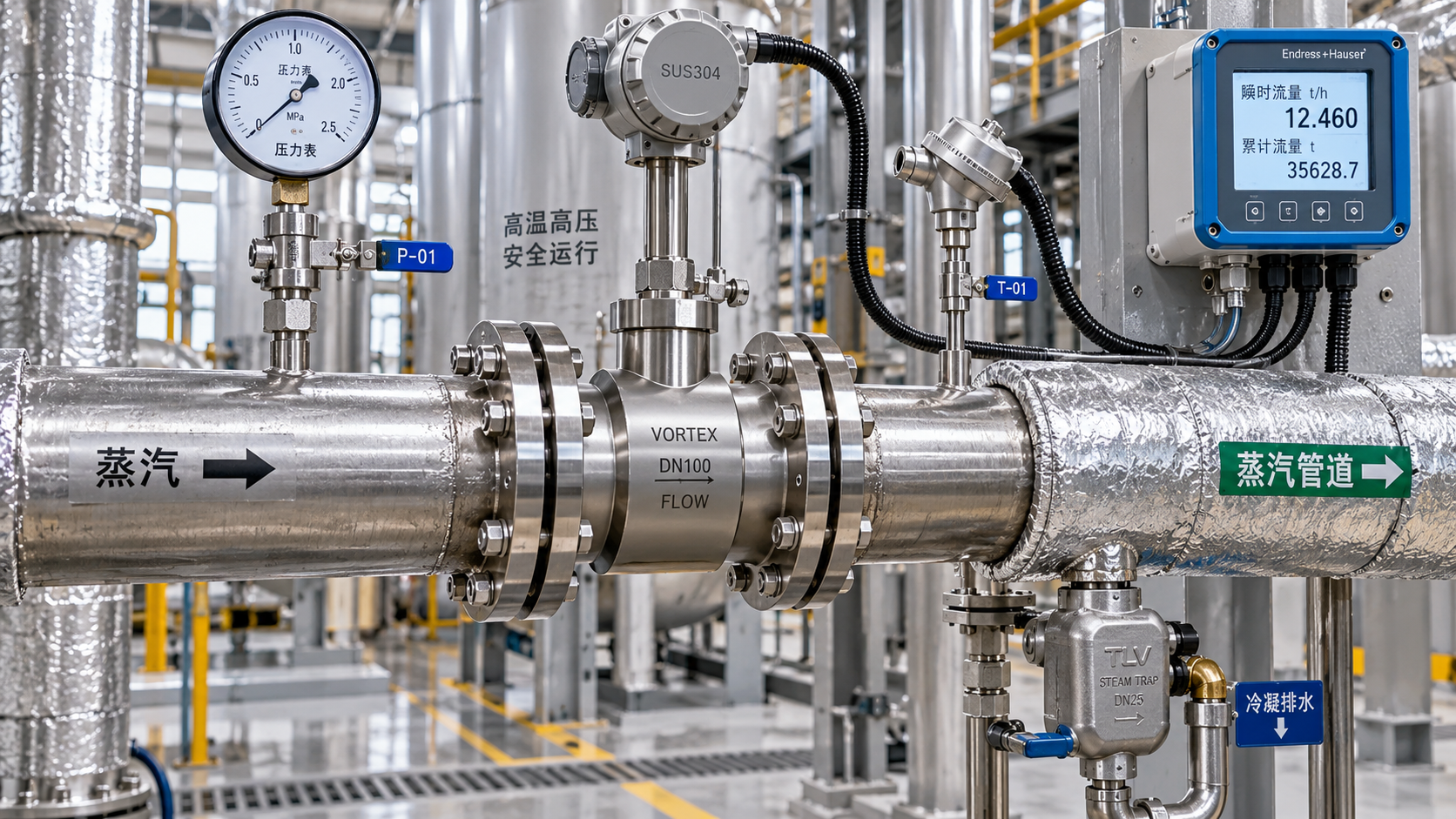
- Selecting a Steam Vortex Flow Meter: Sizing, Pressure, and Temperature LimitsAuthor :Precision Metrology Expert

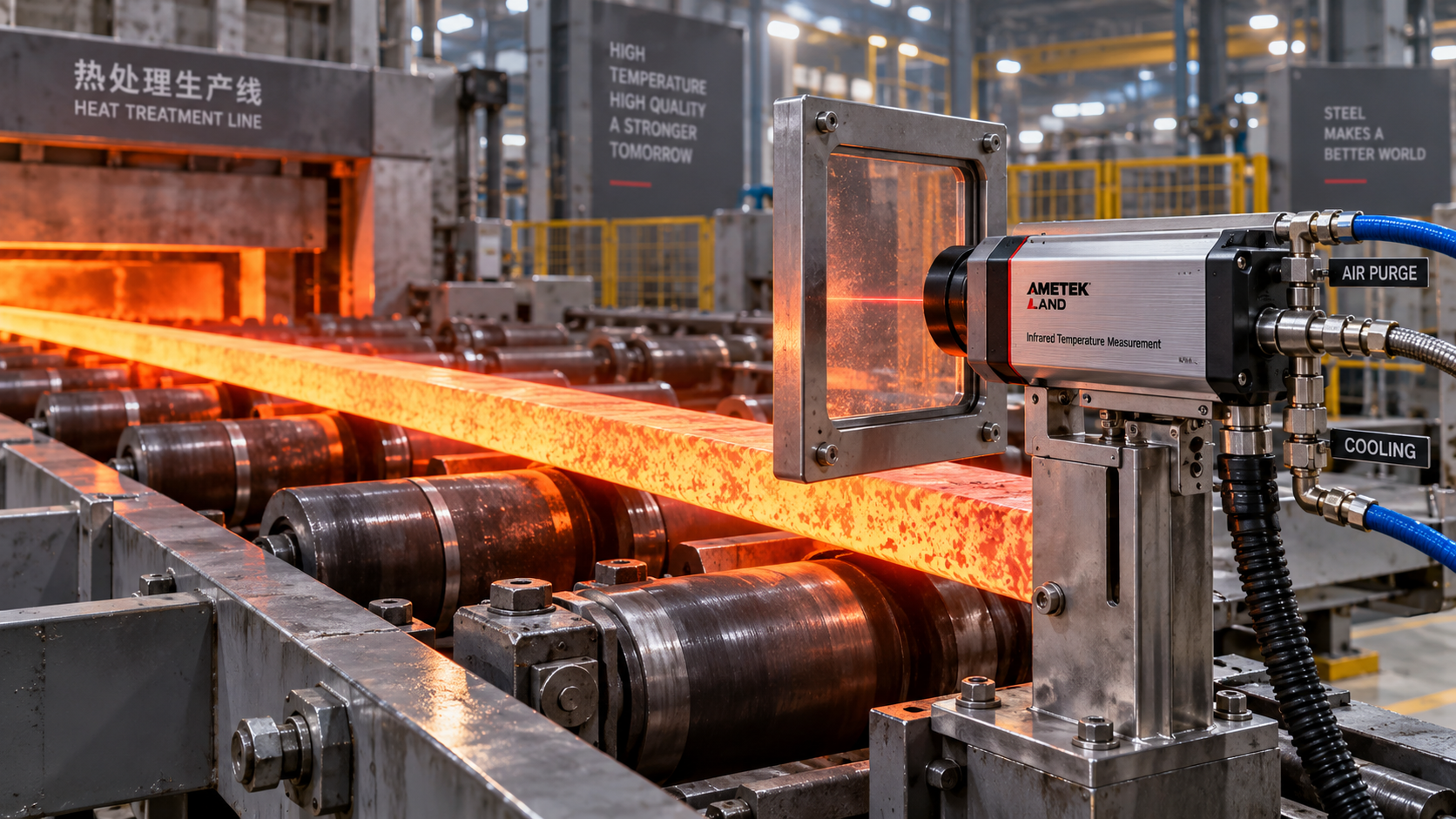
- How to Select an Industrial Infrared Thermometer for Hot, Moving EquipmentAuthor :Precision Metrology Expert

- How to Evaluate a Precision Measurement Equipment Manufacturer for Critical TolerancesAuthor :Precision Metrology Expert

- How to Select an Emissions Monitoring System Analyzer for Compliance ReportingAuthor :Precision Metrology Expert

- Portable Gas Monitor Calibration: How Often Is It Needed for Safe Confined-Space Work?Author :Precision Metrology Expert