When an Instruments & Measurement OEM is the better fit
Author
Date Published
Reading Time
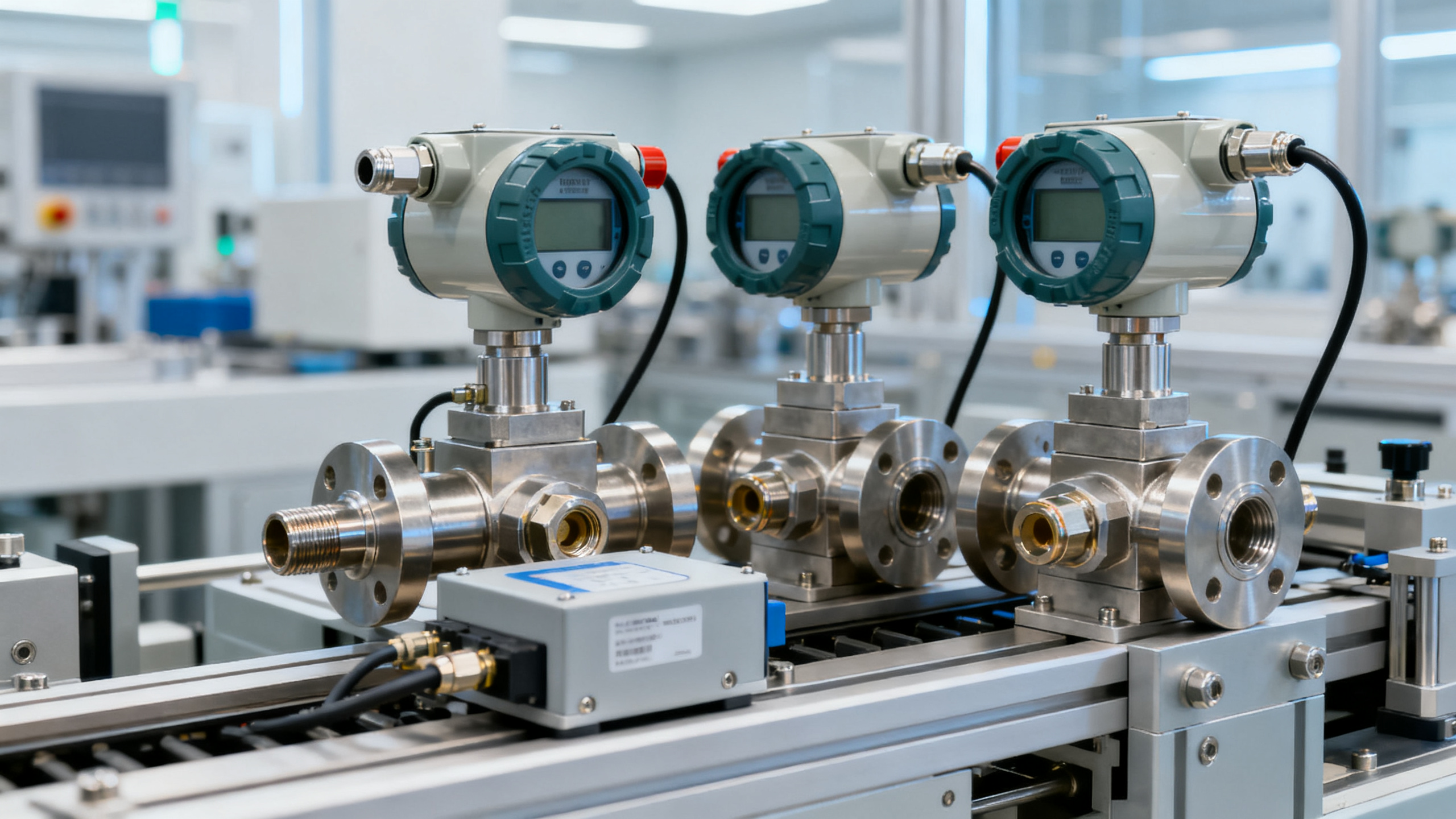
Choosing the right production model now affects more than cost.
It shapes calibration stability, regulatory approval, integration speed, and lifecycle support.
In this environment, an Instruments & Measurement OEM often becomes the stronger option.
That is especially true when precision engineering, traceability, and application-specific performance outweigh catalog convenience.
Across industrial systems, measurement devices now sit closer to safety, automation, and compliance decisions.
As expectations rise, the value of a capable Instruments & Measurement OEM becomes easier to justify.
Why the sourcing decision is shifting toward tighter technical fit
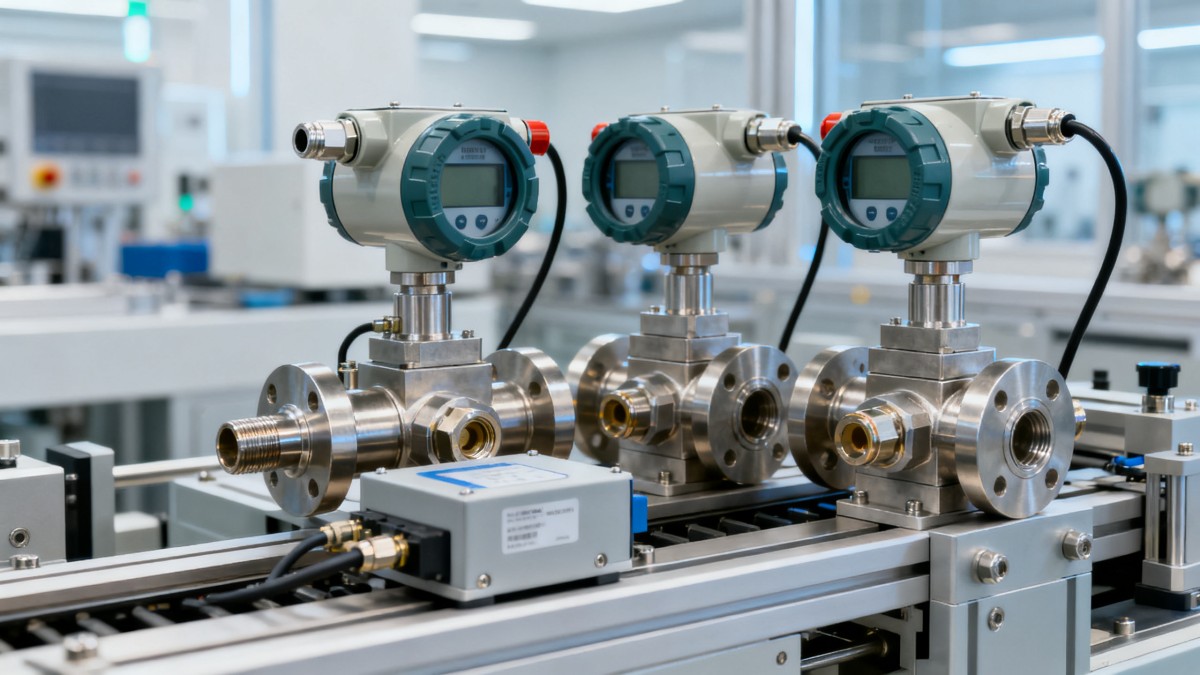
Industrial buyers once accepted standard instruments with minor adaptations.
Today, many projects require exact operating ranges, communication protocols, enclosure ratings, and documented validation.
This shift favors an Instruments & Measurement OEM that can engineer around real operating conditions.
Examples include high-vibration plants, corrosive environments, remote assets, and tightly regulated process lines.
A general supplier may offer broad availability.
However, broad availability does not guarantee fit-for-purpose performance over years of industrial use.
That gap is where OEM collaboration often creates measurable value.
The trend signals behind rising demand for an Instruments & Measurement OEM
Several market signals explain why OEM-led sourcing is becoming more attractive.
The pattern is visible across process industries, energy systems, water treatment, and advanced manufacturing.
These conditions increase the strategic importance of selecting an Instruments & Measurement OEM early.
The right partner helps avoid specification drift and performance compromises later in deployment.
When an Instruments & Measurement OEM clearly becomes the better fit
Not every project needs custom engineering.
Still, several conditions strongly point toward an Instruments & Measurement OEM.
1. Application conditions are unusual or severe
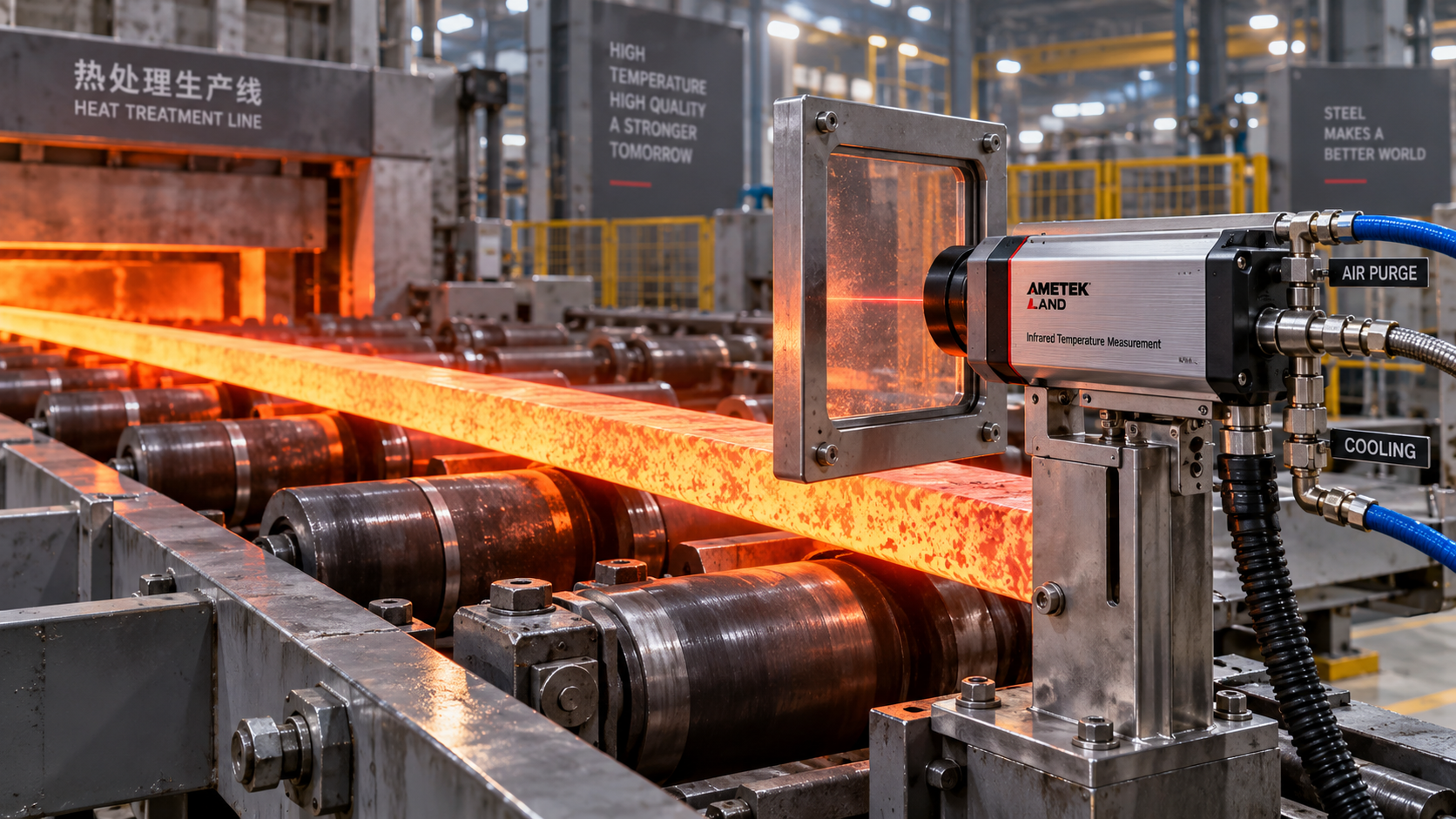
Extreme heat, humidity, dust, chemical exposure, or pressure cycling can distort standard device performance.
OEM engineering allows material selection, sealing, housing, and sensor design to match the environment.
2. Accuracy and repeatability drive financial outcomes
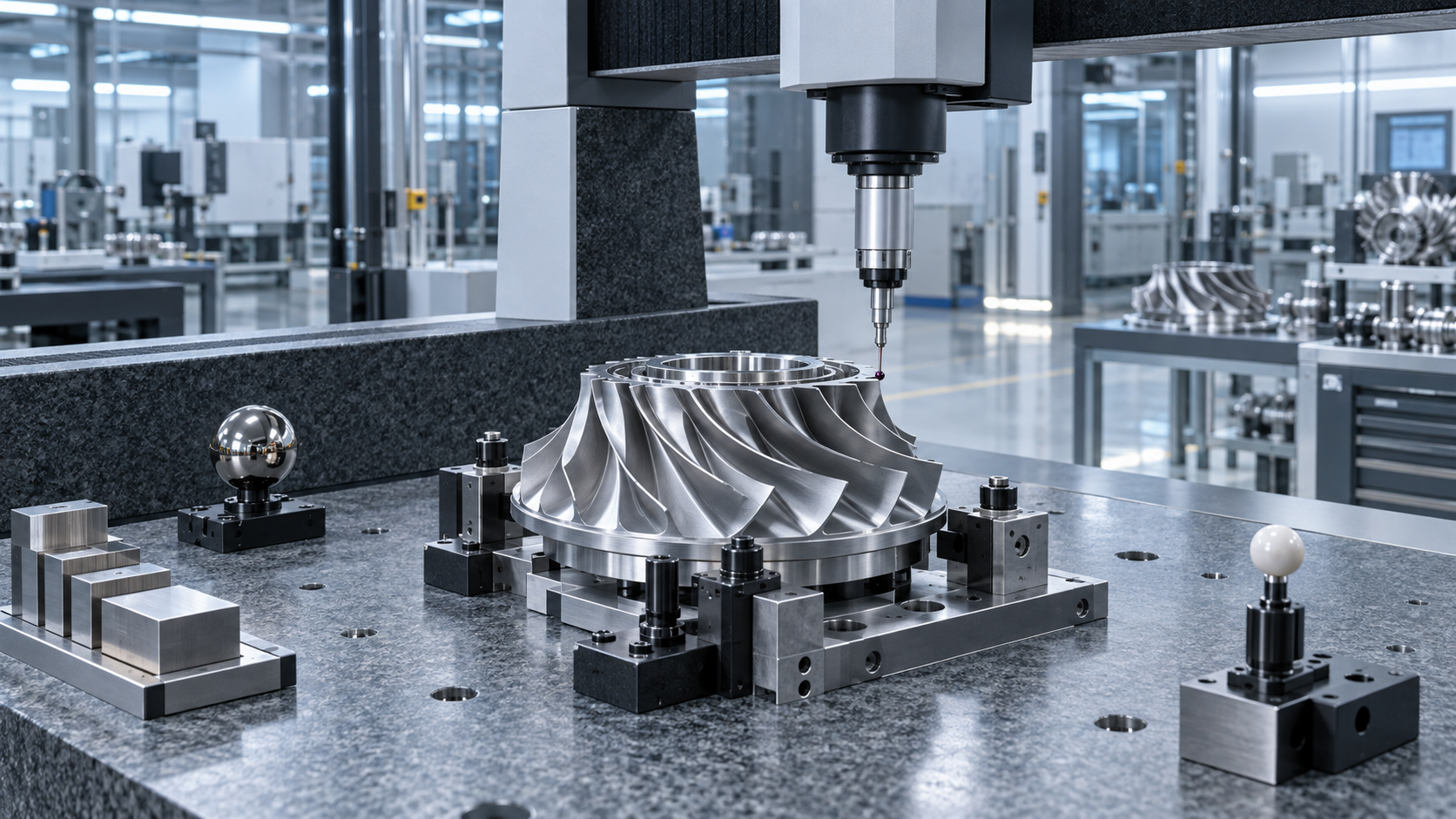
In custody transfer, pharmaceutical production, and precision batching, small errors become expensive quickly.
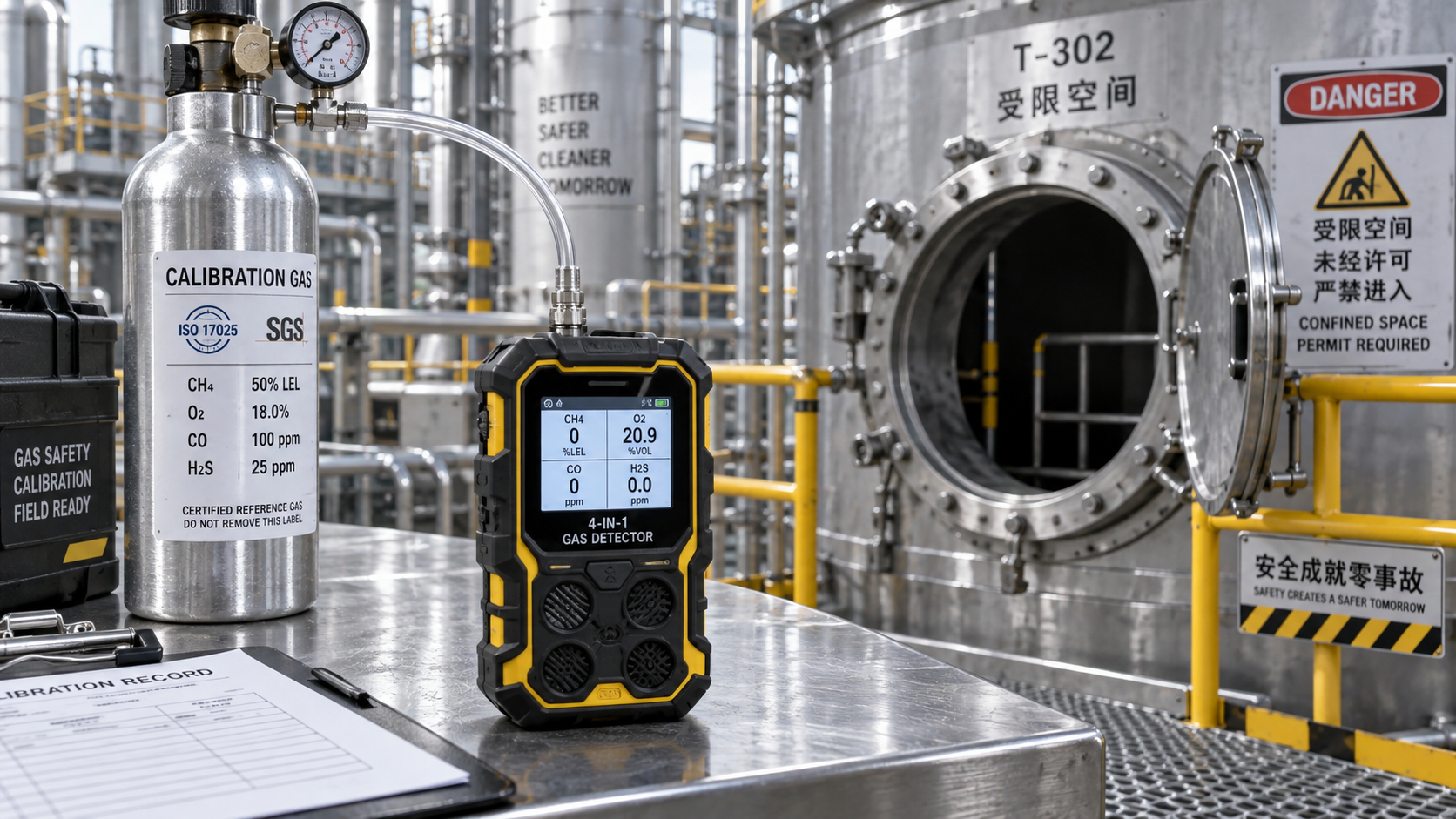
An Instruments & Measurement OEM can optimize tolerances, calibration methods, and verification procedures.
3. Compliance cannot be added later
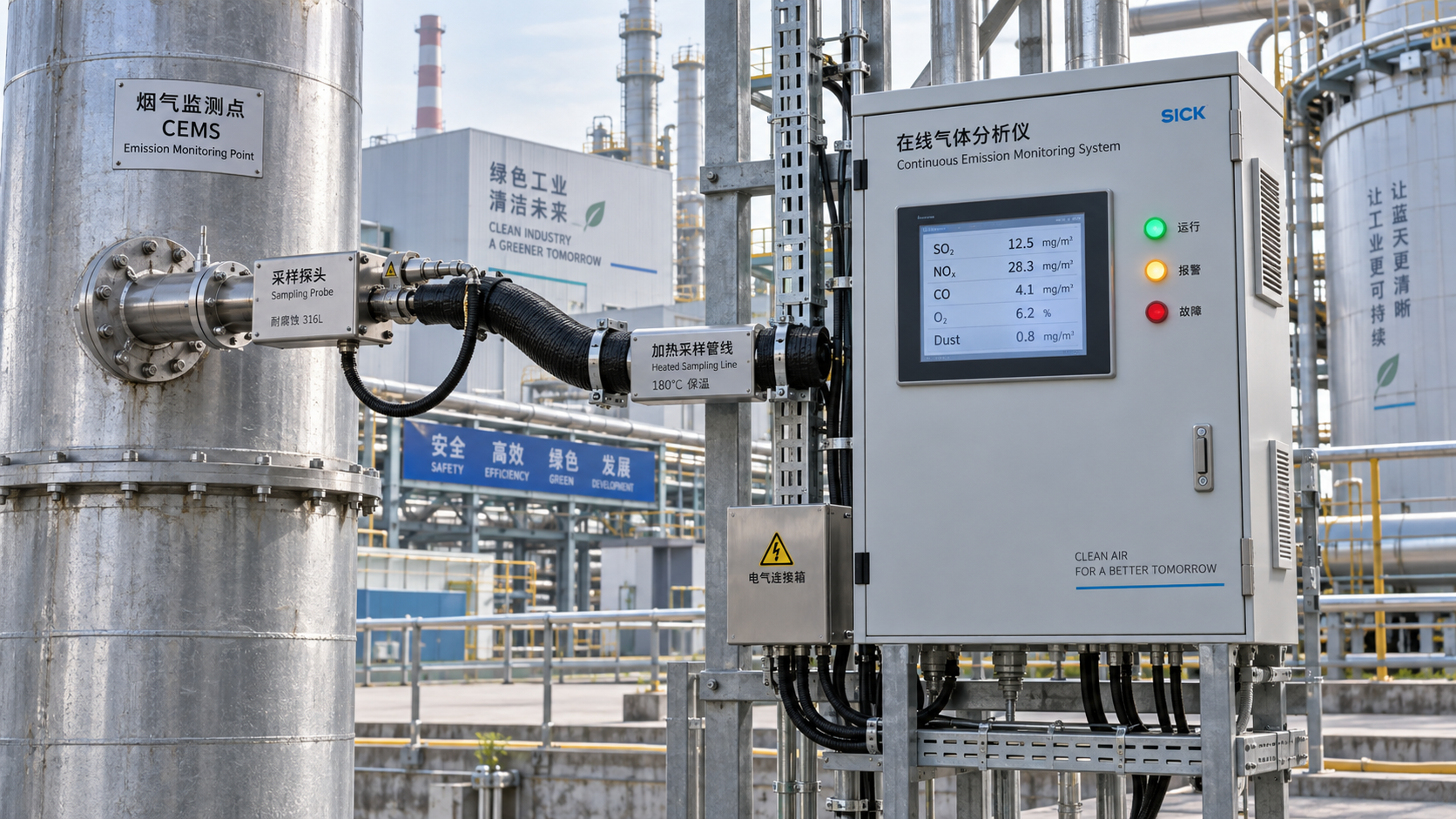
CE, UL, ISO, and sector-specific requirements often affect product architecture from the beginning.
OEM collaboration supports compliance-by-design instead of corrective redesign after testing failures.
4. Integration complexity is high
Custom outputs, protocol compatibility, signal conditioning, and power constraints rarely suit generic devices perfectly.
An Instruments & Measurement OEM can bridge mechanical, electrical, and software requirements in one design path.
5. Long-term supply stability matters
Industrial programs often run longer than consumer product cycles.
OEM agreements can protect revision control, approved components, and replacement continuity over time.
What is driving this preference for OEM partnerships
The move toward an Instruments & Measurement OEM is not only technical.
It is also operational, financial, and reputational.
- Industrial downtime now carries larger direct and indirect costs.
- Traceable quality systems reduce approval risk in global projects.
- Digital transformation increases the need for interoperable measurement hardware.
- Sustainability targets require better monitoring precision and data integrity.
- Shorter product development cycles reward early design collaboration.
Together, these forces make cheap substitution less attractive than dependable lifecycle performance.
That economic logic often strengthens the case for an Instruments & Measurement OEM.
How the choice affects different business functions
The benefits of using an Instruments & Measurement OEM extend beyond engineering teams.
The sourcing model influences multiple stages of industrial execution.
This broader impact explains why OEM selection is increasingly treated as a strategic decision.
The signals that a standard supplier may no longer be enough
Certain warning signs suggest it is time to move toward an Instruments & Measurement OEM.
- Frequent field recalibration disrupts normal operations.
- Device output does not align with system architecture.
- Environmental failures appear before expected service intervals.
- Compliance documentation arrives late or incomplete.
- Small product changes trigger major validation work.
- Component obsolescence creates recurring redesign risk.
These problems often look isolated at first.
In practice, they usually point to a deeper mismatch between product design and application demands.
What deserves close review before choosing an Instruments & Measurement OEM
A strong OEM partner should offer more than manufacturing capacity.
Technical depth and process discipline matter just as much.
- Evidence of calibration expertise and metrology competence.
- Clear support for CE, UL, ISO, or relevant sector standards.
- Defined change control, revision history, and validation methods.
- Material and component sourcing transparency.
- Proven capability in harsh-environment or mission-critical applications.
- Responsiveness during prototyping, testing, and issue resolution.
Reviewing these points early helps separate real engineering partners from simple contract assemblers.
A practical way to judge the right next move
The choice does not have to be ideological.
It should follow the risk profile of the application.
If the application carries serious operational or compliance consequences, OEM alignment usually pays back.
Where to focus now
Start by mapping the real cost of measurement failure.
Include downtime, retesting, rejected output, safety exposure, and delayed approvals.
Then compare those risks against the added value an Instruments & Measurement OEM can provide.
The best decisions usually come from lifecycle thinking, not initial unit price alone.
When precision, compliance, and resilience matter, an Instruments & Measurement OEM is often the better fit.
A focused technical review with a qualified OEM partner is a practical next step.
Technical Specifications
- Air Handling Unit Supplier Checklist: Performance Data, Lead Times, and SupportAuthor :Environmental Engineering Director
- Buying Fiberglass Water Tanks Wholesale: Compare Quotes and Delivery CostsAuthor :Environmental Engineering Director
- Choosing an XLPE Power Cable Supplier: Test Reports, Traceability, and Lead TimesAuthor :Grid Infrastructure Analyst
Expert Insights

Chief Security Architect
Dr. Thorne specializes in the intersection of structural engineering and digital resilience. He has advised three G7 governments on industrial infrastructure security.
Related Analysis
- Oct 19, 2026Air Handling Unit Supplier Checklist: Performance Data, Lead Times, and SupportAuthor :Environmental Engineering Director
- Oct 18, 2026Buying Fiberglass Water Tanks Wholesale: Compare Quotes and Delivery CostsAuthor :Environmental Engineering Director
- Oct 17, 2026Choosing an XLPE Power Cable Supplier: Test Reports, Traceability, and Lead TimesAuthor :Grid Infrastructure Analyst
Core Sector // 01
Security & Safety
- Choosing a Bluetooth Total Station: Software Compatibility and Connection RangeAuthor :Precision Metrology Expert

- Material Testing Standards: ASTM E8 vs. ISO 6892-1 for Metal Tensile TestsAuthor :Precision Metrology Expert

- How to Verify Accuracy in Industrial Measurement Data and Test ReportsAuthor :Precision Metrology Expert

- Selecting a Steam Vortex Flow Meter: Sizing, Pressure, and Temperature LimitsAuthor :Precision Metrology Expert

- How to Select an Industrial Infrared Thermometer for Hot, Moving EquipmentAuthor :Precision Metrology Expert

- How to Evaluate a Precision Measurement Equipment Manufacturer for Critical TolerancesAuthor :Precision Metrology Expert

- How to Select an Emissions Monitoring System Analyzer for Compliance ReportingAuthor :Precision Metrology Expert

- Portable Gas Monitor Calibration: How Often Is It Needed for Safe Confined-Space Work?Author :Precision Metrology Expert