When an Instruments & Measurement Supplier Becomes a Risk
Author
Date Published
Reading Time

Choosing an Instruments & Measurement supplier is not just a purchasing decision—it is a direct risk decision that can affect safety, compliance, uptime, and project profitability. For procurement teams, the wrong partner may introduce hidden failures, calibration issues, certification gaps, and costly delays. This article explores the warning signs, evaluation priorities, and sourcing risks that matter most when supplier reliability becomes a threat.
When an Instruments & Measurement supplier becomes a risk, the problem rarely starts with price. It usually starts with weak traceability, inconsistent quality control, unclear certifications, poor technical support, or unreliable delivery performance.
For procurement professionals, the key question is simple: can this supplier protect operational continuity, regulatory compliance, and long-term asset performance? If the answer is uncertain, the sourcing decision already carries more exposure than it should.
Why supplier risk in instruments and measurement matters more than many buyers expect

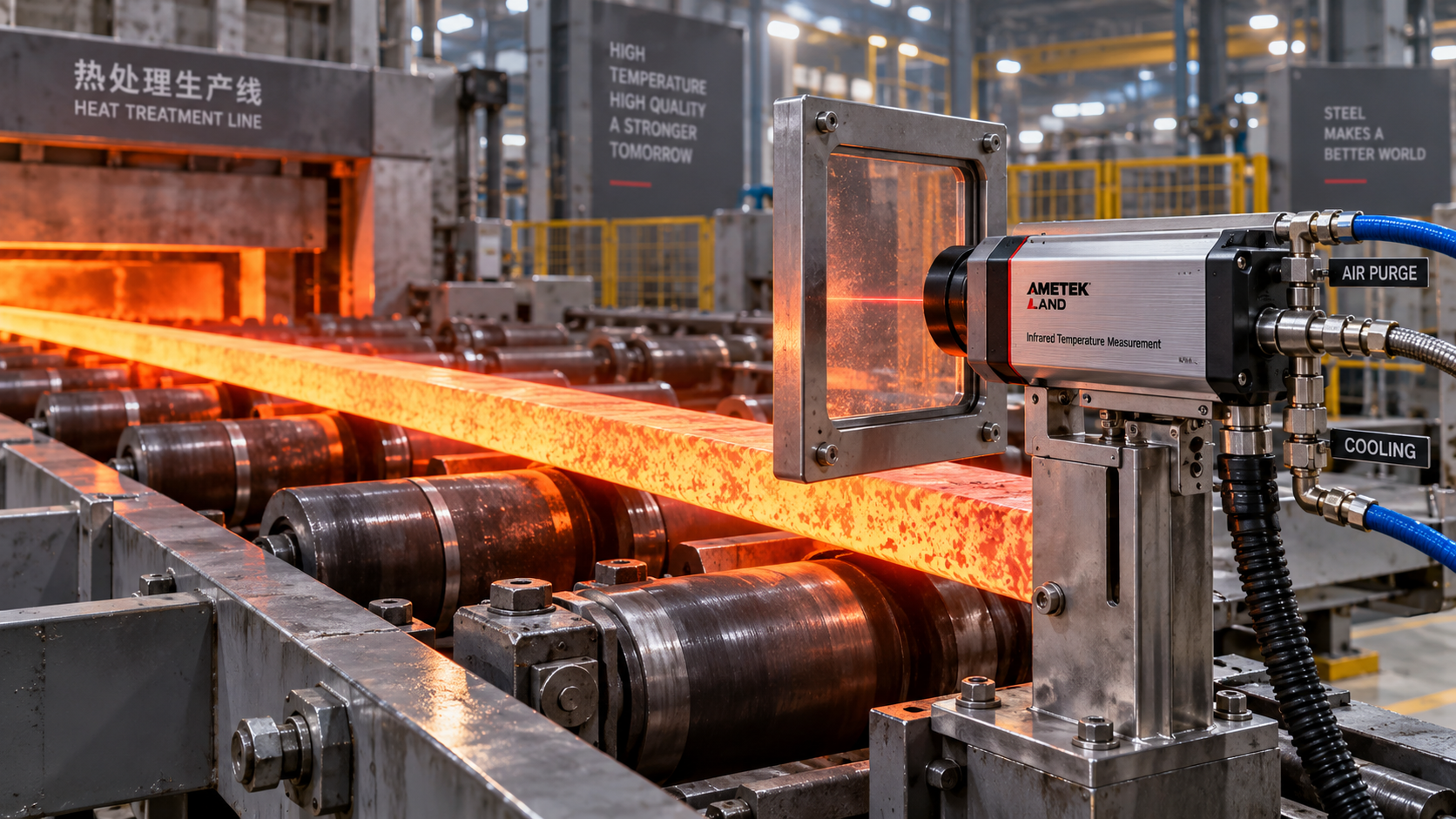
Instruments and measurement devices sit at critical control points in industrial systems. They influence process stability, environmental reporting, worker safety, energy efficiency, and the quality of every decision made from plant data.
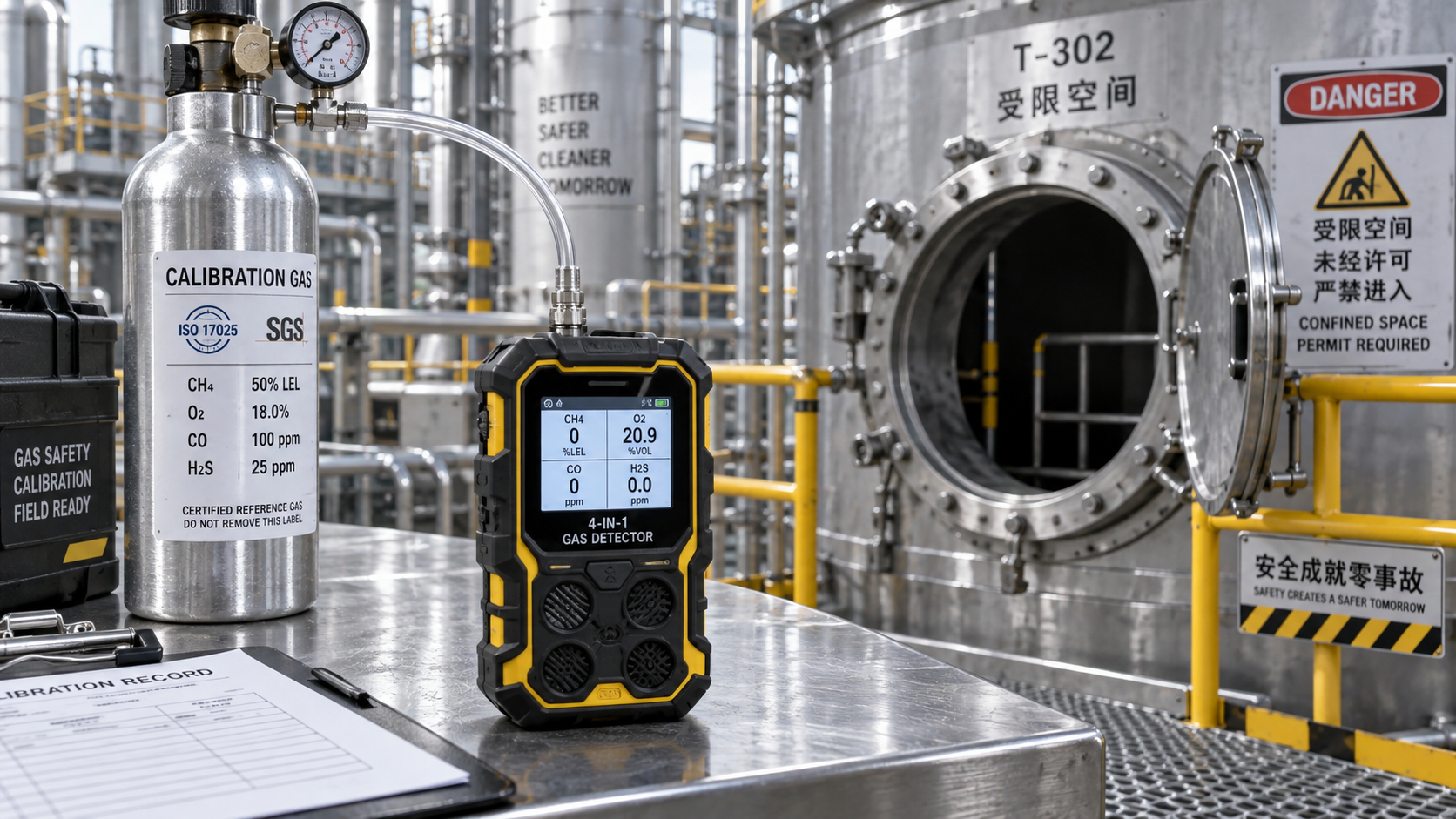
If a pressure transmitter drifts, a temperature sensor fails under operating conditions, or a gas detector arrives with questionable calibration history, the impact can spread far beyond one replacement order.
Procurement teams often inherit responsibility after something goes wrong. A failed supplier can lead to shutdowns, failed inspections, rejected batches, commissioning delays, insurance complications, or contractual disputes with EPC partners and end users.
This is why evaluating an Instruments & Measurement supplier should not be treated as a routine catalog comparison. It is a risk-screening exercise tied directly to operational resilience and total cost of ownership.
What procurement teams are really searching for when they assess supplier risk
Most buyers are not looking for generic product descriptions. They want practical ways to identify whether a supplier can consistently deliver compliant, accurate, supportable, and traceable products across multiple projects or facilities.
They also want to know which warning signs deserve immediate attention. A supplier may appear competitive on paper while exposing the buyer to hidden quality variation, unsupported product claims, or documentation gaps that become expensive later.
For procurement, the most important concerns usually include calibration integrity, certification validity, lead time reliability, after-sales responsiveness, lifecycle support, and the supplier’s ability to meet application-specific standards.
Price still matters, but in this category, low initial cost can hide high downstream cost. Recalibration, reinstallation, process revalidation, field service calls, and production disruption can erase any purchase savings very quickly.
The clearest warning signs that an Instruments & Measurement supplier is becoming a liability
One of the first warning signs is inconsistent technical documentation. If datasheets, material declarations, test reports, and certification records do not align, procurement should assume there may be a broader control problem.
Another major concern is weak calibration traceability. Reliable suppliers should clearly state calibration methods, reference standards, intervals, environmental conditions, uncertainty levels, and traceability to recognized national or international standards.
Vague answers about CE, UL, ISO, ATEX, IECEx, or other relevant approvals are also serious red flags. A trustworthy supplier can explain exactly which products are certified, under what scope, and with which supporting documentation.
Frequent specification substitutions without transparent change control are equally dangerous. A supplier that changes components, materials, or manufacturing sources without notice can create compatibility, compliance, and warranty issues.
Buyers should also watch for unrealistic lead times, sudden pricing swings, and slow responses from technical teams. These often indicate unstable operations, overloaded production capacity, or weak coordination between sales and engineering.
High staff turnover, limited field application knowledge, and unclear escalation channels are softer signals, but they matter. In complex measurement environments, supplier reliability depends as much on technical depth as on product availability.
How poor supplier performance turns into operational and financial risk
The direct risk of a weak supplier is product failure, but the broader damage often comes from knock-on effects. One failed measuring device can trigger troubleshooting hours across maintenance, QA, operations, and compliance teams.
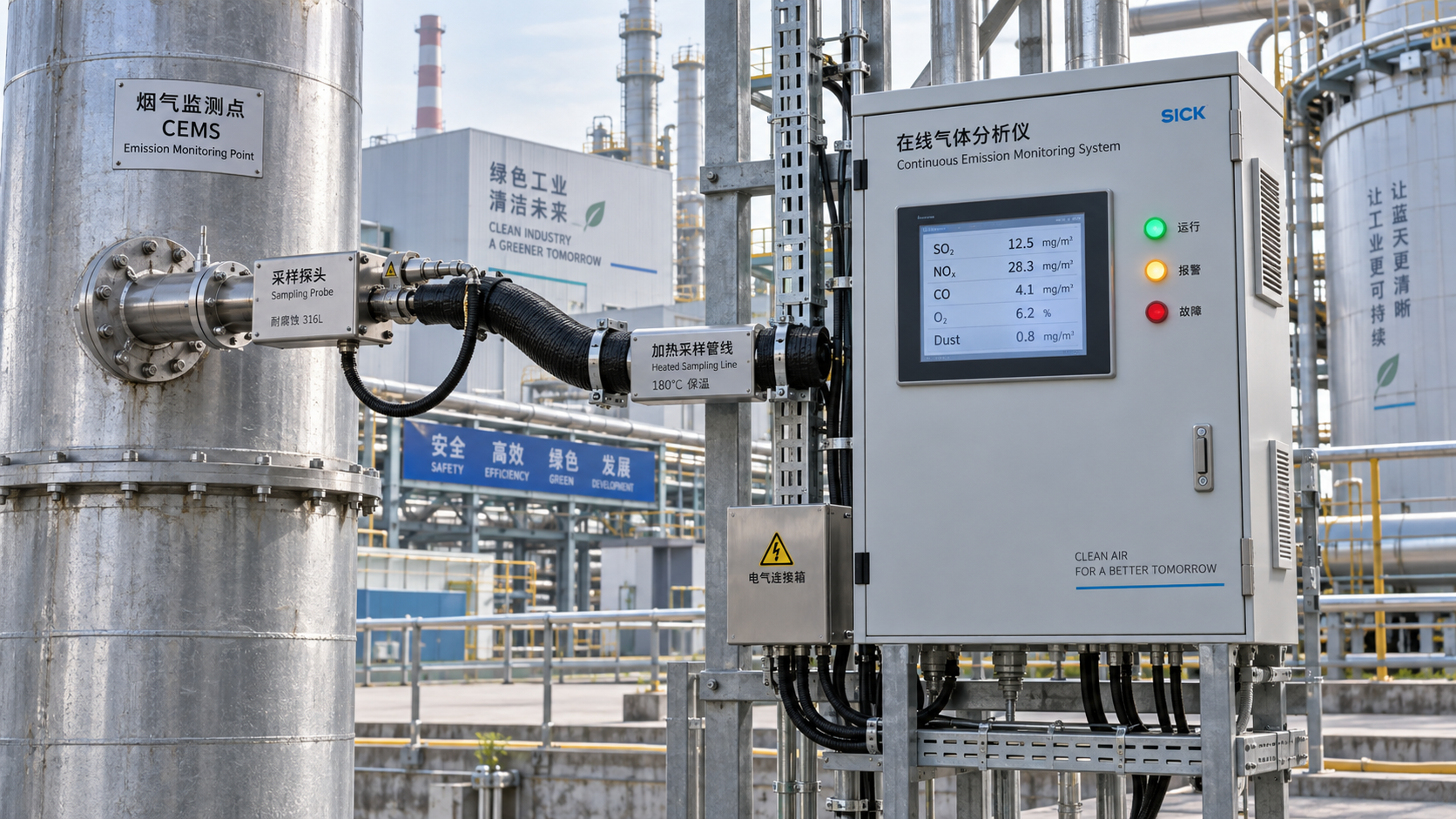
In regulated industries, inaccurate instruments can compromise reporting accuracy and audit readiness. Environmental emissions monitoring, custody transfer measurement, and safety-critical sensing applications leave very little room for undocumented variance.
For EPC contractors, unreliable suppliers can disrupt commissioning schedules and acceptance testing. If installed devices fail validation or require replacement, the project may face liquidated damages, labor overrun, and strained client relationships.
For facility managers, the risk extends into uptime and maintenance planning. If spare parts are unavailable, firmware support is weak, or service response is delayed, a manageable issue can escalate into prolonged operational disruption.
Financially, the total exposure includes emergency sourcing, expedited freight, technician callouts, repeat site visits, rework, contract penalties, and possible reputation damage. These costs rarely appear in the initial quote comparison.
How to evaluate an Instruments & Measurement supplier beyond price and lead time
Start with application fit, not product category alone. A capable supplier for general plant instrumentation may still be unsuitable for hazardous areas, hygienic environments, high-vibration service, or precision metrology applications.
Next, verify whether the supplier can provide full documentation before award. This includes calibration certificates, declaration of conformity, material traceability where needed, operating manuals, maintenance guidance, and revision-controlled datasheets.
Ask detailed questions about manufacturing consistency. Where are products made? Are critical components dual sourced? What incoming inspection procedures exist? How are design changes controlled? What is the nonconformance handling process?
Procurement should also test service quality before placing a major order. Send technical questions, request clarification on standards, and assess response speed and precision. Weak pre-sales support often predicts weak post-sales support.
Review the supplier’s quality system, but do not stop at an ISO certificate. Ask how quality data is used in practice, what failure rates are tracked, and how corrective and preventive actions are documented and closed.
It is also useful to examine installed-base evidence. Relevant case studies, reference projects, and repeat business in similar industries can reveal whether the supplier performs reliably in real operating conditions, not just in brochures.
Critical questions procurement should ask before approving a supplier
What standards and approvals apply to this exact model, and can you provide current supporting certificates? This helps distinguish real compliance readiness from general marketing claims.
How is calibration performed, and what traceability chain supports the results? This question is especially important when measurement accuracy affects process control, environmental reporting, or contractual product quality requirements.
What is your policy for product revisions, component substitutions, and end-of-life notice? Procurement needs visibility into change management so future maintenance and compliance are not undermined by unannounced product differences.
What service infrastructure supports this product after delivery? Ask about local technical support, turnaround time for repairs, spare parts availability, training options, and escalation routes for urgent field issues.
Can you share examples of failure analysis and corrective action from past issues? Strong suppliers do not claim perfection. They demonstrate disciplined investigation, transparency, and measurable improvement when problems occur.
What commercial protections are available if performance falls short? Warranty terms, acceptance criteria, return procedures, and liability language all influence the real risk profile of the sourcing decision.
Why documentation quality is often the fastest indicator of supplier trustworthiness
Instruments and measurement products are information-heavy by nature. Their value depends not only on hardware, but also on the accuracy of specifications, calibration records, installation guidance, and compliance evidence.
When documentation is incomplete, outdated, contradictory, or difficult to obtain, procurement should see that as more than an administrative inconvenience. It often signals weak internal controls and poor engineering discipline.
Good documentation reduces ambiguity during technical review, site installation, inspection, and maintenance. It also protects the buyer when auditors, clients, or insurers request evidence that the selected product met required conditions.
A reliable supplier should make critical records easy to verify. Version control, certificate authenticity, product labeling consistency, and digital accessibility all improve confidence and reduce the chance of costly misunderstandings.
Building a safer sourcing process for high-stakes instrumentation categories
Procurement can lower supplier risk by introducing a structured evaluation model. Instead of relying on price and commercial history alone, score suppliers across technical compliance, quality maturity, service responsiveness, and supply continuity.
For strategic categories, consider pilot orders or controlled qualification phases before full rollout. Small-scale testing can reveal packaging weaknesses, documentation gaps, support limitations, or performance drift before larger commitments are made.
Cross-functional review is equally important. Procurement, engineering, maintenance, quality, and EHS teams often see different risk dimensions. Bringing them together early produces a more accurate view of supplier suitability.
Supplier segmentation also helps. Not every product needs the same level of scrutiny, but safety-critical, compliance-sensitive, or process-essential instruments deserve higher approval thresholds and more rigorous ongoing monitoring.
Finally, track supplier performance after onboarding. On-time delivery, NCR frequency, support resolution time, warranty claims, and documentation accuracy should be reviewed regularly so emerging risk is identified before it affects operations.
Conclusion: the wrong supplier costs more than the wrong price
An Instruments & Measurement supplier becomes a risk when reliability, traceability, documentation, and technical accountability are uncertain. In this category, procurement is not simply buying components; it is protecting system confidence.
The best sourcing decisions come from looking beyond the quote. Buyers who verify calibration integrity, certification scope, quality discipline, support capability, and change control are far more likely to avoid expensive downstream failures.
For procurement teams, the practical takeaway is clear: if a supplier cannot prove consistency, compliance, and supportability, the lowest bid may be the highest-risk option in the entire project.
Technical Specifications
- Air Handling Unit Supplier Checklist: Performance Data, Lead Times, and SupportAuthor :Environmental Engineering Director
- Buying Fiberglass Water Tanks Wholesale: Compare Quotes and Delivery CostsAuthor :Environmental Engineering Director
- Choosing an XLPE Power Cable Supplier: Test Reports, Traceability, and Lead TimesAuthor :Grid Infrastructure Analyst
Expert Insights

Chief Security Architect
Dr. Thorne specializes in the intersection of structural engineering and digital resilience. He has advised three G7 governments on industrial infrastructure security.
Related Analysis
- Oct 19, 2026Air Handling Unit Supplier Checklist: Performance Data, Lead Times, and SupportAuthor :Environmental Engineering Director
- Oct 18, 2026Buying Fiberglass Water Tanks Wholesale: Compare Quotes and Delivery CostsAuthor :Environmental Engineering Director
- Oct 17, 2026Choosing an XLPE Power Cable Supplier: Test Reports, Traceability, and Lead TimesAuthor :Grid Infrastructure Analyst
Core Sector // 01
Security & Safety
- Choosing a Bluetooth Total Station: Software Compatibility and Connection RangeAuthor :Precision Metrology Expert

- Material Testing Standards: ASTM E8 vs. ISO 6892-1 for Metal Tensile TestsAuthor :Precision Metrology Expert

- How to Verify Accuracy in Industrial Measurement Data and Test ReportsAuthor :Precision Metrology Expert

- Selecting a Steam Vortex Flow Meter: Sizing, Pressure, and Temperature LimitsAuthor :Precision Metrology Expert

- How to Select an Industrial Infrared Thermometer for Hot, Moving EquipmentAuthor :Precision Metrology Expert

- How to Evaluate a Precision Measurement Equipment Manufacturer for Critical TolerancesAuthor :Precision Metrology Expert

- How to Select an Emissions Monitoring System Analyzer for Compliance ReportingAuthor :Precision Metrology Expert

- Portable Gas Monitor Calibration: How Often Is It Needed for Safe Confined-Space Work?Author :Precision Metrology Expert