When is an Instruments & Measurement supplier worth trusting
Author
Date Published
Reading Time
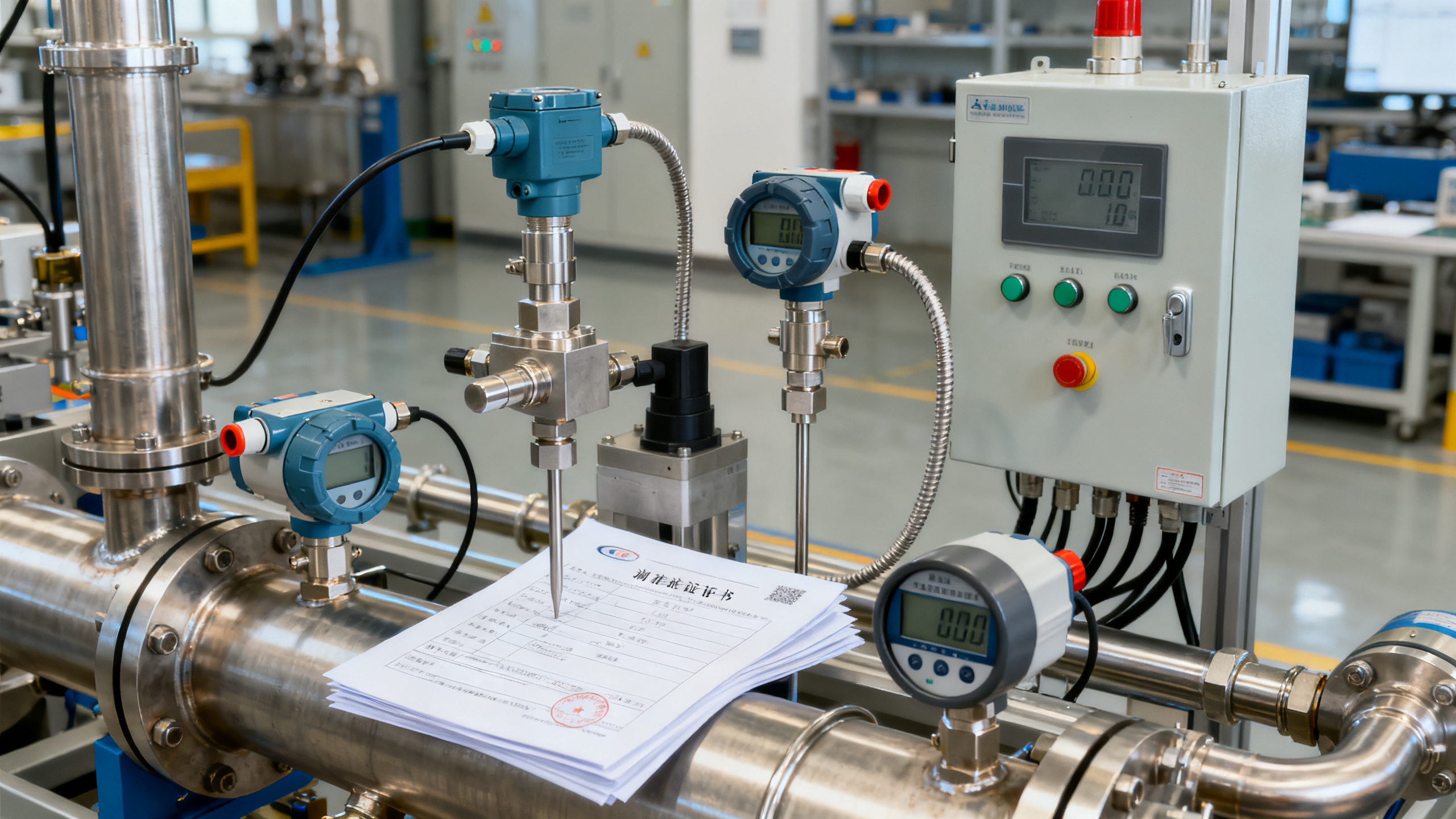
When is an Instruments & Measurement supplier worth trusting? In industrial environments, trust begins with proven performance, not promises.
A dependable Instruments & Measurement supplier supports precision, compliance, and operating stability across inspection, control, safety, and reporting tasks.
That matters across comprehensive industries, where one inaccurate reading can affect product quality, energy use, maintenance planning, and worker protection.
Trust also has commercial value. Reliable measurement partners reduce hidden costs, shorten audits, and improve confidence in every technical decision.
What trust means in Instruments & Measurement supply
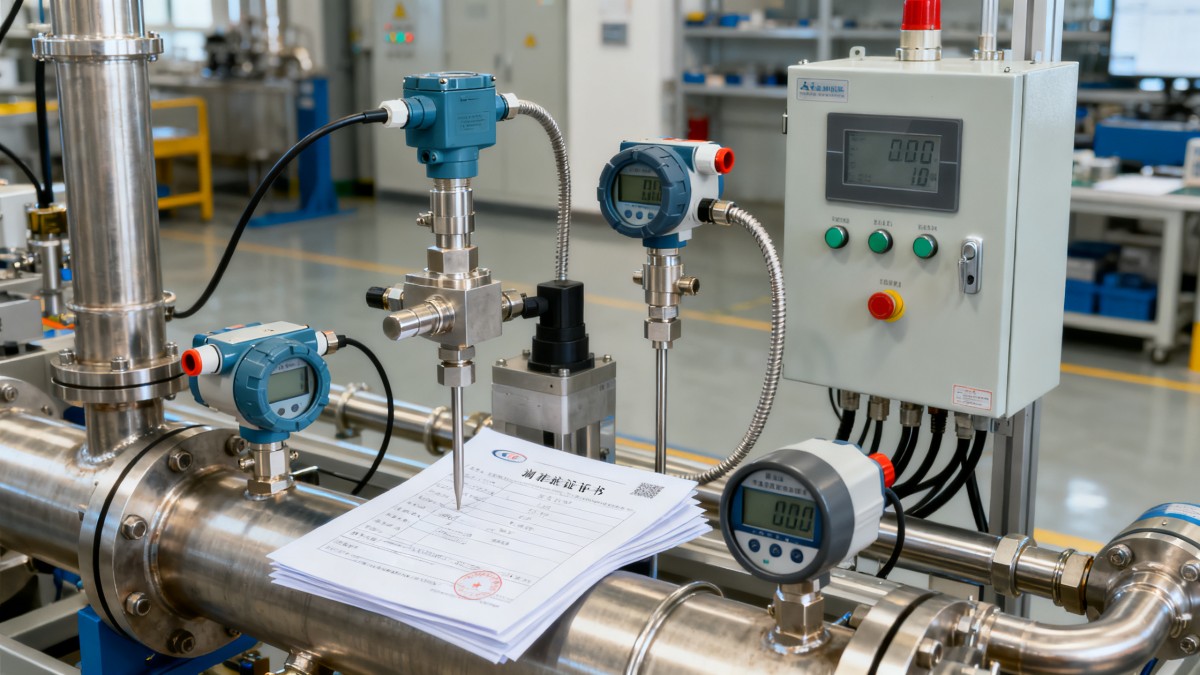
An Instruments & Measurement supplier is trusted when equipment performs accurately under stated conditions and documentation fully supports that performance.
Trust includes traceable calibration, stable manufacturing quality, clear specifications, and responsive technical support before and after delivery.
It also includes honesty about limitations. A serious supplier explains operating range, drift risk, environmental constraints, and maintenance intervals clearly.
In this field, attractive pricing alone proves little. Without verifiable data, low upfront cost often becomes high lifecycle risk.
Core signals of a trustworthy partner
- Calibration records linked to recognized standards
- Consistent quality control across batches
- Clear CE, UL, ISO, or sector-specific compliance evidence
- Defined tolerances, repeatability, and environmental ratings
- Accessible engineering support and application guidance
Why supplier trust has become a major industry concern
Industrial systems are now more automated, connected, and compliance-driven than ever. Measurement errors travel faster through digital operations.
A weak Instruments & Measurement supplier can compromise control loops, environmental monitoring, laboratory checks, and final acceptance testing.
At the same time, buyers face more product variety, more private labeling, and more uneven documentation quality across global sourcing channels.
This makes trust assessment a strategic process, not a simple vendor comparison exercise.
Current market signals to review
How a trusted Instruments & Measurement supplier creates operational value
Reliable measurement improves more than inspection accuracy. It strengthens the full chain of industrial decision-making.
A qualified Instruments & Measurement supplier helps maintain process consistency, supports root-cause analysis, and reduces avoidable downtime.
Better instrumentation also improves confidence in emissions data, energy consumption readings, pressure control, and equipment health monitoring.
Where compliance is critical, trusted supply reduces the burden of rechecking certificates, repeating tests, or disputing field performance.
Business outcomes linked to supplier quality
- Lower probability of false readings and false alarms
- Higher repeatability in quality assurance workflows
- Improved readiness for internal and external audits
- Stronger lifecycle cost control through predictable maintenance
- Faster issue resolution when technical support is competent
Practical criteria for evaluating a supplier
A trustworthy Instruments & Measurement supplier should be evaluated through evidence, not branding alone.
Start with the technical file. Check whether published specifications are complete, testable, and relevant to your operating conditions.
Then review manufacturing discipline. Stable suppliers maintain process control, version control, and traceable component sourcing.
Finally, test service quality. Support speed matters, but technical depth matters more when problems affect live systems.
Evaluation checklist
Typical situations where trust matters most
Not every instrument carries the same level of operational consequence. Some applications demand stricter supplier confidence.
A capable Instruments & Measurement supplier becomes especially valuable where accuracy failure can trigger safety, legal, or production impacts.
Representative application groups
- Pressure, flow, and temperature monitoring in process systems
- Emission and environmental measurement for reporting compliance
- Dimensional inspection in precision manufacturing
- Electrical testing for power quality and asset protection
- Laboratory verification tied to release or acceptance decisions
Risk-based view of supplier importance
Warning signs that should not be ignored
Some supplier weaknesses appear early, long before a field failure occurs. These signs deserve immediate attention.
- Certificates that are incomplete, expired, or hard to verify
- Specifications that avoid detail on drift or repeatability
- Frequent model substitutions without documentation updates
- Support teams unable to answer application-level questions
- Very low pricing without transparent quality explanation
Any Instruments & Measurement supplier showing several of these issues should face deeper technical review before approval.
Practical steps for building a stronger approval process
A disciplined approval process improves outcomes even in complex sourcing environments.
- Define operating conditions before comparing quotations.
- Request calibration, compliance, and material documentation upfront.
- Run sample validation or pilot installation where risk is high.
- Score each Instruments & Measurement supplier on lifecycle value, not unit price.
- Review post-installation performance and update supplier status periodically.
This approach creates measurable trust. It also turns supplier selection into a repeatable quality system rather than a one-time purchase task.
Closing perspective and next-step action
An Instruments & Measurement supplier is worth trusting when performance is documented, compliance is traceable, and support remains reliable under real conditions.
In comprehensive industry settings, that trust protects quality, safety, uptime, and reporting integrity at the same time.
The most useful next step is simple. Review current suppliers against calibration evidence, application fit, audit readiness, and service capability.
Where gaps appear, use a structured qualification framework and compare each Instruments & Measurement supplier through verified technical proof.
That is how trust becomes practical, defensible, and valuable across modern industrial operations.
Technical Specifications
- How to Select Electronic Hotel Key Card Locks for Guest Rooms and Staff AreasAuthor :Safety Compliance Lead
- How to Select Lab Instruments for Reliable Chemical Analysis WorkflowsAuthor :Precision Metrology Expert
- How to Size a UPS for Server Rooms: Load, Runtime, and Redundancy FactorsAuthor :Grid Infrastructure Analyst
Expert Insights

Chief Security Architect
Dr. Thorne specializes in the intersection of structural engineering and digital resilience. He has advised three G7 governments on industrial infrastructure security.
Related Analysis
- Sep 17, 2026How to Select Electronic Hotel Key Card Locks for Guest Rooms and Staff AreasAuthor :Safety Compliance Lead
- Sep 16, 2026How to Select Lab Instruments for Reliable Chemical Analysis WorkflowsAuthor :Precision Metrology Expert
- Sep 15, 2026How to Size a UPS for Server Rooms: Load, Runtime, and Redundancy FactorsAuthor :Grid Infrastructure Analyst
Core Sector // 01
Security & Safety
- How to Select Lab Instruments for Reliable Chemical Analysis WorkflowsAuthor :Precision Metrology Expert

- Buying Lint-Free Wipes in Bulk: How to Match Material and Packaging to Cleanroom UseAuthor :Precision Metrology Expert

- How to Choose a Class II Biosafety Cabinet Supplier for Compliant Lab ProcurementAuthor :Precision Metrology Expert

- Wholesale Binocular Microscopes: Comparing Specifications, MOQs, and QC RiskAuthor :Precision Metrology Expert

- How to Evaluate a UV-Visible Spectrophotometer Manufacturer for Lab Accuracy?Author :Precision Metrology Expert

- China Temporarily Bans Helium ExportsAuthor :Precision Metrology Expert

- What to Check Before Buying a Digital Lab Incubator Wholesale OrderAuthor :Precision Metrology Expert

- Electric Muffle Furnace Wholesale: How to Evaluate Capacity, Temperature, and MOQAuthor :Precision Metrology Expert