New Zealand Introduces New Border Fee for Low-Value Lab Imports
Author
Date Published
Reading Time
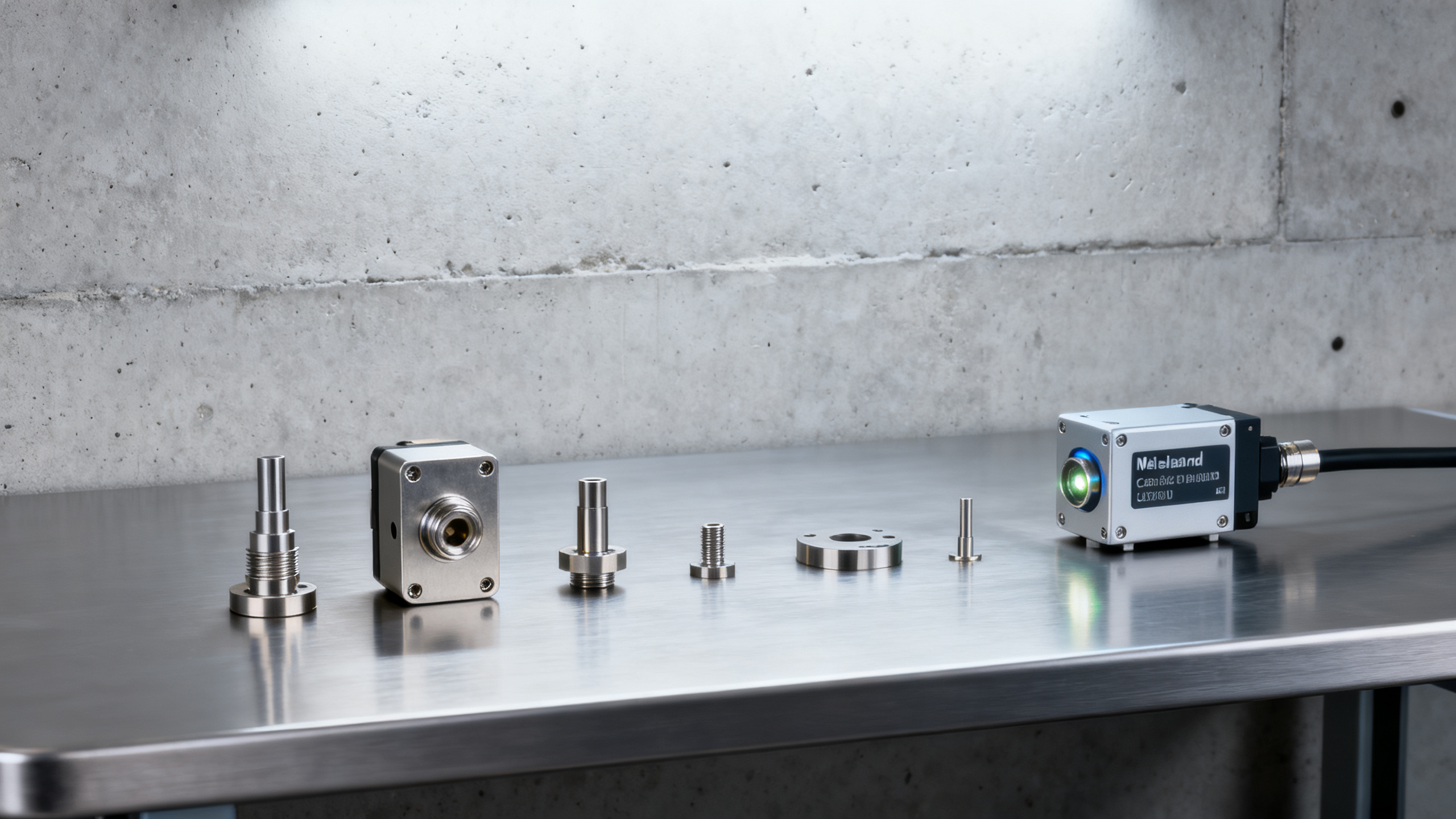
New Zealand’s Customs implemented a new Low Value Shipping (LVS) regime on 1 May 2026, imposing a NZ$15 border service fee plus 5% GST on all import parcels valued at NZ$1000 or less. This change directly affects laboratory and analytical equipment suppliers, distributors, and end-users relying on frequent small-batch imports of consumables—such as analytical instrument parts, calibration standards, and precision sensor components—making it a key development for the global lab & analytics supply chain.
Event Overview
Effective 1 May 2026, New Zealand Customs introduced the Low Value Shipping (LVS) policy. Under this measure, all imported parcels with a declared customs value of NZ$1000 or less are subject to a flat NZ$15 border service fee and 5% Goods and Services Tax (GST). The policy applies uniformly across eligible shipments, regardless of origin, and covers commonly imported lab & analytics items including accessories for analytical instruments, certified reference materials, calibration standards, and disposable sensor elements.
Which Sub-Sectors Are Affected
Direct Trading Enterprises (e.g., overseas lab equipment manufacturers selling into NZ)
These entities often ship low-value spares, firmware-upgrade kits, or single-use calibration tools under NZ$1000 per parcel. The new fee applies to each such consignment, increasing landed cost per shipment—and reducing margin predictability on high-frequency, low-margin line items.
Lab Consumables Procurement Teams (e.g., research institutes, clinical labs, contract testing labs in NZ)
They routinely order small quantities of certified standards or sensor tips from international vendors. With average clearance cost increases of 12–18%, recurring procurement budgets face upward pressure—especially where vendor pricing does not absorb the new levy.
Supply Chain & Logistics Providers Specialising in Lab Freight
Firms offering cross-border fulfilment for lab distributors must now factor in the NZ$15 fee per parcel into quoting, documentation, and duty/tax calculation logic. Automated customs platforms may require updates to reflect the fixed-fee + GST structure—not just value-based GST—as legacy systems often assume GST-only treatment for sub-NZ$1000 shipments.
What Relevant Enterprises or Practitioners Should Focus On — And How to Respond
Monitor official guidance on fee applicability thresholds and exemptions
While the NZ$1000 threshold and NZ$15 fee are confirmed, Customs has not yet published definitive exclusions—for example, whether certain scientific samples or non-commercial research shipments qualify for relief. Enterprises should track updates via the New Zealand Customs website and registered trade advisories.
Review current parcel-level shipment patterns for lab consumables
Analysis shows that many lab-related LVS shipments cluster just below NZ$1000 to avoid higher-tier valuation rules. With the new fee applied uniformly, consolidating smaller orders into higher-value parcels (where feasible and compliant) may reduce per-unit cost impact—though this requires reassessing inventory holding, shelf-life constraints, and vendor minimum order terms.
Distinguish between policy announcement and operational implementation
Observably, the LVS framework is live as of 1 May 2026, but early reports indicate variability in how courier partners and brokers apply the fee—particularly regarding timing of GST collection and reconciliation. Enterprises should verify billing consistency across carriers and confirm whether the NZ$15 fee appears as a separate line item on entry documentation.
Update internal procurement workflows and vendor communications
From an operational standpoint, procurement teams should revise purchase order templates to specify responsibility for the NZ$15 fee (e.g., DAP vs. DDU incoterms), and request updated commercial invoices that clearly separate goods value, border service fee, and GST. Early coordination with key international suppliers helps align expectations on landed cost transparency.
Editorial Perspective / Industry Observation
This policy shift is better understood as a structural recalibration of New Zealand’s border cost recovery model—not merely a tariff adjustment. Analysis shows it reflects a broader trend among OECD nations to standardise handling fees for e-commerce–style low-value consignments, shifting administrative burden from risk-based inspection to predictable per-parcel recovery. While the immediate financial impact is modest per shipment, its cumulative effect on lab sector operating costs is material due to high shipment frequency and narrow margins on consumables. Industry should treat this as an ongoing signal—not a one-time event—as similar frameworks are under review in Australia and the UK.
Conclusion
The introduction of New Zealand’s LVS border fee marks a measurable, operationally relevant shift for stakeholders engaged in cross-border lab & analytics trade. It does not represent a trade barrier per se, but rather a new cost layer requiring systematic accounting, documentation alignment, and supplier collaboration. Currently, it is more accurately interpreted as a procedural tightening with budgetary implications—rather than a strategic trade policy change. Enterprises are advised to assess exposure at the parcel level, not the product category level, and prioritise clarity over speed in adapting internal processes.
Source(s):
New Zealand Customs Service – Official LVS Policy Notice (effective 1 May 2026)
Note: Ongoing monitoring is recommended for potential clarifications on exemption criteria, digital filing requirements, and third-party broker compliance protocols—none of which have been formally confirmed as of publication.
Technical Specifications
- How to Select Electronic Hotel Key Card Locks for Guest Rooms and Staff AreasAuthor :Safety Compliance Lead
- How to Select Lab Instruments for Reliable Chemical Analysis WorkflowsAuthor :Precision Metrology Expert
- How to Size a UPS for Server Rooms: Load, Runtime, and Redundancy FactorsAuthor :Grid Infrastructure Analyst
Expert Insights

Chief Security Architect
Dr. Thorne specializes in the intersection of structural engineering and digital resilience. He has advised three G7 governments on industrial infrastructure security.
Related Analysis
- Sep 17, 2026How to Select Electronic Hotel Key Card Locks for Guest Rooms and Staff AreasAuthor :Safety Compliance Lead
- Sep 16, 2026How to Select Lab Instruments for Reliable Chemical Analysis WorkflowsAuthor :Precision Metrology Expert
- Sep 15, 2026How to Size a UPS for Server Rooms: Load, Runtime, and Redundancy FactorsAuthor :Grid Infrastructure Analyst
Core Sector // 01
Security & Safety
- How to Select Lab Instruments for Reliable Chemical Analysis WorkflowsAuthor :Precision Metrology Expert

- Buying Lint-Free Wipes in Bulk: How to Match Material and Packaging to Cleanroom UseAuthor :Precision Metrology Expert

- How to Choose a Class II Biosafety Cabinet Supplier for Compliant Lab ProcurementAuthor :Precision Metrology Expert

- Wholesale Binocular Microscopes: Comparing Specifications, MOQs, and QC RiskAuthor :Precision Metrology Expert

- How to Evaluate a UV-Visible Spectrophotometer Manufacturer for Lab Accuracy?Author :Precision Metrology Expert

- China Temporarily Bans Helium ExportsAuthor :Precision Metrology Expert

- What to Check Before Buying a Digital Lab Incubator Wholesale OrderAuthor :Precision Metrology Expert

- Electric Muffle Furnace Wholesale: How to Evaluate Capacity, Temperature, and MOQAuthor :Precision Metrology Expert