FDA Recognizes ISO 17025:2023 for Calibration Labs
Author
Date Published
Reading Time
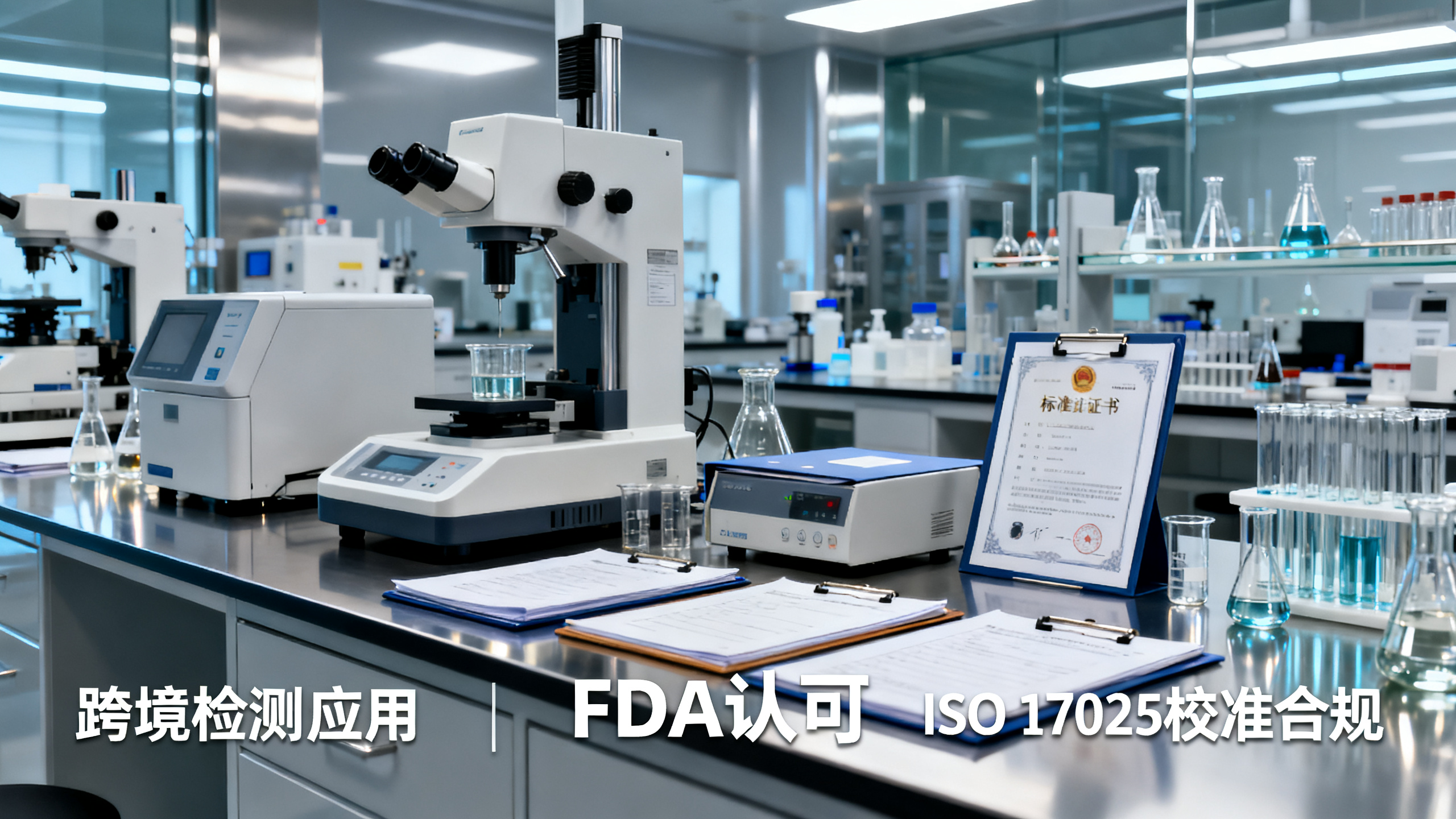
On July 14, 2026, the U.S. Food and Drug Administration updated its Laboratory Accreditation Program guidance and expanded recognition of ISO/IEC 17025:2023 for calibration laboratories serving analytical instruments used in pharmaceutical, food safety, and environmental testing. For importers and other businesses relying on certified calibration services, this is worth close attention because it points to a more defined compliance path and may reduce the validation work tied to instrument calibration support.
What the FDA Has Formally Recognized
The confirmed development is that the FDA, in its July 2026 update to Laboratory Accreditation Program guidance, formally recognized ISO/IEC 17025:2023 accreditation for calibration laboratories that supply analytical instruments used in pharmaceutical, food safety, and environmental testing.
The confirmed summary also indicates that this recognition reduces the validation burden for importers that use certified calibration services. No additional scope, implementation detail, or market coverage beyond that has been provided in the source information.
Where the Immediate Impact May Be Felt
Import compliance and cross-border instrument use
From an industry perspective, importers are the most directly affected group because the update explicitly refers to a reduced validation burden when certified calibration services are used. The practical effect may be seen in document review, qualification workflows, and compliance communication around analytical instruments entering regulated use.
Calibration service providers and accredited labs
Calibration laboratories serving analytical equipment may see greater scrutiny on whether their accreditation status aligns clearly with ISO/IEC 17025:2023 as recognized by the FDA guidance. What deserves closer attention is not only accreditation itself, but also how that status is presented in customer-facing records, certificates, and supporting documentation.
Pharmaceutical, food safety, and environmental testing operations
Testing organizations and instrument users in these three application areas may need to reassess how calibration evidence is handled in supplier qualification and instrument support processes. Analysis shows the update is relevant wherever analytical instruments are part of regulated testing activity and where imported equipment or externally calibrated systems are involved.
Procurement and supply chain coordination
Procurement teams, quality units, and supply chain service providers may also be affected because calibration status can influence vendor selection, onboarding timelines, and document readiness. Observably, the issue is not limited to laboratory operations; it also touches purchasing decisions and supplier communication before equipment is placed into use.
What Companies Should Watch Now
How the guidance is described in practice
Companies should closely track the exact official wording used in FDA communications and in related supplier materials. The key practical question is whether internal teams are treating recognition of ISO/IEC 17025:2023 as a defined regulatory reference point, rather than assuming broader changes that have not been stated.
Supplier qualifications and calibration records
Businesses using analytical instruments should review whether their calibration providers can clearly demonstrate recognized accreditation status and provide consistent documentation. This is especially relevant for importers that may want to align validation files, supplier records, and customer-facing compliance explanations with the updated guidance.
The gap between policy signal and execution
Analysis shows there is a difference between a recognized accreditation pathway and day-to-day operational acceptance across teams, audits, and transactions. Companies should therefore pay attention to how procurement, quality, and regulatory personnel interpret the change in actual workflows, rather than assuming that every existing procedure will update automatically.
Planning around lead times and customer communication
Where calibration status affects delivery readiness or import-related review, companies may need to prepare clearer communication for customers and internal stakeholders. What deserves closer attention is whether certified calibration services now change document expectations, review timing, or escalation needs in specific business processes.
Why This Looks More Like a Policy Signal Than a Final Endpoint
Observably, this development carries both immediate operational relevance and a longer-term policy signal. The immediate relevance comes from the stated reduction in validation burden for importers using certified calibration services. The longer-term signal is that accreditation status for calibration laboratories is being more explicitly linked to regulatory recognition in areas tied to analytical testing.
It is more appropriate to understand this as a meaningful compliance development, but not as a fully closed outcome for every affected workflow. Further observation is still needed on how companies, service providers, and regulated users translate the guidance into routine qualification, documentation, and purchasing practice.
How This Update Is Best Understood Today
At this stage, the FDA update is best read as a targeted regulatory clarification with practical implications for calibration-related compliance, especially for importers and for organizations using analytical instruments in pharmaceutical, food safety, and environmental testing. It does not, based on the provided information, support broader conclusions beyond the recognition of ISO/IEC 17025:2023 and the stated reduction in validation burden.
A neutral industry reading is that the change matters most where accredited calibration services intersect with regulated instrument use and import processes. The clearest next step for companies is careful alignment of supplier qualifications, documentation expectations, and internal interpretation of the updated guidance.
Basis of This Article
This article is based on the user-provided news title, event date, and event summary regarding the FDA's expanded recognition of ISO/IEC 17025:2023 for calibration laboratories. For developments of this type, relevant source categories usually include official agency notices, company statements, industry association updates, authoritative media coverage, and standards organization documents.
A specific official source link was not provided in the input, so the underlying wording and any later clarifications should continue to be verified. Areas that still merit follow-up include any further FDA explanation of scope, implementation interpretation by affected organizations, and changes in how accredited calibration documentation is used in business practice.
Technical Specifications
- How to Select Electronic Hotel Key Card Locks for Guest Rooms and Staff AreasAuthor :Safety Compliance Lead
- How to Select Lab Instruments for Reliable Chemical Analysis WorkflowsAuthor :Precision Metrology Expert
- How to Size a UPS for Server Rooms: Load, Runtime, and Redundancy FactorsAuthor :Grid Infrastructure Analyst
Expert Insights

Chief Security Architect
Dr. Thorne specializes in the intersection of structural engineering and digital resilience. He has advised three G7 governments on industrial infrastructure security.
Related Analysis
- Sep 17, 2026How to Select Electronic Hotel Key Card Locks for Guest Rooms and Staff AreasAuthor :Safety Compliance Lead
- Sep 16, 2026How to Select Lab Instruments for Reliable Chemical Analysis WorkflowsAuthor :Precision Metrology Expert
- Sep 15, 2026How to Size a UPS for Server Rooms: Load, Runtime, and Redundancy FactorsAuthor :Grid Infrastructure Analyst
Core Sector // 01
Security & Safety
- How to Select Lab Instruments for Reliable Chemical Analysis WorkflowsAuthor :Precision Metrology Expert

- Buying Lint-Free Wipes in Bulk: How to Match Material and Packaging to Cleanroom UseAuthor :Precision Metrology Expert

- How to Choose a Class II Biosafety Cabinet Supplier for Compliant Lab ProcurementAuthor :Precision Metrology Expert

- Wholesale Binocular Microscopes: Comparing Specifications, MOQs, and QC RiskAuthor :Precision Metrology Expert

- How to Evaluate a UV-Visible Spectrophotometer Manufacturer for Lab Accuracy?Author :Precision Metrology Expert

- China Temporarily Bans Helium ExportsAuthor :Precision Metrology Expert

- What to Check Before Buying a Digital Lab Incubator Wholesale OrderAuthor :Precision Metrology Expert

- Electric Muffle Furnace Wholesale: How to Evaluate Capacity, Temperature, and MOQAuthor :Precision Metrology Expert