Constant Temperature Incubator Wholesale: What Buyers Should Check Before Ordering
Author
Date Published
Reading Time
Constant Temperature Incubator Wholesale: What Buyers Should Check Before Ordering
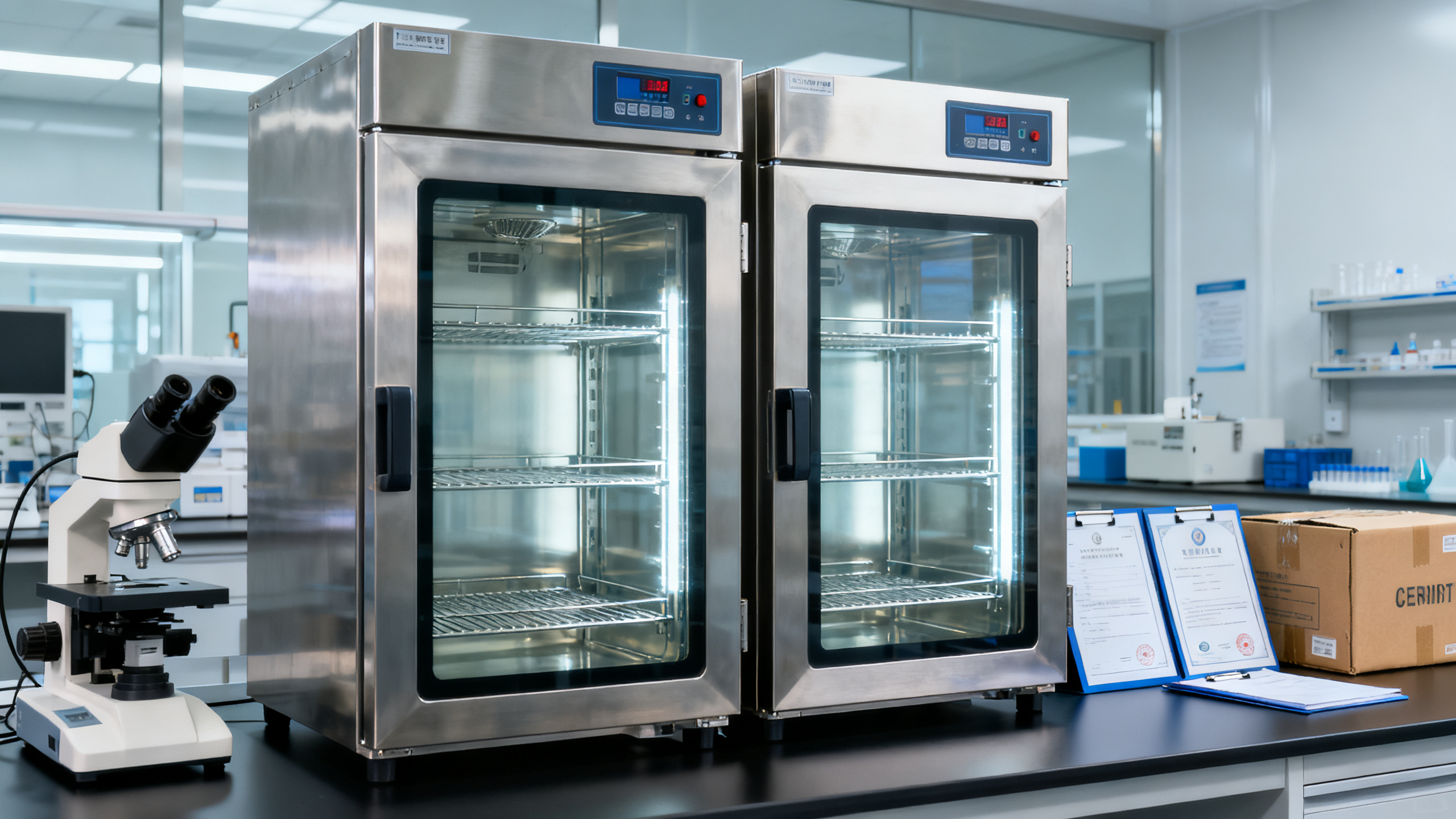
In constant temperature incubator wholesale, one wrong specification can lead to compliance issues, unstable performance, or costly returns for downstream customers.
Before placing bulk orders, it is essential to verify temperature accuracy, chamber uniformity, certification, build quality, and supplier support.
This guide breaks down the checkpoints that reduce sourcing risk and help secure reliable, market-ready inventory.
Start with the actual application, not the catalog headline
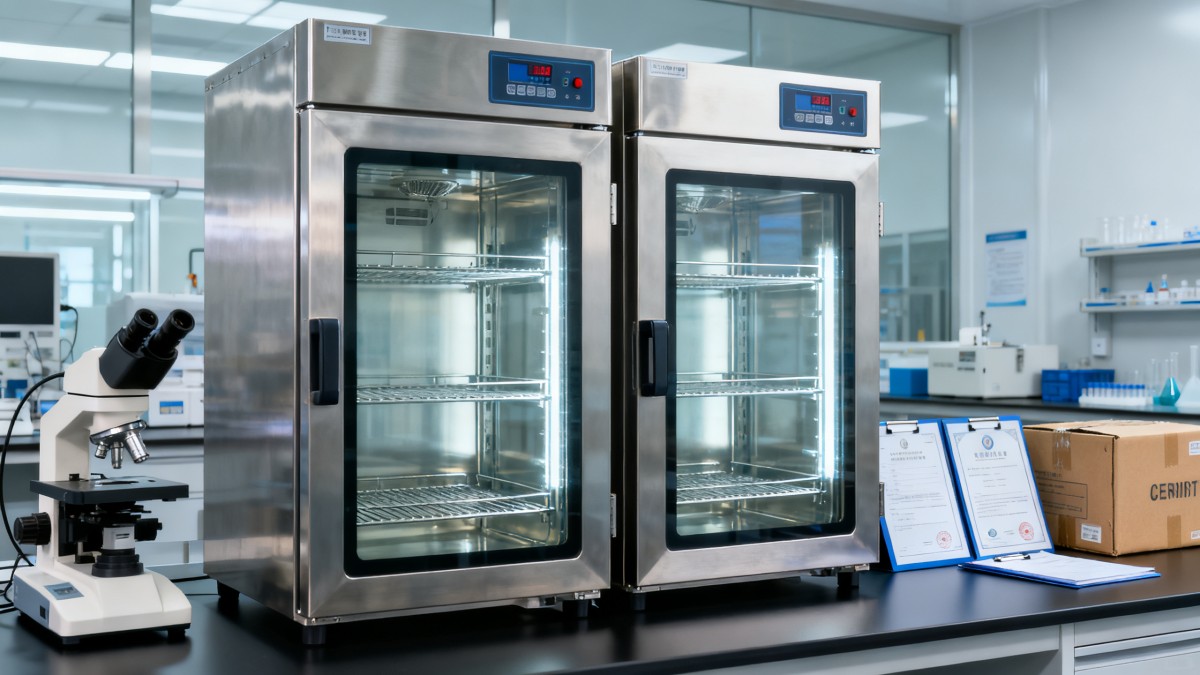
In constant temperature incubator wholesale, application fit should come before unit price.
A model designed for routine lab culture may fail in pharmaceutical storage, microbiology testing, or industrial material conditioning.
That mismatch usually surfaces after delivery, when replacement costs are already locked in.
Ask suppliers what the unit is built for in real operating terms.
Check whether the incubator supports biological samples, reagent stability, seed germination, BOD work, or general thermal testing.
This also affects how you position the product in your channel.
A broad “lab incubator” label may sound useful, but it often weakens sales conversations.
The better route is to map each model to target end-use sectors and expected operating profiles.
- Working temperature range
- Continuous run hours per day
- Typical chamber load volume
- Required hygiene or contamination control level
- Local compliance expectations
In practical sourcing, this first step filters out many unsuitable offers before technical review even begins.
Verify temperature accuracy and chamber uniformity
For constant temperature incubator wholesale, temperature claims deserve careful scrutiny.
Many quotations list attractive numbers, but they do not always explain the test conditions behind them.
Accuracy and uniformity are not the same thing, and buyers need both.
Accuracy shows how close the chamber gets to the setpoint.
Uniformity shows whether temperatures stay consistent across different positions inside the chamber.
Downstream users usually notice uniformity problems first, especially with sensitive cultures or batch comparisons.
What to request from the supplier
- Temperature accuracy data at key setpoints
- Uniformity test results with chamber mapping
- Recovery time after door opening
- Stability data over extended runtime
- Calibration method and instrument traceability
If the supplier cannot provide test records, that is a sourcing risk.
For resale markets with demanding laboratories, unsupported claims can quickly become warranty problems.
A dependable constant temperature incubator wholesale program should include repeatable, documented performance data.
Check heating system design and airflow logic
The chamber result depends heavily on what happens behind the panel.
That is why constant temperature incubator wholesale decisions should include a closer look at internal design.
Ask whether the system uses natural convection or forced-air circulation.
Natural convection can suit gentle incubation needs.
Forced-air designs often deliver faster recovery and better uniformity, but airflow intensity must match the application.
It also helps to confirm heater placement, fan durability, insulation thickness, and door seal quality.
Small hardware choices affect long-term stability more than many buyers expect.
From a channel perspective, these details influence complaint rates, service calls, and replacement frequency.
Confirm material quality and cleanability
Material selection matters in constant temperature incubator wholesale because end users care about hygiene, corrosion resistance, and lifespan.
Stainless steel interiors are common, but grades and finishing standards vary.
The same is true for shelves, inner corners, and gasket materials.
Request clear information on chamber material, coating durability, shelf load capacity, and resistance to disinfectants.
Rounded internal corners and removable shelves can make cleaning much easier.
That becomes a selling point in hospitals, research labs, and regulated environments.
Poor finish quality may not show in the quotation stage, but it often appears after repeated cleaning cycles.
Do not treat certification as a box-ticking exercise
In constant temperature incubator wholesale, certification directly affects market access and buyer confidence.
Still, many sourcing errors happen because buyers accept a logo on a brochure without validating the underlying documents.
Ask for current certificates, test reports, and the exact model coverage.
Do not assume one certified product line means every chamber size is included.
For many markets, the baseline checklist includes CE, ISO, and electrical safety documentation.
Some regions or institutional customers may also expect UL-related compliance paths or local registration support.
This is where a strong supplier becomes more than a factory.
A reliable partner should explain which documents support customs clearance, tender qualification, and end-user audits.
Minimum compliance checks
- Certificate validity dates
- Model number consistency across files
- Test lab credibility
- Voltage and frequency compatibility
- User manual and label conformity
Review controls, alarms, and user-facing reliability
A constant temperature incubator wholesale order should also be evaluated from the operator’s point of view.
If the controller is confusing or the alarm system is weak, even good thermal performance may not save the user experience.
Look for readable displays, stable setpoint control, over-temperature protection, sensor fault alarms, and power interruption recovery.
Some markets also value USB logging, RS485 communication, or data export capability.
These are not always mandatory, but they can improve competitiveness.
In recent procurement trends, better monitoring features are becoming easier to justify than before.
That shift matters when comparing similar wholesale offers.
Compare supplier support beyond the quoted price
Pricing is important in constant temperature incubator wholesale, but the lowest quote rarely shows the full landed cost.
A weak supplier can generate hidden costs through delayed delivery, incomplete documentation, spare part shortages, and slow warranty handling.
That is why support capability deserves formal review.
Ask practical questions about lead time stability, MOQ flexibility, replacement parts, packaging strength, and after-sales response windows.
It is also worth checking whether the supplier can provide localized manuals, private labeling, or distributor training.
Those details help channel partners scale more smoothly.
Questions that expose supplier strength
- How fast can critical spare parts ship?
- What percentage of orders ship on time?
- How are warranty claims documented and closed?
- Can packaging pass long-distance export handling?
- Is technical support available before resale complaints escalate?
Use a simple evaluation matrix before placing bulk orders
When several suppliers look similar, a structured scorecard makes constant temperature incubator wholesale decisions more defensible.
This is especially useful when comparing OEM and branded offers across different price bands.
A weighted matrix also helps internal teams explain why one wholesale source is safer than another.
Final takeaway for constant temperature incubator wholesale
Successful constant temperature incubator wholesale is rarely about finding a low price first.
It is about choosing equipment that will perform consistently, meet compliance needs, and hold up in real customer environments.
The strongest procurement decisions usually come from disciplined verification.
Check application fit, demand proof of thermal performance, validate certification, inspect build quality, and measure supplier responsiveness before committing volume.
That process takes more effort upfront, but it protects margin, reputation, and repeat business over time.
For any upcoming constant temperature incubator wholesale order, use these checkpoints as a pre-purchase filter before signing off on production.
Technical Specifications
- Air Handling Unit Supplier Checklist: Performance Data, Lead Times, and SupportAuthor :Environmental Engineering Director
- Buying Fiberglass Water Tanks Wholesale: Compare Quotes and Delivery CostsAuthor :Environmental Engineering Director
- Choosing an XLPE Power Cable Supplier: Test Reports, Traceability, and Lead TimesAuthor :Grid Infrastructure Analyst
Expert Insights

Chief Security Architect
Dr. Thorne specializes in the intersection of structural engineering and digital resilience. He has advised three G7 governments on industrial infrastructure security.
Related Analysis
- Oct 19, 2026Air Handling Unit Supplier Checklist: Performance Data, Lead Times, and SupportAuthor :Environmental Engineering Director
- Oct 18, 2026Buying Fiberglass Water Tanks Wholesale: Compare Quotes and Delivery CostsAuthor :Environmental Engineering Director
- Oct 17, 2026Choosing an XLPE Power Cable Supplier: Test Reports, Traceability, and Lead TimesAuthor :Grid Infrastructure Analyst
Core Sector // 01
Security & Safety
- Choosing a 5-Part Hematology Analyzer: Throughput, Sample Volume, and QCAuthor :Precision Metrology Expert

- Wholesale Borosilicate Lab Glassware: How Buyers Verify Quality, Specs, and Supply ReliabilityAuthor :Precision Metrology Expert

- How to Select Lab Instruments for Reliable Chemical Analysis WorkflowsAuthor :Precision Metrology Expert

- Buying Lint-Free Wipes in Bulk: How to Match Material and Packaging to Cleanroom UseAuthor :Precision Metrology Expert

- How to Choose a Class II Biosafety Cabinet Supplier for Compliant Lab ProcurementAuthor :Precision Metrology Expert

- Wholesale Binocular Microscopes: Comparing Specifications, MOQs, and QC RiskAuthor :Precision Metrology Expert

- How to Evaluate a UV-Visible Spectrophotometer Manufacturer for Lab Accuracy?Author :Precision Metrology Expert

- China Temporarily Bans Helium ExportsAuthor :Precision Metrology Expert