When is an Instruments & Measurement supplier a bad fit?
Author
Date Published
Reading Time
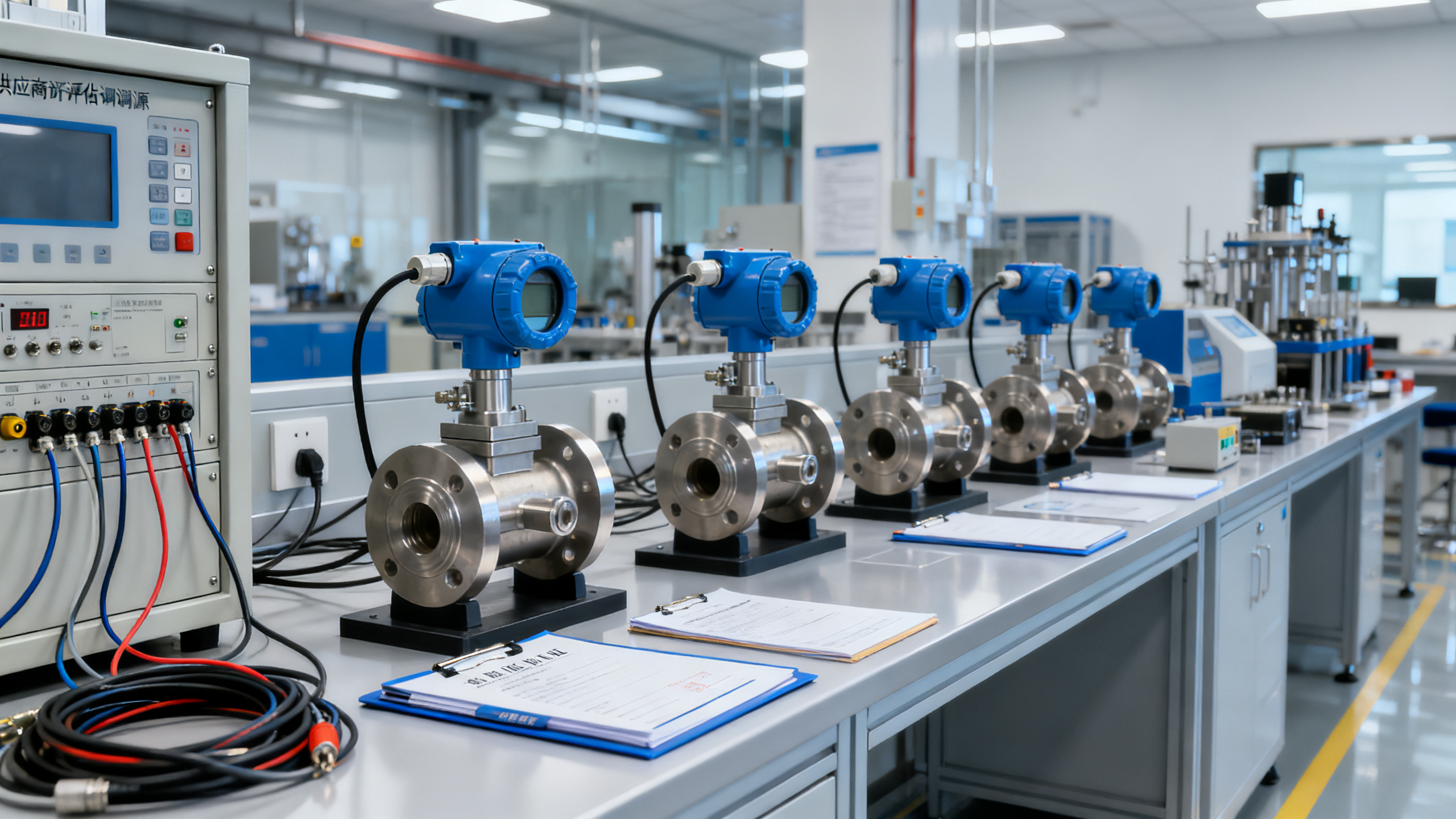
Choosing the wrong Instruments & Measurement supplier can delay commissioning, weaken compliance, and create expensive rework long after purchase orders are placed. In industrial projects, supplier fit depends on more than price sheets. Calibration traceability, documentation quality, engineering support, replacement availability, and delivery reliability all affect whether instruments perform as specified under real operating conditions.
A bad-fit Instruments & Measurement supplier often looks acceptable during bidding. Problems usually emerge later, during FAT, site installation, startup, or audits. This guide provides a practical checklist for identifying warning signs early, so sourcing decisions protect uptime, safety, and lifecycle value.
Why a checklist matters before selecting an Instruments & Measurement supplier
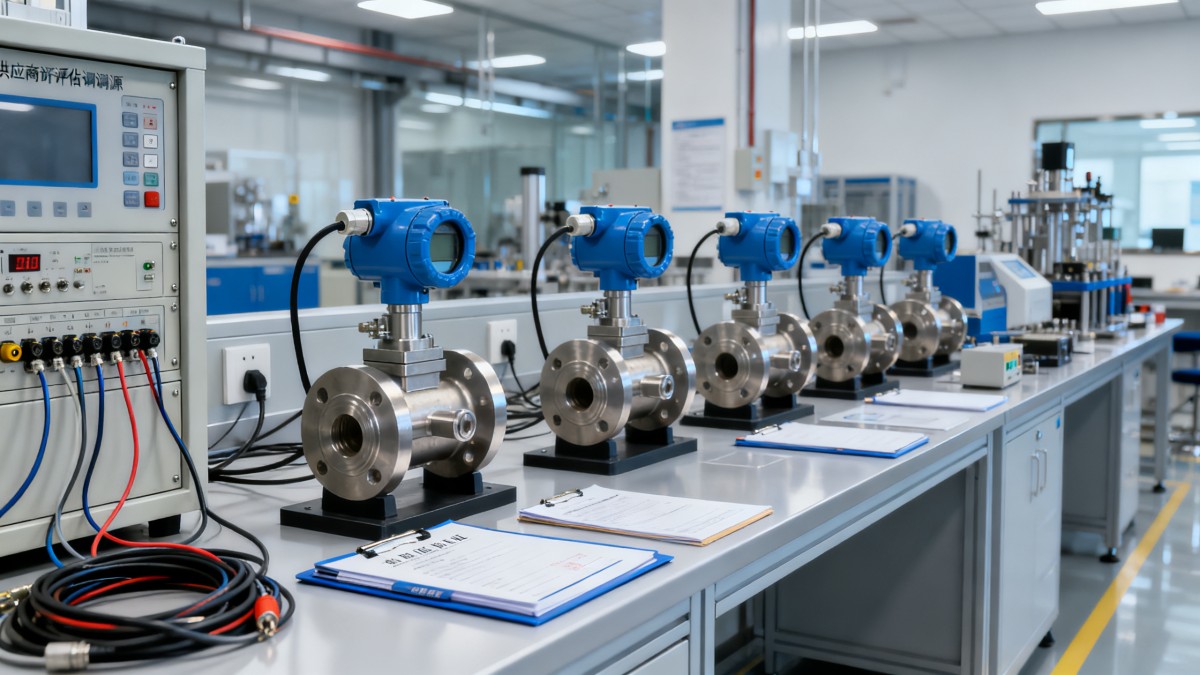
Industrial instrumentation supports control loops, emissions monitoring, custody transfer, machine protection, and process safety. A poor supplier match can introduce hidden failure modes. These include inaccurate readings, missing certificates, incompatible protocols, and weak post-sale response during shutdown-critical events.
A checklist prevents decisions based on catalog appearance alone. It forces verification of standards, service depth, and supply continuity. That matters across energy, water treatment, manufacturing, mining, utilities, and infrastructure projects where measurement errors become operational risk.
Core checklist: signs an Instruments & Measurement supplier is a bad fit
- Verify certification scope. If the supplier cannot provide current CE, UL, ISO, calibration traceability, or hazardous-area approvals relevant to your site, reject the offer early.
- Check application knowledge. If product recommendations ignore media type, pressure range, temperature cycling, vibration, ingress risk, or signal environment, technical fit is probably weak.
- Review documentation quality. Missing datasheets, inconsistent model codes, vague accuracy statements, or incomplete material certificates indicate unreliable engineering control and future audit trouble.
- Test lead-time credibility. If quoted delivery looks unusually short but no stock proof, production slot, or logistics plan is supplied, schedule risk is high.
- Assess calibration discipline. If the Instruments & Measurement supplier cannot explain calibration intervals, uncertainty, traceable standards, or as-found and as-left records, accuracy claims are weak.
- Inspect support responsiveness. Slow answers to wiring, protocol mapping, installation orientation, or enclosure questions usually predict poor field support during commissioning.
- Confirm protocol compatibility. Suppliers that treat Modbus, HART, Profibus, BACnet, or analog integration as secondary details often create avoidable controls rework.
- Evaluate spare parts policy. If sensor cartridges, transmitters, display modules, seals, or terminal components are difficult to source, lifecycle ownership becomes unstable.
- Request project references. A supplier without proven performance in comparable duty cycles, regulated environments, or climate conditions may not withstand real installation demands.
- Challenge warranty terms. Short, narrow, or ambiguous warranty language often signals low confidence in product durability and poor accountability after handover.
How bad supplier fit appears in different industrial scenarios
Process plants and continuous production lines
In chemical, food, pulp, and heavy process environments, instruments must survive washdowns, corrosion, heat, and signal noise. A weak Instruments & Measurement supplier may offer a device that meets nominal range but not actual duty conditions.
This mismatch often appears as drifting transmitters, clogged impulse lines, unstable level readings, or sensors that fail after cleaning cycles. The issue is not only product quality. It is poor application engineering.
Utilities, power, and grid-related assets
Substations, turbine systems, water networks, and backup power infrastructure depend on reliable monitoring. Here, the wrong supplier may understate EMC exposure, enclosure needs, surge protection, or remote communications constraints.
A bad-fit Instruments & Measurement supplier in these settings can cause nuisance alarms, inaccurate energy data, and communication dropouts. Those faults complicate diagnostics and weaken confidence in operating data.
Construction, EPC, and multi-vendor project packages
On EPC projects, timing and documentation discipline matter as much as device performance. Suppliers must support submittals, drawing reviews, tag schedules, I/O lists, and inspection milestones without creating approval bottlenecks.
If an Instruments & Measurement supplier repeatedly revises part numbers, misses document deadlines, or cannot align with package interfaces, the problem spreads across mechanical, electrical, and controls teams.
Commonly overlooked warning signs
Overreliance on catalog accuracy
Published accuracy can look strong, yet be irrelevant without temperature effects, mounting conditions, fluid properties, and long-term stability data. Always examine installed accuracy, not headline numbers alone.
Weak change control
A supplier that substitutes connectors, wetted materials, display formats, or firmware versions without formal notice introduces compliance and maintenance risk. Change control discipline is a strong trust signal.
No local or regional service path
Even a technically sound supplier becomes a poor fit if recalibration, repair, or replacement requires excessive international turnaround. Downtime costs can outweigh initial savings very quickly.
Limited root-cause support after failure
When failures occur, a capable Instruments & Measurement supplier helps analyze installation, process upset, grounding, configuration, and maintenance history. Blaming the site without evidence is a major red flag.
Unclear total cost of ownership
Low purchase price may hide expensive calibration cycles, proprietary accessories, software licenses, or mandatory service kits. Poor lifecycle economics often reveal a bad supplier fit more clearly than unit cost.
Practical steps to evaluate an Instruments & Measurement supplier
- Request a complete document pack before award, including certificates, datasheets, GA drawings, protocol notes, material traceability, and sample calibration records.
- Run a technical clarification round focused on process conditions, enclosure ratings, hazardous-area needs, and integration requirements instead of discussing price first.
- Score suppliers against weighted criteria such as compliance, response time, lifecycle support, lead-time realism, spare continuity, and field reference quality.
- Validate one reference project directly and ask about startup performance, documentation accuracy, claims handling, and replacement turnaround during actual plant operations.
- Pilot critical devices where possible, especially for harsh media, unstable temperatures, remote monitoring, or applications with narrow measurement tolerance bands.
It also helps to separate “approved brand” status from “approved application” status. A supplier may be acceptable for utility gauges or noncritical monitoring, yet unsuitable for SIL-related loops, emissions compliance, or high-precision metrology.
Conclusion: make fit, not price, the first filter
A bad-fit Instruments & Measurement supplier rarely fails in obvious ways during the quote stage. The real warning signs appear in certification gaps, weak application engineering, unstable support, vague documentation, and unrealistic delivery promises.
Use a structured checklist before final selection. Verify standards, pressure-test support quality, examine lifecycle assumptions, and confirm performance in comparable environments. That approach reduces rework, protects compliance, and improves commissioning confidence across complex industrial assets.
The next practical step is simple: shortlist suppliers, score them against the checklist above, and require evidence for every critical claim. A reliable Instruments & Measurement supplier should welcome that scrutiny.
Technical Specifications
- How to Select Electronic Hotel Key Card Locks for Guest Rooms and Staff AreasAuthor :Safety Compliance Lead
- How to Select Lab Instruments for Reliable Chemical Analysis WorkflowsAuthor :Precision Metrology Expert
- How to Size a UPS for Server Rooms: Load, Runtime, and Redundancy FactorsAuthor :Grid Infrastructure Analyst
Expert Insights

Chief Security Architect
Dr. Thorne specializes in the intersection of structural engineering and digital resilience. He has advised three G7 governments on industrial infrastructure security.
Related Analysis
- Sep 17, 2026How to Select Electronic Hotel Key Card Locks for Guest Rooms and Staff AreasAuthor :Safety Compliance Lead
- Sep 16, 2026How to Select Lab Instruments for Reliable Chemical Analysis WorkflowsAuthor :Precision Metrology Expert
- Sep 15, 2026How to Size a UPS for Server Rooms: Load, Runtime, and Redundancy FactorsAuthor :Grid Infrastructure Analyst
Core Sector // 01
Security & Safety
- How to Select Lab Instruments for Reliable Chemical Analysis WorkflowsAuthor :Precision Metrology Expert

- Buying Lint-Free Wipes in Bulk: How to Match Material and Packaging to Cleanroom UseAuthor :Precision Metrology Expert

- How to Choose a Class II Biosafety Cabinet Supplier for Compliant Lab ProcurementAuthor :Precision Metrology Expert

- Wholesale Binocular Microscopes: Comparing Specifications, MOQs, and QC RiskAuthor :Precision Metrology Expert

- How to Evaluate a UV-Visible Spectrophotometer Manufacturer for Lab Accuracy?Author :Precision Metrology Expert

- China Temporarily Bans Helium ExportsAuthor :Precision Metrology Expert

- What to Check Before Buying a Digital Lab Incubator Wholesale OrderAuthor :Precision Metrology Expert

- Electric Muffle Furnace Wholesale: How to Evaluate Capacity, Temperature, and MOQAuthor :Precision Metrology Expert