5th TCM High-Quality Development Conference Held in Tianjin
Author
Date Published
Reading Time
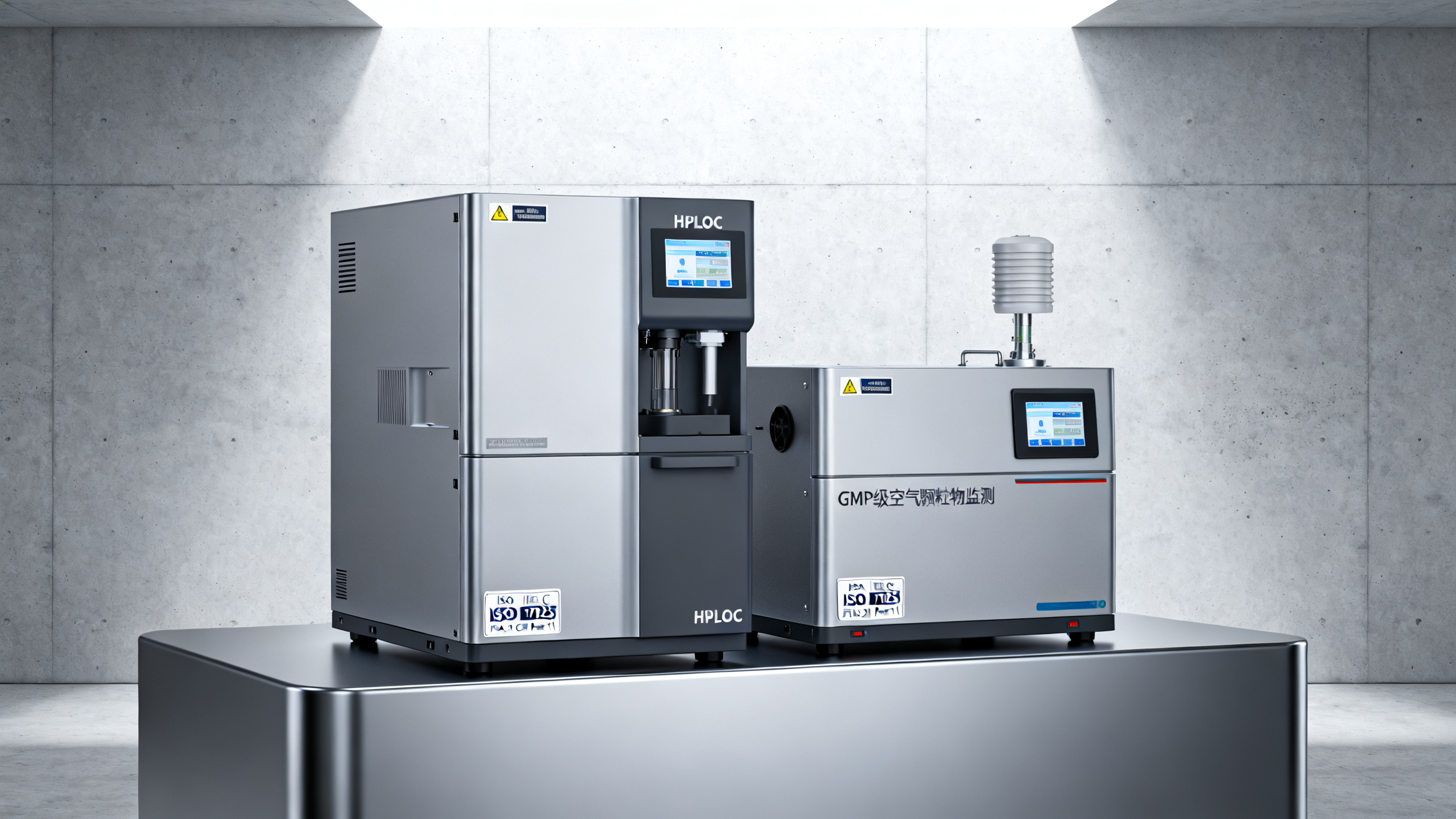
From May 15–17, 2026, the Fifth China Traditional Medicine (TCM) High-Quality Development Conference took place at the Tianjin Meijiang Convention and Exhibition Center, drawing procurement delegations from 23 countries—including Germany, Saudi Arabia, and Brazil. The event marked a notable inflection point for domestic laboratory and analytical equipment manufacturers, as several Chinese-made HPLC systems, microbial detection platforms, and GMP-grade air purification and particulate monitoring devices received bulk technical inquiries from pharmaceutical companies in the Middle East and Latin America. This development signals growing international recognition of domestically produced lab infrastructure—particularly where regulatory compliance and data integrity are critical.
Event Overview
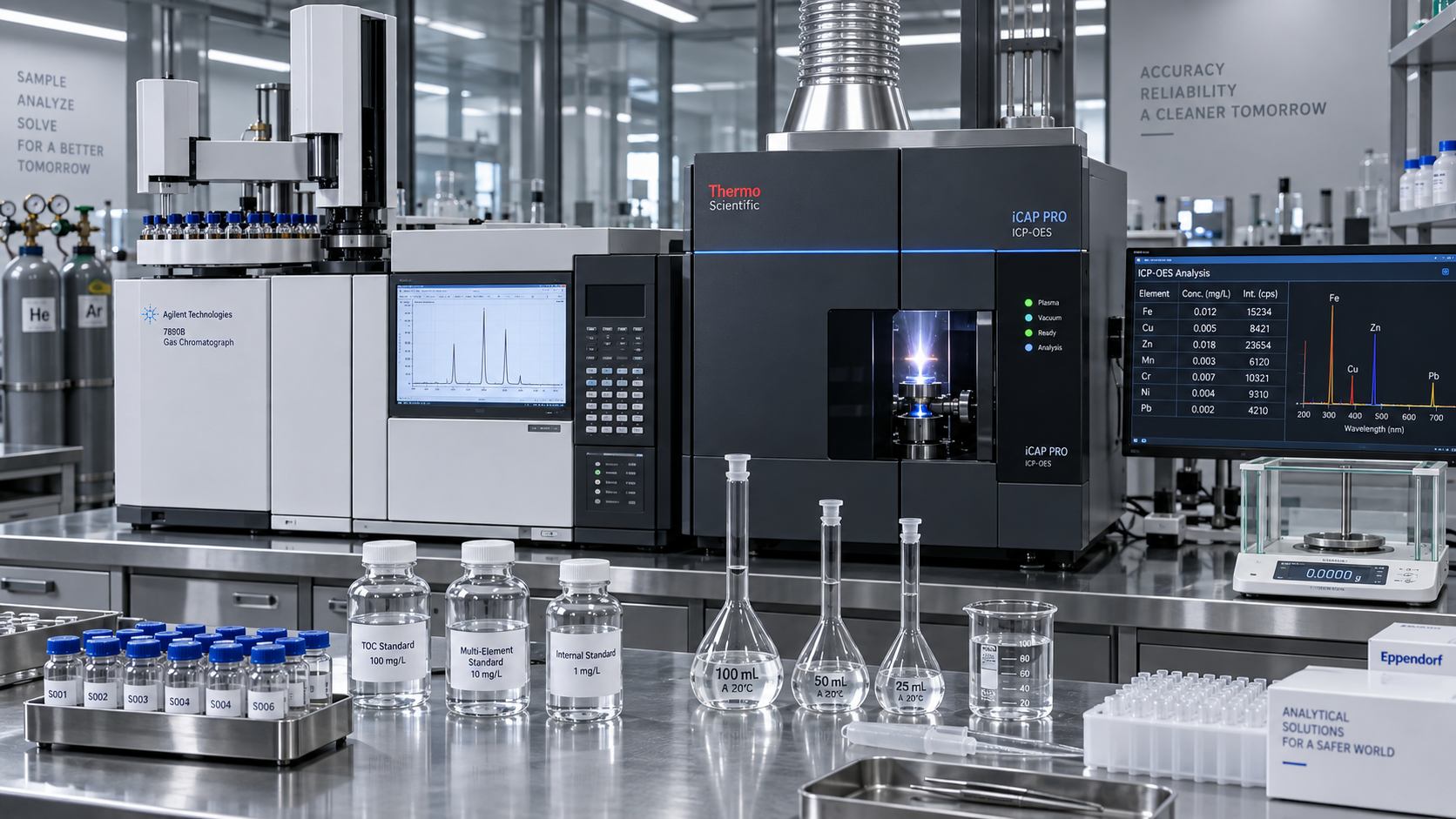
The Fifth TCM High-Quality Development Conference was held in Tianjin from May 15 to 17, 2026. According to official announcements, 23 national procurement delegations attended on-site. Multiple domestically manufactured laboratory and analytical instruments—including high-performance liquid chromatography (HPLC) systems, microbial detection systems, and GMP-compliant environmental monitoring equipment for air purification and dust control—received batched technical inquiries from overseas pharmaceutical enterprises. Organizers stated that 90% of exhibited Lab & Analytics equipment had obtained ISO/IEC 17025 accreditation and supported FDA 21 CFR Part 11 electronic signature functionality.
Impact on Specific Industry Segments
Direct Export-Oriented Equipment Manufacturers
These firms face increased demand signals for regulatory-aligned instrumentation in emerging markets. The volume and specificity of technical inquiries—not just price-based requests—suggest early-stage qualification interest, particularly from regions with tightening GMP enforcement (e.g., GCC and ANVISA-regulated jurisdictions). Impact manifests in longer sales cycles requiring deeper technical support and documentation readiness.
Raw Material & Active Pharmaceutical Ingredient (API) Suppliers
TCM-derived APIs and botanical extracts increasingly require traceability and QC validation aligned with international pharmacopoeias. The visibility of compliant analytical hardware at the conference implies downstream pressure on suppliers to adopt or verify compatibility with ISO 17025-validated methods—and potentially invest in co-validated testing workflows.
GMP-Compliant Facility Engineering & Validation Service Providers
With heightened attention on air quality and environmental particulate monitoring (e.g., “Air Purifiers & Dust” systems), providers of cleanroom design, qualification, and ongoing monitoring services may see rising demand for integrated solutions—especially where clients seek turnkey validation packages referencing FDA 21 CFR Part 11–compliant data handling.
Distribution & Regulatory Support Channels
Regional distributors and regulatory consultants serving Middle Eastern and Latin American markets must now accommodate more technically sophisticated client queries regarding instrument validation, audit trails, and certification portability. This raises the bar for pre-sales technical literacy and post-sale documentation support capacity.
What Relevant Enterprises or Practitioners Should Focus On Now
Monitor official follow-up communications from conference organizers and provincial export promotion agencies
Analysis shows that such events often precede targeted trade facilitation initiatives—including bilateral MOUs on mutual recognition of calibration reports or streamlined customs clearance for certified lab equipment. No such agreements have been announced yet; however, their emergence would materially affect export timelines and cost structures.
Assess readiness for key compliance documentation across priority markets
Observably, technical inquiries centered on ISO/IEC 17025 and FDA 21 CFR Part 11 suggest that buyers are screening for audit-readiness—not just product specifications. Firms should verify whether their current test reports, software validation summaries, and electronic record management protocols meet jurisdiction-specific expectations (e.g., SFDA’s Annex 11 equivalents in Saudi Arabia, or ANVISA RDC 502 in Brazil).
Distinguish between early-stage technical interest and near-term commercial conversion
Current more appropriately reflects exploratory engagement rather than firm purchase orders. From industry perspective, the batched inquiries indicate market scanning behavior—common before formal tender processes begin. Companies should avoid overextending production capacity or inventory commitments without confirmed purchase intent or letters of intent.
Prepare cross-functional coordination for technical response workflows
Responding to overseas technical inquiries requires alignment among R&D, QA/QC, regulatory affairs, and after-sales engineering teams. Firms should review internal handoff protocols for foreign-language documentation requests, third-party calibration certificate translation, and remote system demonstration scheduling—especially across time zones relevant to Gulf Cooperation Council and Mercosur markets.
Editorial Perspective / Industry Observation
This event is better understood as a regulatory and technical credibility signal—not yet a commercial inflection point. Observably, the concentration of inquiries around ISO/IEC 17025 and FDA 21 CFR Part 11 highlights how international procurement decisions are increasingly conditioned on verifiable data integrity frameworks, not just hardware performance. Analysis suggests this trend reflects broader convergence in global pharma quality expectations, especially among regulators seeking to strengthen local manufacturing oversight. However, sustained impact depends less on single-event exposure and more on consistent delivery of auditable, interoperable, and locally maintainable systems over successive procurement cycles.
It remains unclear whether these inquiries will translate into contracts within 2026. The absence of publicly disclosed order values, MOU signings, or named buyer commitments means the outcome remains contingent—not confirmed. Industry participants should treat this as a directional indicator requiring measured response—not a trigger for strategic pivot.
Conclusion: The Fifth TCM High-Quality Development Conference serves as an early benchmark for the international acceptance of Chinese-manufactured analytical infrastructure in regulated life science environments. Its significance lies not in immediate revenue generation, but in the observable shift toward compliance-driven procurement criteria—particularly in markets historically reliant on Western-sourced instrumentation. For stakeholders, this is best interpreted as a validation of technical capability maturation, not yet a de facto market entry guarantee.
Information Source: Official announcements from the Fifth TCM High-Quality Development Conference organizing committee; public statements issued by Tianjin Meijiang Convention and Exhibition Center; verified delegate participation list published via China Association of Chinese Medicine (CACM) channels. Note: Contractual outcomes, buyer identities, and follow-up timelines remain unconfirmed and are subject to ongoing observation.
Technical Specifications
- How to Select Electronic Hotel Key Card Locks for Guest Rooms and Staff AreasAuthor :Safety Compliance Lead
- How to Select Lab Instruments for Reliable Chemical Analysis WorkflowsAuthor :Precision Metrology Expert
- How to Size a UPS for Server Rooms: Load, Runtime, and Redundancy FactorsAuthor :Grid Infrastructure Analyst
Expert Insights

Chief Security Architect
Dr. Thorne specializes in the intersection of structural engineering and digital resilience. He has advised three G7 governments on industrial infrastructure security.
Related Analysis
- Sep 17, 2026How to Select Electronic Hotel Key Card Locks for Guest Rooms and Staff AreasAuthor :Safety Compliance Lead
- Sep 16, 2026How to Select Lab Instruments for Reliable Chemical Analysis WorkflowsAuthor :Precision Metrology Expert
- Sep 15, 2026How to Size a UPS for Server Rooms: Load, Runtime, and Redundancy FactorsAuthor :Grid Infrastructure Analyst
Core Sector // 01
Security & Safety
- How to Select Lab Instruments for Reliable Chemical Analysis WorkflowsAuthor :Precision Metrology Expert

- Buying Lint-Free Wipes in Bulk: How to Match Material and Packaging to Cleanroom UseAuthor :Precision Metrology Expert

- How to Choose a Class II Biosafety Cabinet Supplier for Compliant Lab ProcurementAuthor :Precision Metrology Expert

- Wholesale Binocular Microscopes: Comparing Specifications, MOQs, and QC RiskAuthor :Precision Metrology Expert

- How to Evaluate a UV-Visible Spectrophotometer Manufacturer for Lab Accuracy?Author :Precision Metrology Expert

- China Temporarily Bans Helium ExportsAuthor :Precision Metrology Expert

- What to Check Before Buying a Digital Lab Incubator Wholesale OrderAuthor :Precision Metrology Expert

- Electric Muffle Furnace Wholesale: How to Evaluate Capacity, Temperature, and MOQAuthor :Precision Metrology Expert