Customs General Administration Releases Revised Cosmetics Inspection Rules
Author
Date Published
Reading Time
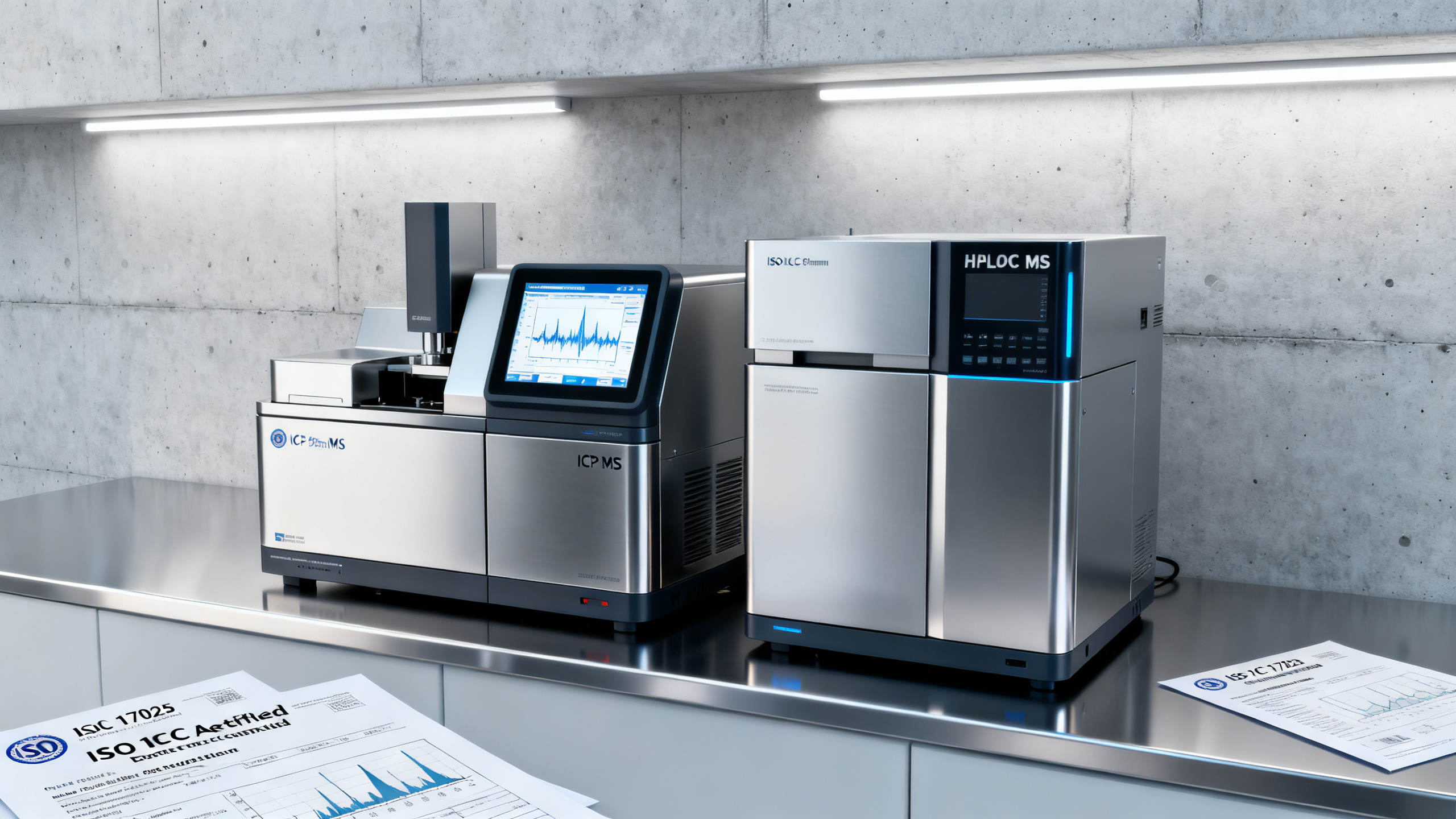
On May 11, 2026, the General Administration of Customs of the People’s Republic of China released the newly revised Measures for the Supervision and Administration of Inspection and Quarantine of Imported and Exported Cosmetics, effective December 1, 2026. The revision introduces new regulatory requirements for industrial-grade preservatives, stabilizers, and nanocarrier materials—and mandates submission of ISO/IEC 17025-accredited laboratory reports on ingredient purity and impurity profiles at import declaration. While focused on cosmetics, the tightened analytical rigor is already prompting renewed inquiries from importers in Southeast Asia and the Middle East regarding calibration and validation capabilities of domestically manufactured lab instruments—particularly ICP-MS and HPLC-MS systems.
Event Overview
The General Administration of Customs published the revised Measures for the Supervision and Administration of Inspection and Quarantine of Imported and Exported Cosmetics on May 11, 2026. The regulation will enter into force on December 1, 2026. It explicitly adds industrial-grade preservatives, stabilizers, and nanocarrier materials to the list of key monitored substances. For imported cosmetics, importers must submit, concurrently with customs declaration, analytical reports on ingredient purity and impurity profiles issued by laboratories accredited to ISO/IEC 17025.
Industries Affected
Direct Trading Enterprises (Importers/Exporters)
These entities face updated documentation obligations at the point of customs clearance. The requirement to submit ISO/IEC 17025-compliant analytical reports—covering both purity and impurity profiling—introduces new lead-time, cost, and compliance verification considerations for each shipment.
Raw Material Suppliers & Procurement Entities
Suppliers of industrial-grade preservatives, stabilizers, and nanocarrier materials are now subject to enhanced traceability and specification transparency. Importers may increasingly require full analytical dossiers—including batch-specific impurity spectra—to satisfy customs reporting requirements.
Contract Manufacturers & Fillers
Manufacturers handling final formulation or packaging for imported brands must ensure that upstream raw material specifications and testing protocols align with the new impurity profiling expectations—even if they do not file declarations directly. Their quality control documentation may be requested during customs audits or post-clearance verification.
Lab Equipment & Analytics Service Providers
Providers of analytical instrumentation (e.g., ICP-MS, HPLC-MS), calibration services, and method validation support are seeing early demand signals—notably from regional importers in Southeast Asia and the Middle East—concerning instrument performance verification, data traceability, and accreditation readiness for ISO/IEC 17025-aligned testing workflows.
Key Points for Enterprises and Practitioners to Monitor and Address
Track official implementation guidance and technical notices
The regulation takes effect December 1, 2026—but detailed technical criteria (e.g., acceptable detection limits, required impurity identification depth, scope of ‘industrial-grade’ substances) are expected to be clarified via subsequent announcements or customs technical bulletins. Monitoring these updates is essential before finalizing testing protocols.
Assess exposure by product category and supply chain role
Enterprises should map whether their products contain any of the newly listed substances—and determine whether they act as declarant, supplier, or contract manufacturer. Exposure varies significantly: a non-declarant filler may need only internal QC alignment; an importer must secure accredited reports for every entry.
Distinguish between policy signal and operational readiness
The rule reflects a broader regulatory shift toward substance-level analytical accountability—not just safety assessment. However, full enforcement consistency, especially for impurity谱 (impurity profile) reporting, may evolve gradually. Current preparation should prioritize documentation traceability and lab engagement—not assuming immediate audit intensity.
Initiate pre-compliance coordination with accredited labs
Lead times for ISO/IEC 17025-compliant impurity profiling may extend beyond standard testing cycles. Companies should identify and engage qualified labs early, confirm report formats meet customs expectations, and assess whether existing methods require re-validation under the new scope.
Editorial Observation / Industry Perspective
Observably, this revision signals a tightening of analytical accountability in cosmetic imports—not merely a procedural update. It shifts emphasis from end-product safety checks to upstream compositional transparency, particularly for functional additives previously outside routine scrutiny. Analysis shows the inclusion of industrial-grade substances and nanocarriers suggests regulators are responding to evolving formulation practices and potential cross-contamination risks. While the rule itself is binding as of December 2026, its practical impact will depend heavily on how customs authorities interpret and enforce impurity profiling requirements—making it, for now, more of a directional signal than a fully operationalized regime. Continued attention to technical implementation notes—and regional importer response patterns—is warranted.
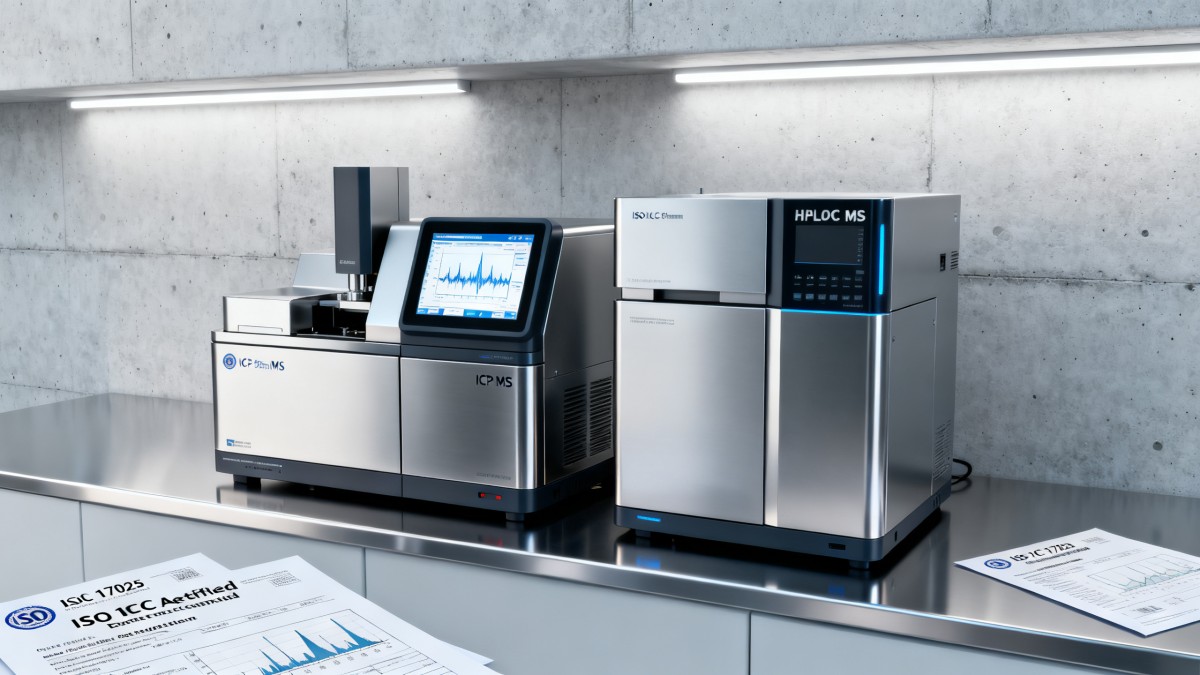
In summary, the revised Measures formalize higher analytical expectations for cosmetic imports into China, extending regulatory oversight to specific functional ingredients and demanding accredited, traceable test data. Its significance lies less in immediate disruption and more in its indication of a longer-term trend: greater reliance on instrumental analytics and lab infrastructure as foundational elements of trade compliance. Currently, it is more appropriate to understand this development as a calibrated step toward enhanced compositional governance—not as a sudden compliance cliff.
Source: General Administration of Customs of the People’s Republic of China (announced May 11, 2026); effective date confirmed as December 1, 2026.
Note: Technical implementation details—including accepted methodologies, impurity identification thresholds, and enforcement timelines—are pending further official clarification and remain under observation.
Technical Specifications
- How to Select Electronic Hotel Key Card Locks for Guest Rooms and Staff AreasAuthor :Safety Compliance Lead
- How to Select Lab Instruments for Reliable Chemical Analysis WorkflowsAuthor :Precision Metrology Expert
- How to Size a UPS for Server Rooms: Load, Runtime, and Redundancy FactorsAuthor :Grid Infrastructure Analyst
Expert Insights

Chief Security Architect
Dr. Thorne specializes in the intersection of structural engineering and digital resilience. He has advised three G7 governments on industrial infrastructure security.
Related Analysis
- Sep 17, 2026How to Select Electronic Hotel Key Card Locks for Guest Rooms and Staff AreasAuthor :Safety Compliance Lead
- Sep 16, 2026How to Select Lab Instruments for Reliable Chemical Analysis WorkflowsAuthor :Precision Metrology Expert
- Sep 15, 2026How to Size a UPS for Server Rooms: Load, Runtime, and Redundancy FactorsAuthor :Grid Infrastructure Analyst
Core Sector // 01
Security & Safety
- How to Select Lab Instruments for Reliable Chemical Analysis WorkflowsAuthor :Precision Metrology Expert

- Buying Lint-Free Wipes in Bulk: How to Match Material and Packaging to Cleanroom UseAuthor :Precision Metrology Expert

- How to Choose a Class II Biosafety Cabinet Supplier for Compliant Lab ProcurementAuthor :Precision Metrology Expert

- Wholesale Binocular Microscopes: Comparing Specifications, MOQs, and QC RiskAuthor :Precision Metrology Expert

- How to Evaluate a UV-Visible Spectrophotometer Manufacturer for Lab Accuracy?Author :Precision Metrology Expert

- China Temporarily Bans Helium ExportsAuthor :Precision Metrology Expert

- What to Check Before Buying a Digital Lab Incubator Wholesale OrderAuthor :Precision Metrology Expert

- Electric Muffle Furnace Wholesale: How to Evaluate Capacity, Temperature, and MOQAuthor :Precision Metrology Expert