NZ Imposes New Border Fee on Low-Value Lab Consumables
Author
Date Published
Reading Time
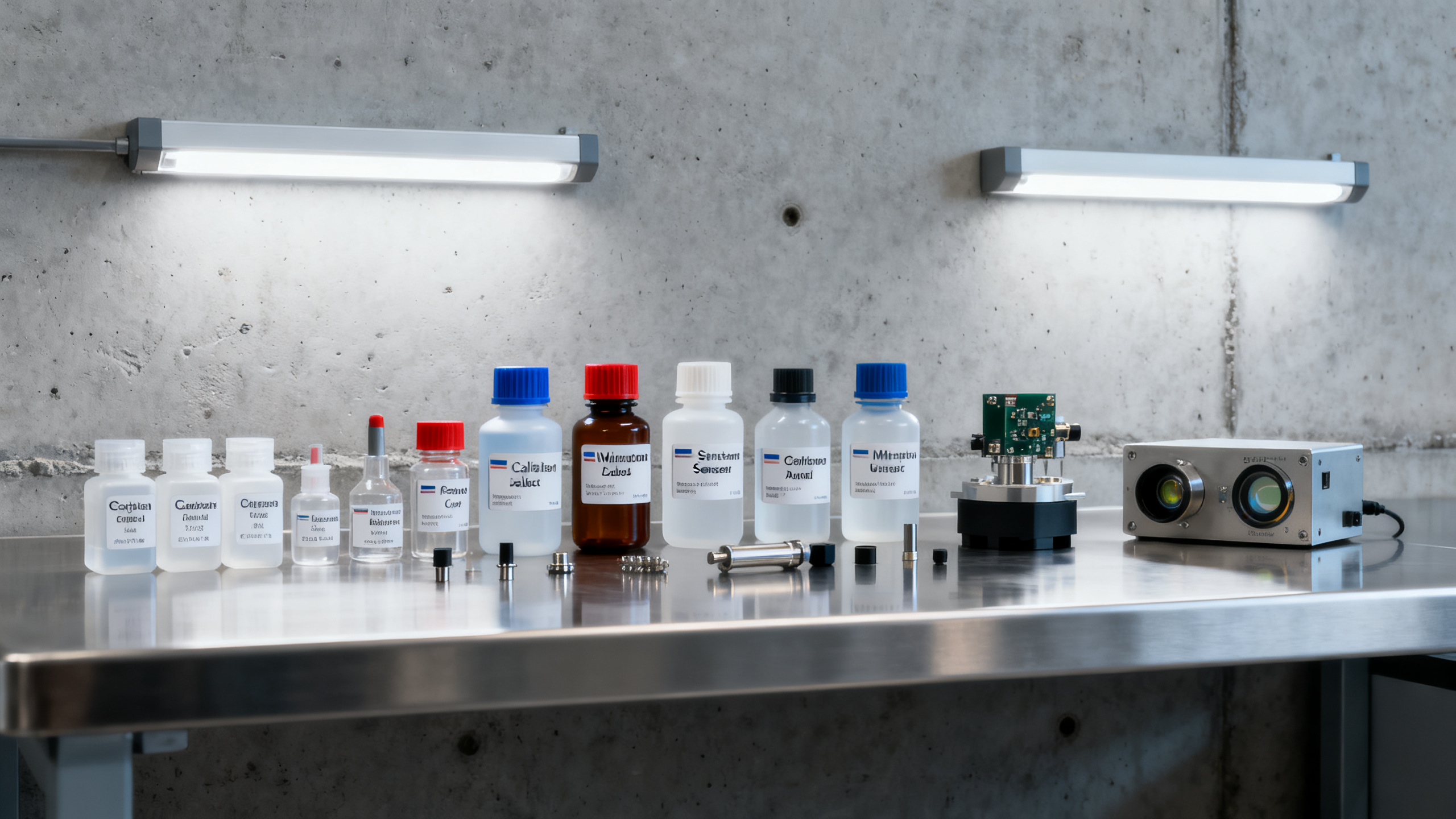
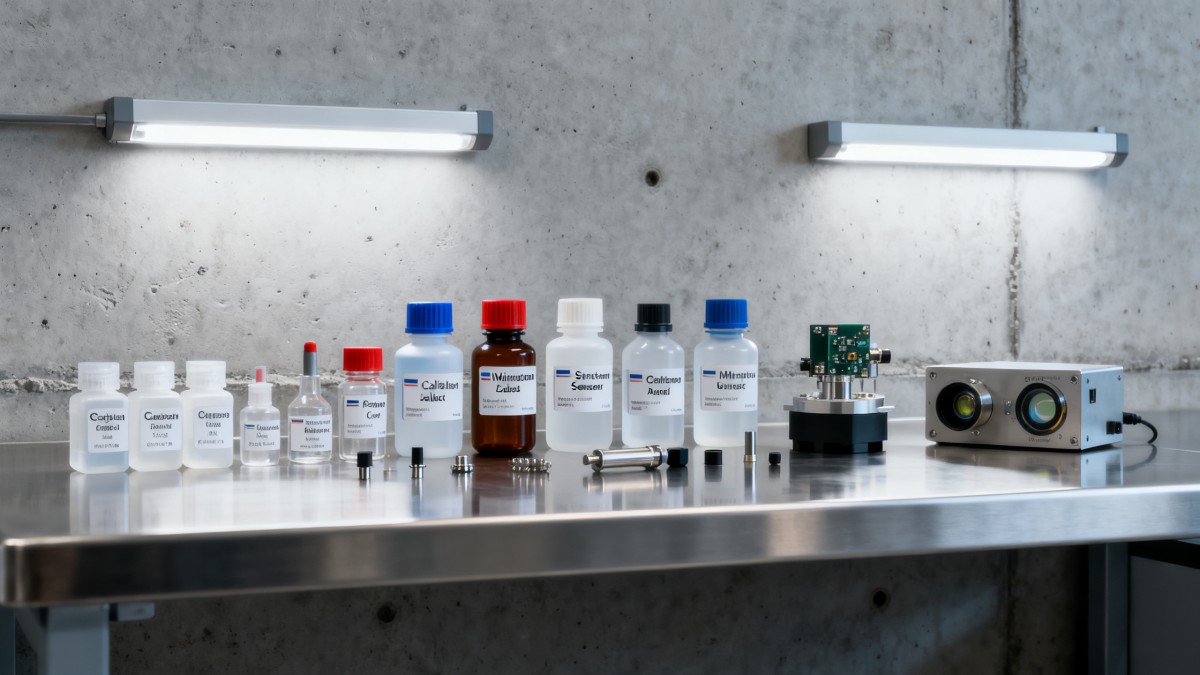
Effective 1 May 2026, New Zealand has introduced a new border processing fee targeting low-value laboratory equipment consumables — including calibration reagents, sensor components, and accessory parts — with declared values at or below NZD 1,000. The measure is expected to raise total customs clearance costs by 12%–18%, prompting immediate recalibration of import strategies across the lab analytics supply chain.
Event Overview
From 1 May 2026, New Zealand Customs has implemented a standardized border processing fee for all imported laboratory equipment accessories, calibration reagents, and sensor consumables valued at ≤ NZD 1,000 per shipment. The fee applies uniformly regardless of origin country or consignee type. No exemptions or tiered thresholds are specified in the official notice. The policy was published in the New Zealand Gazette on 15 March 2026 and entered into force without transitional period.
Industries Affected
Direct trading enterprises — particularly SME exporters from Asia and Europe shipping individual consumable items (e.g., single-use calibration vials or replacement optical sensors) face higher per-shipment cost burdens. Because the fee is applied per consignment rather than per line item, splitting orders to stay under value thresholds no longer yields savings — instead increasing paperwork and delay risk. Margins on low-margin consumables (e.g.,
Raw material procurement enterprises — firms sourcing base materials (e.g., specialty polymers, reference-grade solvents) for local re-packaging or kit assembly in New Zealand must now absorb the fee on every inbound shipment, even if final assembled kits exceed NZD 1,000. This disrupts prior cost-allocation models tied to landed cost per finished unit.
Manufacturing enterprises — domestic manufacturers relying on just-in-time imports of subcomponents (e.g., microfluidic chips, electrode substrates) report increased lead time variability. Customs processing delays — exacerbated by additional documentation checks triggered by the fee classification — have led to production line buffer adjustments and revised safety stock calculations.
Supply chain service providers — freight forwarders and customs brokers report a 35% rise in pre-clearance consultation requests related to consumable classification and fee applicability. Their revenue model — historically based on flat handling fees — is shifting toward value-added advisory services, though margins remain constrained by client pushback on surcharges.
Key Considerations and Response Measures
Reassess shipment consolidation logic
Enterprises previously separating high-volume consumables into multiple sub-NZD 1,000 parcels should now evaluate full-container or palletized shipments that clear as single entries above the threshold — thereby avoiding repeated application of the fee. This requires coordination with logistics partners capable of multi-vendor consolidation and NZD 1,000+ valuation accuracy.
Evaluate bundled export models
As noted in the event summary, New Zealand distributors are increasingly sourcing ‘instrument + consumables’ bundles from Chinese suppliers certified for integrated export compliance. Firms with modular hardware platforms should assess whether adding compatible, pre-validated consumables to existing export SKUs improves landed cost competitiveness — provided bundling does not trigger separate regulatory classifications (e.g., medical device vs. general lab supply).
Verify HS code alignment and tariff treatment
The new fee applies only to goods classified under specific NZ Harmonized System subheadings (e.g., 9027.90, 3822.00). Enterprises must audit current product classifications against updated NZ Customs guidance issued 20 April 2026. Misclassification may result in retroactive fee assessments or clearance holds — especially where dual-use items (e.g., analytical standards usable in both research and clinical labs) are involved.
Editorial Perspective / Industry Observation
Observably, this policy reflects a broader trend among OECD nations to rationalize low-value consignment relief (LVCR) frameworks — not primarily as revenue tools, but as levers to enforce traceability, safety compliance, and VAT collection discipline. While framed as administrative simplification, the fee effectively raises the operational floor for micro-exporters and contract packagers serving the NZ lab market. Analysis shows the 12%–18% cost increase falls disproportionately on consumables with narrow gross margins and high shipment frequency — suggesting selective pressure toward vertical integration or regionalized warehousing rather than wholesale market exit.
Conclusion
This regulation does not signal a protectionist turn, but rather a recalibration of border governance priorities in response to digital trade growth and evolving bio-safety expectations. For global lab analytics suppliers, the more durable implication lies not in short-term cost pass-through, but in accelerated demand for end-to-end export capability — encompassing regulatory alignment, bundled logistics, and post-clearance technical support. A rational interpretation is that the policy rewards scalability and compliance maturity over transactional agility alone.
Source Attribution
Official source: New Zealand Customs Notice CUS/2026/04 (published 15 March 2026); supporting guidance released in Customs Tariff Amendment (Lab Consumables Classification) Regulations 2026, effective 1 May 2026. Further updates on fee calculation methodology and exemption criteria (if any) are pending publication by the Inland Revenue Department — to be monitored through the NZ Government’s customs.govt.nz portal.
Technical Specifications
- How to Select Electronic Hotel Key Card Locks for Guest Rooms and Staff AreasAuthor :Safety Compliance Lead
- How to Select Lab Instruments for Reliable Chemical Analysis WorkflowsAuthor :Precision Metrology Expert
- How to Size a UPS for Server Rooms: Load, Runtime, and Redundancy FactorsAuthor :Grid Infrastructure Analyst
Expert Insights

Chief Security Architect
Dr. Thorne specializes in the intersection of structural engineering and digital resilience. He has advised three G7 governments on industrial infrastructure security.
Related Analysis
- Sep 17, 2026How to Select Electronic Hotel Key Card Locks for Guest Rooms and Staff AreasAuthor :Safety Compliance Lead
- Sep 16, 2026How to Select Lab Instruments for Reliable Chemical Analysis WorkflowsAuthor :Precision Metrology Expert
- Sep 15, 2026How to Size a UPS for Server Rooms: Load, Runtime, and Redundancy FactorsAuthor :Grid Infrastructure Analyst
Core Sector // 01
Security & Safety
- How to Select Lab Instruments for Reliable Chemical Analysis WorkflowsAuthor :Precision Metrology Expert

- Buying Lint-Free Wipes in Bulk: How to Match Material and Packaging to Cleanroom UseAuthor :Precision Metrology Expert

- How to Choose a Class II Biosafety Cabinet Supplier for Compliant Lab ProcurementAuthor :Precision Metrology Expert

- Wholesale Binocular Microscopes: Comparing Specifications, MOQs, and QC RiskAuthor :Precision Metrology Expert

- How to Evaluate a UV-Visible Spectrophotometer Manufacturer for Lab Accuracy?Author :Precision Metrology Expert

- China Temporarily Bans Helium ExportsAuthor :Precision Metrology Expert

- What to Check Before Buying a Digital Lab Incubator Wholesale OrderAuthor :Precision Metrology Expert

- Electric Muffle Furnace Wholesale: How to Evaluate Capacity, Temperature, and MOQAuthor :Precision Metrology Expert