How to compare an Instruments & Measurement supplier
Author
Date Published
Reading Time
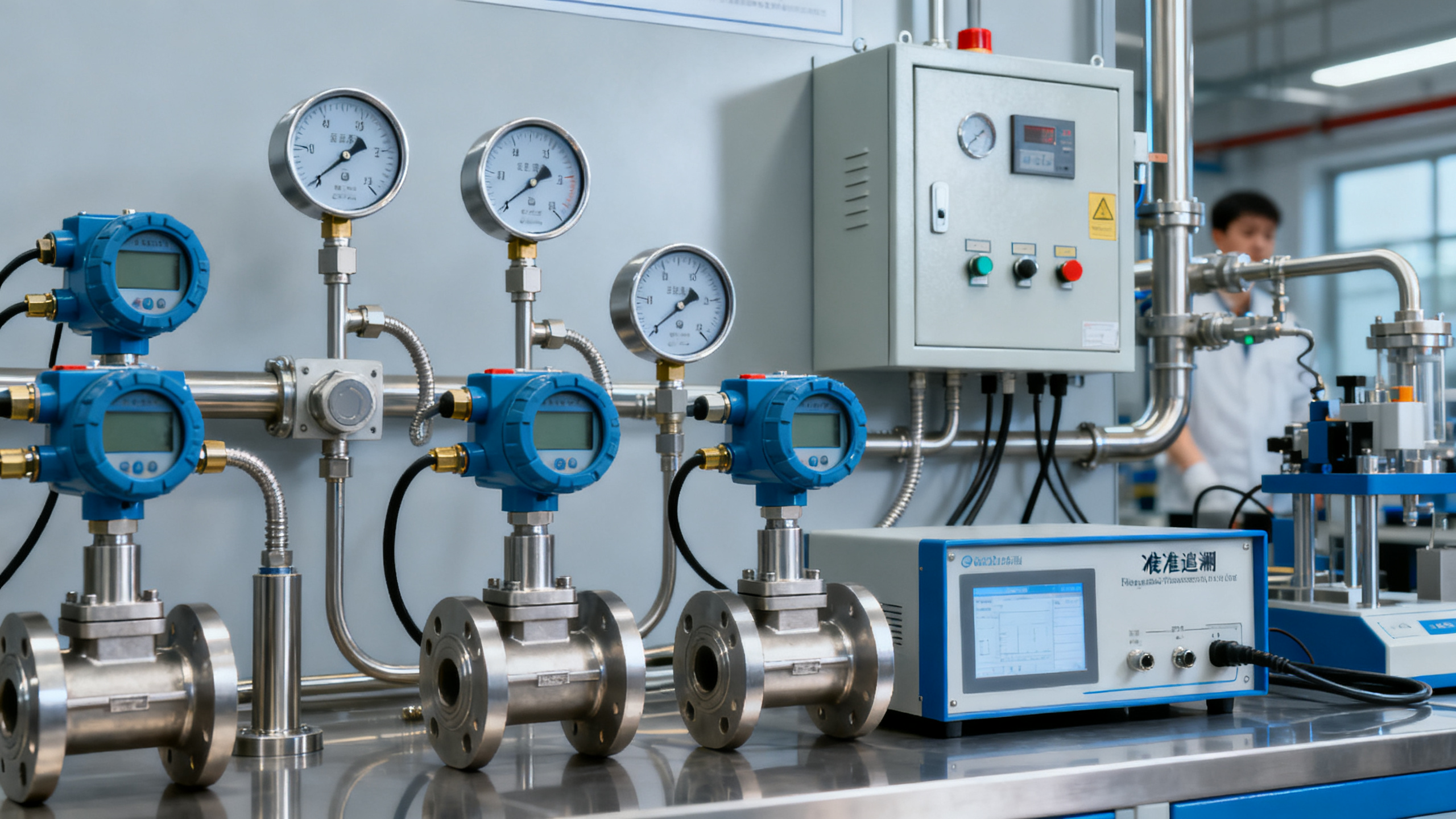
Choosing the right Instruments & Measurement supplier can directly affect accuracy, compliance, and long-term operational reliability. In industrial environments, the comparison goes far beyond unit price. It must include calibration traceability, product stability, documentation quality, lifecycle support, and proven performance under demanding operating conditions.
A structured comparison helps reduce hidden risk. It also improves supplier qualification speed, supports consistent technical review, and creates a repeatable method for evaluating an Instruments & Measurement supplier across projects, regions, and application types.
Why a checklist is essential when comparing an Instruments & Measurement supplier
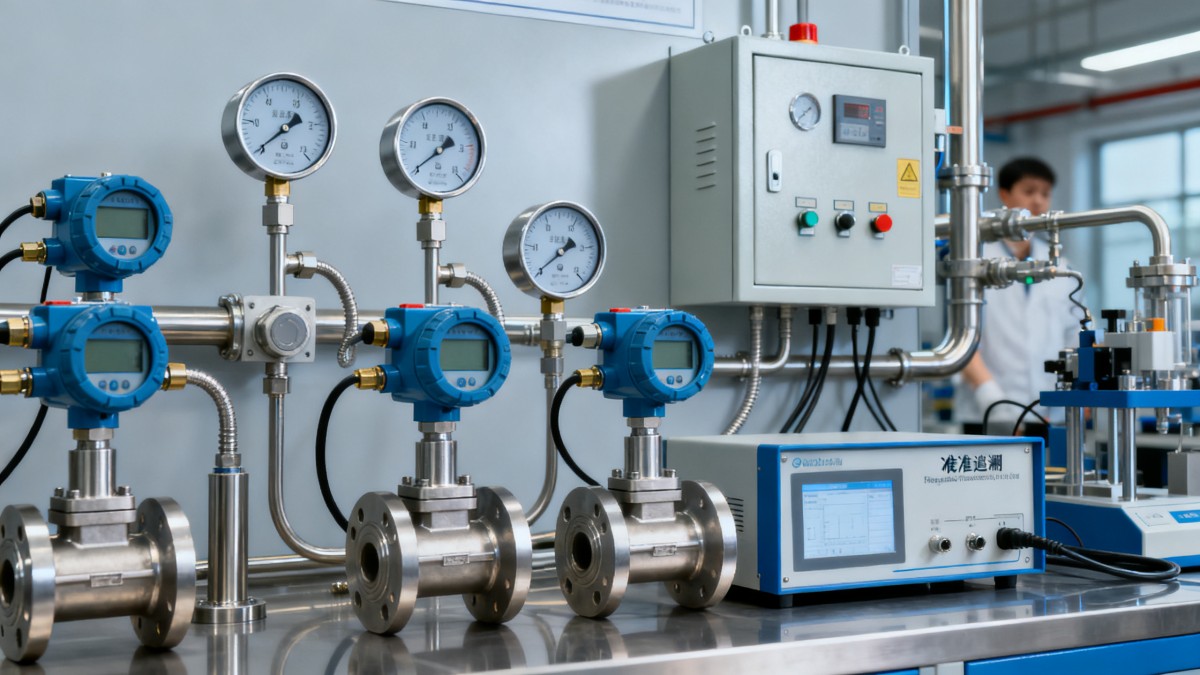
Instrumentation decisions influence process control, product quality, safety interlocks, environmental reporting, and equipment uptime. A weak supplier may still offer attractive pricing, yet fail on calibration records, response time, or component consistency.
A checklist turns supplier selection into evidence-based review. It helps compare technical claims, factory capability, certifications, and support models using the same criteria. That is especially useful when sourcing pressure, temperature, flow, level, or analytical instruments for critical industrial systems.
Core checklist to compare an Instruments & Measurement supplier
- Verify certifications first, including ISO systems, CE, UL, ATEX, IECEx, or sector-specific approvals relevant to hazardous areas, regulated facilities, and international installation requirements.
- Check calibration capability and traceability. Confirm whether the Instruments & Measurement supplier offers accredited calibration, documented uncertainty values, and traceable standards linked to recognized national laboratories.
- Review measurement performance in detail. Compare stated accuracy, repeatability, hysteresis, drift, response time, and turndown ratio under real operating ranges, not only ideal lab conditions.
- Assess product consistency across batches. Ask for inspection procedures, incoming material controls, final test protocols, and historical data showing stable output from one production run to another.
- Confirm environmental suitability. Evaluate enclosure rating, corrosion resistance, vibration tolerance, EMC performance, and temperature endurance for offshore, chemical, utility, or dusty field conditions.
- Examine technical documentation quality. Good suppliers provide datasheets, wiring diagrams, calibration certificates, installation instructions, material declarations, and conformity records without gaps or ambiguity.
- Compare customization options. Determine whether the Instruments & Measurement supplier can adjust ranges, process connections, signal outputs, wetted materials, or communication protocols for system compatibility.
- Audit lead times and supply continuity. Validate stock strategy, dual-source planning, component obsolescence management, and delivery reliability for scheduled shutdowns or phased construction programs.
- Measure support responsiveness. Review pre-sales application guidance, commissioning assistance, failure analysis, warranty terms, and turnaround time for urgent replacements or recalibration requests.
- Request field evidence. Strong suppliers can provide case references, installed base information, test reports, and examples of performance in comparable pressure, media, safety, or duty conditions.
- Evaluate digital integration. Confirm support for 4-20 mA, HART, Modbus, Profibus, Ethernet, or remote diagnostics where plant control architecture requires data visibility and predictive maintenance.
- Calculate total ownership cost. Include recalibration frequency, spares availability, training burden, downtime risk, and replacement intervals instead of comparing only purchase price.
A practical comparison table
How comparison criteria change by application
Process industries and continuous production
In chemical, food, water, and general process plants, stability over time matters as much as nominal accuracy. A suitable Instruments & Measurement supplier should show drift data, media compatibility, sanitation or corrosion options, and support for distributed control systems.
In these settings, recalibration access and spare availability are important. Even a small transmitter failure can disturb process balance, trigger false alarms, or compromise recorded quality data.
Power, utilities, and infrastructure projects
Utility and infrastructure applications often require long service life, outdoor durability, and broad regulatory acceptance. The best Instruments & Measurement supplier for this segment usually offers robust enclosures, surge protection, and clear documentation for grid, plant, or site integration.
Project schedules also matter. Delays in instrument delivery can slow panel assembly, testing, and commissioning. Supplier comparison should therefore include manufacturing capacity and logistics reliability.
Hazardous, remote, or extreme environments
Oil and gas, mining, marine, and heavy industrial sites demand more than standard catalog products. Here, an Instruments & Measurement supplier must demonstrate hazardous-area approvals, shock resistance, and reliable operation under heat, cold, salt exposure, or mechanical stress.
Remote sites also benefit from devices with remote diagnostics or reduced maintenance intervals. If service access is difficult, lifecycle reliability should be weighted above the lowest initial quotation.
Commonly overlooked issues when evaluating an Instruments & Measurement supplier
Incomplete certification scope. A document may exist, yet not cover the exact model, region, or hazardous classification needed. Always match certificates to the ordered configuration.
Unclear calibration limits. Some suppliers mention calibration support without stating uncertainty, methods, or traceability. That can weaken audit readiness and confidence in recorded measurements.
Generic datasheet claims. Marketing-level accuracy statements may omit installation effects, media influence, or temperature compensation limits. Ask for application-specific performance evidence.
Weak after-sales structure. A supplier may ship quickly but respond slowly to faults. Review service channels, spare parts policy, and escalation paths before approving any Instruments & Measurement supplier.
Hidden obsolescence risk. Instruments linked to aging electronics or niche components may face short support windows. Confirm replacement planning and backward compatibility.
Practical steps for executing a supplier comparison
- Define the application envelope, including process media, range, environment, compliance needs, output signal, and installation constraints before requesting quotations.
- Create a weighted scorecard covering certification, technical fit, calibration, delivery, support, and cost of ownership for each Instruments & Measurement supplier.
- Request identical data packages from each supplier so every offer is reviewed using the same technical and commercial baseline.
- Run a clarification round to resolve exceptions, substitutions, optional features, and scope gaps that could distort comparison results.
- Validate one or two reference products through sample inspection, document review, or pilot installation when application criticality is high.
- Record findings in a decision file, including risks accepted, support commitments, and future recalibration requirements for lifecycle traceability.
Conclusion and next action
To compare an Instruments & Measurement supplier effectively, focus on evidence, not claims. Certifications, calibration traceability, environmental durability, product consistency, and support quality usually decide long-term value more than purchase price alone.
Start with a shortlist, apply a weighted checklist, and request complete technical proof from each Instruments & Measurement supplier. That approach improves compliance confidence, protects measurement integrity, and supports more reliable industrial operations over the full equipment lifecycle.
Technical Specifications
- How to Select Electronic Hotel Key Card Locks for Guest Rooms and Staff AreasAuthor :Safety Compliance Lead
- How to Select Lab Instruments for Reliable Chemical Analysis WorkflowsAuthor :Precision Metrology Expert
- How to Size a UPS for Server Rooms: Load, Runtime, and Redundancy FactorsAuthor :Grid Infrastructure Analyst
Expert Insights

Chief Security Architect
Dr. Thorne specializes in the intersection of structural engineering and digital resilience. He has advised three G7 governments on industrial infrastructure security.
Related Analysis
- Sep 17, 2026How to Select Electronic Hotel Key Card Locks for Guest Rooms and Staff AreasAuthor :Safety Compliance Lead
- Sep 16, 2026How to Select Lab Instruments for Reliable Chemical Analysis WorkflowsAuthor :Precision Metrology Expert
- Sep 15, 2026How to Size a UPS for Server Rooms: Load, Runtime, and Redundancy FactorsAuthor :Grid Infrastructure Analyst
Core Sector // 01
Security & Safety
- How to Select Lab Instruments for Reliable Chemical Analysis WorkflowsAuthor :Precision Metrology Expert

- Buying Lint-Free Wipes in Bulk: How to Match Material and Packaging to Cleanroom UseAuthor :Precision Metrology Expert

- How to Choose a Class II Biosafety Cabinet Supplier for Compliant Lab ProcurementAuthor :Precision Metrology Expert

- Wholesale Binocular Microscopes: Comparing Specifications, MOQs, and QC RiskAuthor :Precision Metrology Expert

- How to Evaluate a UV-Visible Spectrophotometer Manufacturer for Lab Accuracy?Author :Precision Metrology Expert

- China Temporarily Bans Helium ExportsAuthor :Precision Metrology Expert

- What to Check Before Buying a Digital Lab Incubator Wholesale OrderAuthor :Precision Metrology Expert

- Electric Muffle Furnace Wholesale: How to Evaluate Capacity, Temperature, and MOQAuthor :Precision Metrology Expert