How to Choose Bag Filter Housings for Water Treatment: Micron Rating, Flow, and Material
Author
Date Published
Reading Time
How to Choose Bag Filter Housings for Water Treatment
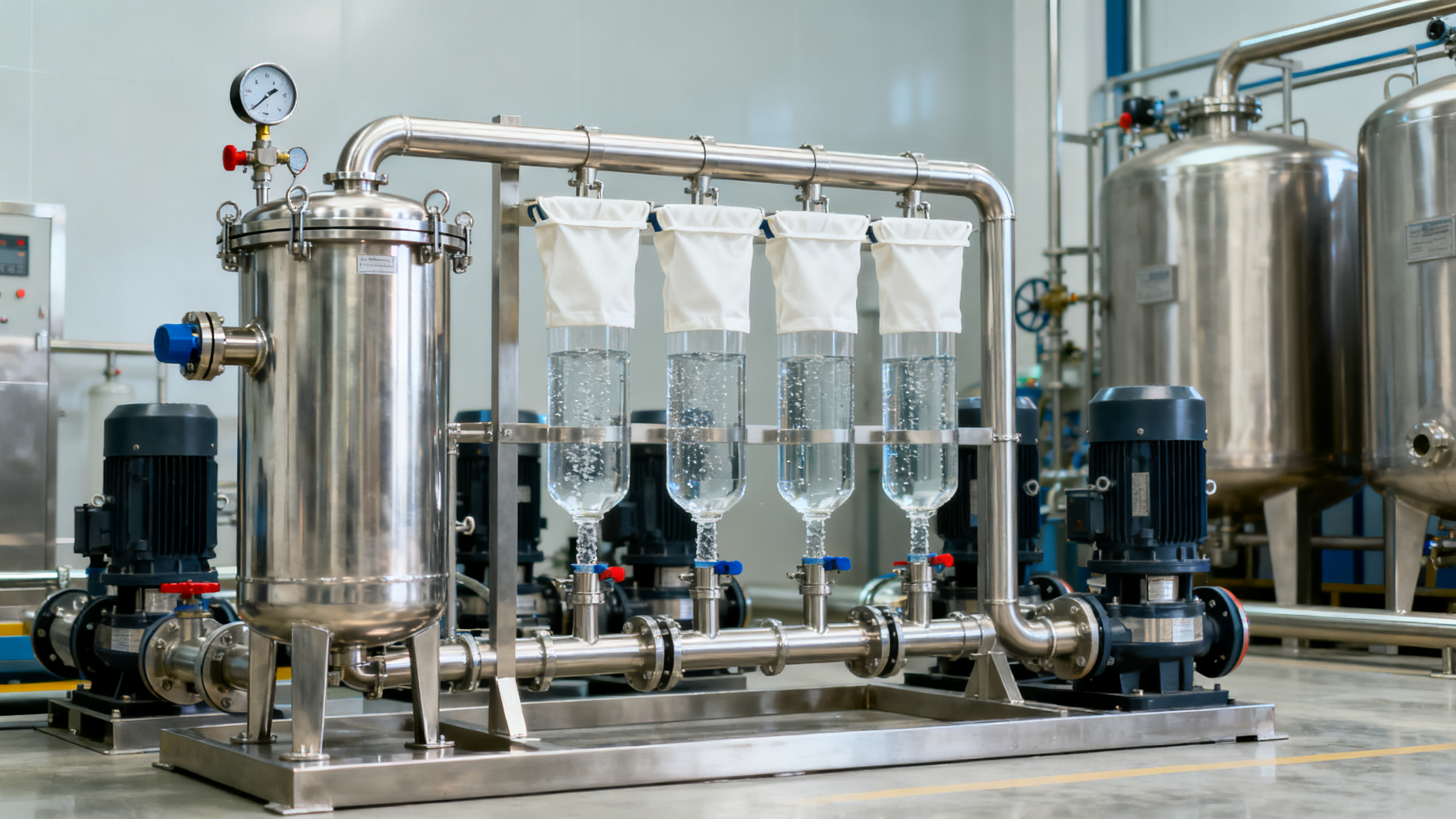
Choosing the right bag filter housings for water treatment affects efficiency, operating cost, and uptime. A weak match often shows up later as pressure loss, bag failure, or unexpected maintenance.
The core decision usually comes down to three variables: micron rating, flow capacity, and housing material. In practice, those choices also connect to temperature, chemistry, solids loading, and compliance demands.
That is why bag filter housings for water treatment should never be selected from catalog size alone. The process conditions have to lead the specification.
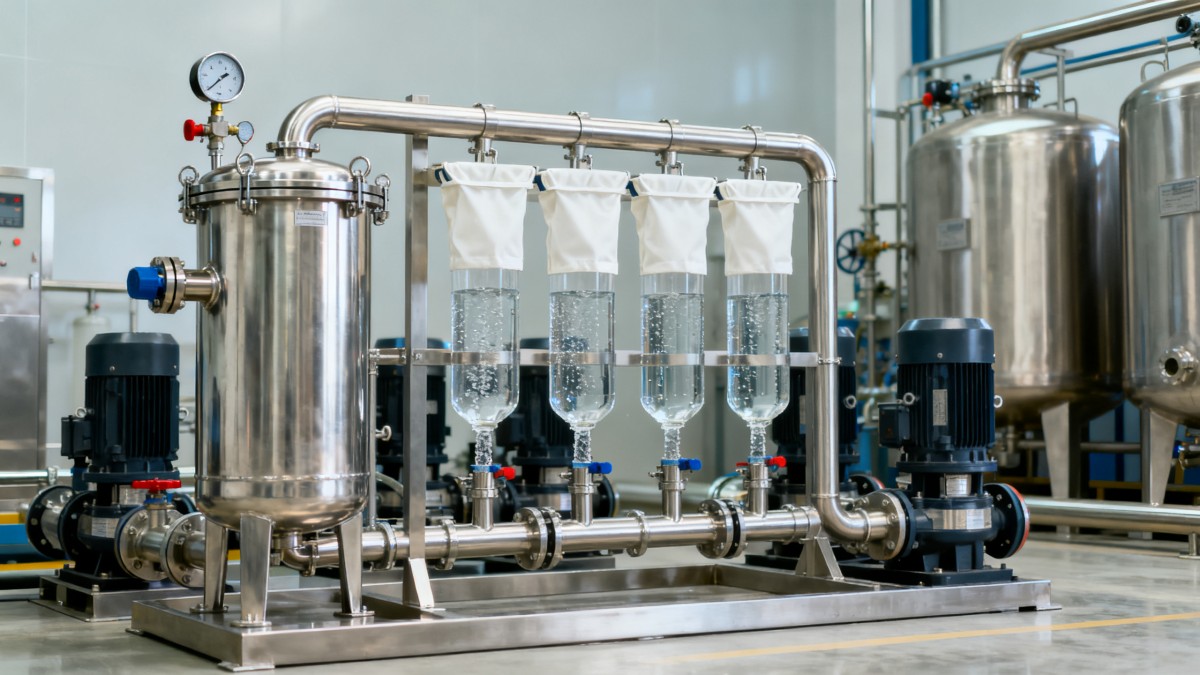
For most projects, the fastest way to compare options is to define what must be removed, how much water must pass, and what the fluid can do to metal, seals, and bag media.
Start with the Process, Not the Product Sheet
A common mistake is choosing bag filter housings for water treatment by pipe size or purchase price. That may work for light service, but it rarely holds up in demanding systems.
Begin with a process profile. Keep it simple, but complete enough to support a technical decision.
- Water source: municipal, groundwater, RO pre-treatment, cooling water, wastewater, or process water
- Contaminant type: sand, rust, biofilm fragments, activated carbon fines, sludge, or scale
- Required particle removal level
- Normal and peak flow rate
- Operating pressure and temperature
- Chemical exposure, including CIP agents
- Maintenance interval and bag replacement frequency
This step helps narrow the field quickly. It also reveals whether single-bag or multi-bag filter housings make more sense for the water treatment line.
Micron Rating: Match Removal Target to Real Risk
Micron rating is usually the first specification people ask about, and for good reason. It defines the particle size range the system is expected to capture.
Still, the smallest micron rating is not always the best choice. A tighter bag increases differential pressure and may shorten service life when solids loading is high.
Typical micron selection ranges
- 50-200 micron: coarse solids, sand, rust flakes, and upstream debris capture
- 10-50 micron: general process water polishing and pre-filtration before finer stages
- 1-10 micron: finer particulate control before membranes, nozzles, or sensitive equipment
In water treatment, bag filter housings often protect downstream assets. That means micron choice should reflect the vulnerability of pumps, membranes, valves, heat exchangers, and spray systems.
Nominal and absolute ratings also matter. A nominal bag may be enough for bulk solids control. An absolute-rated bag is better when capture consistency is critical.
If the system experiences variable solids loading, test data is worth more than assumptions. A short pilot run often prevents months of unstable performance.
Flow Capacity: Size for Normal Duty and Peak Demand
Flow capacity determines how many bags, what housing size, and what pressure drop the system will carry. Undersized bag filter housings for water treatment often fail economically before they fail mechanically.
The housing must handle both continuous flow and surge conditions. Peak demand matters because short spikes can push velocity too high and reduce filtration efficiency.
What to check when sizing flow
- Design flow rate and maximum flow rate
- Initial and terminal differential pressure limits
- Fluid viscosity and temperature effects
- Expected bag change interval
- Available space for single-bag or multi-bag units
For lower flow systems, a single-bag housing may be enough. For larger industrial loops, multi-bag filter housings usually offer better uptime and lower labor per cubic meter treated.
A practical rule is to avoid running too close to maximum rated flow. Leaving capacity margin helps stabilize pressure drop and extends bag life.
That margin becomes even more important in water treatment lines with fluctuating turbidity. Seasonal source changes can shift solids load far more than the original design estimate.
Material Selection: Corrosion Resistance Comes First
Material compatibility is where many long-term problems begin. The right bag filter housings for water treatment must tolerate the fluid, the cleaning chemicals, and the operating environment.
The most common choices are carbon steel, 304 stainless steel, 316 stainless steel, and selected engineered plastics. Each has a different cost and corrosion profile.
How common housing materials compare
Seal material matters too. EPDM, Viton, Buna, and PTFE each behave differently under disinfectants, acids, alkalis, and heat. A strong housing with the wrong gasket still fails the application.
When chloride content, oxidizing chemicals, or cleaning cycles are significant, 316 stainless steel often justifies the premium. Over the service life, that choice can reduce leaks, corrosion shutdowns, and replacement frequency.
Operational Details That Change the Buying Decision
Two bag filter housings may look similar on paper and perform very differently in the field. The difference usually comes from maintenance design and compliance details.
Key checkpoints before approval
- Closure type and ease of bag replacement
- Basket strength and support design
- Vent and drain configuration
- Pressure rating and code compliance
- Surface finish for sanitary or sensitive service
- Availability of spare parts and replacement bags
This is also where supplier quality becomes visible. Documentation for CE, ISO, material traceability, and pressure testing should be easy to verify, not vaguely promised.
In regulated facilities, incomplete documentation can delay approval even when the mechanical design is acceptable. That risk should be priced into the decision.
Common Selection Mistakes in Water Treatment Projects
Several issues repeat across industrial water treatment projects. Most are preventable if bag filter housings for water treatment are evaluated as part of the system, not as a standalone vessel.
- Choosing too fine a micron rating for heavy solids loading
- Ignoring peak flow and sizing only for average demand
- Using 304 stainless steel where chlorides favor 316
- Overlooking gasket compatibility with cleaning chemicals
- Comparing purchase price without labor and changeout cost
- Skipping differential pressure monitoring points
More often than not, lifecycle cost tells a different story than initial capex. A slightly larger or better-grade housing may lower total filtration cost over the first year.
A Practical Comparison Framework
When reviewing supplier quotations, use the same checklist for every option. That keeps the decision technical, comparable, and easier to defend internally.
- Confirm target contaminant size and required micron performance.
- Verify normal flow, peak flow, and allowable pressure drop.
- Check housing material against water chemistry and CIP exposure.
- Review gasket, basket, and closure design.
- Validate pressure rating, standards, and inspection records.
- Estimate bag consumption, labor, and downtime cost.
That approach makes bag filter housings for water treatment easier to compare across brands. It also reduces the chance of approving a unit that fits the spec sheet but not the duty cycle.
Final Decision Guidance
The best bag filter housings for water treatment are the ones that match process reality. Micron rating controls capture performance, flow sizing protects stability, and material choice protects service life.
In real projects, no single factor should dominate the decision. A balanced specification usually delivers better uptime, cleaner water, and fewer expensive surprises.
Before issuing a final purchase recommendation, compare at least two technically valid options against the full process profile. That final check often exposes hidden risks and confirms the right long-term fit.
Technical Specifications
- How to Select Electronic Hotel Key Card Locks for Guest Rooms and Staff AreasAuthor :Safety Compliance Lead
- How to Select Lab Instruments for Reliable Chemical Analysis WorkflowsAuthor :Precision Metrology Expert
- How to Size a UPS for Server Rooms: Load, Runtime, and Redundancy FactorsAuthor :Grid Infrastructure Analyst
Expert Insights

Chief Security Architect
Dr. Thorne specializes in the intersection of structural engineering and digital resilience. He has advised three G7 governments on industrial infrastructure security.
Related Analysis
- Sep 17, 2026How to Select Electronic Hotel Key Card Locks for Guest Rooms and Staff AreasAuthor :Safety Compliance Lead
- Sep 16, 2026How to Select Lab Instruments for Reliable Chemical Analysis WorkflowsAuthor :Precision Metrology Expert
- Sep 15, 2026How to Size a UPS for Server Rooms: Load, Runtime, and Redundancy FactorsAuthor :Grid Infrastructure Analyst
Core Sector // 01
Security & Safety
- How to Size a Wafer Butterfly Valve for HVAC Chilled-Water and Heating LoopsAuthor :Environmental Engineering Director

- How Pressure Class and Joint Design Affect Long-Term Performance of Ductile Iron Pipes in Drainage InfrastructureAuthor :Environmental Engineering Director

- How Ductile Iron Pipe Joints Affect Installation Reliability and Leak ControlAuthor :Environmental Engineering Director

- How to Size Effluent Treatment Equipment for Variable Industrial Wastewater LoadsAuthor :Environmental Engineering Director

- US Battery Push Raises New Entry Rules for SuppliersAuthor :Environmental Engineering Director

- EU EMC Rule Tightens for Water Treatment ExportsAuthor :Environmental Engineering Director

- EU REACH Restriction Targets PFAS Water Treatment ImportsAuthor :Environmental Engineering Director

- EU Mandates EN 14113:2026 for Water Treatment ExportsAuthor :Environmental Engineering Director