Where Environment & Ecology Costs Rise Faster Than Expected
Author
Date Published
Reading Time
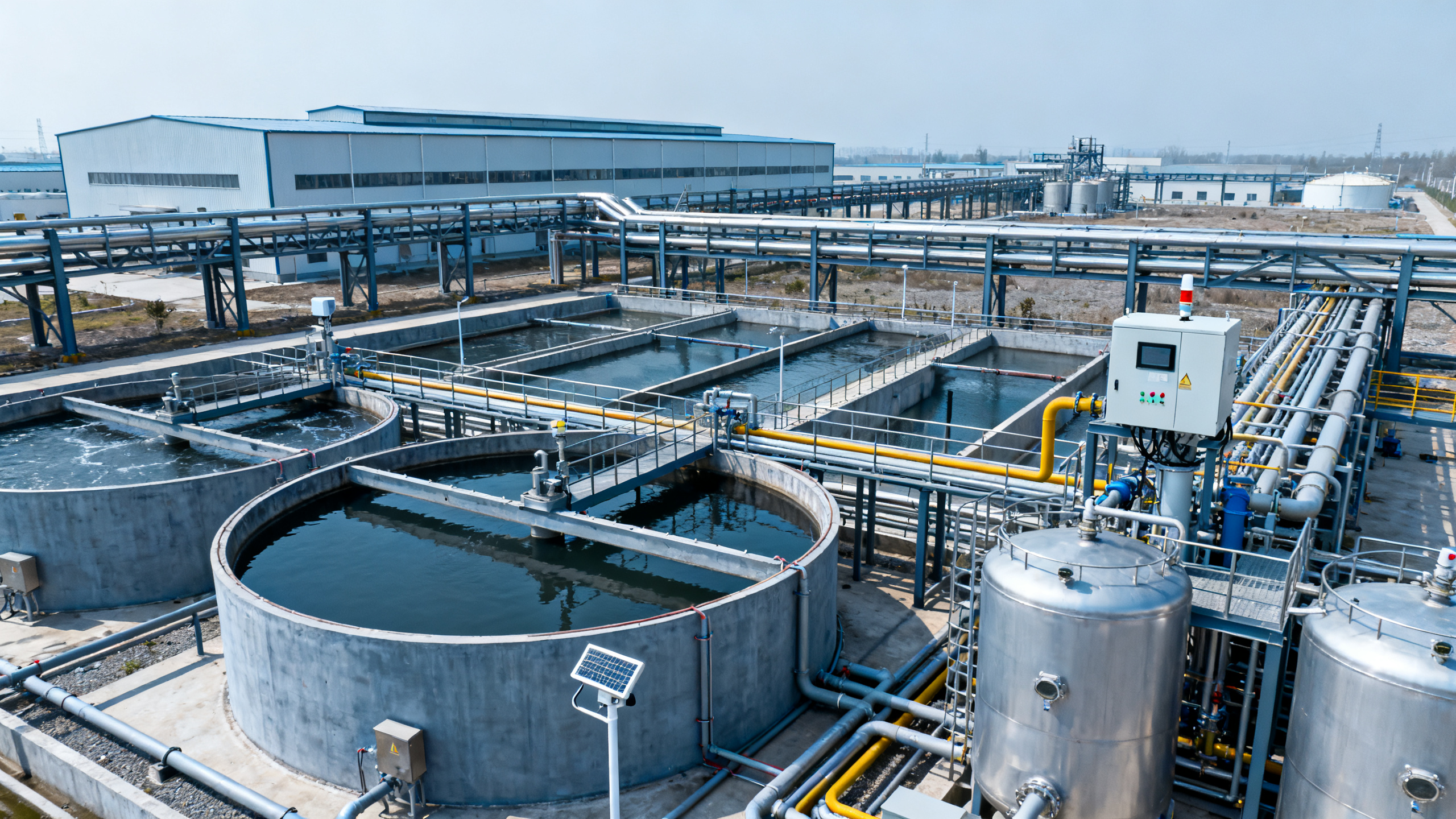
For financial approvers, Environment & Ecology cost is no longer a stable budget assumption. It now behaves like a moving operational risk with direct balance-sheet consequences.
Regulation changes faster, reporting duties deepen, and environmental liabilities often appear after procurement decisions are already locked in. That timing gap is where budgets fail.
In cross-industry infrastructure, the true Environment & Ecology cost includes compliance, monitoring, treatment, disposal, documentation, downtime, insurance pressure, and future retrofit exposure.
When those factors are missed early, projects that looked efficient on paper become expensive to operate, difficult to certify, and vulnerable to enforcement actions.
When early-stage project assumptions hide Environment & Ecology cost escalation
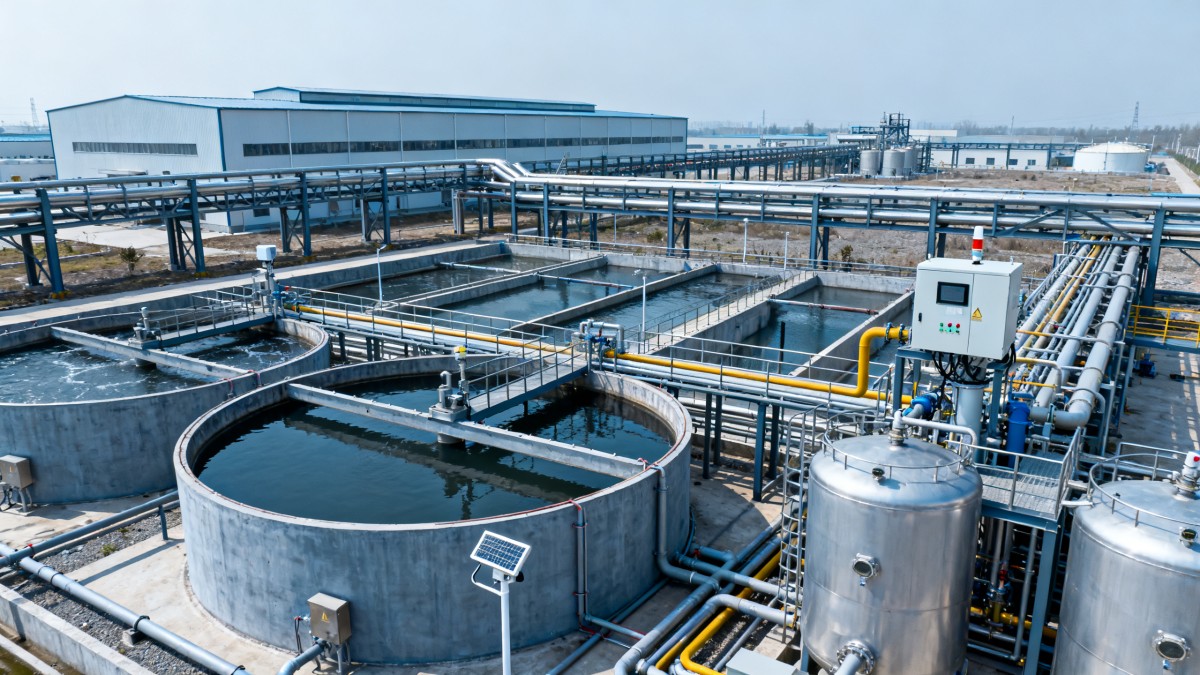
The first warning sign appears during planning. Many business cases still treat environmental spending as a permit fee plus standard waste handling.
That narrow view ignores inflation in energy-intensive treatment, hazardous material classification, third-party audits, and site-specific monitoring obligations.
A second problem is schedule compression. Fast-tracked projects often postpone baseline studies, discharge modeling, or emissions mapping until engineering is advanced.
At that point, design flexibility is lower. The Environment & Ecology cost rises because every late fix must work around civil, electrical, and mechanical constraints.
Why underestimation happens repeatedly
- Lifecycle costs are excluded from approval models.
- Compliance assumptions rely on outdated standards.
- Indirect costs, such as sampling and reporting, stay outside capex reviews.
- Regional permit conditions differ more than initial benchmarks suggest.
- Environmental controls are selected after core equipment choices are fixed.
In industrial reality, Environment & Ecology cost rises faster than expected because it compounds across design, operations, and governance rather than appearing in one invoice.
Which operating scenarios drive the fastest Environment & Ecology cost increases
Not every project faces the same pressure. Cost acceleration depends on process intensity, geographic exposure, legacy infrastructure, and the complexity of waste streams.
Scenario 1: Brownfield upgrades with aging utilities
Brownfield sites often inherit old drainage layouts, undocumented discharge points, and undersized treatment assets. These conditions multiply hidden Environment & Ecology cost.
Even minor capacity expansions can trigger broad compliance reviews. Once legacy systems fail modern thresholds, remediation extends beyond the original project scope.
Scenario 2: New facilities in tightly regulated regions
Greenfield projects may appear cleaner financially, yet stricter permitting can create major Environment & Ecology cost before operations even begin.
Required biodiversity assessments, noise studies, emissions modeling, and water management plans add consulting, testing, and redesign expenses early in the cycle.
Scenario 3: High-heat, high-water, or chemical-intensive production
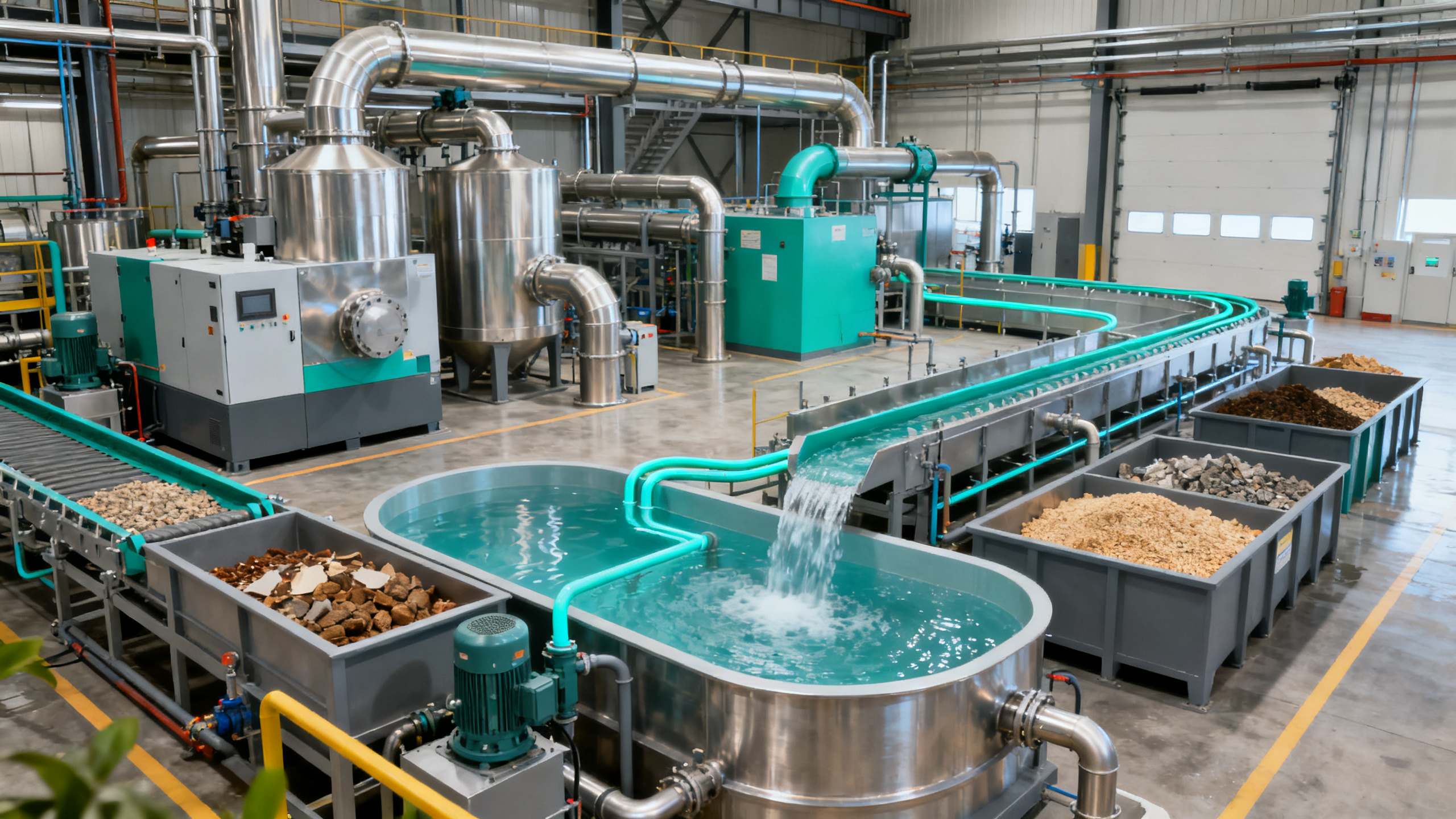
Processes using thermal treatment, solvents, coatings, washing, or combustion face faster Environment & Ecology cost growth because every output stream needs tighter control.
Air emissions, wastewater variability, sludge disposal, and sensor calibration all create recurring expense. One unstable process parameter can increase treatment demand sharply.
Scenario 4: Global supply chains with mixed compliance baselines
Cross-border sourcing introduces certification gaps, restricted substance risks, and documentation inconsistencies. These gaps can elevate Environment & Ecology cost during commissioning or audits.
A lower purchase price loses value quickly if imported systems require revalidation, supplementary filtration, or material substitution to satisfy destination-country rules.
How demand differs by scenario and why one budget model fails
The same keyword, Environment & Ecology cost, means different financial burdens in different settings. A unified budget template rarely captures that variation.
This comparison shows why Environment & Ecology cost should be modeled by scenario, not treated as a universal contingency percentage.
What to do when Environment & Ecology cost threatens project viability
The most effective response is not blanket spending. It is sharper front-end definition, better technical evidence, and earlier alignment between engineering and compliance assumptions.
Practical adaptation measures
- Build a lifecycle cost line for treatment, testing, maintenance, and end-of-life disposal.
- Review current local, national, and export-market environmental standards before freezing design.
- Stress-test utility and waste assumptions using high-load and upset-condition scenarios.
- Require traceable certifications for environmental equipment, materials, and monitoring instruments.
- Quantify downtime exposure caused by non-compliance, not only direct remediation expense.
- Create decision gates for permit progress, sampling results, and treatment performance validation.
These steps reduce the chance that Environment & Ecology cost will surface only after contracts, layouts, and commissioning dates become difficult to change.
Where common misjudgments make Environment & Ecology cost spike later
Several recurring errors explain late-stage overruns. They are operationally common, financially material, and preventable with better technical governance.
Mistake 1: Treating compliance as a documentation task
Documentation matters, but compliance performance depends on actual process stability, instrument reliability, and maintainable treatment systems. Paper cannot offset weak engineering.
Mistake 2: Using average operating data instead of peak conditions
Average values hide shocks. During startup, cleaning cycles, or raw material changes, environmental loads can exceed design assumptions and inflate Environment & Ecology cost quickly.
Mistake 3: Choosing low-price controls without service realism
Some low-cost systems require frequent consumables, difficult calibration, or specialized maintenance. Their apparent savings disappear across the first years of operation.
Mistake 4: Ignoring data quality and reporting infrastructure
Environmental reporting is increasingly auditable. Incomplete monitoring architecture can trigger repeat testing, manual corrections, and external review costs that were never budgeted.
- Missed calibration intervals increase legal and operational exposure.
- Poor traceability weakens insurance and lender confidence.
- Weak baseline data makes future claims and disputes harder to defend.
How stronger decision frameworks protect capital and resilience
A resilient approval framework treats Environment & Ecology cost as part of system design quality. It links capital planning with compliance durability and operating continuity.
That means using verified technical inputs, scenario-based cost ranges, and performance evidence from monitoring, materials, and site conditions before major commitments are made.
In broad industrial contexts, this approach supports safer infrastructure, fewer retrofit surprises, stronger audit readiness, and more dependable long-term returns.
The next practical step is to review current projects against scenario-specific environmental cost drivers, then rebuild assumptions where compliance, treatment, or lifecycle data remain incomplete.
Organizations seeking clearer technical benchmarks can use expert-led industrial intelligence to compare standards, evaluate hidden exposures, and reduce future Environment & Ecology cost escalation.
Technical Specifications
- How to Select Electronic Hotel Key Card Locks for Guest Rooms and Staff AreasAuthor :Safety Compliance Lead
- How to Select Lab Instruments for Reliable Chemical Analysis WorkflowsAuthor :Precision Metrology Expert
- How to Size a UPS for Server Rooms: Load, Runtime, and Redundancy FactorsAuthor :Grid Infrastructure Analyst
Expert Insights

Chief Security Architect
Dr. Thorne specializes in the intersection of structural engineering and digital resilience. He has advised three G7 governments on industrial infrastructure security.
Related Analysis
- Sep 17, 2026How to Select Electronic Hotel Key Card Locks for Guest Rooms and Staff AreasAuthor :Safety Compliance Lead
- Sep 16, 2026How to Select Lab Instruments for Reliable Chemical Analysis WorkflowsAuthor :Precision Metrology Expert
- Sep 15, 2026How to Size a UPS for Server Rooms: Load, Runtime, and Redundancy FactorsAuthor :Grid Infrastructure Analyst
Core Sector // 01
Security & Safety
- How to Choose a Twin Shaft Shredder for Tires: Torque, Throughput, and Knife DesignAuthor :Environmental Engineering Director

- Selecting Waste Recycling Equipment by Waste Stream, Throughput, and Contamination LevelAuthor :Environmental Engineering Director

- How to Choose Waste Sorting Equipment for Recycling Plants by Material Stream and CapacityAuthor :Environmental Engineering Director

- Scrap Metal Baler Buying Guide: Horizontal vs Vertical, Capacity, Power, and OutputAuthor :Environmental Engineering Director

- What Is Industrial Ecology and How Does It Improve Resource Efficiency in Manufacturing?Author :Environmental Engineering Director

- Pet Bottle Washing Line Problems: Common Causes of Flake Contamination and How to Fix ThemAuthor :Environmental Engineering Director

- How to Evaluate Environment & Ecology Cost in Industrial ProjectsAuthor :Environmental Engineering Director

- Why does a magnetic separator machine lose efficiency?Author :Environmental Engineering Director