Batter Mixers Shift to Integrated Process Solutions
Author
Date Published
Reading Time
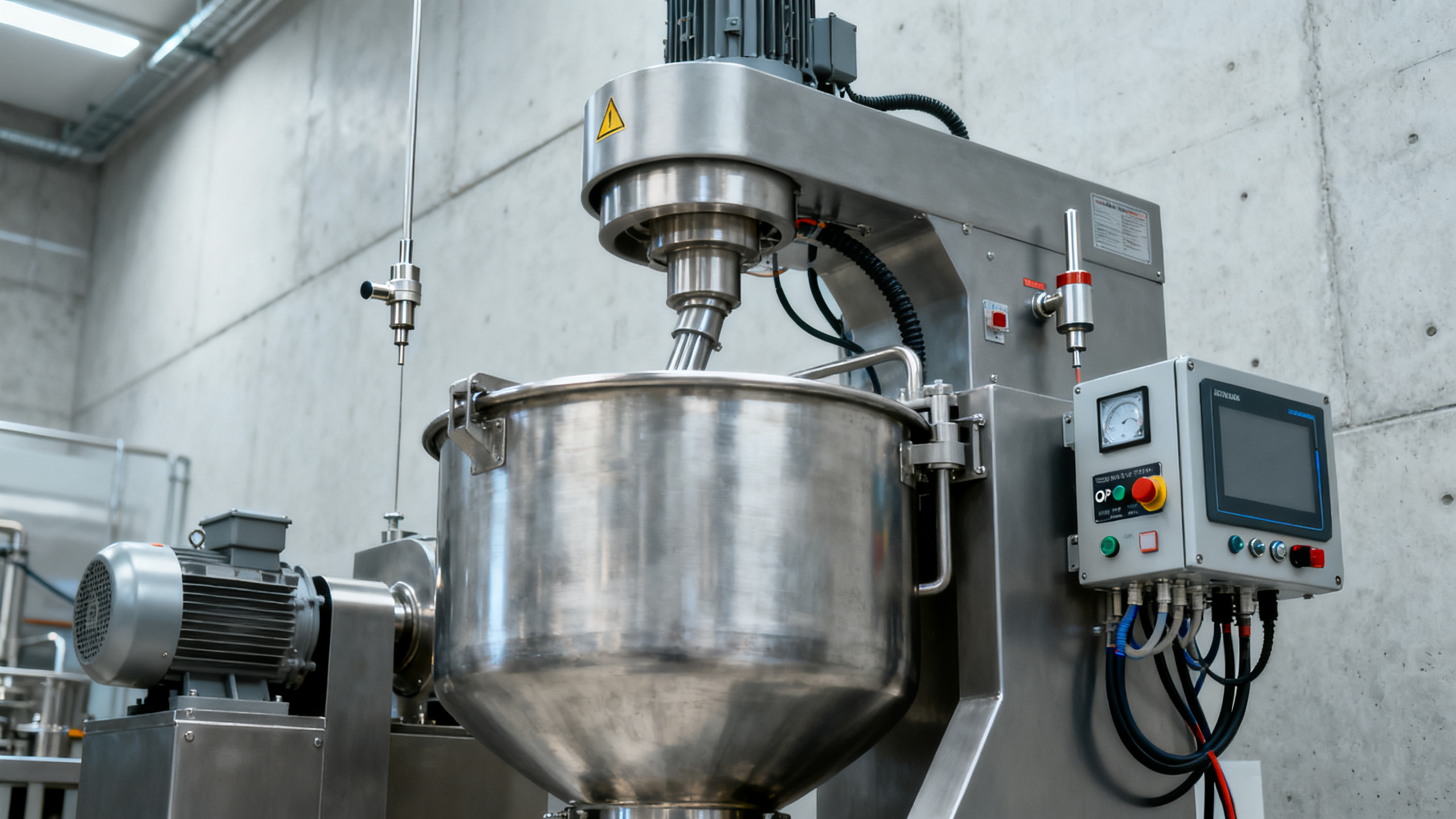
On May 16, 2026, an industry report revealed a structural shift in global procurement standards for batter mixing equipment—driven by upgrades in pet food and premium meat processing lines. This change signals tightening technical requirements for Chinese food machinery exporters, particularly in functional safety, real-time monitoring, and traceability capabilities.

Event Overview
According to the May 16, 2026 industry report, overseas customers are now specifying ‘mixing + temperature control + metal detection + data traceability’ as a single integrated capability for batter mixer procurement—moving beyond standalone mixing functionality. Chinese leading manufacturers are accelerating alignment with IEC 61508 functional safety certification. Export pricing is projected to increase by 15–20% starting Q3 2026.
Industries Affected
Direct Trading Enterprises
Export-oriented trading firms face tightened compliance documentation demands and longer pre-shipment validation cycles. Their margin pressure increases not only from higher unit costs but also from extended lead times required for certification-backed quotations and third-party verification reports.
Raw Material Procurement Enterprises
Suppliers of stainless-steel components, thermal sensors, and industrial-grade HMI modules see rising demand for certified sub-assemblies. However, they must now provide traceable material test certificates (e.g., EN 10204 3.1) and evidence of conformity with IEC 61508’s hardware fault tolerance requirements—adding administrative overhead and qualification lead time.
Processing & Manufacturing Enterprises
Domestic food processors investing in new production lines—especially those targeting EU or North American pet food certifications (e.g., FSSC 22000 v6, SQF Level 3)—must now validate that their mixing systems meet integrated process logic, not just mechanical performance. Retrofitting legacy lines with compliant subsystems introduces integration complexity and software validation burdens.
Supply Chain Service Providers
Logistics and customs brokers handling machinery exports encounter more frequent requests for technical dossiers, declaration of conformity (DoC), and IEC 61508-related supporting documents. Delays in document readiness now directly impact shipment scheduling—particularly for shipments into markets with mandatory CE/UKCA marking enforcement.
Key Focus Areas and Recommended Actions
Prioritize IEC 61508 Gap Assessment
Manufacturers should commission independent functional safety audits before Q3 2026—not only for final product certification but also to identify firmware architecture and diagnostic coverage gaps in existing control systems.
Standardize Data Interface Protocols
Since data traceability is now a non-negotiable module, enterprises should adopt OPC UA over TSN (IEC 62541) as the baseline communication framework—ensuring compatibility with global MES/SCADA platforms and avoiding proprietary lock-in.
Reevaluate Supplier Qualification Criteria
Purchasing departments must revise vendor scorecards to include evidence of ISO/IEC 17025-accredited testing for critical subsystems (e.g., metal detectors, PID temperature controllers), rather than relying solely on manufacturer self-declarations.
Editorial Perspective / Industry Observation
Observably, this shift reflects a broader transition: food machinery is no longer evaluated as discrete hardware but as a node within an auditable, safety-integrated production system. Analysis shows that the 15–20% price uplift is less about cost pass-through and more about risk transfer—exporters are internalizing liability exposure previously borne by end users. From an industry perspective, this represents a maturation signal: global buyers now treat mixing equipment like programmable logic controllers (PLCs), demanding SIL2-capable design rigor. Current developments are better understood as a regulatory convergence trend—not a temporary compliance spike.
Conclusion
This evolution underscores how upstream equipment standards increasingly mirror downstream food safety governance frameworks. A rational conclusion is that competitiveness in food machinery export will hinge less on mechanical innovation and more on verifiable system-level integrity—making functional safety literacy a core competency, not a niche add-on.
Source Attribution
Source: Industry Report issued by China Food and Packaging Machinery Association (CFPMA), May 16, 2026. Official certification timelines and enforcement scope for IEC 61508 in food machinery remain subject to updates from the International Electrotechnical Commission (IEC) and EU Notified Bodies—ongoing monitoring advised.
Technical Specifications
- How to Select Electronic Hotel Key Card Locks for Guest Rooms and Staff AreasAuthor :Safety Compliance Lead
- How to Select Lab Instruments for Reliable Chemical Analysis WorkflowsAuthor :Precision Metrology Expert
- How to Size a UPS for Server Rooms: Load, Runtime, and Redundancy FactorsAuthor :Grid Infrastructure Analyst
Expert Insights

Chief Security Architect
Dr. Thorne specializes in the intersection of structural engineering and digital resilience. He has advised three G7 governments on industrial infrastructure security.
Related Analysis
- Sep 17, 2026How to Select Electronic Hotel Key Card Locks for Guest Rooms and Staff AreasAuthor :Safety Compliance Lead
- Sep 16, 2026How to Select Lab Instruments for Reliable Chemical Analysis WorkflowsAuthor :Precision Metrology Expert
- Sep 15, 2026How to Size a UPS for Server Rooms: Load, Runtime, and Redundancy FactorsAuthor :Grid Infrastructure Analyst
Core Sector // 01
Security & Safety
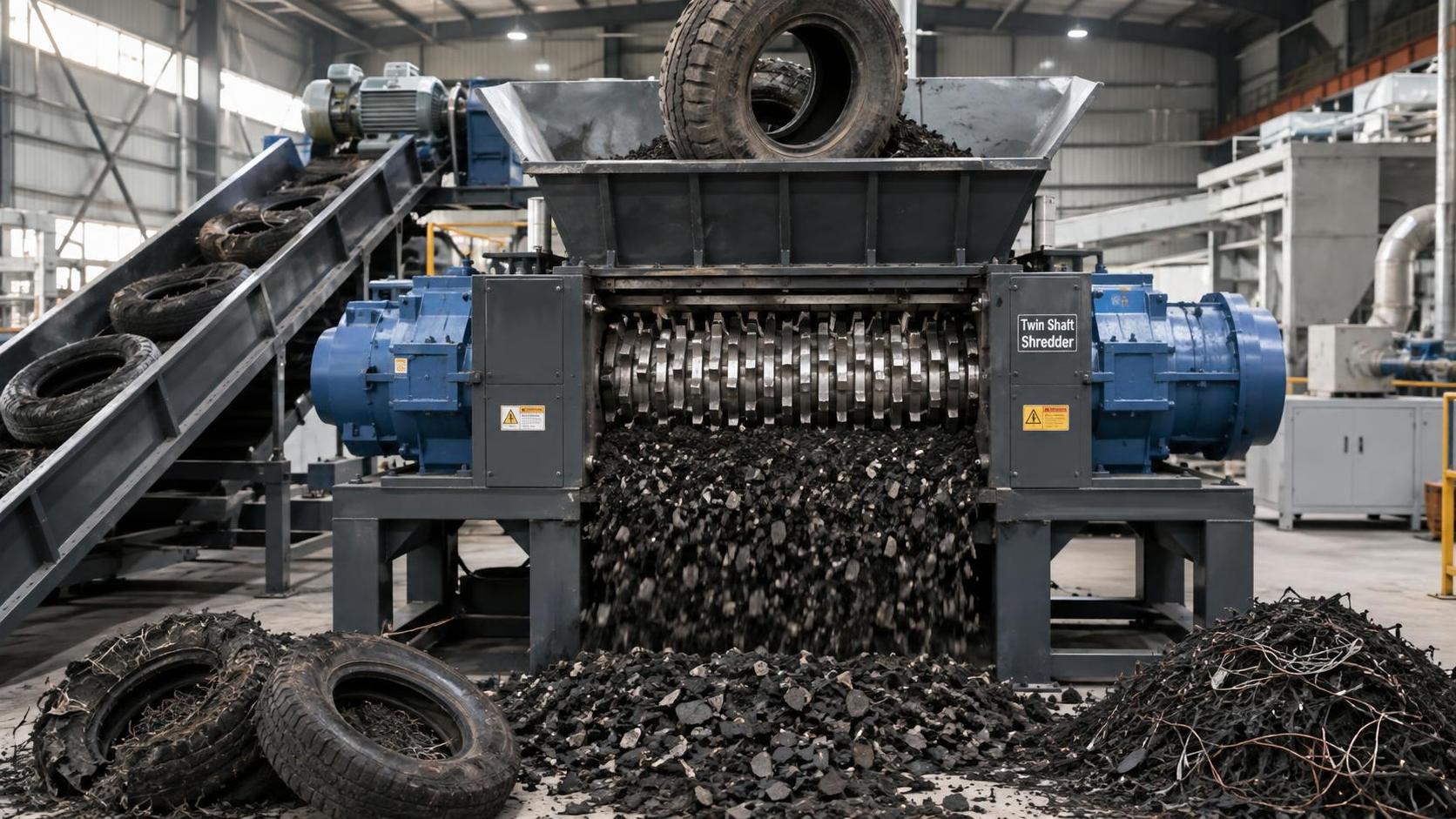
- How to Choose a Twin Shaft Shredder for Tires: Torque, Throughput, and Knife DesignAuthor :Environmental Engineering Director

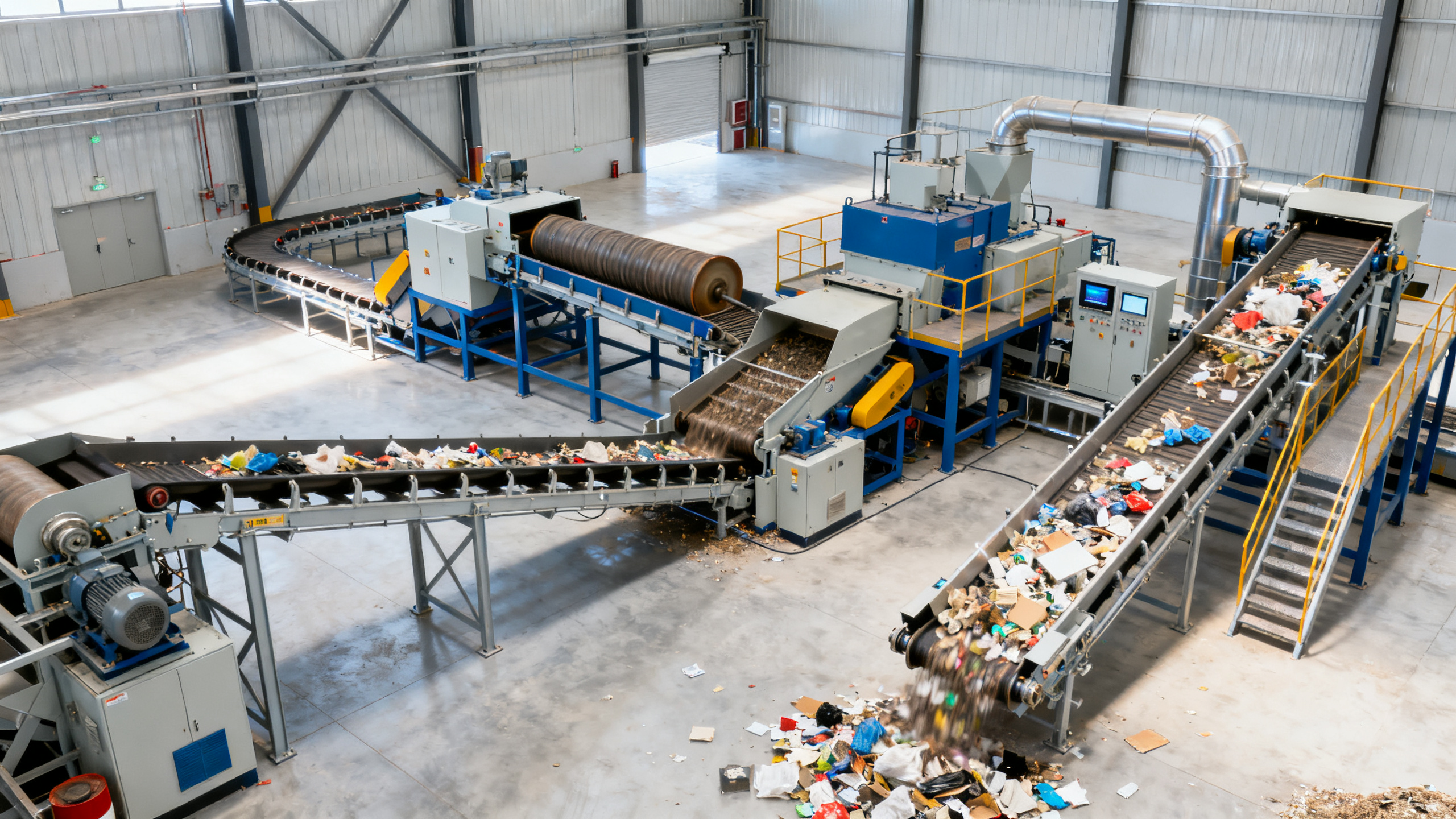
- Selecting Waste Recycling Equipment by Waste Stream, Throughput, and Contamination LevelAuthor :Environmental Engineering Director

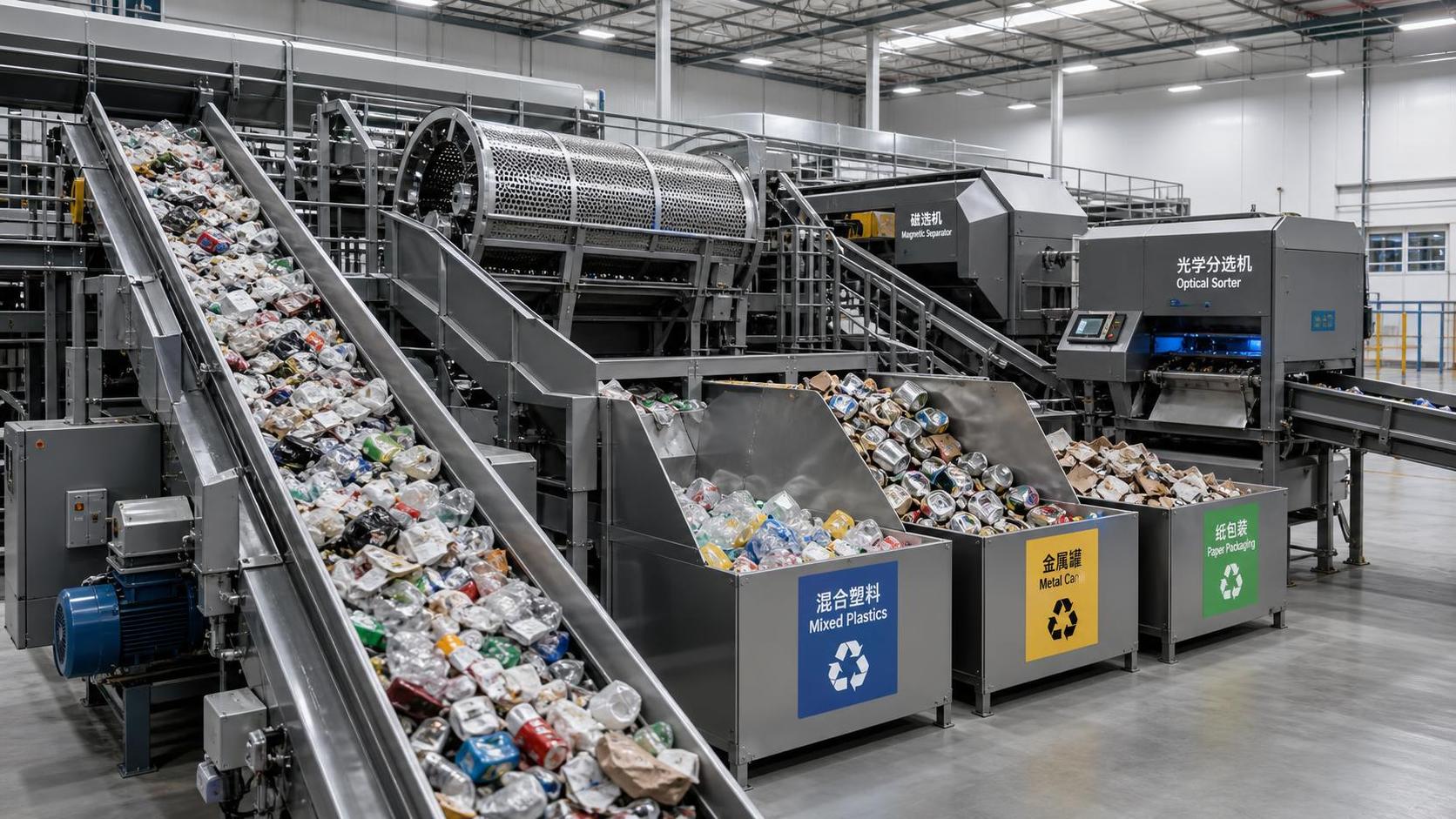
- How to Choose Waste Sorting Equipment for Recycling Plants by Material Stream and CapacityAuthor :Environmental Engineering Director

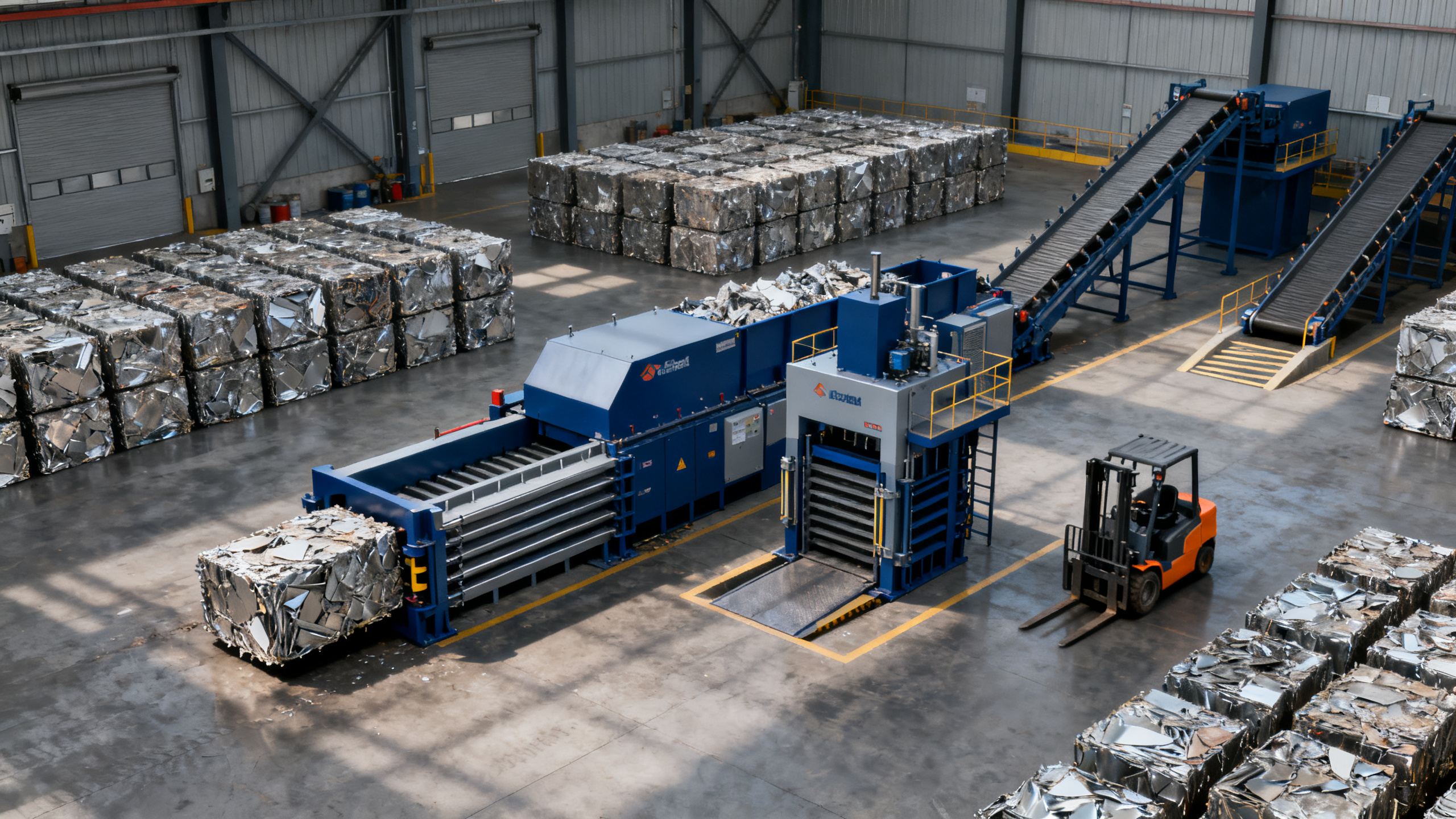
- Scrap Metal Baler Buying Guide: Horizontal vs Vertical, Capacity, Power, and OutputAuthor :Environmental Engineering Director

- What Is Industrial Ecology and How Does It Improve Resource Efficiency in Manufacturing?Author :Environmental Engineering Director

- Pet Bottle Washing Line Problems: Common Causes of Flake Contamination and How to Fix ThemAuthor :Environmental Engineering Director

- How to Evaluate Environment & Ecology Cost in Industrial ProjectsAuthor :Environmental Engineering Director

- Why does a magnetic separator machine lose efficiency?Author :Environmental Engineering Director