Where Environment & Ecology Cost Often Rises Unexpectedly
Author
Date Published
Reading Time
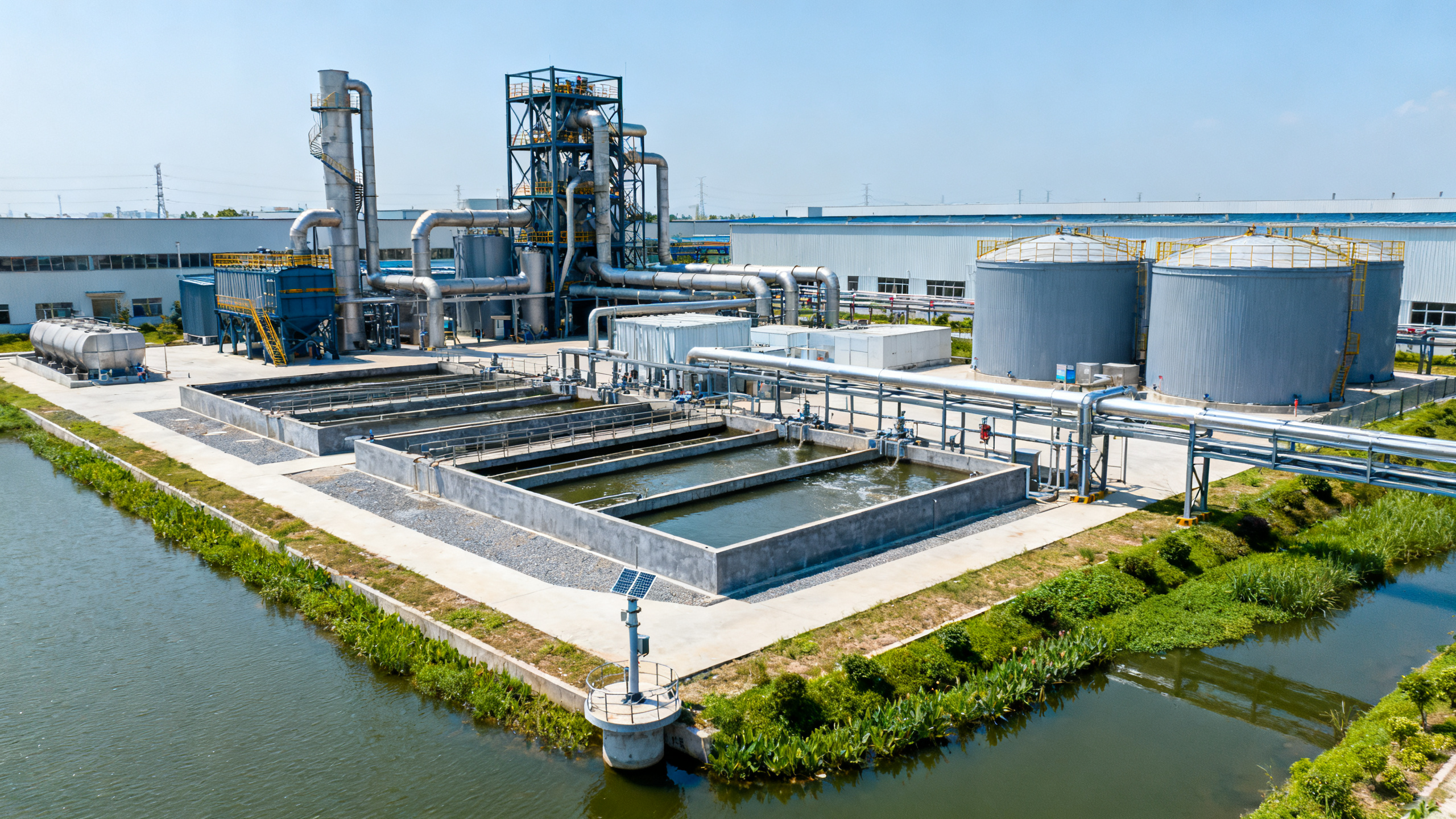
Environment & Ecology cost often looks manageable during early budgeting, then expands once field realities appear. Permits, testing, waste handling, and post-project obligations usually drive the surprise.
In industrial, infrastructure, and facility projects, these overruns rarely come from one dramatic error. They usually result from several underestimated items compounding across planning, engineering, construction, and operation.
This guide explains where Environment & Ecology cost rises unexpectedly, what warning signs deserve immediate attention, and how better scoping can protect timelines, compliance, and capital efficiency.
Why does Environment & Ecology cost increase after a project is already approved?
The first reason is incomplete baseline definition. If soil, water, emissions, noise, or biodiversity data are limited, later findings can force redesign, extra mitigation, or expanded documentation.
A second driver is optimistic permitting assumptions. Environmental approval schedules vary by jurisdiction, site sensitivity, public consultation needs, and cross-agency review complexity.
Third, technical scope often matures late. A simple drainage plan may evolve into stormwater treatment, spill containment, monitoring wells, or odor control once authorities review risk pathways.
Construction sequencing also matters. Delays caused by seasonal restrictions, protected habitats, or waste transport limitations can raise labor, equipment standby, and contractor mobilization costs.
In many cases, Environment & Ecology cost rises because project teams price the visible equipment, but not the invisible obligations surrounding that equipment.
- Application fees and external studies
- Sampling, laboratory analysis, and repeated submissions
- Design revisions triggered by compliance comments
- Waste classification, packaging, and transport controls
- Commissioning tests and long-term reporting commitments
Which hidden line items most often distort Environment & Ecology cost?
Unexpected spending usually begins with line items that were grouped too broadly. “Environmental allowance” is often too vague to support accurate capital or procurement decisions.
Site investigation is a common example. Initial reports may exclude seasonal sampling, groundwater depth variation, contamination plume mapping, or off-site receptor analysis.
Waste treatment is another major variable. Disposal cost changes sharply when waste proves hazardous, mixed, wet, chemically unstable, or subject to strict transport documentation.
Utilities and emissions control can also be underestimated. A small process change may require scrubbers, secondary containment, filtration upgrades, or continuous monitoring instruments.
Long-tail obligations are especially important. Environment & Ecology cost does not end at installation if permits require periodic audits, recalibration, reporting, or ecological restoration checks.
How can early warning signals reveal future Environment & Ecology cost pressure?
Several signs appear well before budgets fail. The most reliable signal is uncertainty in environmental scope language across engineering, legal, and contractor documents.
If one document says “subject to authority approval,” but another assumes a fixed design, Environment & Ecology cost exposure already exists.
Another signal is a missing permit dependency map. Without one, teams may not see how air, water, waste, land use, and construction approvals affect each other.
High consultant rework frequency is also a warning. Repeated revisions usually indicate unclear assumptions, incomplete site data, or evolving compliance interpretation.
Watch for unusually low vendor quotations in environmental packages. A low price may exclude validation, commissioning support, consumables, reporting interfaces, or operator training.
Red flags can be screened using a short review list:
- Are baseline studies current, seasonal, and site-specific?
- Do permit assumptions match actual authority practice?
- Is waste classification confirmed before construction?
- Are post-commissioning monitoring obligations funded?
- Do supplier quotes include compliance documentation?
What project types face the biggest risk of unexpected Environment & Ecology cost?
Brownfield upgrades often carry the highest uncertainty. Historical contamination, undocumented drainage routes, and legacy materials can trigger expensive investigation and remediation activities.
Heavy process facilities are another high-risk category. Plants involving chemicals, heat, dust, metal treatment, fuel handling, or wastewater concentration usually face layered compliance controls.
Projects near sensitive receptors also see elevated Environment & Ecology cost. Nearby communities, protected species, wetlands, agricultural zones, or drinking water sources intensify approval scrutiny.
Fast-track schedules create their own risk. Compressed design phases leave less time for environmental characterization, stakeholder review, and alternative technology comparison.
Even smaller utility or warehouse projects can experience major cost shifts when stormwater, noise, lighting, or hazardous storage rules are treated as secondary design issues.
Typical scenarios where cost inflation accelerates
- Site expansion on land with limited historical records
- Retrofit work inside operating industrial facilities
- New discharge or emissions points requiring authority review
- Projects involving imported equipment needing local adaptation
- Cross-border supply chains with inconsistent compliance documents
How should budgets and procurement plans control Environment & Ecology cost without weakening compliance?
The best approach is not simple cost cutting. It is earlier cost definition, stronger technical alignment, and disciplined validation of what suppliers and consultants actually include.
Start by separating capital items from compliance process items. Equipment, studies, approvals, testing, reporting, and restoration should each have visible budget ownership.
Use scenario-based estimating. Build at least three cases: expected, authority-tightened, and adverse site condition. This makes Environment & Ecology cost uncertainty measurable before commitment.
Supplier evaluation should go beyond price. Technical completeness, certification support, maintenance burden, consumable usage, calibration needs, and local service response all affect life-cycle cost.
Documentation discipline matters as much as hardware selection. Incomplete records frequently cause resubmissions, change orders, and delayed inspections.
What are the most common mistakes when forecasting Environment & Ecology cost?
One mistake is treating environmental scope as a minor percentage add-on. That works poorly when site conditions or regulatory expectations are still uncertain.
Another mistake is copying numbers from unrelated projects. Environment & Ecology cost depends heavily on jurisdiction, process type, climate, site history, and receptor sensitivity.
A third mistake is ignoring operational years after startup. Monitoring, consumables, audits, sludge removal, and reporting software can outlast the initial capital package.
Teams also underestimate interface risk. Environmental systems connect with civil works, electrical controls, laboratory protocols, and safety procedures. Missed interfaces often become late-stage expenses.
Finally, some budgets assume compliance equals resilience. In reality, minimum approval may not be enough for severe weather, load variation, or future standards tightening.
Quick FAQ reference
Unexpected Environment & Ecology cost is rarely random. It usually follows predictable gaps in baseline data, permitting logic, waste assumptions, technical interfaces, and long-term compliance planning.
A stronger response begins with earlier investigation, clearer scope breakdowns, and supplier reviews that test technical completeness instead of headline price alone.
When budgets reflect realistic environmental obligations, projects gain better schedule confidence, fewer approval disruptions, and more durable operational resilience. The next step is a structured cost review before final capital release.
Technical Specifications
- How to Select Electronic Hotel Key Card Locks for Guest Rooms and Staff AreasAuthor :Safety Compliance Lead
- How to Select Lab Instruments for Reliable Chemical Analysis WorkflowsAuthor :Precision Metrology Expert
- How to Size a UPS for Server Rooms: Load, Runtime, and Redundancy FactorsAuthor :Grid Infrastructure Analyst
Expert Insights

Chief Security Architect
Dr. Thorne specializes in the intersection of structural engineering and digital resilience. He has advised three G7 governments on industrial infrastructure security.
Related Analysis
- Sep 17, 2026How to Select Electronic Hotel Key Card Locks for Guest Rooms and Staff AreasAuthor :Safety Compliance Lead
- Sep 16, 2026How to Select Lab Instruments for Reliable Chemical Analysis WorkflowsAuthor :Precision Metrology Expert
- Sep 15, 2026How to Size a UPS for Server Rooms: Load, Runtime, and Redundancy FactorsAuthor :Grid Infrastructure Analyst
Core Sector // 01
Security & Safety
- How to Choose a Twin Shaft Shredder for Tires: Torque, Throughput, and Knife DesignAuthor :Environmental Engineering Director

- Selecting Waste Recycling Equipment by Waste Stream, Throughput, and Contamination LevelAuthor :Environmental Engineering Director

- How to Choose Waste Sorting Equipment for Recycling Plants by Material Stream and CapacityAuthor :Environmental Engineering Director

- Scrap Metal Baler Buying Guide: Horizontal vs Vertical, Capacity, Power, and OutputAuthor :Environmental Engineering Director

- What Is Industrial Ecology and How Does It Improve Resource Efficiency in Manufacturing?Author :Environmental Engineering Director

- Pet Bottle Washing Line Problems: Common Causes of Flake Contamination and How to Fix ThemAuthor :Environmental Engineering Director

- How to Evaluate Environment & Ecology Cost in Industrial ProjectsAuthor :Environmental Engineering Director

- Why does a magnetic separator machine lose efficiency?Author :Environmental Engineering Director