Why Electrical & Power Manufacturers Are Redesigning Product Lines
Author
Date Published
Reading Time
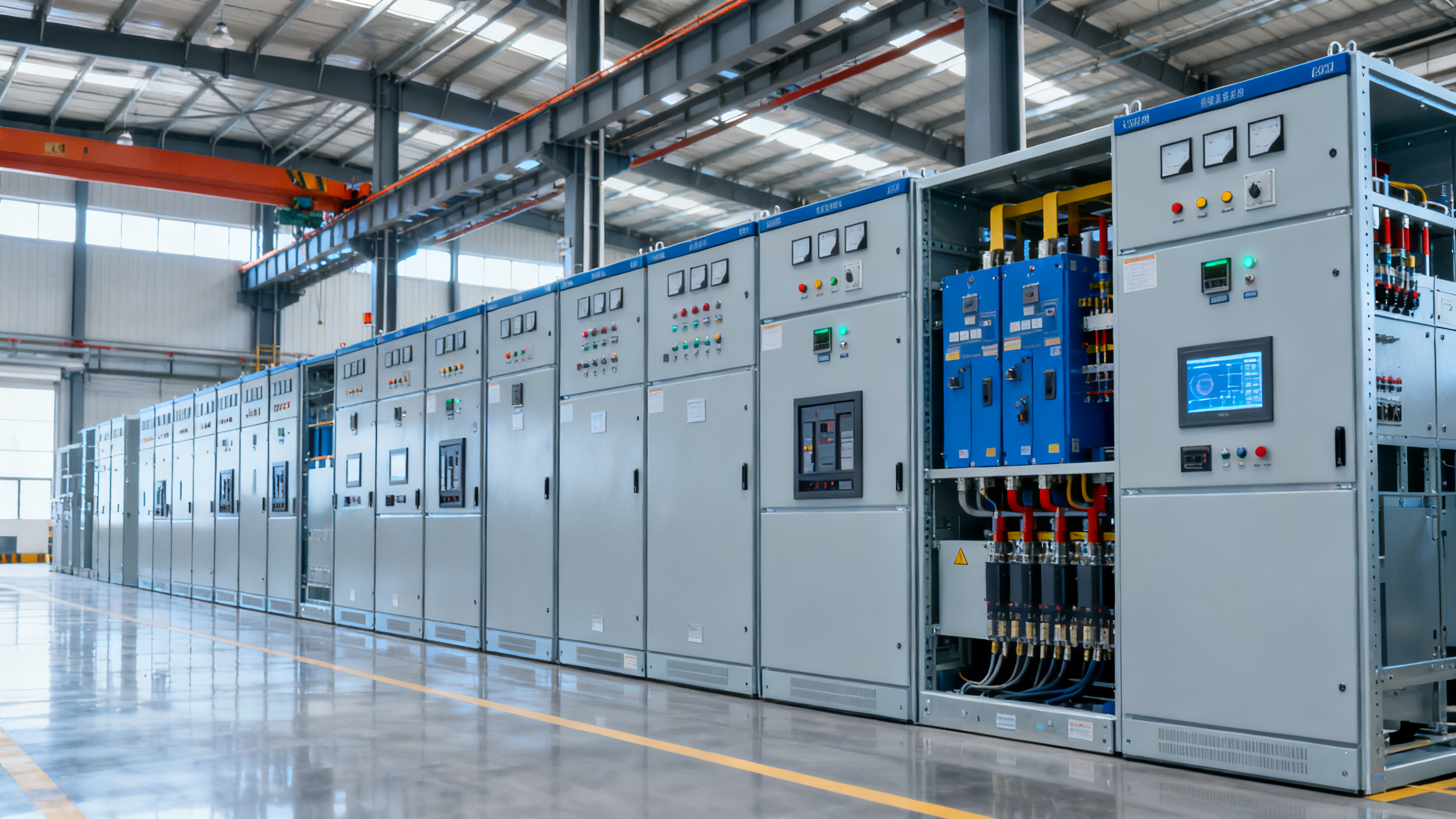
Why Electrical & Power Manufacturers Are Redesigning Product Lines
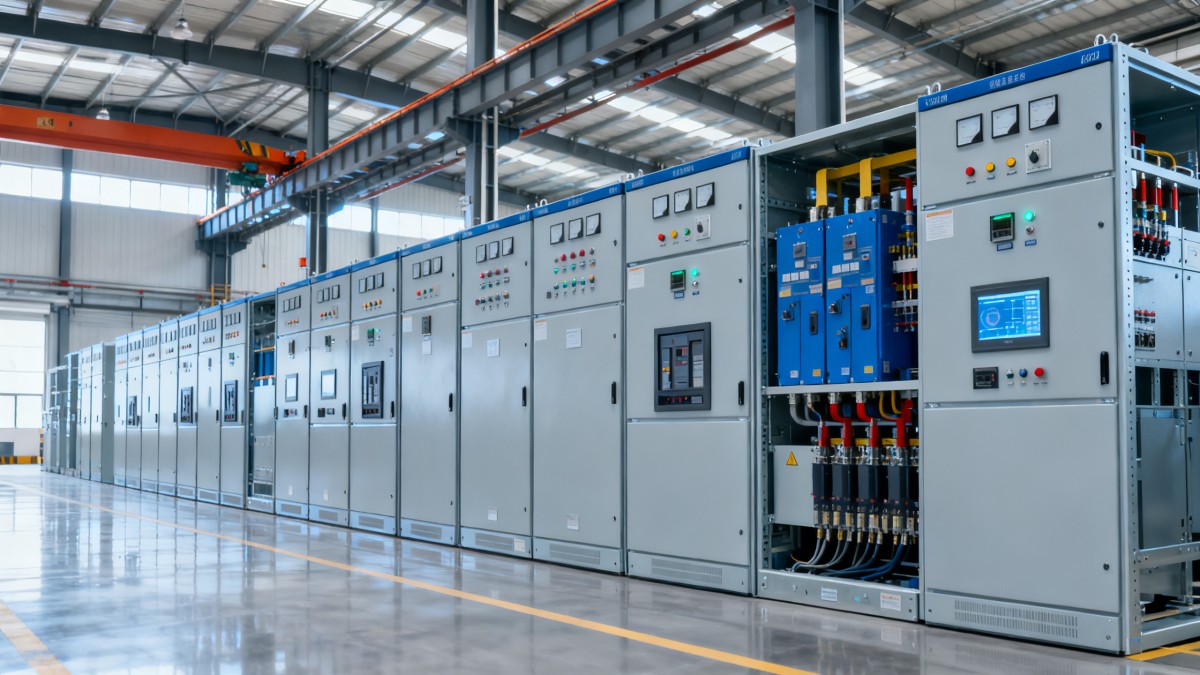
Why is every Electrical & Power manufacturer rethinking legacy product lines? The answer is no longer limited to cost or aesthetics.
Across industrial infrastructure, redesign now responds to stricter compliance, digital grid upgrades, harsher duty cycles, and tighter expectations for uptime.
Older products often fail to support modern monitoring, modular replacement, energy efficiency targets, or cross-border certification requirements.
For any Electrical & Power manufacturer, redesign has become a strategic decision affecting procurement stability, lifecycle value, and long-term operational resilience.
Why a structured evaluation is now necessary
Product line redesign involves more than updating housings or component layouts. It changes certification paths, serviceability, supply chain exposure, and installed performance.
A structured review helps compare redesign priorities against real industrial demands, instead of relying on assumptions carried over from older applications.
This matters in substations, process plants, commercial facilities, renewable assets, transport systems, and heavy manufacturing environments.
For a modern Electrical & Power manufacturer, the best redesign decisions usually come from balancing compliance, field reliability, digital integration, and total ownership cost.
Core points to review before redesigning any product line
Use the following points to assess whether a redesign is necessary and where the highest return is likely to appear.
- Verify whether current products still align with CE, UL, ISO, IEC, and regional electrical safety requirements across all intended export markets.
- Check if thermal performance, insulation integrity, and enclosure protection remain reliable under higher loads, dust, moisture, vibration, or corrosive exposure.
- Measure whether existing designs support sensors, remote diagnostics, digital communication protocols, and predictive maintenance demanded by modern facilities.
- Review component obsolescence risk, including semiconductors, connectors, insulation materials, and metals affected by supply shortages or regulatory restrictions.
- Compare field failure patterns to determine whether redesign can reduce heat buildup, contact wear, nuisance trips, or maintenance-driven downtime.
- Examine assembly complexity and part count to identify opportunities for modular architecture, faster installation, and simpler servicing in constrained sites.
- Assess energy efficiency performance, because losses in switchgear, transformers, drives, or power distribution products now receive greater scrutiny.
- Confirm compatibility with grid modernization needs, including distributed energy resources, storage systems, and variable power quality conditions.
- Evaluate whether lifecycle cost models reflect real maintenance intervals, spare part access, and mean time to repair under field conditions.
- Review documentation quality, test traceability, and certification evidence, since trust and audit readiness now influence specification decisions.
What is driving every Electrical & Power manufacturer to redesign
1. Compliance pressure is rising faster than legacy designs can adapt
Safety and environmental standards are evolving across industrial markets. Legacy platforms often require expensive exceptions, retesting, or redesign-by-patch.
A proactive Electrical & Power manufacturer redesigns earlier, reducing future certification disruption and preserving access to regulated projects and export channels.
2. Grid modernization requires smarter hardware
Power infrastructure is becoming more distributed, monitored, and data-driven. Products must support communication, diagnostics, and interoperability without sacrificing ruggedness.
That is why an Electrical & Power manufacturer increasingly embeds sensing, communication ports, and flexible control capabilities into redesigned platforms.
3. Reliability expectations are stricter
End users now expect longer service life with fewer unplanned interventions. Even minor failures can stop production, damage equipment, or trigger safety incidents.
Redesign helps an Electrical & Power manufacturer improve thermal paths, sealing methods, contact durability, and fault tolerance under realistic stress profiles.
4. Lifecycle cost matters more than purchase price
Industrial buyers are comparing maintenance burden, energy losses, downtime risk, and replacement intervals, not just initial quotation values.
A redesign that lowers failure rates or speeds service access can create stronger long-term value than a cheaper legacy configuration.
5. Supply chain resilience is now part of engineering
Single-source electronics, restricted materials, and unstable lead times can cripple delivery commitments. Engineering teams now redesign around sourcing resilience.
For an Electrical & Power manufacturer, approved substitutes, modular subassemblies, and standardized interfaces help reduce exposure to disruption.
Application-specific considerations
Utility and grid infrastructure
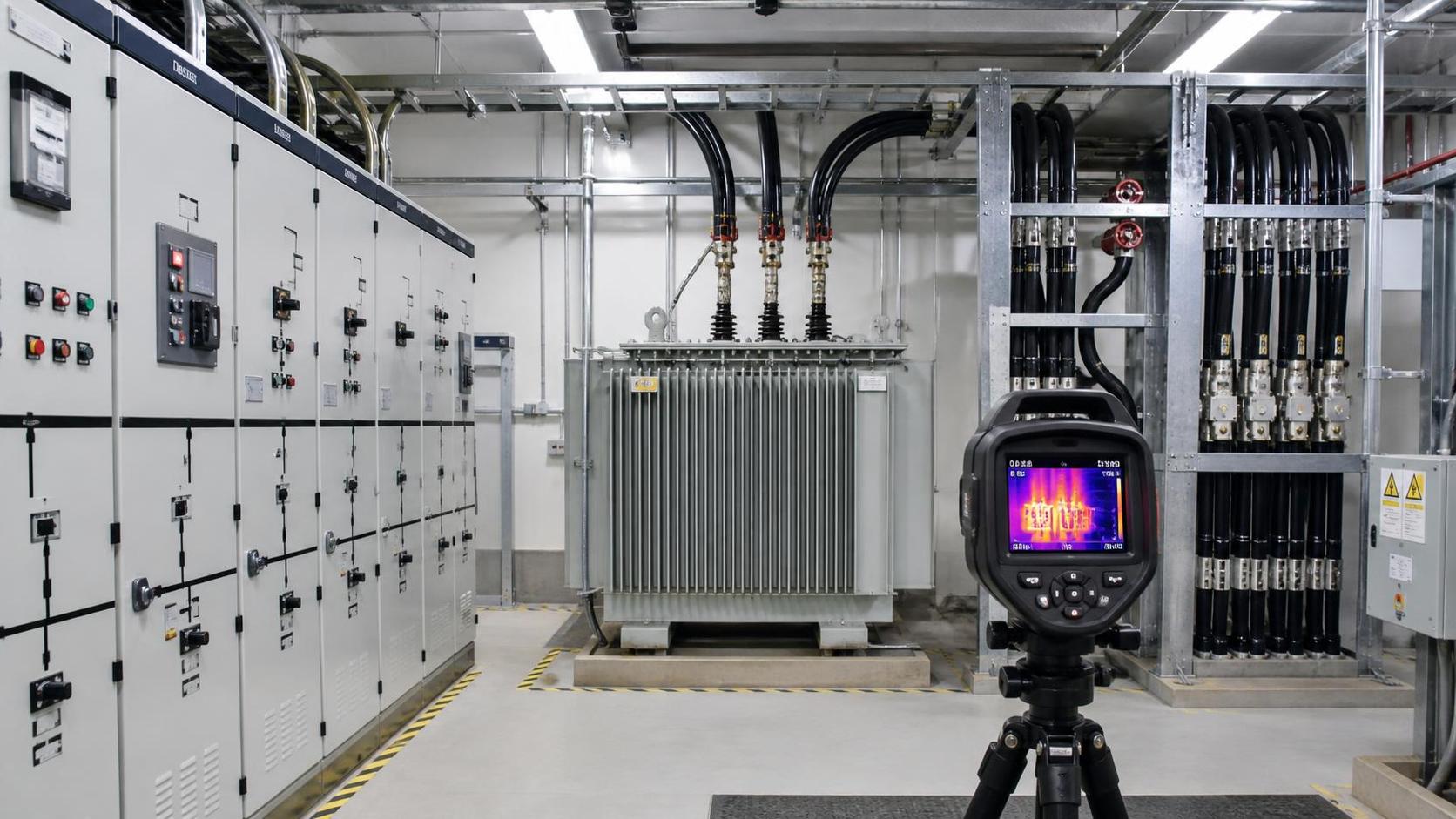
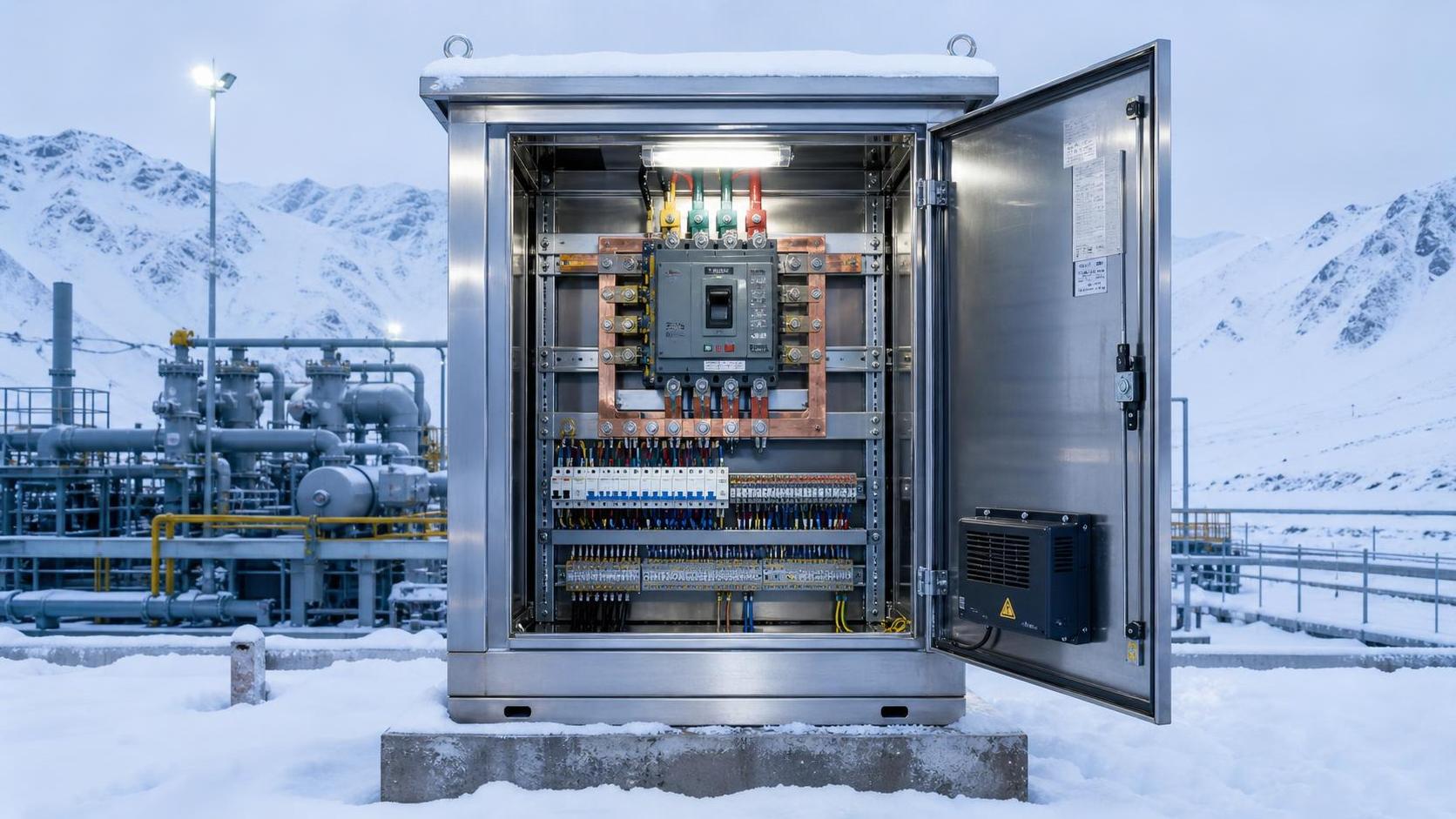
Here, redesign should prioritize fault endurance, communication readiness, outdoor durability, and compliance with utility-specific testing expectations.
Products facing renewable integration also need better tolerance for fluctuating loads and more intelligent protection behavior.
Process plants and heavy industry
Dust, chemicals, heat, vibration, and nonstop operation place severe pressure on electrical products. Redesign should focus on sealing, thermal stability, and maintainability.
An Electrical & Power manufacturer serving these sites must also validate performance during abnormal events, not only in clean test environments.
Commercial buildings and mission-critical facilities
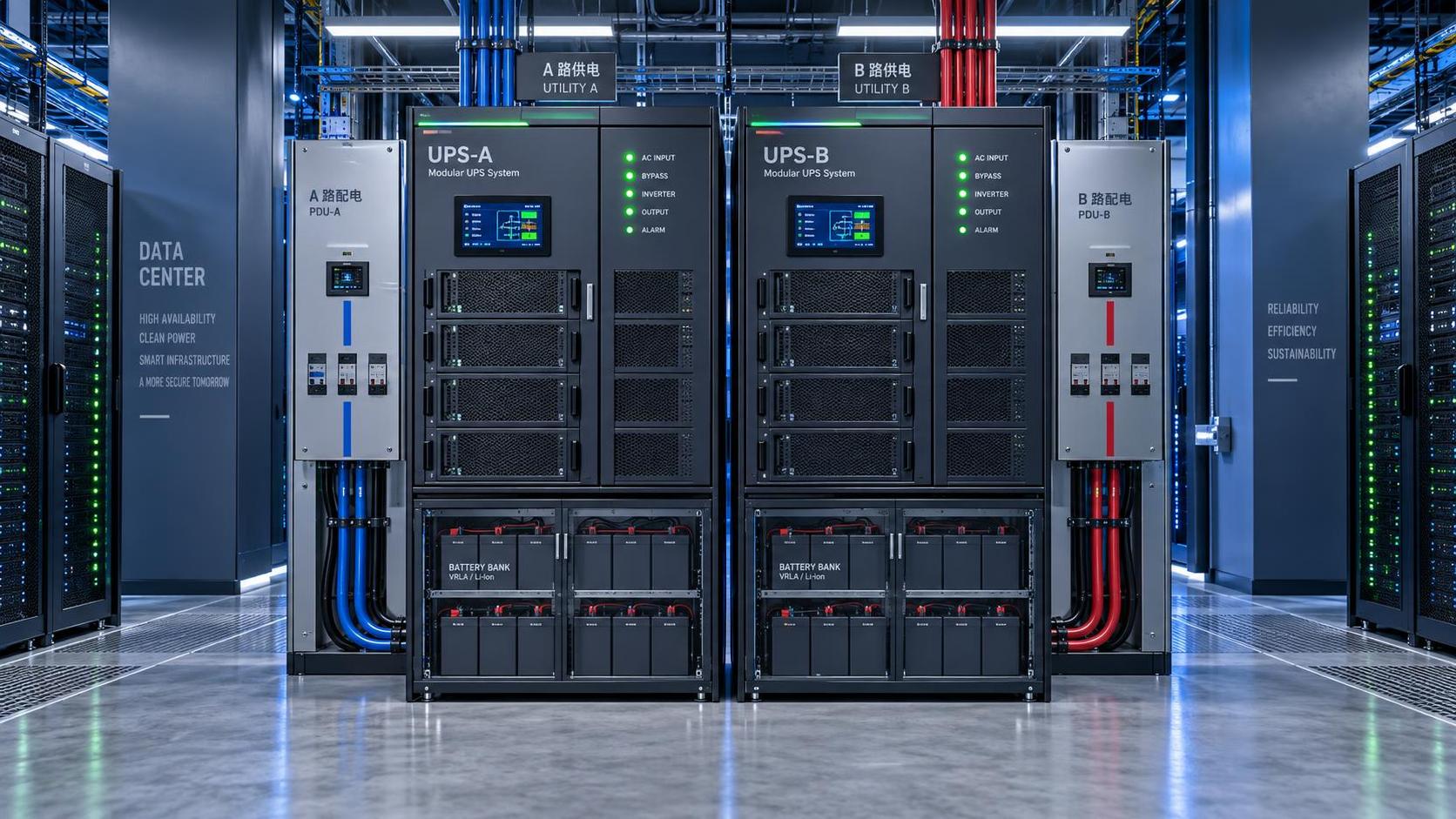
Hospitals, data centers, airports, and large campuses demand uptime, space efficiency, and easier monitoring. Compact modular redesigns often provide major benefits.
Documentation, interoperability, and service access become especially important where outages carry financial or safety consequences.
OEM systems and machine integration
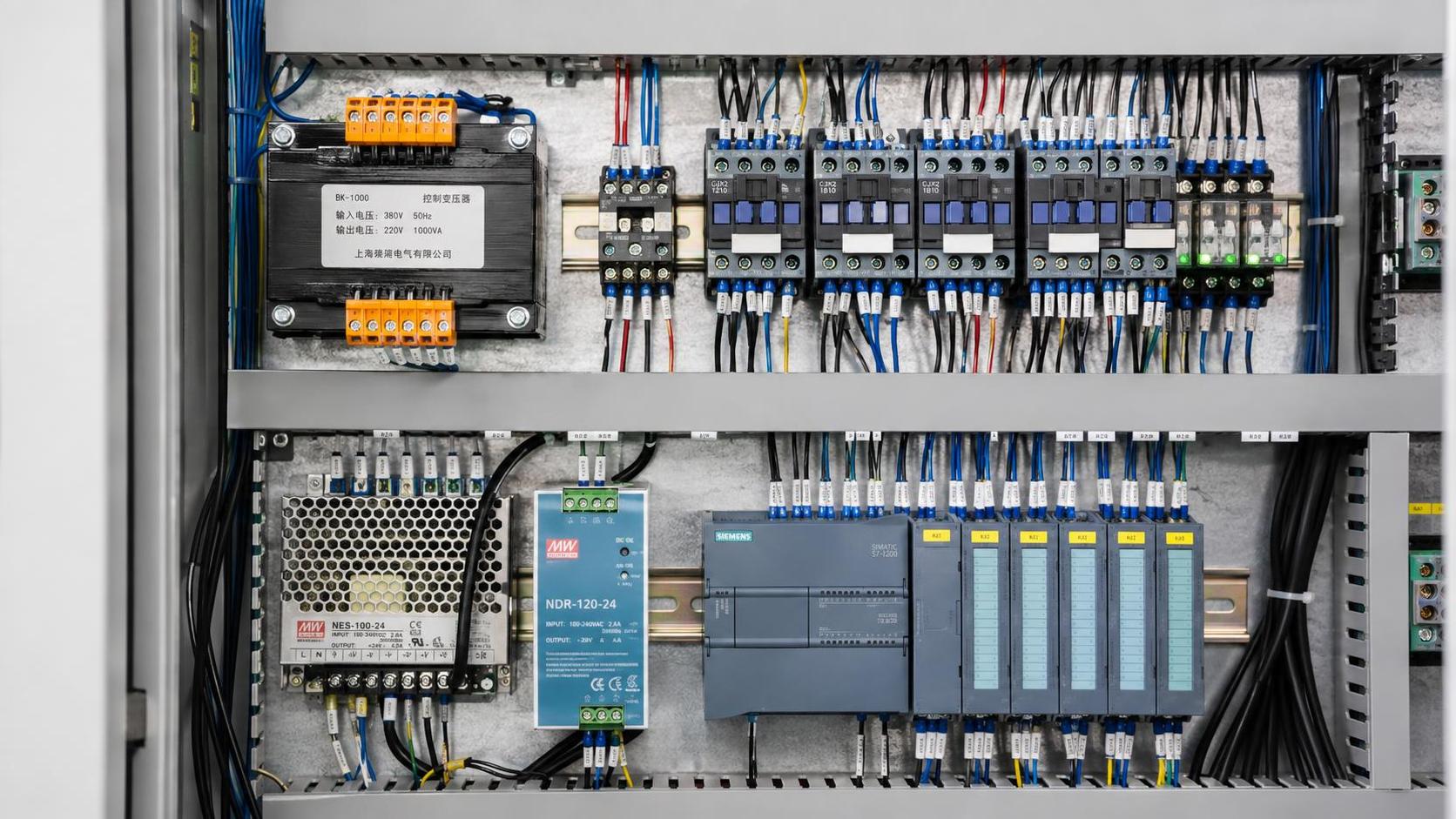
In OEM applications, redesign must support faster assembly, repeatable wiring, and compatibility with digital control platforms.
A capable Electrical & Power manufacturer often wins through interface simplicity, footprint reduction, and easier global certification support.
Commonly overlooked issues during redesign
Field conditions are underestimated
Lab compliance does not guarantee real-world reliability. Heat cycling, contamination, voltage instability, and poor installation practices must influence redesign choices.
Backward compatibility is ignored
If mounting, wiring, software, or spare part logic changes too sharply, retrofit adoption becomes difficult and service teams face avoidable complexity.
Digital features are added without practical value
Not every product needs advanced connectivity. Added electronics should solve a maintenance, visibility, or protection problem, not create new failure points.
Testing scope remains too narrow
A redesign may pass standard tests yet still fail in combined stress conditions. Mixed-environment validation is increasingly essential.
Practical steps for effective execution
- Start with failure data, warranty claims, service reports, and certification gaps instead of beginning from visual redesign goals.
- Prioritize families with the highest risk of obsolescence, compliance exposure, or recurring field issues.
- Use modular design logic so future updates can be introduced without full platform replacement.
- Validate redesigned products in realistic thermal, mechanical, and electrical stress combinations before commercial rollout.
- Prepare technical documents, certifications, and service instructions early to support trust and adoption.
For any Electrical & Power manufacturer, disciplined execution reduces redesign risk and improves the odds of meaningful market acceptance.
FAQ
How often should an Electrical & Power manufacturer review product lines?
A formal review every 12 to 24 months is practical, with faster cycles for electronics-heavy products or export-dependent lines.
Does redesign always mean a full platform replacement?
No. Many successful updates target thermal design, materials, connectivity, sealing, or modular service features while preserving core architecture.
What creates the strongest redesign business case?
The strongest case combines compliance urgency, recurring field failures, component risk, and measurable lifecycle cost improvement.
Conclusion and next steps
The modern Electrical & Power manufacturer is redesigning product lines because industrial expectations have fundamentally changed.
Compliance is stricter. Grid architecture is smarter. Reliability demands are higher. Supply chains are less predictable. Lifecycle economics matter more.
The best next step is to audit one product family against compliance readiness, field performance, digital capability, and sourcing resilience.
That approach turns redesign from a reactive expense into a controlled strategy for stronger performance and durable market relevance.
Technical Specifications
- How to Select Electronic Hotel Key Card Locks for Guest Rooms and Staff AreasAuthor :Safety Compliance Lead
- How to Select Lab Instruments for Reliable Chemical Analysis WorkflowsAuthor :Precision Metrology Expert
- How to Size a UPS for Server Rooms: Load, Runtime, and Redundancy FactorsAuthor :Grid Infrastructure Analyst
Expert Insights

Chief Security Architect
Dr. Thorne specializes in the intersection of structural engineering and digital resilience. He has advised three G7 governments on industrial infrastructure security.
Related Analysis
- Sep 17, 2026How to Select Electronic Hotel Key Card Locks for Guest Rooms and Staff AreasAuthor :Safety Compliance Lead
- Sep 16, 2026How to Select Lab Instruments for Reliable Chemical Analysis WorkflowsAuthor :Precision Metrology Expert
- Sep 15, 2026How to Size a UPS for Server Rooms: Load, Runtime, and Redundancy FactorsAuthor :Grid Infrastructure Analyst
Core Sector // 01
Security & Safety
- How to Size a UPS for Server Rooms: Load, Runtime, and Redundancy FactorsAuthor :Grid Infrastructure Analyst

- How to Choose a Step-Down Transformer for a Control Panel: Key Sizing FactorsAuthor :Grid Infrastructure Analyst

- How Often Should Overseas Power Systems Undergo Safety Inspections?Author :Grid Infrastructure Analyst

- How to Choose Panels for Extreme-Cold Industrial Sites?Author :Grid Infrastructure Analyst

- What Should a Cross-Border EPC Equipment Procurement Reference Include?Author :Grid Infrastructure Analyst

- How to Compare Low-Voltage Equipment for Panel IntegrationAuthor :Grid Infrastructure Analyst

- IEC-Compliant Power Infrastructure: Key Design and Verification RequirementsAuthor :Grid Infrastructure Analyst

- Updated EN 61000-6-4:2026 Raises EMC Compliance Bar for EU-Bound Industrial EquipmentAuthor :Grid Infrastructure Analyst