DOE Releases 2026 Transformer Efficiency Rule for U.S. Imports
Author
Date Published
Reading Time
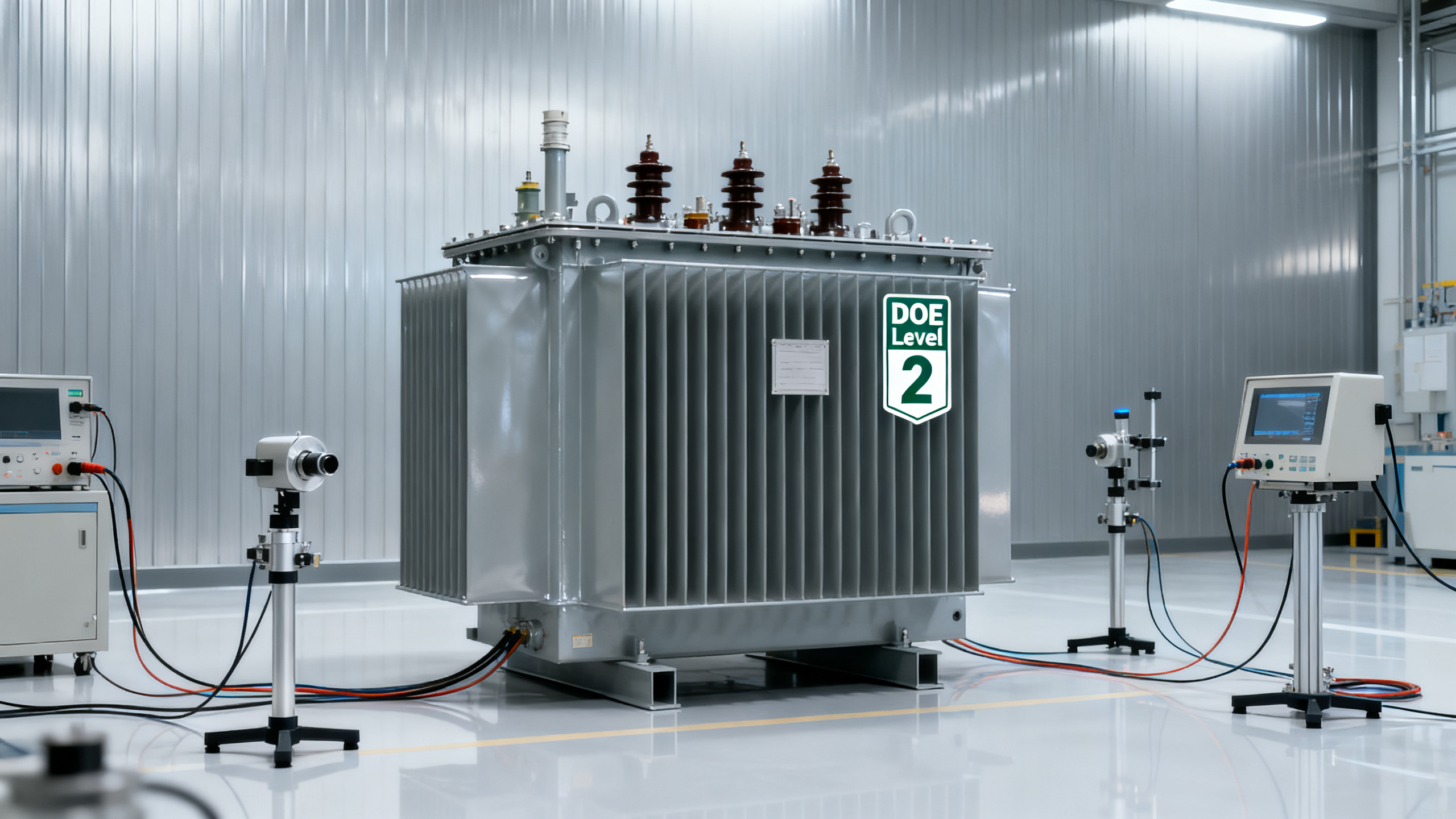
On May 7, 2026, the U.S. Department of Energy (DOE) announced a new energy efficiency requirement for distribution transformers imported into the United States — effective October 1, 2026. All distribution transformers with ratings up to 10 MVA must comply with DOE 10 CFR Part 431 Subpart K Level 2 standards, representing an efficiency gain of 3.2–5.8 percentage points over the current Level 1. This rule directly impacts manufacturers, exporters, and supply chain stakeholders in the global transformer and switchgear industry — particularly those based in China, which accounts for a significant share of U.S.-bound transformer exports.
Event Overview
The U.S. Department of Energy (DOE) issued a regulatory update on May 7, 2026, mandating that, starting October 1, 2026, all distribution transformers (≤10 MVA) imported into the United States must meet the DOE Level 2 efficiency standard under 10 CFR Part 431 Subpart K. The standard applies uniformly to both dry-type and liquid-immersed transformers. The rule covers all models entering U.S. commerce after the effective date. Chinese transformer manufacturers have initiated technical upgrades — including silicon steel sheet substitution and winding structure optimization — and are expected to submit first certification samples by July 2026.
Industries Affected by Segment
Direct Exporters of Transformers & Switchgears
Exporters supplying distribution transformers to the U.S. market will face mandatory compliance testing and labeling prior to shipment. Non-compliant units may be denied entry or subject to re-export or destruction at importer expense. Impact includes extended lead times due to certification cycles and potential inventory write-downs for pre-Level 2 stock.
Raw Material Suppliers (e.g., Electrical Steel Producers)
Suppliers of core materials — especially high-permeability, low-loss grain-oriented silicon steel — are likely to see increased demand from transformer makers upgrading designs. However, this shift is not yet reflected in broad procurement contracts; current orders remain transitional and volume-limited pending full certification outcomes.
Transformer Manufacturers (OEMs & Contract Assemblers)
Manufacturers must revise product designs, validate thermal performance, and requalify production lines to meet Level 2 losses. This requires recalibration of loss measurement protocols and updated test reports per DOE-approved laboratories. Early adopters report extended engineering validation timelines — particularly for multi-tap or specialty configurations.
Supply Chain & Logistics Service Providers
Freight forwarders and customs brokers handling transformer shipments to the U.S. will need updated tariff classification support and documentation verification workflows. DOE compliance certificates (e.g., DOE-recognized lab reports, product-specific efficiency declarations) will become mandatory attachment items for entry filings — adding administrative steps to clearance processes.
Key Actions for Enterprises and Practitioners
Monitor Official DOE Guidance and Implementation Clarifications
The DOE has not yet published final interpretive guidance on conformity assessment pathways, grandfathering provisions for existing stock, or enforcement thresholds. Stakeholders should track updates via the Federal Register and DOE’s Appliance and Equipment Standards Program portal — especially notices scheduled for late June and early August 2026.
Verify Product-Specific Compliance Status Before Finalizing U.S.-Bound Shipments
Not all transformer models within a manufacturer’s portfolio will achieve Level 2 compliance simultaneously. Exporters should obtain written confirmation from OEMs — including model-level test reports referencing DOE-approved procedures — before committing to delivery schedules post-October 1, 2026.
Distinguish Between Regulatory Signal and Operational Readiness
While the rule is legally effective October 1, 2026, actual port-level enforcement may follow phased implementation. Customs and Border Protection (CBP) has indicated it will rely on importer-submitted documentation rather than physical inspection for initial enforcement — meaning procedural readiness (e.g., internal compliance tracking, lab report archiving) matters more than immediate hardware retrofitting across entire inventories.
Align Procurement Timelines with Certification Milestones
Given that first certification submissions are expected in July 2026, procurement teams should avoid placing bulk orders for new Level 2-compliant units before mid-August — allowing time for lab feedback, minor design iterations, and formal DOE-accepted report issuance.
Editorial Perspective / Industry Observation
Observably, this regulation functions primarily as a compliance trigger rather than a technology inflection point: Level 2 requirements align closely with IEC 60076-20 Annex A benchmarks already adopted voluntarily by several Tier-1 exporters. Analysis shows the main disruption lies not in feasibility but in synchronization — between certification timing, production ramp-up, and customs documentation readiness. From an industry perspective, the rule signals tightening harmonization of U.S. and EU-style efficiency governance, but does not yet indicate broader scope expansion (e.g., to power transformers >10 MVA or smart grid-integrated units). Current attention should focus less on technical capability and more on traceability systems and cross-border documentation alignment.
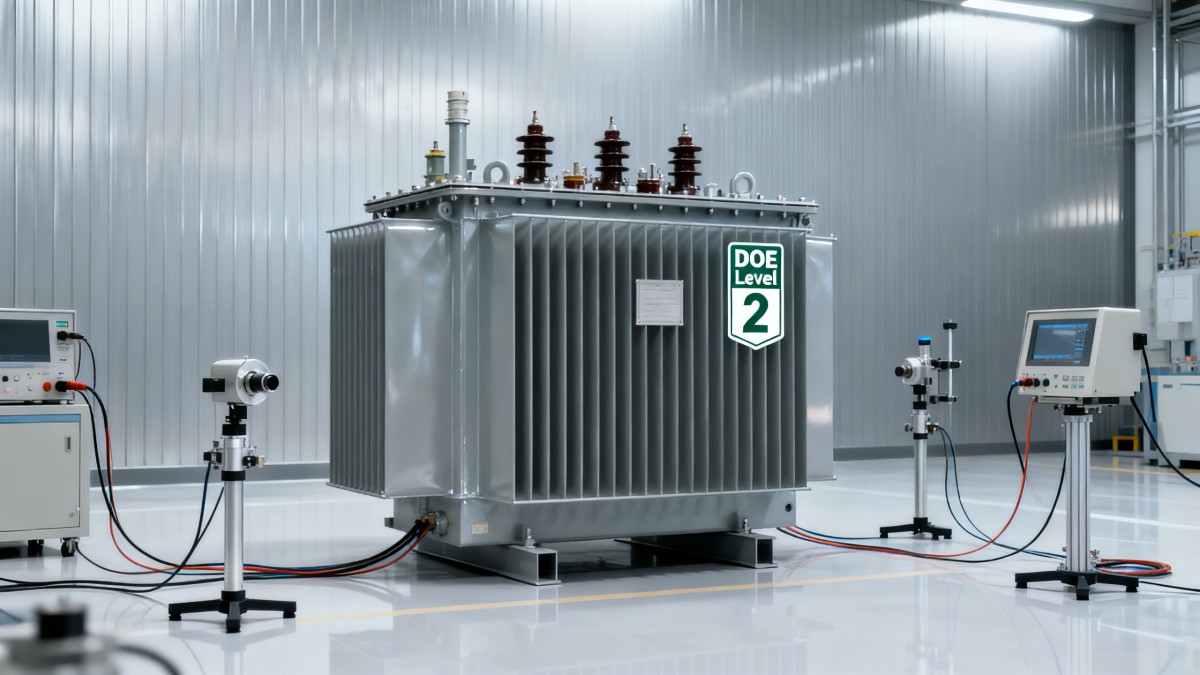
In summary, the DOE’s 2026 transformer efficiency rule establishes a firm compliance deadline with clear technical parameters, but its near-term operational impact depends heavily on how consistently and transparently enforcement mechanisms are applied across U.S. ports of entry. It is better understood as a procedural milestone — demanding documentation rigor and timeline discipline — rather than a fundamental redesign mandate across the transformer export value chain.
Source: U.S. Department of Energy (DOE), Federal Register Notice issued May 7, 2026 (Docket No. EERE-2023-BT-STD-0034); public statements from China Chamber of Commerce for Machinery and Electronics Import and Export (CCCME) confirming manufacturer response timelines. Ongoing monitoring required for DOE’s forthcoming compliance guidance documents, expected by late June 2026.
Technical Specifications
- How to Select Electronic Hotel Key Card Locks for Guest Rooms and Staff AreasAuthor :Safety Compliance Lead
- How to Select Lab Instruments for Reliable Chemical Analysis WorkflowsAuthor :Precision Metrology Expert
- How to Size a UPS for Server Rooms: Load, Runtime, and Redundancy FactorsAuthor :Grid Infrastructure Analyst
Expert Insights

Chief Security Architect
Dr. Thorne specializes in the intersection of structural engineering and digital resilience. He has advised three G7 governments on industrial infrastructure security.
Related Analysis
- Sep 17, 2026How to Select Electronic Hotel Key Card Locks for Guest Rooms and Staff AreasAuthor :Safety Compliance Lead
- Sep 16, 2026How to Select Lab Instruments for Reliable Chemical Analysis WorkflowsAuthor :Precision Metrology Expert
- Sep 15, 2026How to Size a UPS for Server Rooms: Load, Runtime, and Redundancy FactorsAuthor :Grid Infrastructure Analyst
Core Sector // 01
Security & Safety
- How to Size a UPS for Server Rooms: Load, Runtime, and Redundancy FactorsAuthor :Grid Infrastructure Analyst

- How to Choose a Step-Down Transformer for a Control Panel: Key Sizing FactorsAuthor :Grid Infrastructure Analyst

- How Often Should Overseas Power Systems Undergo Safety Inspections?Author :Grid Infrastructure Analyst

- How to Choose Panels for Extreme-Cold Industrial Sites?Author :Grid Infrastructure Analyst

- What Should a Cross-Border EPC Equipment Procurement Reference Include?Author :Grid Infrastructure Analyst

- How to Compare Low-Voltage Equipment for Panel IntegrationAuthor :Grid Infrastructure Analyst

- IEC-Compliant Power Infrastructure: Key Design and Verification RequirementsAuthor :Grid Infrastructure Analyst

- Updated EN 61000-6-4:2026 Raises EMC Compliance Bar for EU-Bound Industrial EquipmentAuthor :Grid Infrastructure Analyst