IEC 61850-90-21 Sets New Sensor Compliance Bar
Author
Date Published
Reading Time
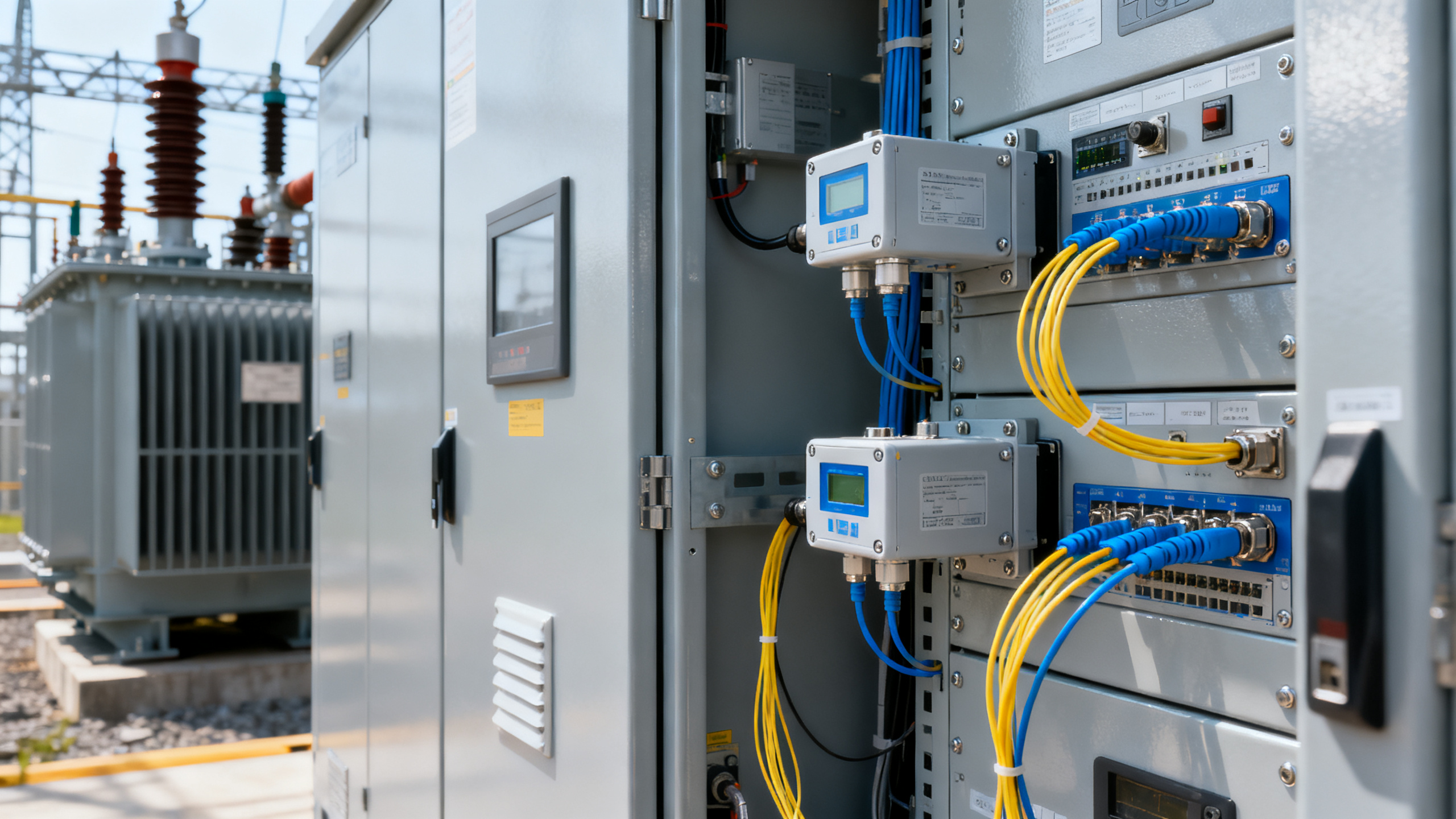
On July 8, 2026, the IEC released IEC 61850-90-21:2026 for optical current and voltage sensors used in smart transformers and digital switchgear. The update matters because it turns interoperability, cybersecurity, and data integrity from general technical expectations into clearer compliance requirements, with direct implications for sensor manufacturers, project suppliers, procurement teams, certification-related service providers, and delivery planning in grid modernization business.
What the new standard formally introduces
The confirmed facts are limited but commercially meaningful. IEC 61850-90-21:2026 was published by the International Electrotechnical Commission on 2026-07-08. It defines requirements for interoperability, cybersecurity, and data integrity for optical current and voltage sensors applied in smart transformers and digital switchgear. The published requirements include mandatory TLS 1.3 encryption and IEEE 1588 v2.1 timestamping. The event summary also indicates that these requirements raise the compliance threshold for Chinese sensor OEMs involved in global grid modernization projects.
Where the pressure is likely to appear first in the supply chain
Specification alignment for sensor manufacturers
From an industry perspective, sensor OEMs are the most directly affected because the change is tied to product-level interoperability, cybersecurity, and timing performance requirements. The impact is likely to show up in product design review, technical documentation, bid-response materials, and compliance evidence prepared for customers. What deserves closer attention is whether existing product specifications, encryption architecture, and timestamping capabilities can be presented in a way that matches the new standard language.
Procurement and project delivery checkpoints
Procurement teams and project suppliers may be affected because technical purchasing requirements for digital substation components can become more explicit once a new IEC document is available. The pressure point is not only product selection, but also supplier qualification, technical bid alignment, and acceptance criteria in delivery documents. Buyers and integrators should pay attention to whether future procurement files, technical annexes, and supplier declarations begin to reference TLS 1.3, IEEE 1588 v2.1, or broader compliance with IEC 61850-90-21:2026.
Compliance and testing-related service demand
Certification-related companies and testing service providers may also see increased scrutiny from clients seeking to understand how to demonstrate conformity. Analysis shows the immediate issue is less about a confirmed certification pathway and more about proof of readiness: technical reports, interface descriptions, cybersecurity statements, and timing-related validation records may become more important in commercial discussions and qualification reviews.
Export-facing delivery risk for Chinese OEMs
The event summary specifically points to higher compliance thresholds for Chinese sensor OEMs serving global grid modernization projects. Observably, that makes export-oriented delivery chains more sensitive to documentation gaps, mismatched technical claims, or late-stage qualification issues. The practical concern is whether suppliers can support overseas tenders and delivery milestones with documentation that is consistent with the newly published requirements.
What companies should review now
Recheck technical files against the published requirement set
Companies involved with optical current and voltage sensors should review existing technical files, interface descriptions, cybersecurity statements, and product communication materials against the confirmed scope of the new standard. Because the available input does not provide detailed implementation clauses, this should be treated as a compliance screening step rather than proof of full conformity.
Watch for changes in tender and customer wording
What deserves closer attention is how procurement documents and customer specifications begin to cite the new standard. Even before broader market practice becomes clear, changes in tender wording can affect bid eligibility, clarification cycles, and the scope of supporting documents required at quotation or delivery stages.
Prepare for closer scrutiny of cybersecurity and timing claims
The explicit mention of TLS 1.3 and IEEE 1588 v2.1 means companies should be ready for more detailed questions around encryption, timestamping, and data integrity support. That may affect technical clarification with buyers, pre-shipment documentation, and after-sales response where traceability or performance explanation is required.
Assess supplier readiness within project schedules
For project suppliers and procurement teams, a practical step is to review whether current or planned suppliers can respond to the new requirement language without creating delays in qualification or delivery. Analysis shows this is especially relevant where project timelines depend on early document approval, technical acceptance, or cross-party interface matching.
How this should be read at this stage
Analysis shows this development is best understood as a concrete rules signal rather than a fully mapped execution outcome. The publication itself is a confirmed change. However, the input does not provide detailed enforcement timetables, certification procedures, or procurement adoption schedules. For that reason, it is more appropriate to understand this as a published standard that can begin shaping compliance expectations, while market execution details still need to be observed through later tender language, customer requirements, testing practice, and industry feedback.
A published standard with immediate signaling value
In practical terms, IEC 61850-90-21:2026 matters because it sharpens the threshold for participation in digital substation sensor supply, especially where cybersecurity, interoperability, and timing integrity are commercially sensitive. The most balanced reading is that the rule change has already landed at the standards level, while its full effect on procurement, qualification, and delivery will become clearer through subsequent market use and implementation practice.
Basis of this article and points requiring further verification
This article is generated from the user-provided news title, event date, and event summary. For this type of development, commonly relevant source categories include official announcements, regulator publications, trade authority information, industry association notices, standards organization documents, and reporting by authoritative media. A specific official source link was not provided in the input, so the exact source document path still requires follow-up verification. Further observation is also needed on implementation wording, compliance interpretation, tender document changes, industry feedback, and how companies apply the standard in actual project delivery.
Technical Specifications
- Air Handling Unit Supplier Checklist: Performance Data, Lead Times, and SupportAuthor :Environmental Engineering Director
- Buying Fiberglass Water Tanks Wholesale: Compare Quotes and Delivery CostsAuthor :Environmental Engineering Director
- Choosing an XLPE Power Cable Supplier: Test Reports, Traceability, and Lead TimesAuthor :Grid Infrastructure Analyst
Expert Insights

Chief Security Architect
Dr. Thorne specializes in the intersection of structural engineering and digital resilience. He has advised three G7 governments on industrial infrastructure security.
Related Analysis
- Oct 19, 2026Air Handling Unit Supplier Checklist: Performance Data, Lead Times, and SupportAuthor :Environmental Engineering Director
- Oct 18, 2026Buying Fiberglass Water Tanks Wholesale: Compare Quotes and Delivery CostsAuthor :Environmental Engineering Director
- Oct 17, 2026Choosing an XLPE Power Cable Supplier: Test Reports, Traceability, and Lead TimesAuthor :Grid Infrastructure Analyst
Core Sector // 01
Security & Safety
- Choosing a Step-Down Transformer Supplier: Test Reports, Lead Times, and WarrantyAuthor :Grid Infrastructure Analyst

- Metallurgy Processes That Improve Conductivity and Reliability in Power Grid ComponentsAuthor :Grid Infrastructure Analyst

- How to Size a UPS for Server Rooms: Load, Runtime, and Redundancy FactorsAuthor :Grid Infrastructure Analyst

- How to Choose a Step-Down Transformer for a Control Panel: Key Sizing FactorsAuthor :Grid Infrastructure Analyst

- How Often Should Overseas Power Systems Undergo Safety Inspections?Author :Grid Infrastructure Analyst

- How to Choose Panels for Extreme-Cold Industrial Sites?Author :Grid Infrastructure Analyst

- What Should a Cross-Border EPC Equipment Procurement Reference Include?Author :Grid Infrastructure Analyst

- How to Compare Low-Voltage Equipment for Panel IntegrationAuthor :Grid Infrastructure Analyst