Electrical & Power manufacturers facing tougher standards
Author
Date Published
Reading Time
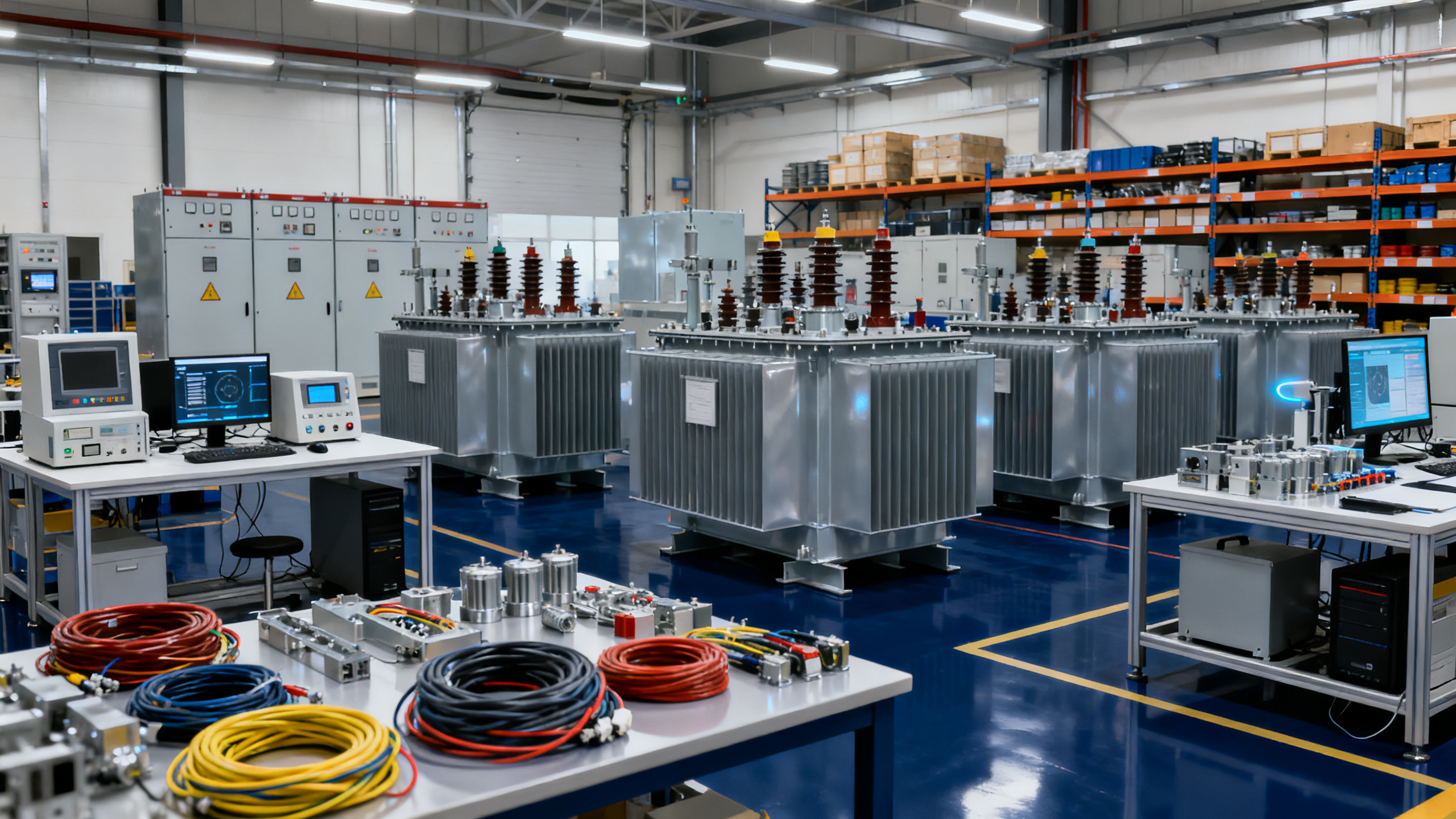
As regulations tighten and grid reliability expectations rise, every Electrical & Power manufacturer is under pressure to prove compliance, resilience, and long-term value. For business decision-makers, the challenge is no longer just meeting technical specifications—it is selecting partners that can align with global standards, operational safety, and future-ready performance in an increasingly demanding industrial landscape.
For most enterprise buyers, the search intent behind this topic is practical and urgent. They want to understand what tougher standards mean for supplier selection, project risk, compliance costs, and long-term asset performance.
They are not looking for a generic overview of regulations. They want a clear decision framework for identifying which Electrical & Power manufacturer can still deliver compliant, reliable, and scalable solutions under stricter global expectations.
The biggest concern is exposure. A weak supplier can create certification delays, installation failures, safety incidents, warranty disputes, and expensive retrofits across plants, substations, utilities, and industrial infrastructure projects.
That is why the central business question is simple: which manufacturers are truly prepared for rising standards, and which ones are only claiming readiness in sales presentations and product brochures?
Why tougher standards are becoming a board-level issue
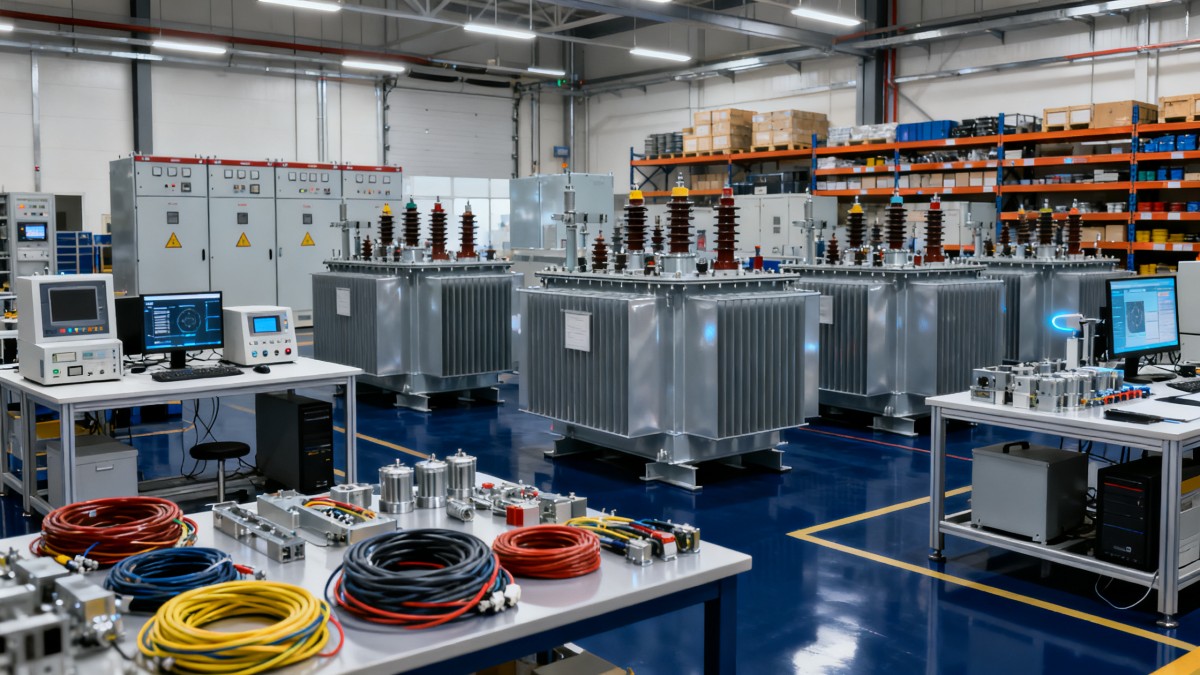
Electrical and power systems now sit at the center of industrial resilience. Grid volatility, energy transition investments, digital monitoring, and stricter safety enforcement have pushed procurement decisions beyond price and lead time.
For decision-makers, the issue is no longer limited to component compliance. It now includes lifecycle reliability, cybersecurity exposure in connected equipment, energy efficiency performance, traceability, and documentation quality across global supply chains.
Governments, utilities, insurers, and major EPC contractors are all raising expectations. In many cases, the threshold for supplier acceptance now includes third-party certification, documented testing, and evidence of performance under demanding operational conditions.
This shift matters because compliance failures rarely stay isolated. A single nonconforming cable assembly, transformer component, switchgear unit, or monitoring device can delay commissioning and undermine the risk profile of an entire project.
As a result, a capable Electrical & Power manufacturer is increasingly judged not only by what it makes, but by how well it manages quality systems, engineering validation, and post-installation support.
What enterprise buyers care about most when standards get stricter
Business leaders usually focus on four questions. Will the equipment pass required standards? Will it perform reliably in the field? Will the supplier reduce project risk? And will the total cost remain controlled over time?
These questions sound straightforward, but they involve multiple layers. Compliance on paper does not guarantee installation readiness, interoperability, or durability in real industrial environments such as heat, vibration, dust, moisture, or unstable load conditions.
Buyers also worry about hidden cost drivers. These include redesign work, engineering clarification cycles, repeat testing, shipment holds, replacement stock, training requirements, and service response delays after startup.
Another common concern is future compatibility. As facilities modernize, electrical assets must integrate with monitoring systems, digital maintenance workflows, and energy management programs without creating fragmentation or vendor lock-in.
That is why the strongest manufacturers do more than sell products. They help customers lower uncertainty across design approval, procurement, commissioning, operation, and maintenance.
Which standards are putting the most pressure on manufacturers
Pressure is coming from several directions at once. Safety standards remain the baseline, including regional and international frameworks such as CE, UL, IEC, and ISO-related quality expectations.
Beyond baseline certification, many sectors now demand tighter proof around product testing, insulation performance, thermal endurance, fault tolerance, electromagnetic compatibility, and environmental resistance.
Energy efficiency is another major driver. Customers and regulators increasingly want equipment that supports lower losses, improved power quality, and better operational visibility, especially in energy-intensive industrial environments.
Documentation standards are also rising. Buyers now expect complete technical files, material traceability, batch records, test reports, declaration packages, and revision control that can withstand audit scrutiny.
In parallel, digital systems create new scrutiny. If equipment includes sensors, communications modules, or remote diagnostics, manufacturers may face additional expectations around cybersecurity, firmware management, and secure system integration.
How tougher standards separate strong manufacturers from risky ones
The gap between market leaders and weaker suppliers becomes visible when procurement teams ask for evidence. Strong manufacturers can show structured compliance processes, validated testing, and consistent documentation across product families.
They usually maintain mature quality systems, stable engineering change control, and clear escalation paths for nonconformance management. That lowers the chance of surprises during factory acceptance testing or site commissioning.
Less prepared suppliers often rely on selective certificates, outdated data sheets, or inconsistent product labeling. Their documentation may look acceptable at bid stage but break down under technical review.
Another difference appears in application engineering. Strong suppliers understand how standards affect actual use cases, from hazardous environments and utility substations to process plants and distributed energy projects.
They can explain derating, installation conditions, maintenance needs, and failure modes in commercial terms that help decision-makers compare long-term risk rather than just initial purchase price.
What a business-ready Electrical & Power manufacturer should be able to prove
If you are evaluating suppliers, ask them to prove readiness in five areas: compliance, product reliability, manufacturing control, technical support, and lifecycle economics.
On compliance, request current certificates, test standards used, and the scope of each approval. Confirm whether certifications apply to the exact model and configuration you plan to procure.
On reliability, ask for performance data under realistic operating conditions. This may include thermal testing, ingress protection, vibration results, insulation class data, duty-cycle evidence, and expected service life assumptions.
On manufacturing control, review quality management discipline. Look for lot traceability, supplier qualification methods, calibration practices, incoming inspection routines, and documented corrective action systems.
On technical support, test responsiveness before purchase. Evaluate engineering clarification speed, drawing accuracy, customization capability, commissioning guidance, and field service availability across your target regions.
On lifecycle economics, move beyond unit price. Compare energy losses, maintenance intervals, spares availability, retrofit compatibility, and warranty structure to understand total cost of ownership.
How stricter standards change procurement strategy and supplier selection
Procurement teams can no longer treat electrical components as interchangeable line items. Tougher standards make specification discipline and supplier qualification more strategic than in the past.
One practical shift is earlier technical engagement. In complex projects, buyers benefit from involving engineering, compliance, operations, and maintenance teams before issuing final RFQs.
This reduces the risk of buying technically compliant equipment that still creates integration problems, access constraints, or maintenance inefficiencies after installation.
Another shift is weighted evaluation. When standards become more demanding, scoring models should give meaningful value to verification strength, documentation quality, and post-sales support rather than letting price dominate.
Dual sourcing may remain useful for resilience, but only if both suppliers can meet the same validated technical baseline. Otherwise, supply continuity may come at the cost of inconsistent performance and audit risk.
The hidden costs of choosing a supplier that is not ready
Many procurement mistakes do not appear in the purchase order. They emerge later through schedule slippage, redesign work, failed inspections, and operational instability.
If a supplier cannot support documentation requests quickly, project teams lose time in approval loops. If field performance does not match declared specifications, maintenance costs rise and confidence falls.
Warranty gaps are another common problem. Some manufacturers offer broad commercial promises but narrow technical accountability when faults involve installation context, load variation, or environmental exposure.
There is also reputational risk. For large industrial operators and EPC contractors, supplier failure can damage client trust, delay handover milestones, and affect future bid competitiveness.
In this environment, the cheapest option often becomes the most expensive one once compliance friction, downtime exposure, and replacement costs are included.
What future-ready manufacturers are doing differently
Leading manufacturers are investing in design robustness, test automation, digital traceability, and stronger cross-functional compliance management. They are building systems, not just products.
Many are also improving material transparency and supply chain visibility so customers can verify consistency across production batches and manufacturing sites.
Some are redesigning product platforms to simplify certification across regions, helping multinational buyers reduce complexity when standardizing equipment for global projects.
Others are embedding monitoring and diagnostic capabilities that support predictive maintenance, fault localization, and better asset planning without compromising safety or interoperability.
Most importantly, future-ready suppliers communicate clearly. They make it easier for buyers to understand limits, obligations, test assumptions, and upgrade paths before a purchase becomes a long-term operational dependency.
How decision-makers can build a smarter evaluation framework now
For enterprise buyers, the best response is not reactive sourcing. It is a structured qualification model that connects compliance evidence to business outcomes.
Start by identifying the standards that are mandatory for your industry, region, and application. Then separate non-negotiable requirements from performance preferences and commercial trade-offs.
Next, require suppliers to submit evidence in a consistent format. This makes comparison easier and prevents attractive marketing language from masking technical gaps.
Include site operations and maintenance stakeholders in final evaluation. They often detect practical concerns around serviceability, spare parts, training burden, and installation realities that procurement alone may miss.
Finally, treat supplier selection as a lifecycle decision. The right Electrical & Power manufacturer should strengthen reliability, reduce compliance exposure, and support modernization goals over many years.
Conclusion: standards are getting tougher, but decisions can get sharper
Tougher standards are not a temporary market obstacle. They reflect a structural change in how electrical and power infrastructure is designed, approved, operated, and audited.
For business decision-makers, that changes the definition of value. A qualified manufacturer is no longer just a source of components, but a risk management partner with measurable technical credibility.
The most effective buying strategy is to look past brochure claims and test whether each Electrical & Power manufacturer can prove compliance, reliability, support quality, and lifecycle value in your actual operating context.
Those that can will help protect uptime, accelerate approvals, and reduce future retrofit costs. Those that cannot will likely transfer complexity and risk back to your organization.
In a market facing tougher standards, sharper supplier evaluation is not optional. It is now one of the clearest ways to protect capital, safeguard operations, and build resilient industrial infrastructure.
Technical Specifications
- Air Handling Unit Supplier Checklist: Performance Data, Lead Times, and SupportAuthor :Environmental Engineering Director
- Buying Fiberglass Water Tanks Wholesale: Compare Quotes and Delivery CostsAuthor :Environmental Engineering Director
- Choosing an XLPE Power Cable Supplier: Test Reports, Traceability, and Lead TimesAuthor :Grid Infrastructure Analyst
Expert Insights

Chief Security Architect
Dr. Thorne specializes in the intersection of structural engineering and digital resilience. He has advised three G7 governments on industrial infrastructure security.
Related Analysis
- Oct 19, 2026Air Handling Unit Supplier Checklist: Performance Data, Lead Times, and SupportAuthor :Environmental Engineering Director
- Oct 18, 2026Buying Fiberglass Water Tanks Wholesale: Compare Quotes and Delivery CostsAuthor :Environmental Engineering Director
- Oct 17, 2026Choosing an XLPE Power Cable Supplier: Test Reports, Traceability, and Lead TimesAuthor :Grid Infrastructure Analyst
Core Sector // 01
Security & Safety
- Choosing a Step-Down Transformer Supplier: Test Reports, Lead Times, and WarrantyAuthor :Grid Infrastructure Analyst

- Metallurgy Processes That Improve Conductivity and Reliability in Power Grid ComponentsAuthor :Grid Infrastructure Analyst

- How to Size a UPS for Server Rooms: Load, Runtime, and Redundancy FactorsAuthor :Grid Infrastructure Analyst

- How to Choose a Step-Down Transformer for a Control Panel: Key Sizing FactorsAuthor :Grid Infrastructure Analyst

- How Often Should Overseas Power Systems Undergo Safety Inspections?Author :Grid Infrastructure Analyst

- How to Choose Panels for Extreme-Cold Industrial Sites?Author :Grid Infrastructure Analyst

- What Should a Cross-Border EPC Equipment Procurement Reference Include?Author :Grid Infrastructure Analyst

- How to Compare Low-Voltage Equipment for Panel IntegrationAuthor :Grid Infrastructure Analyst