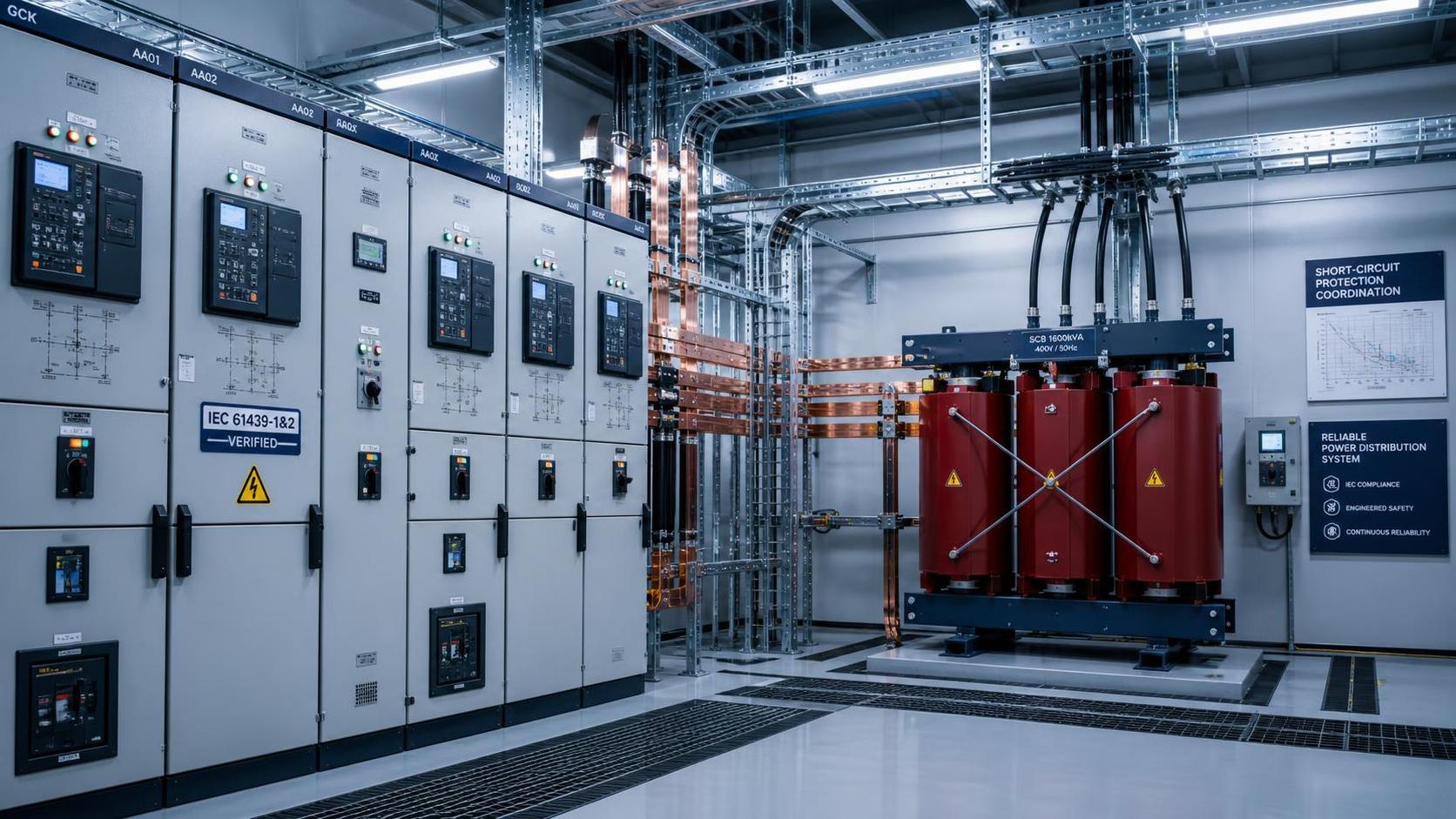
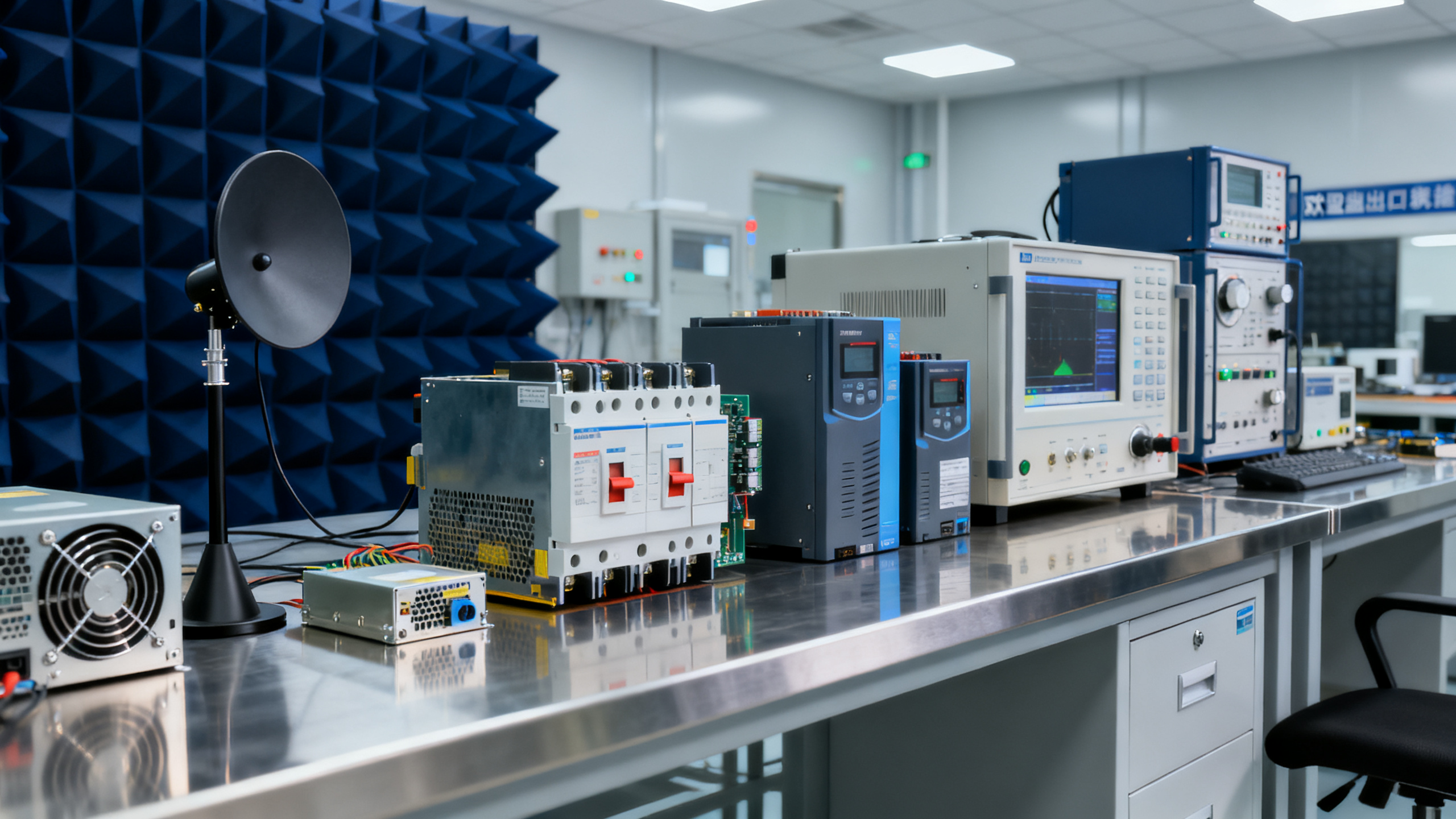
What makes medium voltage switchgear safer?
Author
Date Published
Reading Time
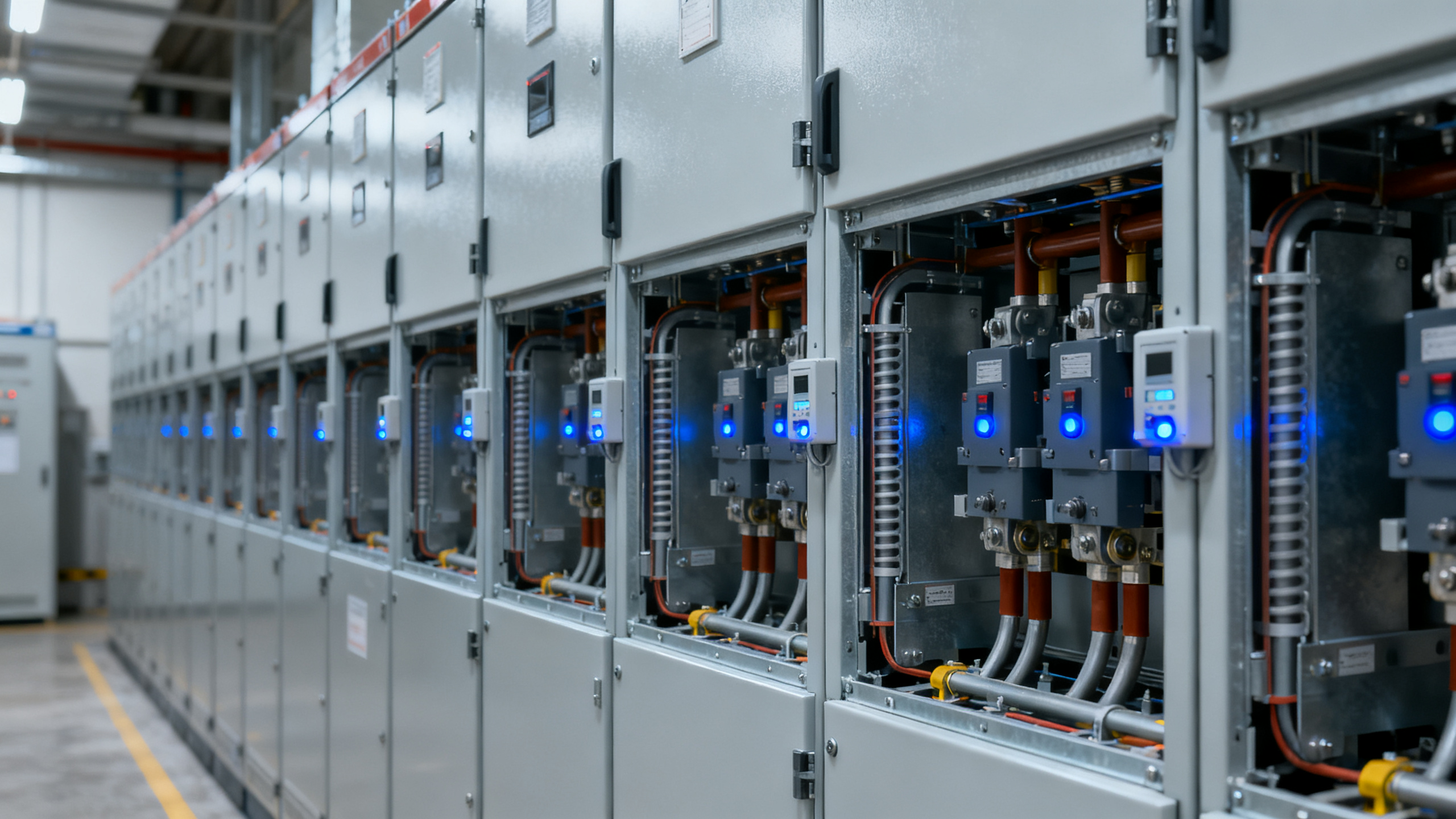
For technical evaluation, medium voltage switchgear safety depends on fault prevention, arc containment, operating discipline, and long-term reliability under real industrial conditions.
What Makes Medium Voltage Switchgear Safer?
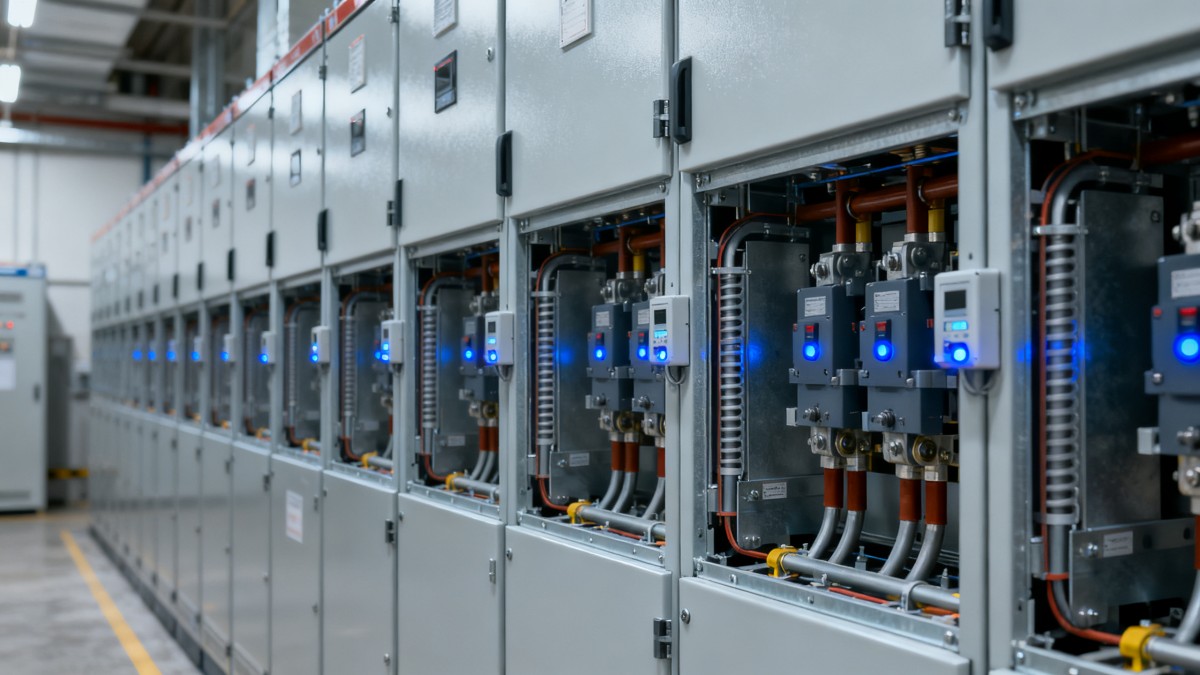
Medium voltage switchgear is a controlled assembly used to switch, isolate, protect, and monitor electrical power between 1 kV and 52 kV.
Its safety is not defined by one component. It comes from coordinated design across insulation, enclosure, protection, monitoring, and maintenance access.
In industrial plants, utilities, mines, data centers, transport networks, and renewable substations, medium voltage switchgear protects people, equipment, and production continuity.
A safer system reduces the probability of faults and limits consequences when faults still occur. That dual function is central to risk reduction.
The safest designs combine certified hardware, verified protection settings, disciplined operation, and lifecycle evidence from testing, inspection, and condition data.
Core Safety Functions in Medium Voltage Switchgear
The first safety function is isolation. Operators must confirm that energized parts are disconnected, earthed, and inaccessible before work begins.
The second function is fault interruption. Circuit breakers must clear short circuits within specified limits without damaging adjacent equipment.
The third function is containment. When an internal arc occurs, medium voltage switchgear must direct pressure, heat, and gases away from personnel.
The fourth function is monitoring. Temperature, partial discharge, breaker health, and load data reveal unsafe trends before failures escalate.
These functions must work together. Strong enclosures cannot compensate for poor relay coordination or unsafe mechanical interlocking.
Insulation Integrity
Insulation quality strongly affects medium voltage switchgear safety. Air, solid, gas, or vacuum insulation must remain stable under voltage stress.
Creepage distance, clearance, humidity tolerance, contamination performance, and dielectric testing determine how well insulation resists breakdown.
Partial discharge monitoring is valuable because it detects early insulation deterioration before flashover or cable termination failure occurs.
Mechanical Interlocking
Mechanical interlocks prevent unsafe sequences. They stop access doors from opening when live parts remain exposed.
They also prevent earthing switches from closing onto energized circuits and prevent circuit breakers from moving incorrectly between service positions.
A safer medium voltage switchgear lineup makes correct operation intuitive and incorrect operation physically difficult.
Industry Standards and Current Safety Priorities
Modern safety assessment relies on standards, test reports, and traceable manufacturing controls. Visual inspection alone is never enough.
IEC, IEEE, ANSI, UL, and regional grid codes define ratings, type tests, routine tests, accessibility categories, and documentation requirements.
For medium voltage switchgear, arc classification and short-time withstand ratings are especially important in high-energy industrial networks.
Current attention also focuses on digital condition monitoring. Continuous data helps reduce intrusive inspections inside energized areas.
Another priority is environmental responsibility. SF6 alternatives, vacuum switching, and sealed-for-life designs are increasingly considered during specification.
Engineering Features That Reduce Arc Flash Risk
Arc flash is one of the most serious hazards associated with medium voltage switchgear. Safety depends on both prevention and consequence control.
Arc-resistant construction channels hot gases through pressure relief paths. Reinforced doors, latches, vents, and compartments maintain enclosure integrity.
Fast protection reduces incident energy. Differential protection, zone selective interlocking, and arc flash detection can shorten clearing time.
Remote racking and remote switching move routine operations outside the arc flash boundary, reducing exposure during higher-risk switching activities.
Segregated compartments reduce fault propagation. Busbars, cable chambers, breakers, and low-voltage control areas should remain physically separated.
- Use arc-resistant medium voltage switchgear where fault energy and occupancy justify the classification.
- Verify accessibility type, installation orientation, and required clearance around pressure relief zones.
- Confirm relay settings match actual transformer size, feeder length, and available fault current.
- Apply labels that reflect updated arc flash studies, not generic factory assumptions.
Arc resistance cannot be treated as a universal guarantee. It is valid only under tested installation conditions and correct operating states.
Operational Reliability as a Safety Factor
Reliable medium voltage switchgear is safer because unstable equipment increases emergency switching, unplanned access, and exposure to energized systems.
Breaker endurance, contact wear, spring charging mechanisms, auxiliary circuits, and trip coils must be suitable for the expected duty cycle.
Thermal design is equally important. Loose connections, overloaded feeders, blocked ventilation, and harmonic heating can create progressive failure paths.
Condition monitoring improves reliability by tracking temperature, humidity, partial discharge, mechanical timing, coil current, and breaker operation counts.
The most effective systems convert these signals into maintenance priorities, rather than collecting data without operational response.
Cable Terminations and Busbar Joints
Many failures begin at interfaces. Cable terminations, bolted joints, and current transformer connections require controlled workmanship and inspection access.
Safer medium voltage switchgear provides clear termination space, correct bend radius, visible torque markings, and effective grounding arrangements.
Human-Machine Interface
Clear mimic diagrams, position indicators, viewing windows, and alarm logic reduce operating mistakes during switching and isolation procedures.
A confusing interface increases risk, even when the underlying medium voltage switchgear has strong electrical ratings.
Application Scenarios and Specification Focus
Different industries place different safety demands on medium voltage switchgear. The specification should reflect environment, load profile, and operational criticality.
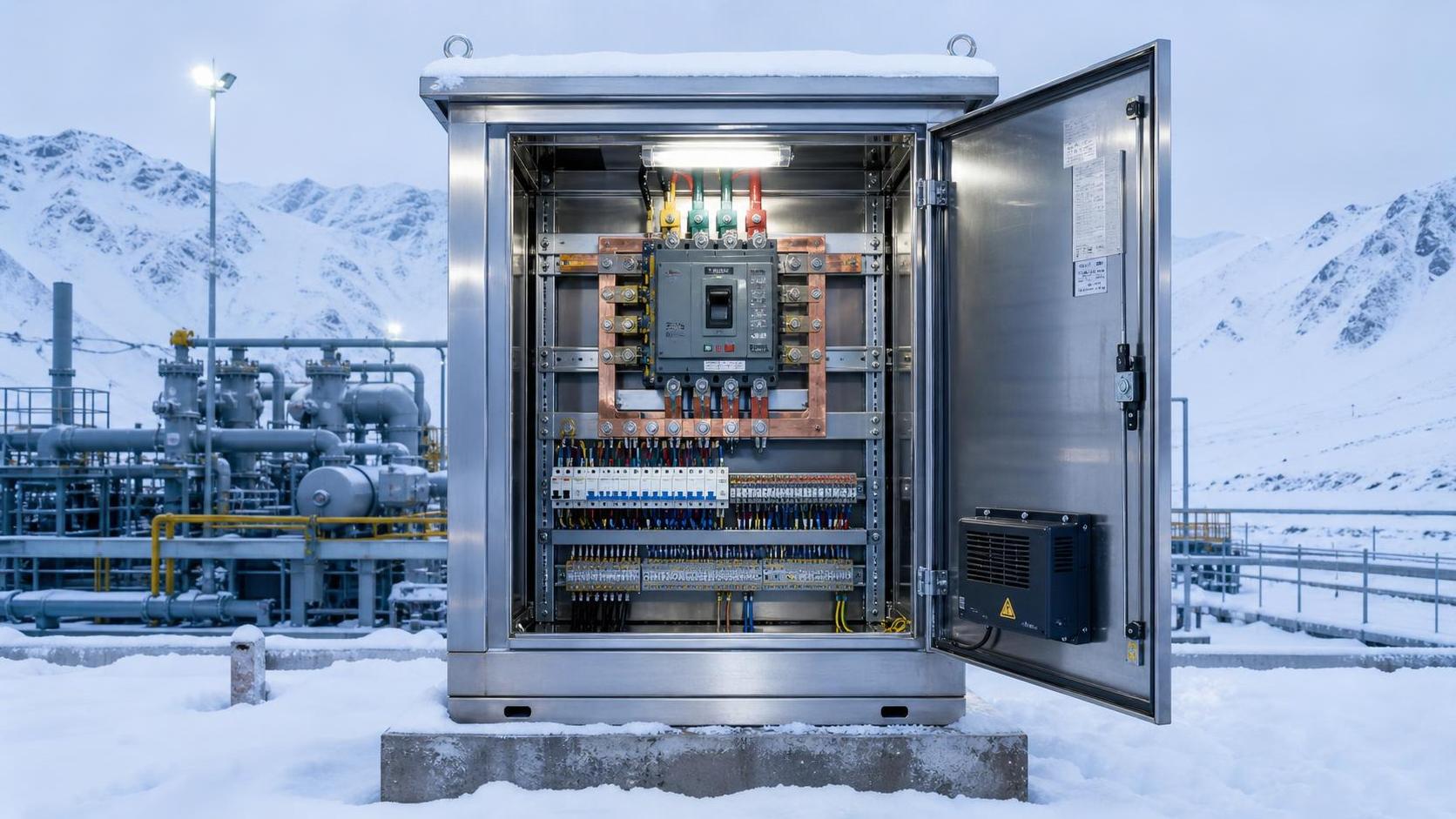
Indoor installations may emphasize arc exhaust routing and compartmentalization. Outdoor installations require corrosion resistance, sealing, and temperature stability.
For critical facilities, redundancy and maintainability matter. Safe medium voltage switchgear should allow isolation without unnecessary shutdown of unaffected feeders.
Procurement and Lifecycle Evaluation Practices
Safer procurement begins with a complete single-line diagram, load study, fault calculation, and protection philosophy before selecting a panel type.
Rated voltage, insulation level, busbar current, short-time withstand, frequency, enclosure protection, and service conditions must be specified clearly.
Documentation should include type test reports, routine test records, drawings, relay manuals, maintenance instructions, and material compliance declarations.
Factory acceptance testing should verify mechanical operation, interlocks, breaker timing, insulation resistance, wiring continuity, and protection relay functions.
Site acceptance testing should confirm installation conditions. Incorrect earthing, cable stress, or blocked vents can undermine certified medium voltage switchgear.
- Check that ratings match calculated fault levels, not only nominal voltage requirements.
- Review interlock logic against actual switching procedures and lockout requirements.
- Confirm spare parts availability for breakers, relays, sensors, coils, and operating mechanisms.
- Require updated drawings and settings after commissioning changes.
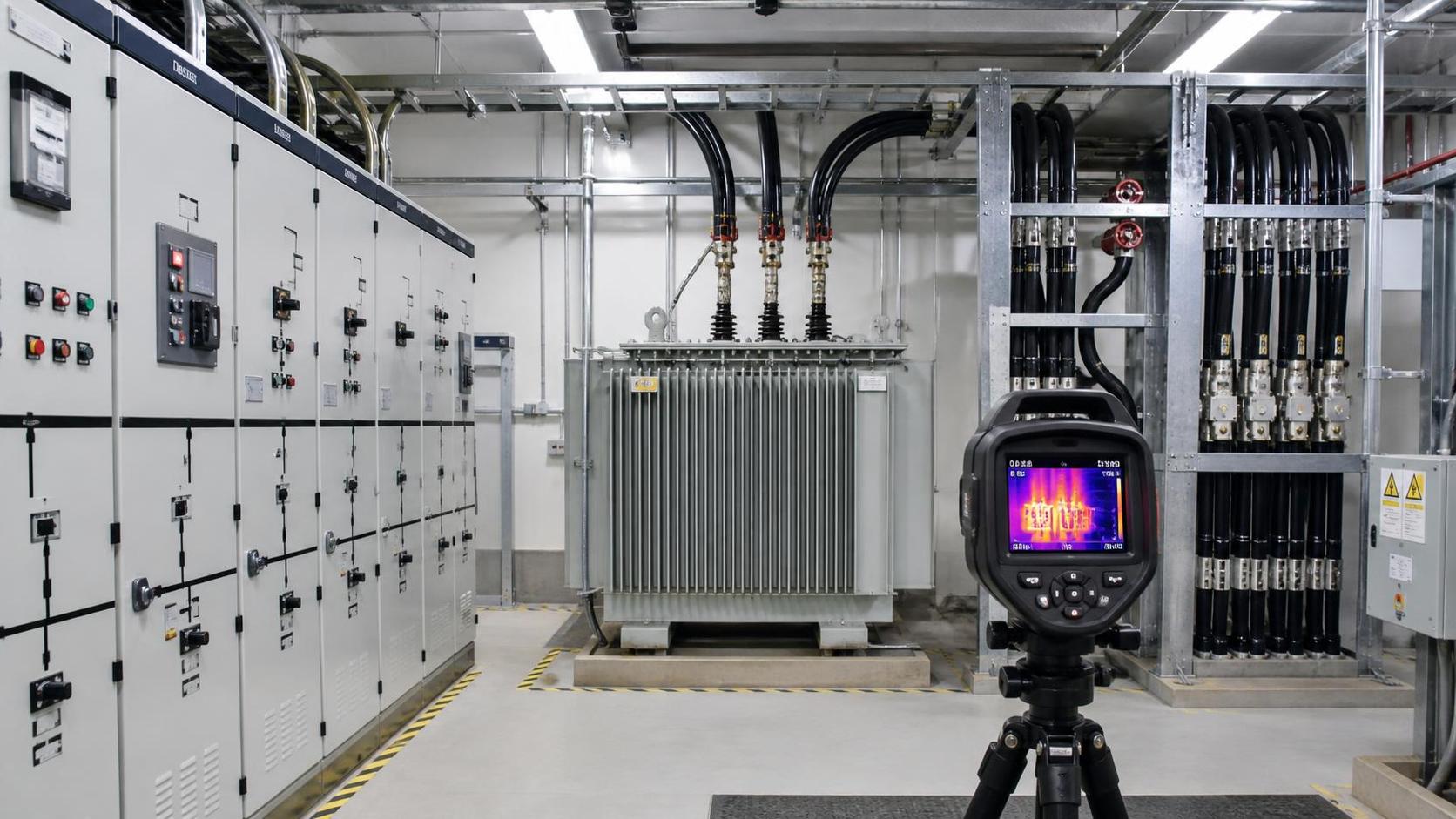
- Schedule infrared scans, partial discharge checks, and breaker timing tests based on risk.
Lifecycle safety depends on change control. New loads, transformer upgrades, or altered relay settings can change the risk profile.
Medium voltage switchgear should therefore be reviewed after major expansions, fault events, repeated alarms, or abnormal thermal findings.
Practical Safety Checklist
A structured checklist helps compare medium voltage switchgear options using evidence instead of assumptions or brand familiarity.
- Confirm compliance with applicable IEC, IEEE, ANSI, UL, CE, or local regulatory requirements.
- Verify arc-resistant classification, installation limits, pressure relief direction, and personnel accessibility category.
- Check insulation technology, dielectric test results, and partial discharge performance.
- Assess interlocks, earthing switch design, racking method, and visible position indication.
- Review protection coordination, relay cybersecurity, event records, and trip circuit supervision.
- Evaluate maintainability, replacement strategy, training materials, and safe access boundaries.
This approach creates a practical safety baseline for new installations, retrofit projects, and comparative technical reviews.
Moving from Specification to Safer Operation
The safest medium voltage switchgear is not only well designed. It is correctly specified, properly installed, tested thoroughly, and maintained with discipline.
Safety improves when technical files, test certificates, protection studies, and maintenance records remain available throughout the equipment lifecycle.
A practical next step is to review existing lineups against fault ratings, arc classification, relay settings, thermal history, and inspection findings.
Global Industrial Core supports evidence-based evaluation by connecting safety standards, engineering data, and sourcing intelligence for critical industrial infrastructure.
When medium voltage switchgear decisions are based on verified performance, facilities gain stronger protection, lower operational risk, and more resilient power systems.
Technical Specifications
- How to Select Electronic Hotel Key Card Locks for Guest Rooms and Staff AreasAuthor :Safety Compliance Lead
- How to Select Lab Instruments for Reliable Chemical Analysis WorkflowsAuthor :Precision Metrology Expert
- How to Size a UPS for Server Rooms: Load, Runtime, and Redundancy FactorsAuthor :Grid Infrastructure Analyst
Expert Insights

Chief Security Architect
Dr. Thorne specializes in the intersection of structural engineering and digital resilience. He has advised three G7 governments on industrial infrastructure security.
Related Analysis
- Sep 17, 2026How to Select Electronic Hotel Key Card Locks for Guest Rooms and Staff AreasAuthor :Safety Compliance Lead
- Sep 16, 2026How to Select Lab Instruments for Reliable Chemical Analysis WorkflowsAuthor :Precision Metrology Expert
- Sep 15, 2026How to Size a UPS for Server Rooms: Load, Runtime, and Redundancy FactorsAuthor :Grid Infrastructure Analyst
Core Sector // 01
Security & Safety
- How to Size a UPS for Server Rooms: Load, Runtime, and Redundancy FactorsAuthor :Grid Infrastructure Analyst

- How to Choose a Step-Down Transformer for a Control Panel: Key Sizing FactorsAuthor :Grid Infrastructure Analyst

- How Often Should Overseas Power Systems Undergo Safety Inspections?Author :Grid Infrastructure Analyst

- How to Choose Panels for Extreme-Cold Industrial Sites?Author :Grid Infrastructure Analyst

- What Should a Cross-Border EPC Equipment Procurement Reference Include?Author :Grid Infrastructure Analyst

- How to Compare Low-Voltage Equipment for Panel IntegrationAuthor :Grid Infrastructure Analyst

- IEC-Compliant Power Infrastructure: Key Design and Verification RequirementsAuthor :Grid Infrastructure Analyst

- Updated EN 61000-6-4:2026 Raises EMC Compliance Bar for EU-Bound Industrial EquipmentAuthor :Grid Infrastructure Analyst