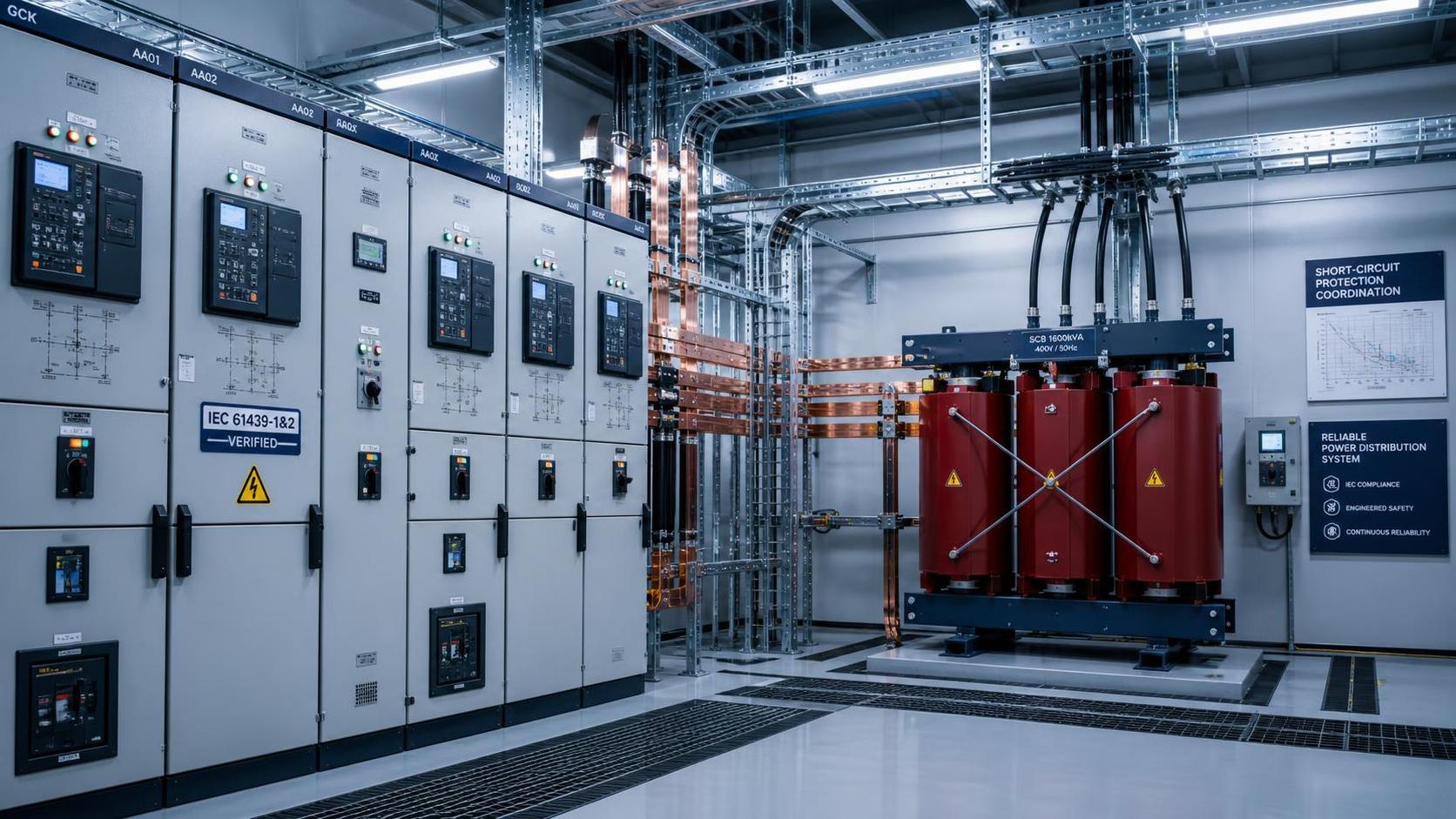
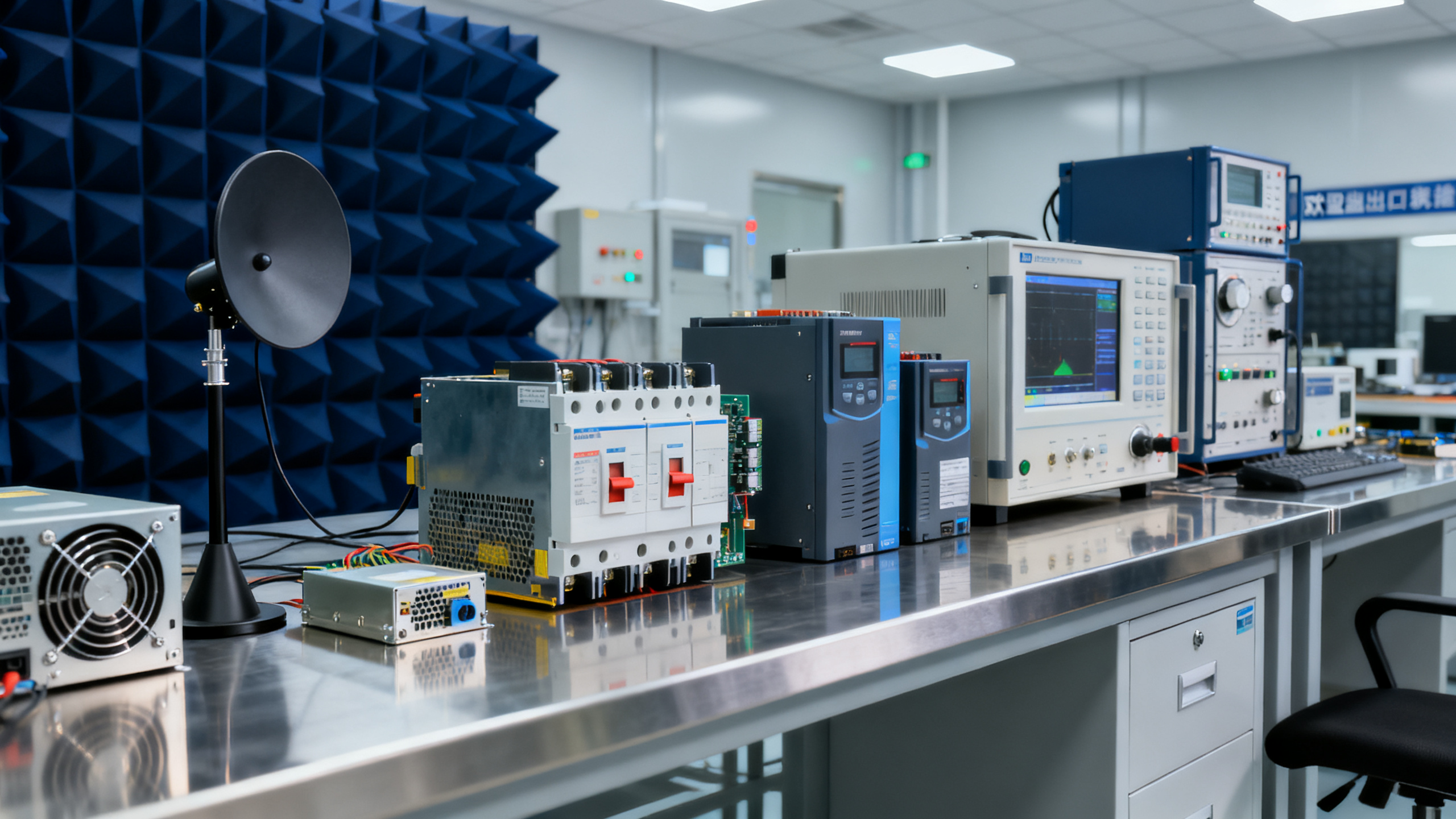
What affects low voltage switchboard safety in projects?
Author
Date Published
Reading Time
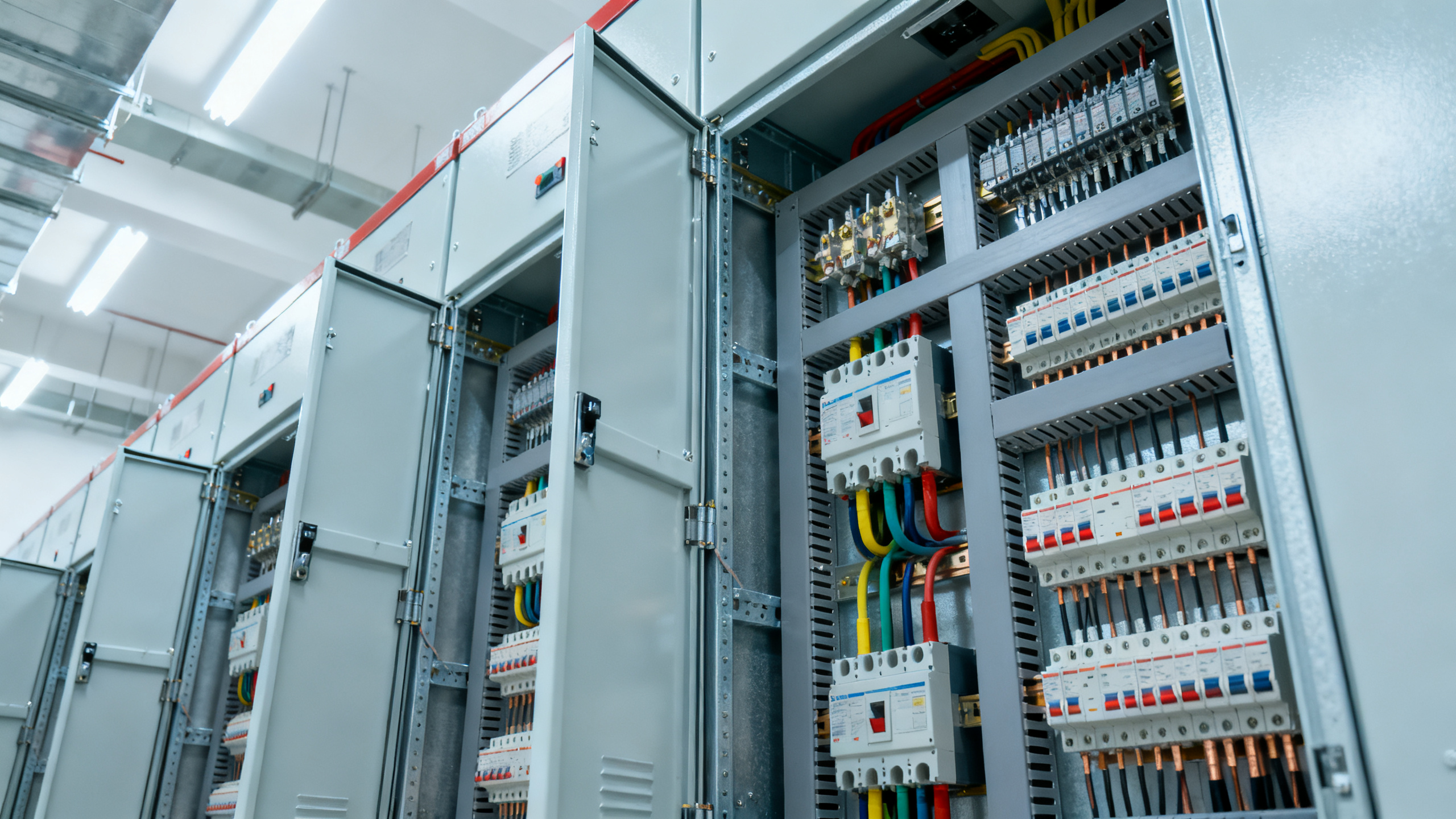
A low voltage switchboard is often treated as a standard electrical package, but its safety performance depends on far more than nameplate ratings.
In real projects, technical evaluation must cover design coordination, fault withstand capacity, thermal behavior, enclosure integrity, protection settings, installation quality, and compliance evidence.
Small gaps in specification or verification can create major risks for personnel safety, uptime, insurance review, and regulatory approval.
What affects low voltage switchboard safety in project scenarios?
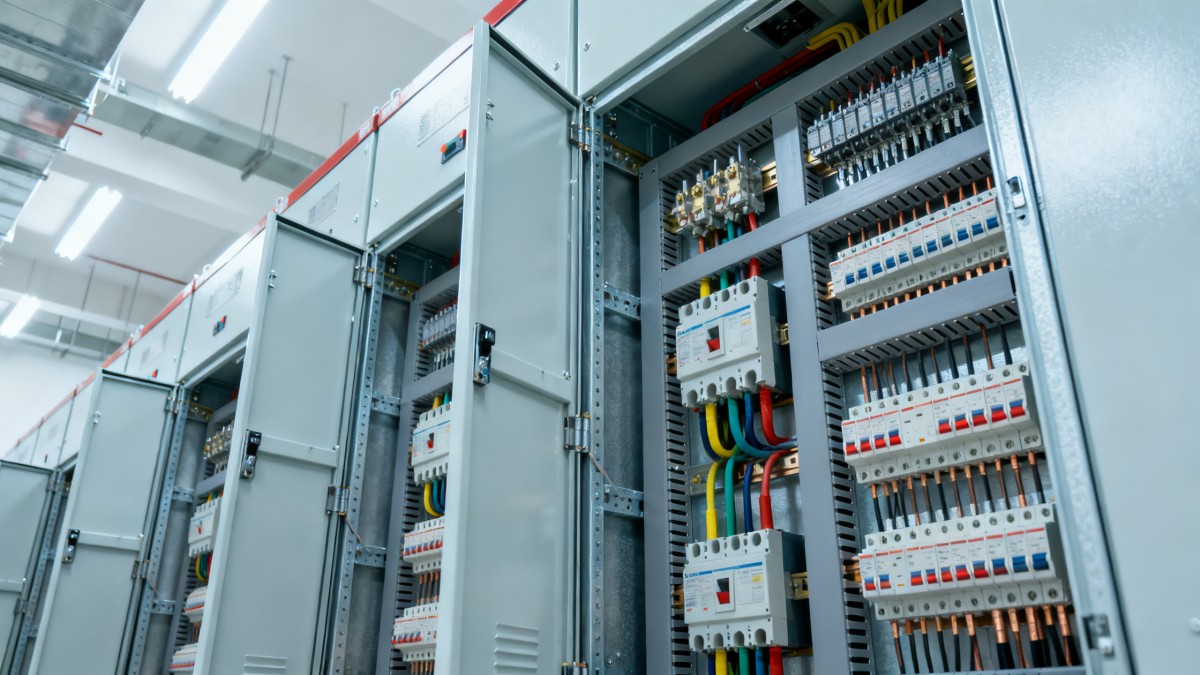
The safety of a low voltage switchboard changes with its operating environment, connected loads, fault level, maintenance access, and downstream protection philosophy.
A unit suitable for a clean commercial room may not fit a petrochemical utility area, marine platform, data hall, or mineral processing plant.
This is why project safety assessment must start with the scenario, not only the catalog model or rated current.
Global Industrial Core views the low voltage switchboard as part of a wider industrial safety system.
Its performance depends on how power quality, grounding, arc mitigation, ventilation, metering, and operating procedures interact during abnormal conditions.
Scenario background: why the same low voltage switchboard specification can fail differently
Safety risk is not uniform across projects. The same low voltage switchboard may face very different stress profiles after commissioning.
One site may require high short-circuit withstand strength. Another may require superior corrosion resistance or rapid maintainability.
A hospital utility room values selectivity, continuous power, and clear switching status. A mining plant values dust protection and mechanical durability.
A data center focuses on thermal stability, harmonic influence, monitoring, and predictable transfer behavior under changing loads.
Therefore, a safe low voltage switchboard specification must translate scenario hazards into verifiable technical requirements.
This includes verified standards, test reports, wiring practice, component coordination, labeling, access control, and site acceptance criteria.
Scenario 1: industrial production lines with high motor starting demand
Production lines often combine motors, drives, compressors, conveyors, pumps, heaters, and auxiliary control systems in one power distribution network.
For this scenario, low voltage switchboard safety depends heavily on short-circuit withstand, busbar sizing, feeder segregation, and coordinated protection.
Motor starting current can increase thermal stress and voltage disturbance. Variable frequency drives may introduce harmonics and additional heat.
Key judgment points include temperature rise limits, neutral sizing, cable termination space, and ventilation under expected simultaneous load.
A low voltage switchboard used here should provide clear feeder identification, safe isolation, and maintainable compartments for frequent operational changes.
Scenario 2: commercial buildings and mixed-use facilities requiring selective protection
Commercial buildings place strong emphasis on reliable distribution, accessible operation, and predictable fault isolation.
A low voltage switchboard must avoid unnecessary total shutdown when a downstream circuit has a localized fault.
Selective coordination between air circuit breakers, molded case breakers, fuses, residual current protection, and final distribution devices is essential.
Safety is also affected by access conditions. Public buildings need restricted operating handles, clear signage, and protected live parts.
Emergency systems, fire pumps, smoke extraction, elevators, and life safety loads may require dedicated sections or special interlocking logic.
Here, the low voltage switchboard should support inspection without exposing operators to avoidable energized components.
Scenario 3: data centers where thermal stability and monitoring dominate
Data centers impose continuous load, tight uptime expectations, and frequent demand changes from IT equipment growth.
In this scenario, low voltage switchboard safety is linked to thermal headroom, power quality, metering accuracy, and redundancy architecture.
Overheated joints, overloaded neutrals, weak ventilation, or poor cable routing can become serious risks before a breaker trips.
Continuous monitoring should cover current, voltage, power factor, energy, temperature, breaker status, alarms, and communication health.
A low voltage switchboard serving redundant paths must also prevent human switching errors through interlocks, mimic diagrams, and documented procedures.
Scenario 4: harsh industrial sites exposed to dust, moisture, corrosion, or vibration
Mining, wastewater, cement, ports, metal processing, and chemical sites introduce severe environmental stress.
A low voltage switchboard in these locations must be assessed for enclosure material, sealing, coating, ingress protection, and mechanical strength.
Dust accumulation may reduce insulation performance and raise temperature. Moisture may accelerate corrosion and create tracking paths.
Vibration can loosen terminals, affect relay stability, and increase stress at cable glands and busbar supports.
For harsh sites, a safe low voltage switchboard should include suitable gland plates, anti-condensation measures, robust fastening, and maintenance access clearance.
Scenario 5: energy infrastructure where fault level and arc risk are critical
Power generation, substations, renewable plants, and large utility connections can create high prospective fault currents.
A low voltage switchboard in this environment requires verified short-time withstand current and peak withstand current ratings.
Arc flash risk must be evaluated through system studies, not by enclosure appearance alone.
Important decisions include arc containment, arc detection, fast tripping, remote racking, maintenance mode, and safe pressure relief paths.
The low voltage switchboard should be coordinated with transformers, generators, UPS systems, capacitor banks, and grounding arrangements.
Different scenario requirements for low voltage switchboard safety
The table shows why low voltage switchboard selection should not rely on current rating alone.
Each operating scenario changes the practical meaning of safe design, safe access, and safe failure behavior.
How to adapt a low voltage switchboard to the actual project scenario
1. Start with system studies before freezing the specification
Short-circuit analysis, load flow, harmonic assessment, and protection coordination should guide the low voltage switchboard design.
Without these inputs, equipment may be oversized in visible areas and underspecified where failure energy is highest.
2. Match enclosure design to environment and maintenance behavior
Ingress protection, internal separation, door interlocking, lifting points, cable entry, and working clearance affect long-term safety.
A low voltage switchboard should remain safe during inspection, cleaning, expansion, breaker replacement, and emergency isolation.
3. Require evidence, not only declarations
Relevant references may include IEC 61439, UL 891, IEC 60947, CE documentation, type tests, routine tests, and factory inspection records.
Compliance evidence should align with the actual assembly, not just individual components inside the low voltage switchboard.
4. Verify installation quality before energization
Many switchboard incidents originate from field errors, including loose terminations, wrong torque, damaged insulation, and poor cable bending.
Pre-energization checks should include insulation resistance, continuity, phasing, mechanical operation, settings, labeling, and functional tests.
Common scenario misjudgments that reduce low voltage switchboard safety
- Using rated current as the only major selection criterion.
- Ignoring future load growth and spare feeder heat contribution.
- Accepting component certificates without assembly-level verification.
- Assuming arc flash risk is controlled by enclosure strength alone.
- Failing to coordinate upstream and downstream protective devices.
- Overlooking ventilation blockage after cable installation.
- Placing the low voltage switchboard in areas exposed to water or corrosive vapor.
- Skipping torque records, setting records, and final inspection evidence.
These mistakes are common because they occur between design responsibility, fabrication responsibility, and site installation responsibility.
A safer low voltage switchboard outcome requires clear interfaces and documented acceptance criteria from early engineering to commissioning.
Practical acceptance checklist for project decision-making
- Confirm the applicable standard and project compliance basis.
- Check rated current, short-time withstand current, and peak withstand current.
- Review temperature rise evidence under realistic loading.
- Verify internal separation, access control, and live-part protection.
- Confirm breaker settings, selectivity, and arc mitigation strategy.
- Inspect cable entry, termination space, grounding, and neutral arrangement.
- Review routine test reports, nameplates, drawings, and operation manuals.
- Complete site testing before energizing the low voltage switchboard.
This checklist supports defensible review because it connects safety claims with measurable project evidence.
It also helps identify whether a proposed low voltage switchboard is truly adapted to its intended operating scenario.
Next step: turn scenario risks into verifiable specifications
Low voltage switchboard safety is strongest when project requirements are written around real operating conditions.
The next step is to map loads, fault levels, environment, maintenance access, and compliance obligations into a technical datasheet.
That datasheet should define test evidence, inspection hold points, protection settings, monitoring needs, and commissioning procedures.
GIC supports industrial decision-making by connecting safety standards, engineering evidence, and scenario-based sourcing intelligence.
A well-specified low voltage switchboard protects people, assets, production continuity, and regulatory confidence throughout the project lifecycle.
Technical Specifications
- How to Select Electronic Hotel Key Card Locks for Guest Rooms and Staff AreasAuthor :Safety Compliance Lead
- How to Select Lab Instruments for Reliable Chemical Analysis WorkflowsAuthor :Precision Metrology Expert
- How to Size a UPS for Server Rooms: Load, Runtime, and Redundancy FactorsAuthor :Grid Infrastructure Analyst
Expert Insights

Chief Security Architect
Dr. Thorne specializes in the intersection of structural engineering and digital resilience. He has advised three G7 governments on industrial infrastructure security.
Related Analysis
- Sep 17, 2026How to Select Electronic Hotel Key Card Locks for Guest Rooms and Staff AreasAuthor :Safety Compliance Lead
- Sep 16, 2026How to Select Lab Instruments for Reliable Chemical Analysis WorkflowsAuthor :Precision Metrology Expert
- Sep 15, 2026How to Size a UPS for Server Rooms: Load, Runtime, and Redundancy FactorsAuthor :Grid Infrastructure Analyst
Core Sector // 01
Security & Safety
- How to Size a UPS for Server Rooms: Load, Runtime, and Redundancy FactorsAuthor :Grid Infrastructure Analyst

- How to Choose a Step-Down Transformer for a Control Panel: Key Sizing FactorsAuthor :Grid Infrastructure Analyst

- How Often Should Overseas Power Systems Undergo Safety Inspections?Author :Grid Infrastructure Analyst

- How to Choose Panels for Extreme-Cold Industrial Sites?Author :Grid Infrastructure Analyst

- What Should a Cross-Border EPC Equipment Procurement Reference Include?Author :Grid Infrastructure Analyst

- How to Compare Low-Voltage Equipment for Panel IntegrationAuthor :Grid Infrastructure Analyst

- IEC-Compliant Power Infrastructure: Key Design and Verification RequirementsAuthor :Grid Infrastructure Analyst

- Updated EN 61000-6-4:2026 Raises EMC Compliance Bar for EU-Bound Industrial EquipmentAuthor :Grid Infrastructure Analyst