Industrial Ecology Solutions for Electrical Infrastructure in Grid Projects
Author
Date Published
Reading Time
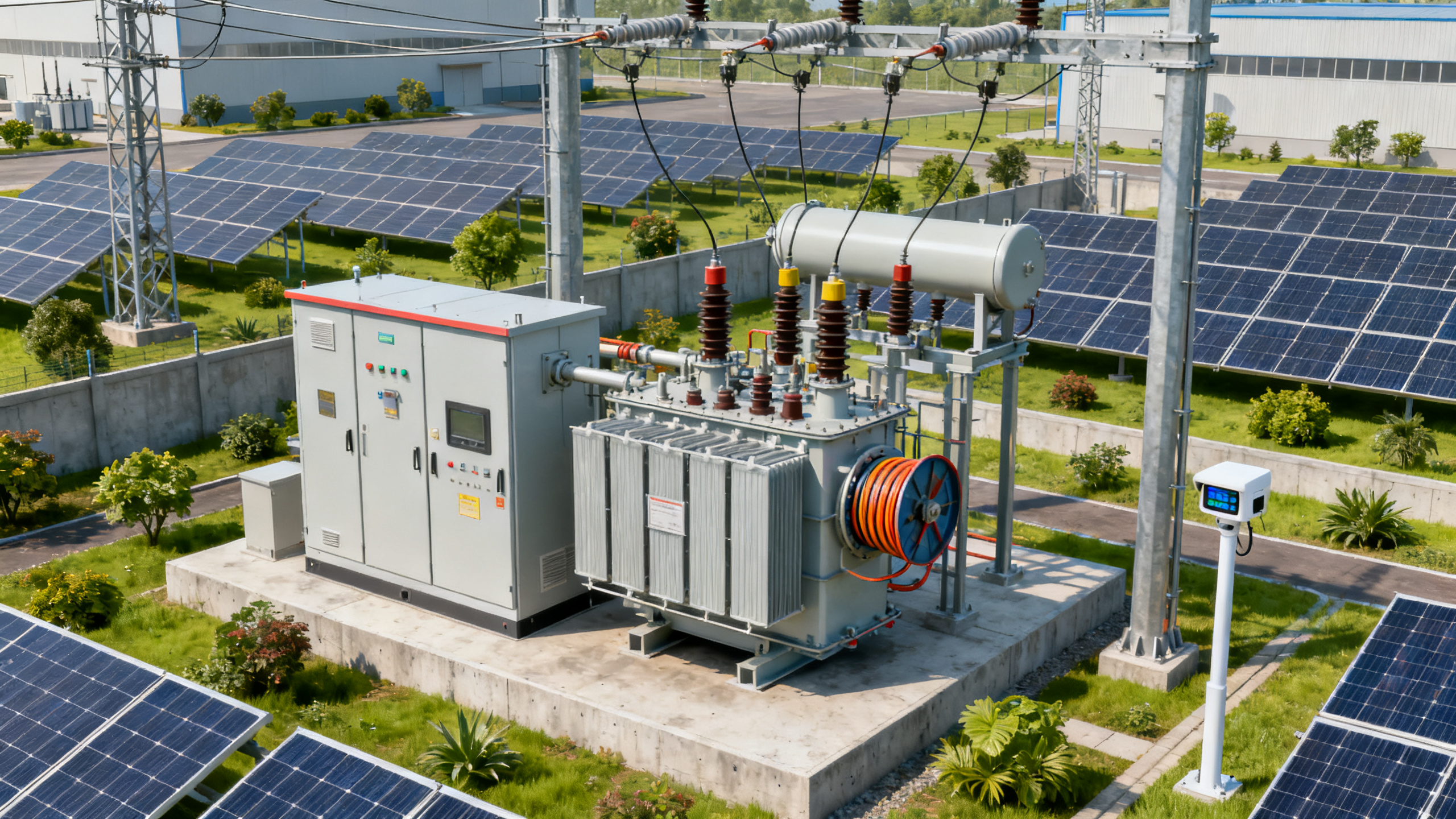
Industrial Ecology Solutions for Electrical Infrastructure in Grid Projects
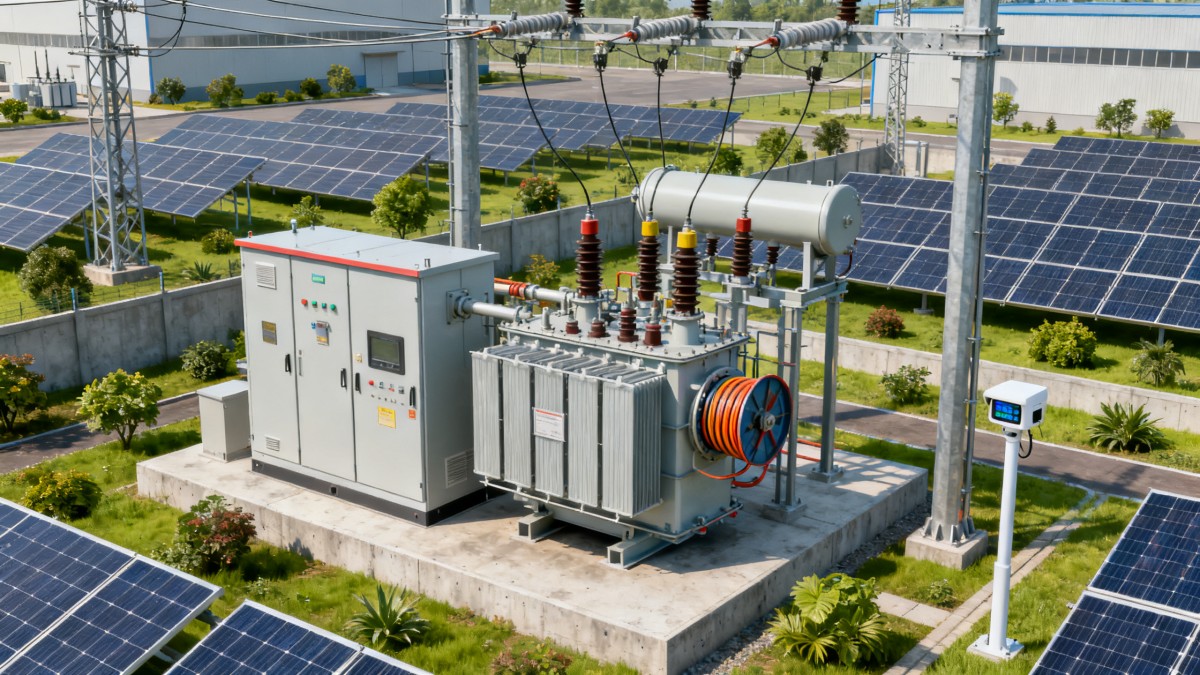
As grid projects expand to meet rising industrial and urban demand, reliability and environmental responsibility are converging.
Industrial ecology solutions for electrical infrastructure now guide lifecycle waste reduction, resource efficiency, compliance planning, and resilient asset design.
The shift is not cosmetic. It changes how transmission corridors, substations, cables, switchgear, foundations, and monitoring systems are specified.
Grid Expansion Is Moving From Capacity Growth to Lifecycle Accountability
Electrical infrastructure once prioritized capacity, safety margins, and delivery speed above most other factors.
That approach is changing as climate exposure, material scarcity, carbon reporting, and decommissioning obligations become measurable project risks.
Industrial ecology solutions for electrical infrastructure offer a structured way to assess those risks before capital is locked into design.
The concept treats a grid project as part of a wider industrial metabolism.
Metals, polymers, insulation gases, concrete, lubricants, water, energy, and end-of-life components are tracked across their full journey.
This helps projects reduce hidden environmental costs without compromising operational reliability.
Early Trend Signals Across Modern Grid Projects
- Substation designs increasingly include low-leakage equipment, recyclable materials, and modular replacement strategies.
- Transmission upgrades now consider conductor losses, wildlife impact, access roads, and foundation material intensity.
- Digital monitoring is used to extend asset life and reduce premature replacement.
- Environmental documentation is becoming a technical selection factor, not only a permitting requirement.
These signals show why industrial ecology solutions for electrical infrastructure are moving from sustainability departments into engineering decisions.
Why Industrial Ecology Is Becoming a Grid Design Requirement
Several forces are accelerating adoption across power transmission and distribution networks.
The most important driver is the growing link between environmental performance and asset resilience.
A material-efficient grid is often easier to maintain, document, upgrade, and recover after disruption.
Industrial ecology solutions for electrical infrastructure also reduce conflict between sustainability and uptime.
The best solutions improve both because waste, failure, overdesign, and poor maintainability usually share the same root causes.
The Impact Is Spreading Across Assets, Suppliers, and Operating Models
The trend affects more than equipment selection.
It changes how grid projects define value, compare technical proposals, and measure performance after commissioning.
Industrial ecology solutions for electrical infrastructure encourage decisions based on lifecycle reliability, not only initial purchase price.
Transmission and Distribution Networks
Line routes, tower structures, insulators, conductors, and access infrastructure are now evaluated for ecological and operational consequences.
Lower line losses can reduce operating emissions while improving energy delivery efficiency.
Corrosion-resistant components can extend service life and reduce replacement waste.
Substations and Critical Power Nodes
Substations concentrate electrical, environmental, and safety risks in compact areas.
Industrial ecology solutions for electrical infrastructure support cleaner insulation choices, spill control, acoustic planning, and heat management.
Modular skids and standardized bays can simplify upgrades while reducing demolition waste.
Monitoring, Measurement, and Digital Controls
Condition monitoring is becoming an ecological tool as much as an operational tool.
Sensors can identify thermal stress, partial discharge, moisture ingress, vibration, leakage, and abnormal load patterns.
Earlier detection prevents catastrophic failure and avoids resource-intensive emergency replacement.
What High-Quality Industrial Ecology Solutions Should Include
Effective implementation requires more than a green material claim.
Industrial ecology solutions for electrical infrastructure should connect engineering evidence, compliance data, and lifecycle economics.
- Lifecycle assessment: Quantify embodied carbon, energy use, maintenance intensity, and end-of-life recovery.
- Material traceability: Verify metals, polymers, insulation media, coatings, and hazardous substance restrictions.
- Standards alignment: Link decisions to IEC, ISO, IEEE, UL, CE, and local grid codes.
- Design for disassembly: Enable easier maintenance, component recovery, and future technology upgrades.
- Environmental risk control: Address leaks, runoff, noise, fire spread, habitat impact, and soil disturbance.
- Operational feedback: Use monitoring data to refine inspection cycles and replacement thresholds.
The strongest programs also include third-party testing and transparent documentation.
These records support approvals, insurance reviews, audits, and future asset transfers.
Key Decision Areas for Sustainable Electrical Infrastructure
Grid projects often face conflicting priorities.
Industrial ecology solutions for electrical infrastructure create a common framework for comparing options transparently.
Materials and Circularity
Circularity begins with material intelligence.
Recycled metal content, coating durability, polymer performance, and recyclability declarations should be validated before selection.
A lower-cost component can become expensive if it shortens service life or blocks future recovery.
Energy Efficiency and Loss Reduction
Electrical losses accumulate over decades.
Efficient transformers, optimized conductors, improved connections, and thermal design can reduce energy waste materially.
Industrial ecology solutions for electrical infrastructure should calculate this benefit across the full operating period.
Reliability Under Environmental Stress
Ecological design cannot weaken durability.
It must improve resistance to corrosion, ultraviolet exposure, flooding, dust, salt spray, seismic movement, and high temperature.
Resilience is a core environmental outcome because failed infrastructure wastes materials and disrupts essential services.
A Practical Response Model for Upcoming Grid Projects
A staged approach helps convert ecological ambition into measurable engineering action.
The goal is to identify the highest-impact decisions early, before design changes become expensive.
This model makes industrial ecology solutions for electrical infrastructure easier to govern.
It also prevents sustainability from becoming a late-stage reporting exercise.
How the Trend Will Shape Technical Evaluation
Future grid evaluations will likely place more weight on verifiable lifecycle data.
Declarations without test evidence will become less persuasive in serious infrastructure decisions.
Industrial ecology solutions for electrical infrastructure will need to demonstrate measurable gains in reliability, emissions, waste, and maintainability.
- Environmental product declarations will become more influential in equipment comparison.
- Digital asset passports may support traceability across decades of service.
- Low-emission construction practices will gain attention in substations and transmission corridors.
- Circular recovery plans may be requested before final investment approval.
- Condition-based maintenance will increasingly support both uptime and ecological performance.
The direction is clear.
Sustainable grid infrastructure will be judged by engineering proof, not environmental language alone.
Action Steps for Building Smarter and Cleaner Grid Assets
The next practical step is to embed ecological criteria into the earliest technical decisions.
Industrial ecology solutions for electrical infrastructure work best when they influence layouts, specifications, testing, and operating strategy together.
- Create a lifecycle baseline for materials, energy losses, emissions, waste, and maintenance exposure.
- Define mandatory evidence for compliance, durability, recyclability, and environmental risk control.
- Compare alternatives using total lifecycle value, not only acquisition cost.
- Prioritize monitoring points that prevent high-impact failures and unnecessary replacement.
- Document decisions so future upgrades, audits, and decommissioning remain manageable.
Global Industrial Core supports this shift through technical intelligence across power systems, safety, measurement, ecology, and industrial materials.
The strongest grid projects will combine compliance discipline with ecological intelligence and data-backed engineering judgment.
Industrial ecology solutions for electrical infrastructure are becoming a foundation for resilient, efficient, and future-ready grid development.
Technical Specifications
- How to Select Electronic Hotel Key Card Locks for Guest Rooms and Staff AreasAuthor :Safety Compliance Lead
- How to Select Lab Instruments for Reliable Chemical Analysis WorkflowsAuthor :Precision Metrology Expert
- How to Size a UPS for Server Rooms: Load, Runtime, and Redundancy FactorsAuthor :Grid Infrastructure Analyst
Expert Insights

Chief Security Architect
Dr. Thorne specializes in the intersection of structural engineering and digital resilience. He has advised three G7 governments on industrial infrastructure security.
Related Analysis
- Sep 17, 2026How to Select Electronic Hotel Key Card Locks for Guest Rooms and Staff AreasAuthor :Safety Compliance Lead
- Sep 16, 2026How to Select Lab Instruments for Reliable Chemical Analysis WorkflowsAuthor :Precision Metrology Expert
- Sep 15, 2026How to Size a UPS for Server Rooms: Load, Runtime, and Redundancy FactorsAuthor :Grid Infrastructure Analyst
Core Sector // 01
Security & Safety
- How to Size a UPS for Server Rooms: Load, Runtime, and Redundancy FactorsAuthor :Grid Infrastructure Analyst

- How to Choose a Step-Down Transformer for a Control Panel: Key Sizing FactorsAuthor :Grid Infrastructure Analyst

- How Often Should Overseas Power Systems Undergo Safety Inspections?Author :Grid Infrastructure Analyst

- How to Choose Panels for Extreme-Cold Industrial Sites?Author :Grid Infrastructure Analyst

- What Should a Cross-Border EPC Equipment Procurement Reference Include?Author :Grid Infrastructure Analyst

- How to Compare Low-Voltage Equipment for Panel IntegrationAuthor :Grid Infrastructure Analyst

- IEC-Compliant Power Infrastructure: Key Design and Verification RequirementsAuthor :Grid Infrastructure Analyst

- Updated EN 61000-6-4:2026 Raises EMC Compliance Bar for EU-Bound Industrial EquipmentAuthor :Grid Infrastructure Analyst