U.S. DOE Updates Priority Review List for Clean Energy Equipment: Impacts on PV Inverters, Energy Storage Converters
Author
Date Published
Reading Time
U.S. DOE Updates Priority Review List for Clean Energy Equipment: Impacts on PV Inverters, Energy Storage Converters
Introduction
On March 26, 2026, the U.S. Department of Energy (DOE) and Customs and Border Protection (CBP) jointly announced the inclusion of PV inverters, energy storage converters (PCS), and AMI smart meters in the 'Priority Review List for Clean Energy Equipment,' granting expedited customs clearance and inspection processes (reducing average processing time by 7–10 working days). This update is particularly relevant for manufacturers and exporters in the renewable energy and power electronics sectors, especially those targeting the U.S. market. The move underscores the growing emphasis on accelerating clean energy adoption while imposing stricter compliance requirements.
Event Overview
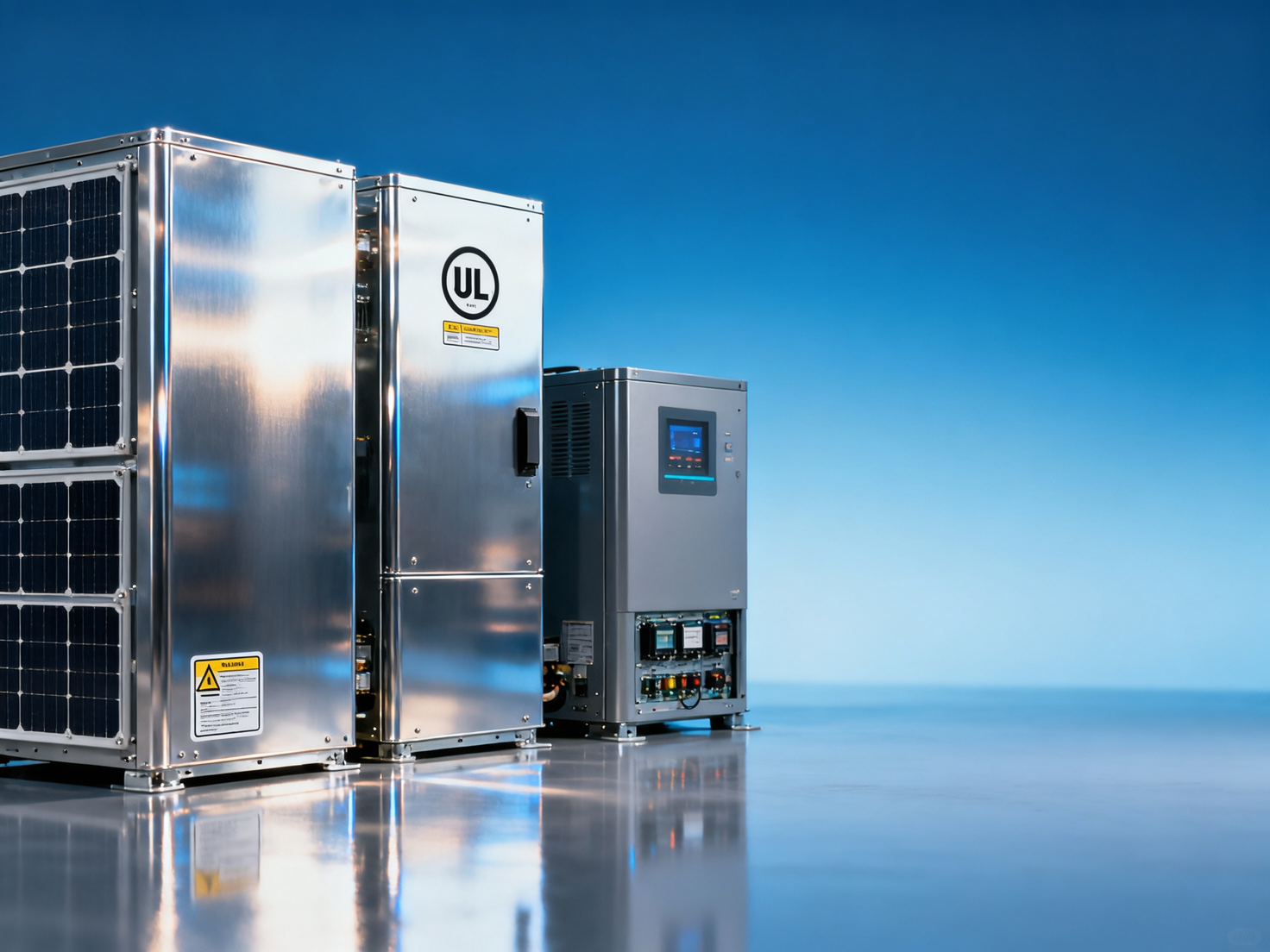
The updated Priority Review List mandates that imported PV inverters, PCS, and AMI smart meters must be accompanied by a compliance declaration issued by UL or ETL, certifying adherence to either UL 1741 SA (including SA Amendment) or the latest IEEE 1547-2024 standards. The policy takes immediate effect, with expedited clearance benefits applicable only to shipments meeting these requirements.
Impact on Sub-Sectors
1. Power Electronics Exporters
Large-scale manufacturers with existing UL/ETL certifications (e.g., Chinese tier-1 suppliers) will gain a competitive edge through faster customs clearance, improving delivery timelines. Conversely, small and medium-sized enterprises (SMEs) lacking certification capabilities may face delays, eroding their time-to-market advantage.
2. U.S. Renewable Energy Project Developers
Developers relying on imported equipment could experience smoother logistics for certified products but may encounter supply chain bottlenecks if dependent on uncertified suppliers. This may incentivize long-term partnerships with pre-certified manufacturers.
3. Testing & Certification Providers
Demand for UL 1741 SA and IEEE 1547-2024 testing services is likely to surge, creating backlogs. Laboratories with accredited capacity may see increased business from SMEs rushing to comply.
Key Considerations for Industry Players
1. Certification Preparedness
Exporters should audit current product compliance against UL 1741 SA and IEEE 1547-2024. Proactive engagement with certification bodies is advised to avoid processing delays.
2. Supply Chain Coordination
Importers must verify suppliers’ certification status upfront and factor potential clearance timelines into project schedules, especially for time-sensitive installations.
3. Monitoring Regulatory Updates
The DOE’s focus on grid-interactive equipment suggests future expansions of the Priority List. Stakeholders should track revisions to standards like IEEE 1547.
Editor’s Observation
From an industry perspective, this policy reflects a dual intent: accelerating clean energy deployment while tightening quality control. The 7–10 day clearance advantage, though seemingly minor, could significantly impact just-in-time solar and storage projects. Notably, the requirement favors established players with robust compliance infrastructure, potentially consolidating market share. However, the lack of transitional provisions may disproportionately affect SMEs, warranting attention to equitable implementation.
Conclusion
The DOE’s update prioritizes efficiency without compromising safety standards, creating a bifurcated impact on the clean energy supply chain. While the immediate effect is operational (faster clearance), the broader implication is strategic—reinforcing the U.S. market’s preference for standardized, grid-resilient equipment. Industry participants should treat this as both a logistical adjustment and a signal of evolving compliance expectations in renewable energy trade.
Source
• U.S. Department of Energy (DOE) Announcement (March 26, 2026)
• U.S. Customs and Border Protection (CBP) Operational Bulletin
• Pending Monitoring: Potential updates to IEEE 1547 series standards
Technical Specifications
- Air Handling Unit Supplier Checklist: Performance Data, Lead Times, and SupportAuthor :Environmental Engineering Director
- Buying Fiberglass Water Tanks Wholesale: Compare Quotes and Delivery CostsAuthor :Environmental Engineering Director
- Choosing an XLPE Power Cable Supplier: Test Reports, Traceability, and Lead TimesAuthor :Grid Infrastructure Analyst
Expert Insights

Chief Security Architect
Dr. Thorne specializes in the intersection of structural engineering and digital resilience. He has advised three G7 governments on industrial infrastructure security.
Related Analysis
- Oct 19, 2026Air Handling Unit Supplier Checklist: Performance Data, Lead Times, and SupportAuthor :Environmental Engineering Director
- Oct 18, 2026Buying Fiberglass Water Tanks Wholesale: Compare Quotes and Delivery CostsAuthor :Environmental Engineering Director
- Oct 17, 2026Choosing an XLPE Power Cable Supplier: Test Reports, Traceability, and Lead TimesAuthor :Grid Infrastructure Analyst
Core Sector // 01
Security & Safety
- Choosing a Step-Down Transformer Supplier: Test Reports, Lead Times, and WarrantyAuthor :Grid Infrastructure Analyst

- Metallurgy Processes That Improve Conductivity and Reliability in Power Grid ComponentsAuthor :Grid Infrastructure Analyst

- How to Size a UPS for Server Rooms: Load, Runtime, and Redundancy FactorsAuthor :Grid Infrastructure Analyst

- How to Choose a Step-Down Transformer for a Control Panel: Key Sizing FactorsAuthor :Grid Infrastructure Analyst

- How Often Should Overseas Power Systems Undergo Safety Inspections?Author :Grid Infrastructure Analyst

- How to Choose Panels for Extreme-Cold Industrial Sites?Author :Grid Infrastructure Analyst

- What Should a Cross-Border EPC Equipment Procurement Reference Include?Author :Grid Infrastructure Analyst

- How to Compare Low-Voltage Equipment for Panel IntegrationAuthor :Grid Infrastructure Analyst