Electrical & Power Manufacturer Choices That Affect Downtime
Author
Date Published
Reading Time
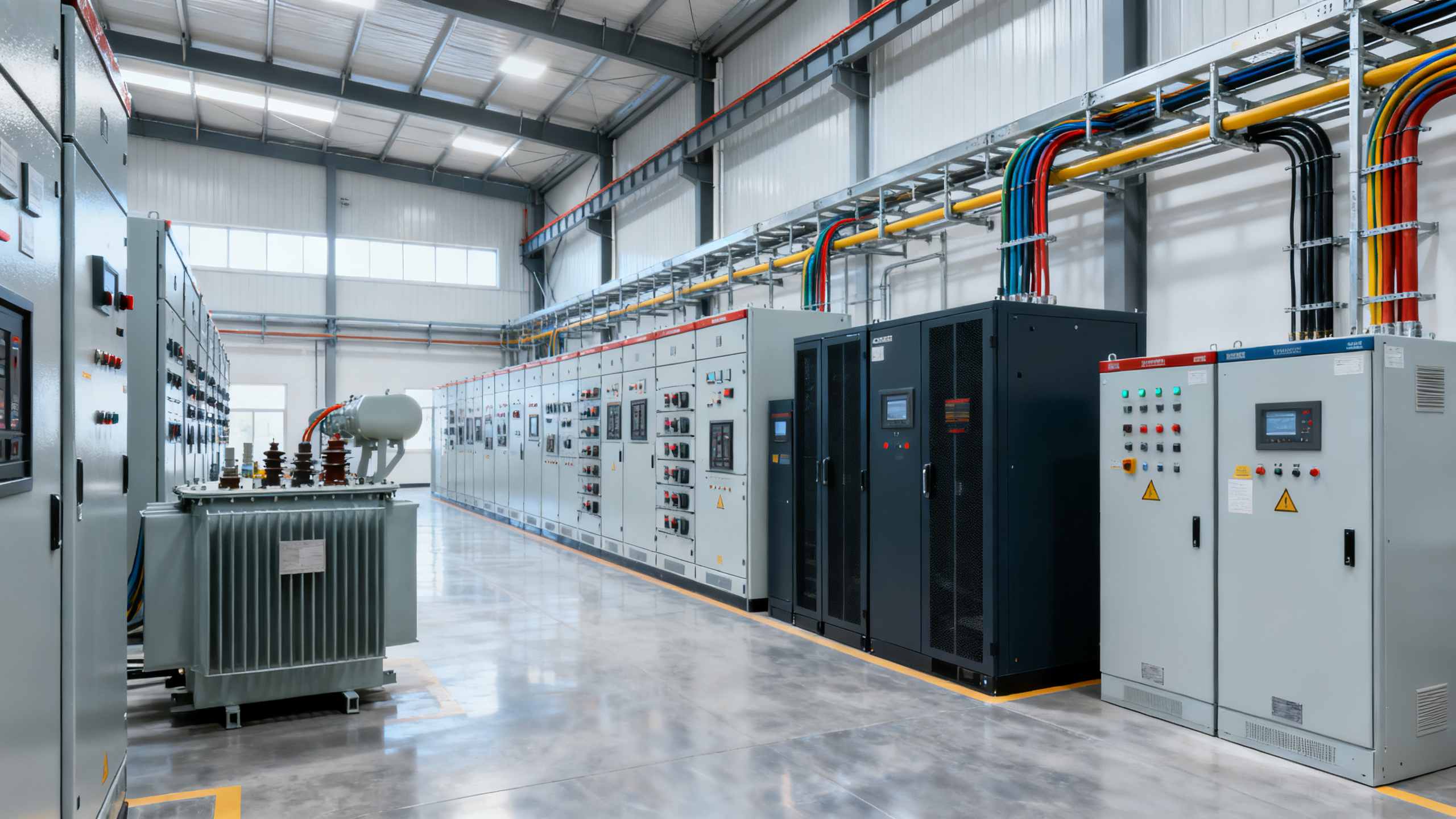
Choosing the right Electrical & Power manufacturer can determine whether operations stay productive or fail at the worst moment. Downtime affects safety, output, maintenance budgets, and customer commitments.
In power-intensive facilities, weak supplier choices often hide behind acceptable pricing, polished catalogs, or broad claims. The real difference appears during overloads, voltage events, harsh environments, and urgent replacement cycles.
This guide explains which Electrical & Power manufacturer decisions most directly affect uptime. It focuses on practical checks that improve sourcing quality, technical fit, and long-term system resilience.
Why a structured review matters before selecting an Electrical & Power manufacturer
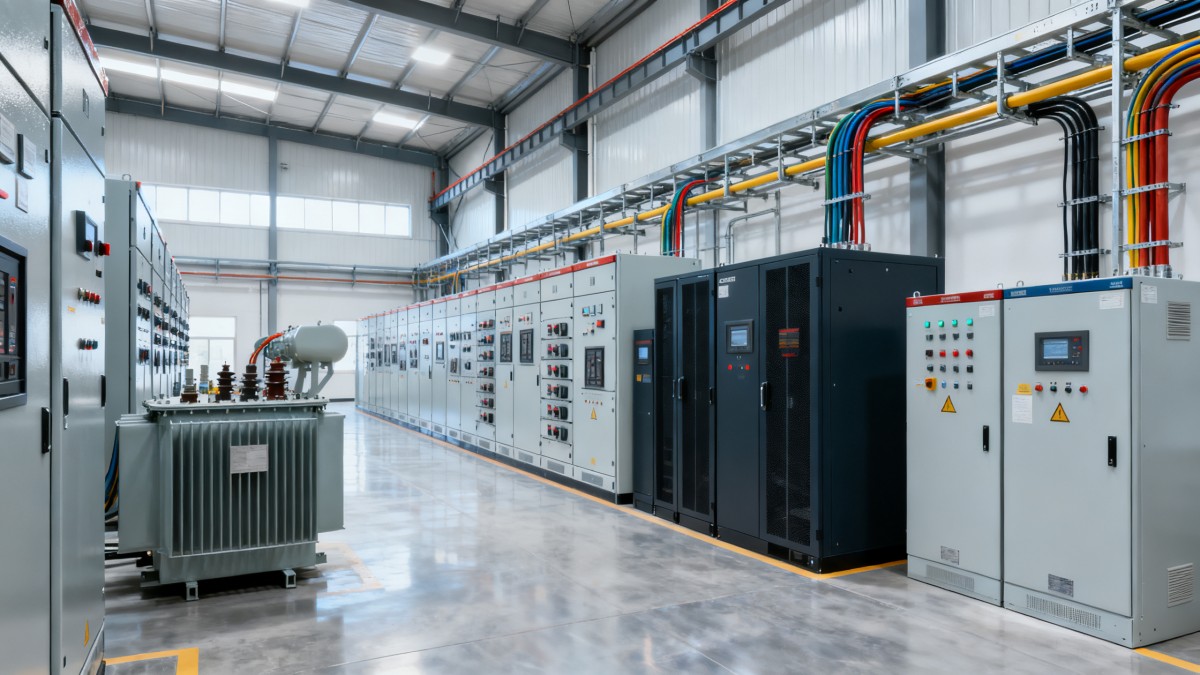
Power equipment failures rarely come from one dramatic mistake. More often, downtime starts with small mismatches in ratings, compliance gaps, weak support, or poor lifecycle planning.
A structured review reduces those hidden risks. It also makes supplier comparisons more objective across switchgear, transformers, protection devices, cables, panels, UPS systems, and control components.
For complex industrial environments, the best Electrical & Power manufacturer is not simply the one with the lowest quote. It is the one that supports stable performance under real operating stress.
Core points that have the biggest impact on downtime
- Verify whether the Electrical & Power manufacturer provides documented performance under actual load profiles, fault levels, ambient temperatures, humidity ranges, and contamination conditions.
- Confirm compliance with CE, UL, ISO, IEC, and relevant grid or site standards, including test reports, traceability records, and certificate validity dates.
- Check short-circuit ratings, insulation class, thermal rise, ingress protection, and derating guidance rather than relying on headline nameplate values.
- Review failure data, mean time between failures, warranty claim trends, and field service history for similar installations in comparable industrial duty cycles.
- Assess spare parts availability, lead times, local inventory depth, and component interchangeability to reduce outage duration after a fault event.
- Evaluate engineering support quality, including startup assistance, commissioning documents, wiring clarity, protection coordination advice, and remote troubleshooting capability.
- Inspect manufacturing consistency through quality audits, material controls, supplier qualification processes, and evidence of repeatable production standards.
- Ask how firmware, relays, digital monitoring, and communication protocols are managed across product generations to avoid integration issues later.
- Compare lifecycle cost, not unit price alone, including maintenance intervals, energy losses, training needs, repair complexity, and expected service life.
- Confirm that the Electrical & Power manufacturer can support emergency replacements, retrofit projects, and technical changes without long engineering delays.
How manufacturer choices affect different operating environments
Continuous-process facilities
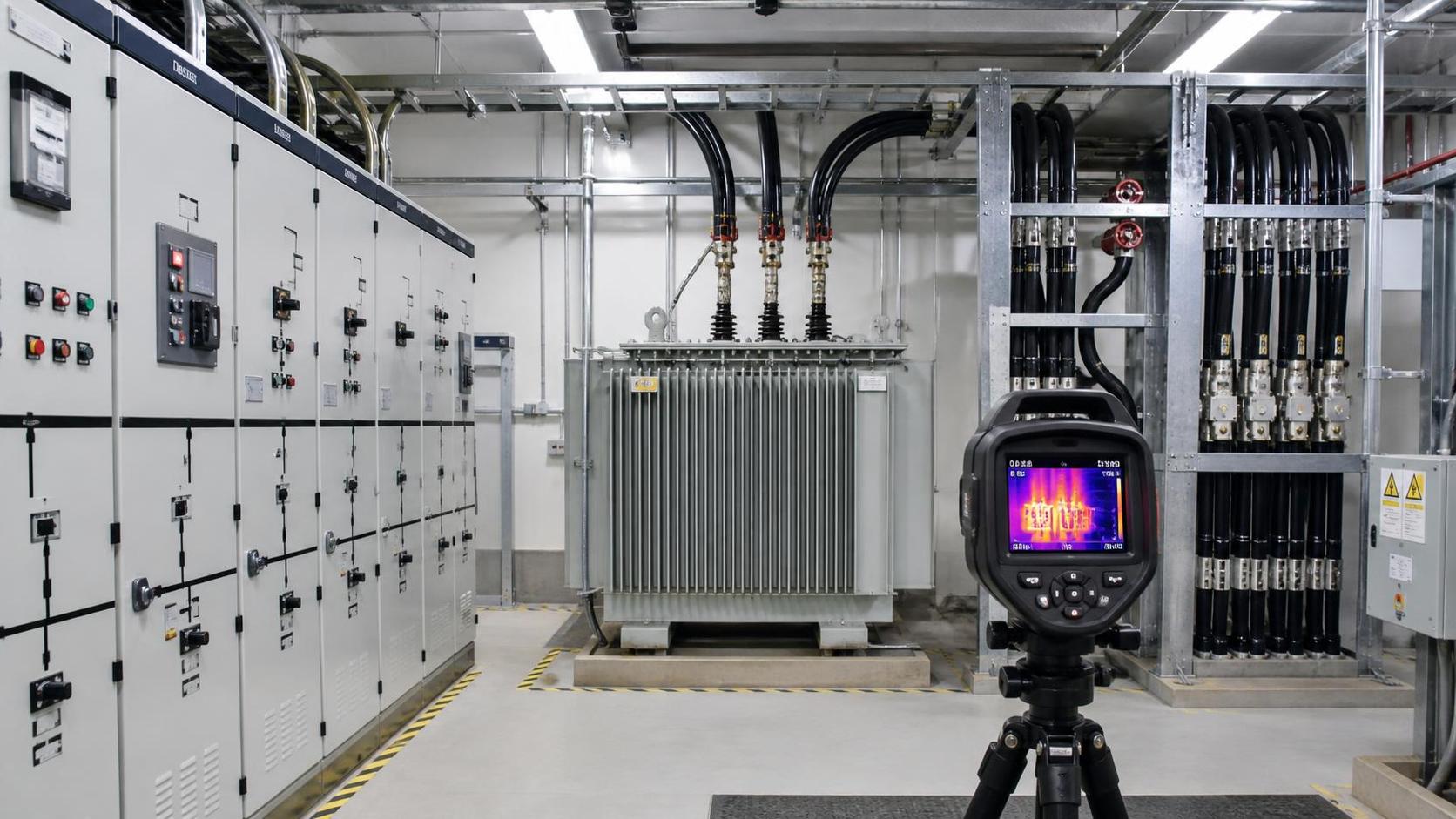
In continuous-process operations, even short electrical disruptions can trigger production loss, scrap, or unsafe shutdown sequences. Manufacturer reliability must be proven in uninterrupted duty applications.
Focus on protection selectivity, thermal stability, redundant power paths, and service response speed. An Electrical & Power manufacturer should provide clear coordination and recovery support.
Harsh outdoor or remote sites
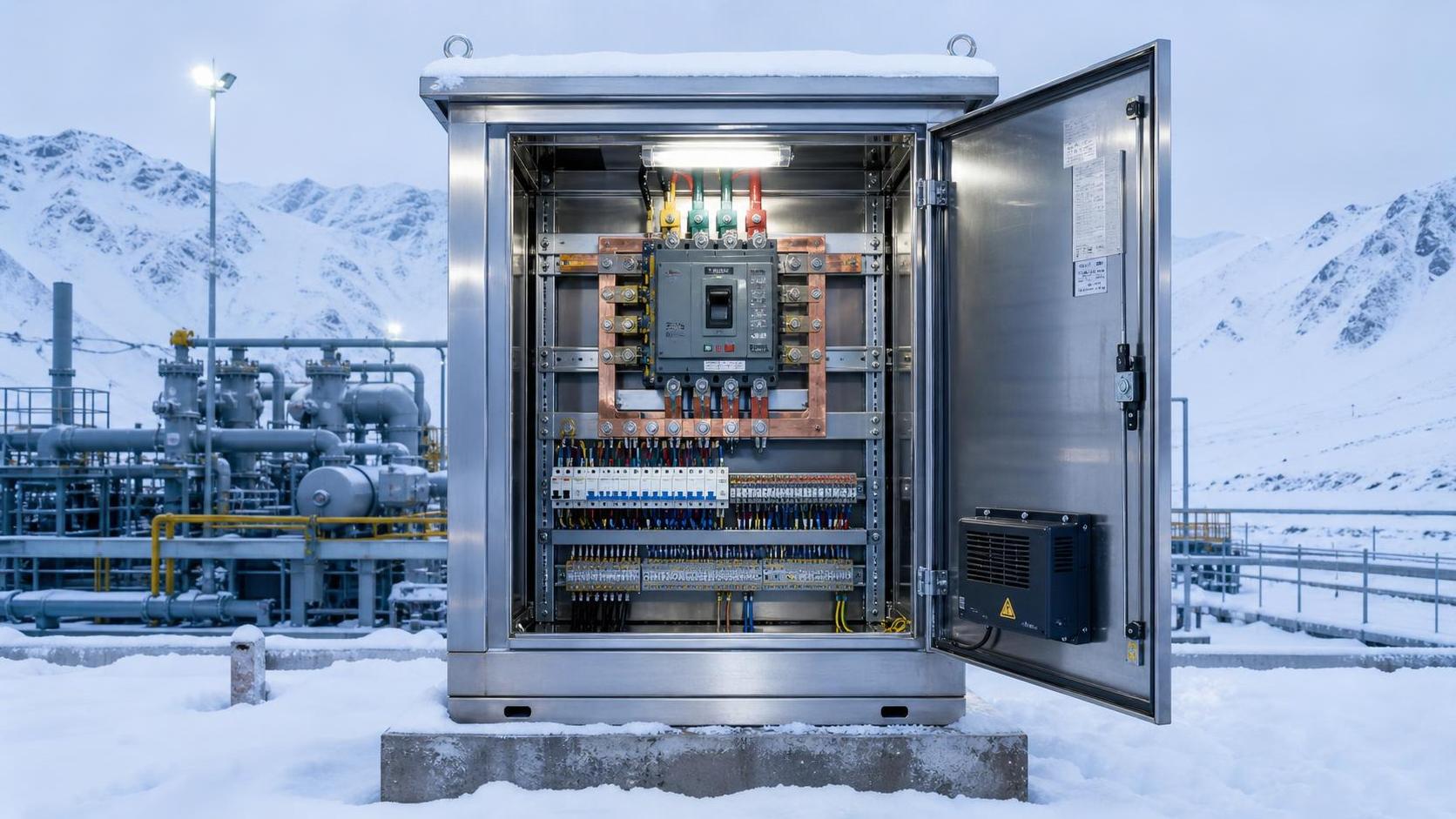
Remote installations face heat, dust, salt, vibration, and restricted maintenance access. Equipment that performs well indoors may fail early when environmental resistance is under-specified.
Check enclosure protection, corrosion resistance, sealing quality, and remote diagnostics. The right Electrical & Power manufacturer will show evidence from similar field conditions.
Retrofit and brownfield upgrades
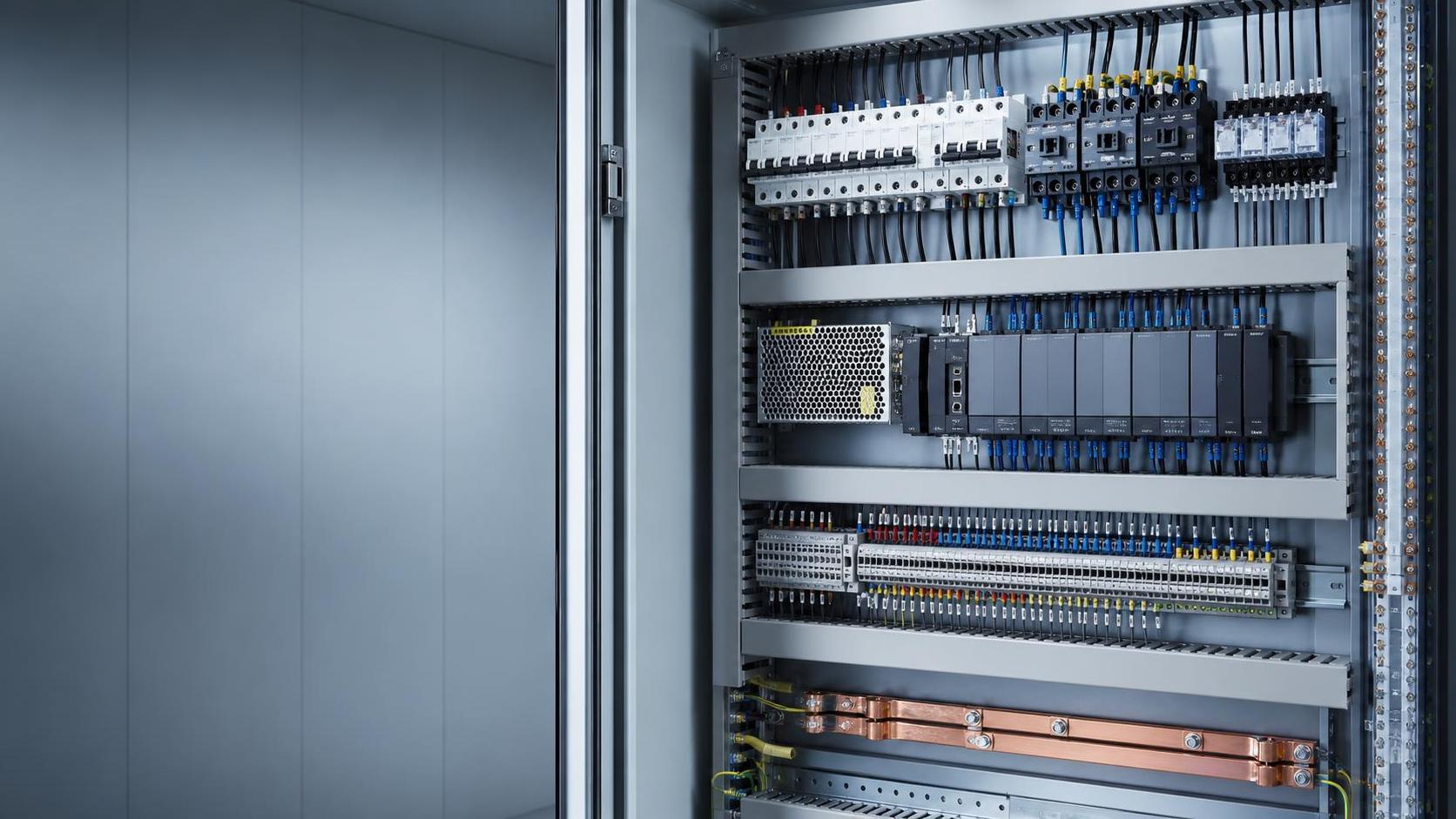
Older sites often combine legacy infrastructure with newer monitoring and control systems. Compatibility issues can create unexpected downtime during installation or after energization.
Look for retrofit kits, dimensional flexibility, protocol support, and detailed migration planning. A capable Electrical & Power manufacturer reduces cutover risk and commissioning delays.
Critical backup power applications
Where standby systems protect life, data, or process integrity, switching performance matters as much as normal operation. Delayed transfer or control instability can defeat the backup strategy.
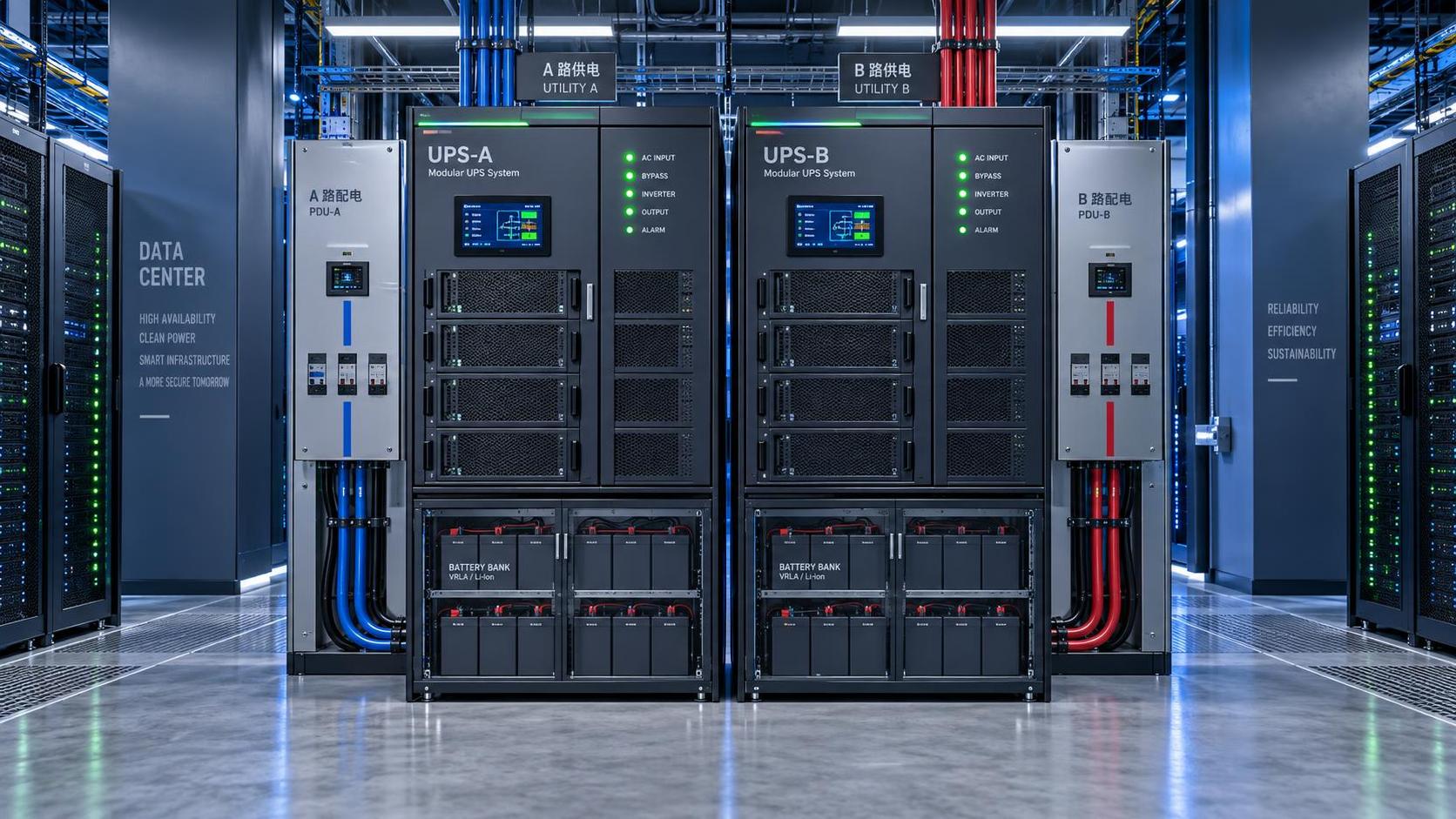
Prioritize test evidence for UPS systems, batteries, transfer switches, and generator interfaces. A dependable Electrical & Power manufacturer should support routine verification and event analysis.
Frequently overlooked details that increase outage risk
Overreliance on catalog ratings
Catalog values may reflect ideal test conditions. Real sites introduce heat, harmonics, altitude, enclosure crowding, and duty variation that reduce usable performance margins.
Incomplete protection coordination
Even quality hardware fails system expectations when breakers, relays, and fuses are not coordinated. Small faults can cascade into larger outages if discrimination is poorly designed.
Weak documentation control
Outdated drawings, unclear terminal schedules, and inconsistent revision control slow repairs. During a shutdown, confusion wastes valuable time and increases restart errors.
Limited after-sales depth
Some suppliers offer sales attention but weak technical support after delivery. Downtime grows when field engineers, spare assemblies, or firmware expertise are unavailable.
Ignoring supply chain resilience
A strong Electrical & Power manufacturer should have contingency plans for critical materials and components. Single-source dependencies can extend outages during global disruptions.
Practical evaluation steps before final approval
- Request application-specific references that match voltage class, environmental exposure, duty cycle, and maintenance regime, not only broad industry examples.
- Ask for a documented exception list showing every deviation from your specification, including protective devices, accessories, communication modules, and material grades.
- Review the recommended spare parts package for one, three, and five years to estimate practical recovery capability after common failures.
- Include service-level expectations in the commercial review, such as response times, technical escalation paths, training scope, and document handover quality.
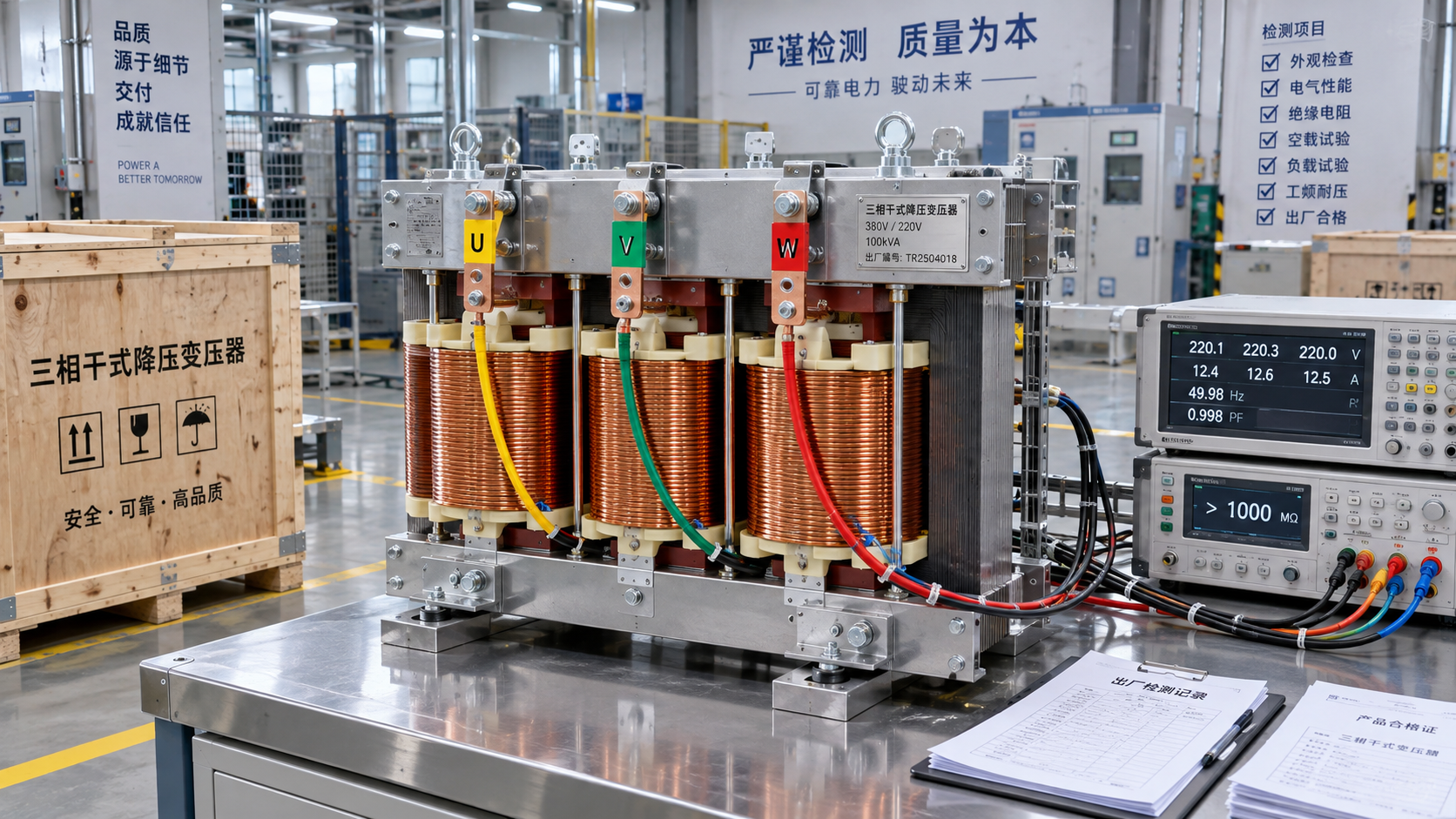
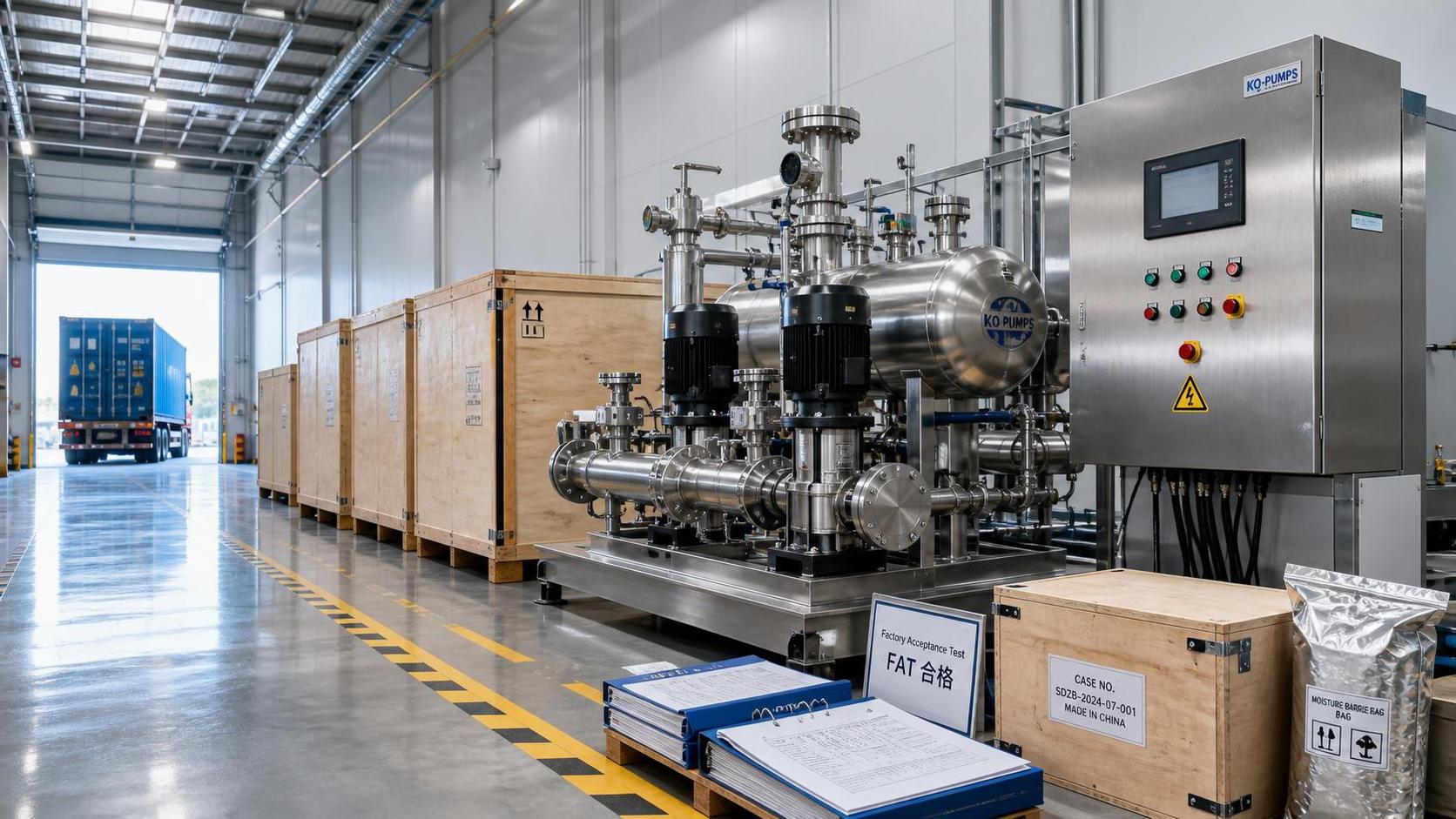
- Require factory testing evidence and clarify which tests are routine, optional, witnessed, or type-based before shipment approval.
These steps make supplier comparison more reliable. They also expose whether an Electrical & Power manufacturer is prepared for operational accountability after installation.
Questions worth asking during technical clarification
Useful technical questions often reveal more than a polished proposal. The goal is to understand how the supplier handles failure prevention, recovery speed, and long-term support.
- What field failures are most common for this product family, and what design changes were made to reduce recurrence?
- Which components have the longest replacement lead times, and what stocking options exist locally or regionally?
- How does the Electrical & Power manufacturer support relay settings, commissioning checks, and root-cause review after a trip event?
- What performance derating applies under high ambient temperature, altitude, enclosure grouping, or harmonic distortion?
- How are software revisions, cybersecurity updates, and communication compatibility maintained through the product lifecycle?
A simple way to prioritize supplier decisions
Start with non-negotiables: compliance, safety, fault capacity, environmental fit, and support availability. Remove any option that cannot prove those fundamentals clearly.
Next, compare operational factors such as energy efficiency, maintainability, documentation quality, digital integration, and expected spare parts access. These often shape downtime more than price differences.
Finally, assess partnership reliability. A strong Electrical & Power manufacturer should demonstrate consistency across engineering, production, logistics, commissioning, and service support.
Conclusion and next actions
Downtime is influenced by the manufacturer choices made long before equipment is energized. Better outcomes come from disciplined review, evidence-based comparison, and realistic lifecycle planning.
When evaluating any Electrical & Power manufacturer, focus on verified performance, compliance depth, service readiness, and replacement resilience. Those factors protect uptime more effectively than low initial cost.
Use the points above as a practical review framework for future sourcing decisions. Stronger selection criteria today can prevent costly outages, delayed recovery, and hidden operating risks tomorrow.
Technical Specifications
- Air Handling Unit Supplier Checklist: Performance Data, Lead Times, and SupportAuthor :Environmental Engineering Director
- Buying Fiberglass Water Tanks Wholesale: Compare Quotes and Delivery CostsAuthor :Environmental Engineering Director
- Choosing an XLPE Power Cable Supplier: Test Reports, Traceability, and Lead TimesAuthor :Grid Infrastructure Analyst
Expert Insights

Chief Security Architect
Dr. Thorne specializes in the intersection of structural engineering and digital resilience. He has advised three G7 governments on industrial infrastructure security.
Related Analysis
- Oct 19, 2026Air Handling Unit Supplier Checklist: Performance Data, Lead Times, and SupportAuthor :Environmental Engineering Director
- Oct 18, 2026Buying Fiberglass Water Tanks Wholesale: Compare Quotes and Delivery CostsAuthor :Environmental Engineering Director
- Oct 17, 2026Choosing an XLPE Power Cable Supplier: Test Reports, Traceability, and Lead TimesAuthor :Grid Infrastructure Analyst
Core Sector // 01
Security & Safety
- Choosing a Step-Down Transformer Supplier: Test Reports, Lead Times, and WarrantyAuthor :Grid Infrastructure Analyst

- Metallurgy Processes That Improve Conductivity and Reliability in Power Grid ComponentsAuthor :Grid Infrastructure Analyst

- How to Size a UPS for Server Rooms: Load, Runtime, and Redundancy FactorsAuthor :Grid Infrastructure Analyst

- How to Choose a Step-Down Transformer for a Control Panel: Key Sizing FactorsAuthor :Grid Infrastructure Analyst

- How Often Should Overseas Power Systems Undergo Safety Inspections?Author :Grid Infrastructure Analyst

- How to Choose Panels for Extreme-Cold Industrial Sites?Author :Grid Infrastructure Analyst

- What Should a Cross-Border EPC Equipment Procurement Reference Include?Author :Grid Infrastructure Analyst

- How to Compare Low-Voltage Equipment for Panel IntegrationAuthor :Grid Infrastructure Analyst