Chile SEC Mandates IEC 61850-10:2026 CCTM for Industrial Transformers
Author
Date Published
Reading Time
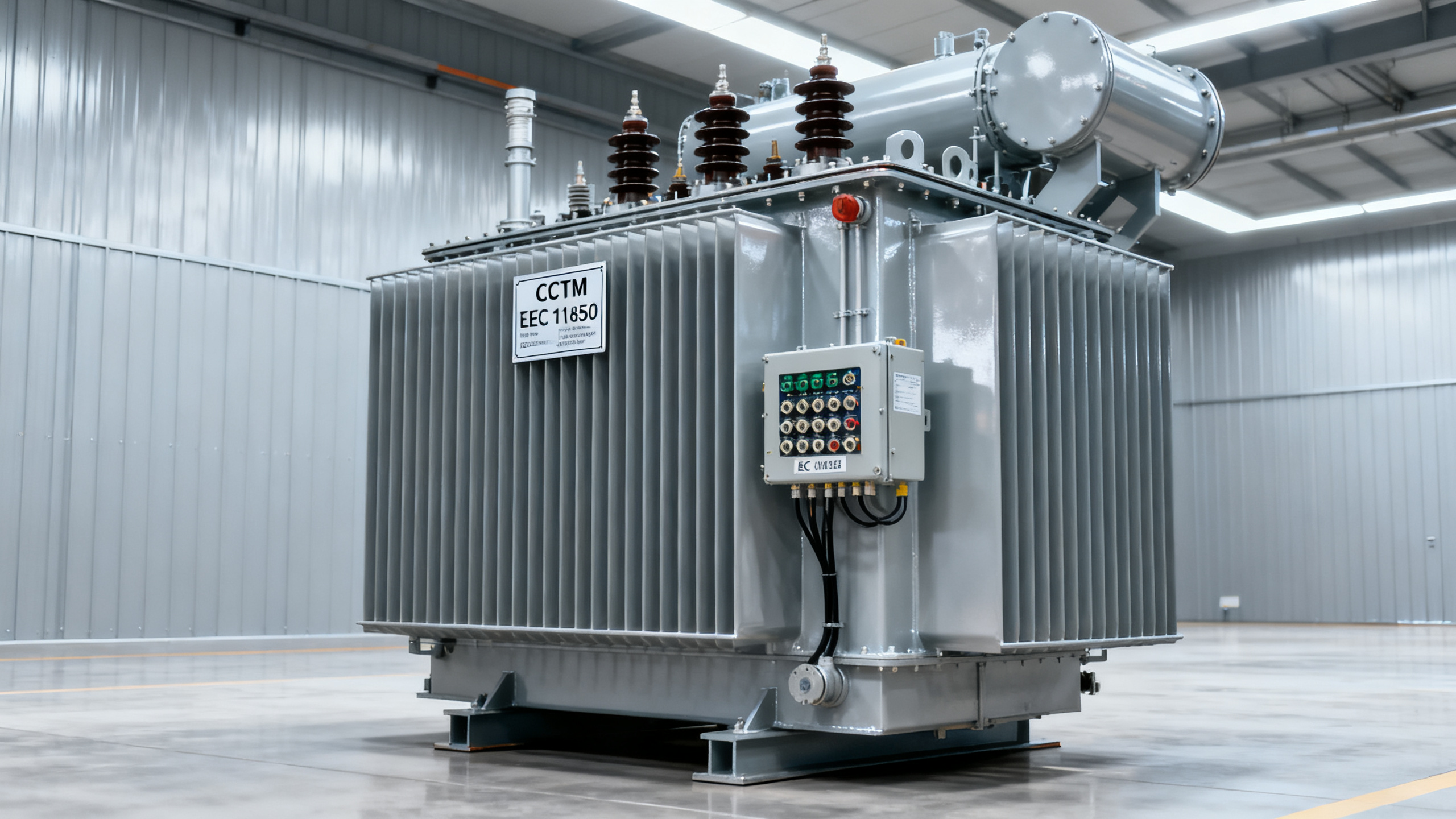
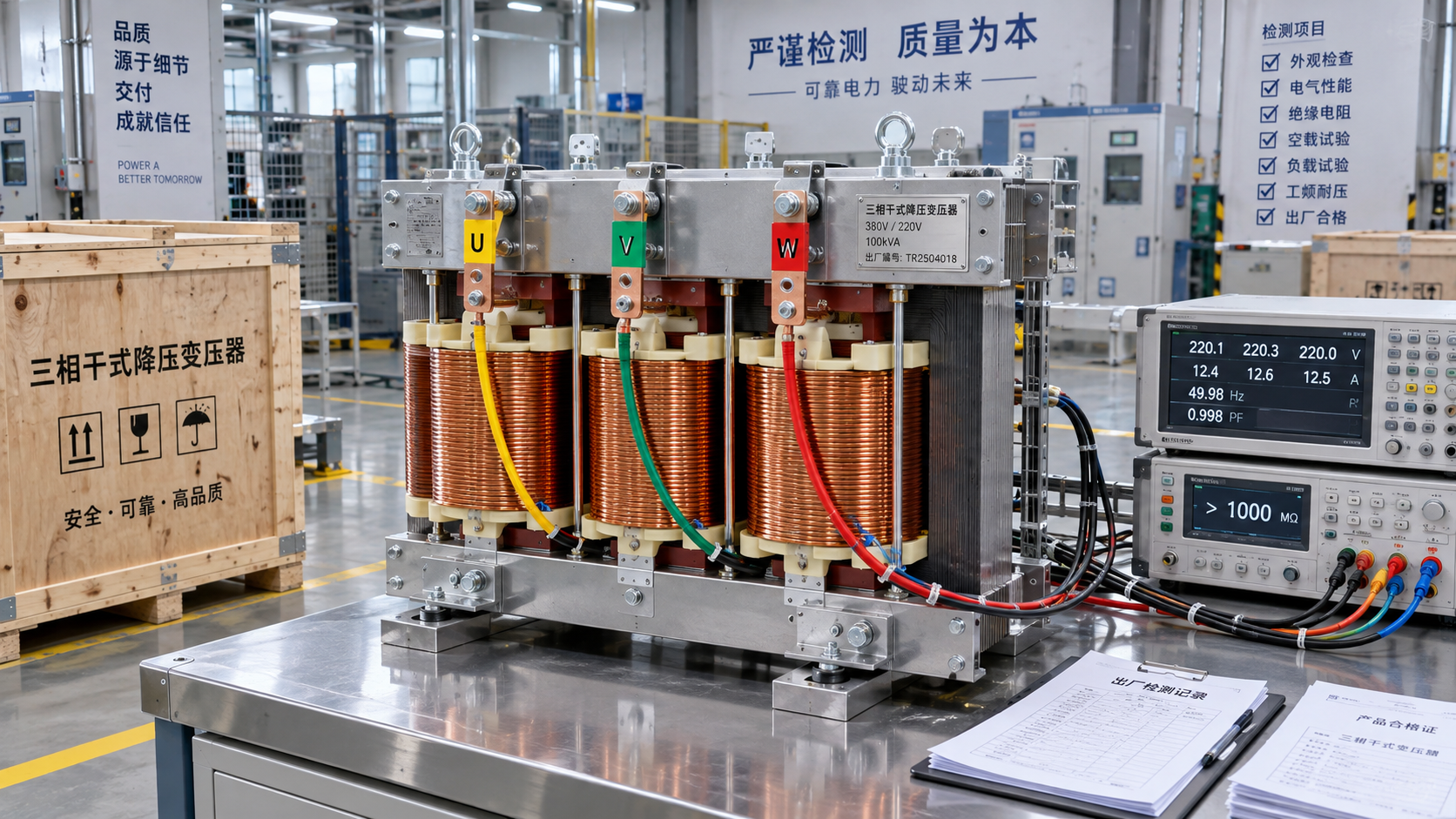
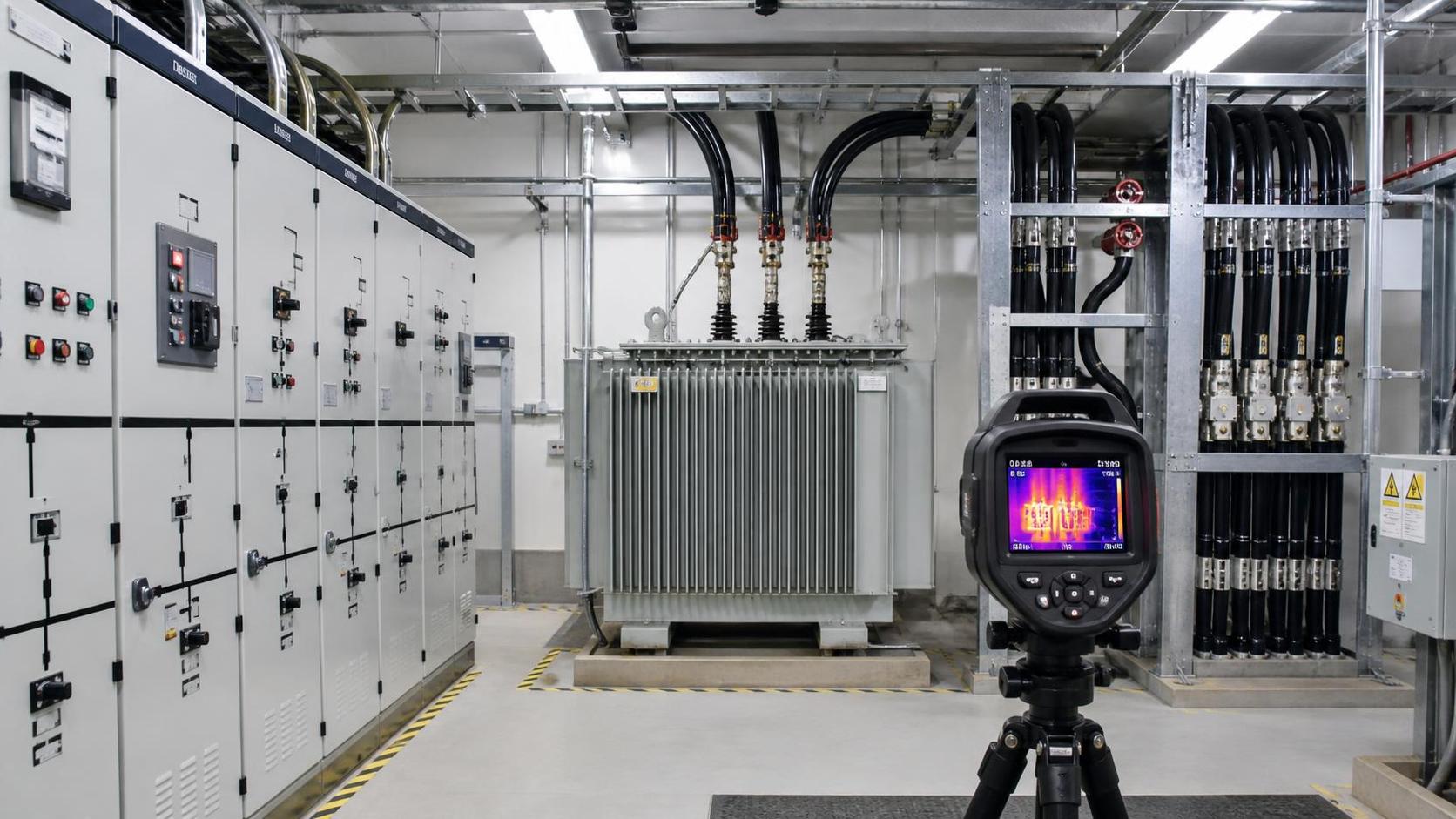
On May 7, 2026, Chile’s National Electrical Energy Commission (SEC) issued Resolution No. 2026-045, requiring all imported industrial power transformers rated at 10 MVA or above to be pre-equipped with a Communication Conformance Test Module (CCTM) compliant with IEC 61850-10:2026—effective September 1, 2026. This regulation directly impacts international transformer suppliers, electrical equipment importers, and grid-integration service providers operating in or exporting to Chile’s industrial and utility sectors.
Event Overview
On May 7, 2026, the Chilean National Electrical Energy Commission (SEC) published Resolution No. 2026-045. The resolution stipulates that, starting September 1, 2026, all industrial power transformers (≥10 MVA) imported into Chile must be factory-installed with a Communication Conformance Test Module (CCTM) certified to IEC 61850-10:2026. The module must support remote online verification by SEC and undergo functional validation prior to shipment at an SEC-accredited laboratory.
Industries and Stakeholders Affected
Transformer Manufacturers & Exporters
Manufacturers supplying industrial transformers to the Chilean market will face revised product design, testing, and documentation requirements. The mandate applies specifically to units ≥10 MVA, meaning medium- and large-capacity units used in mining, energy generation, and heavy industry are in scope. Impact includes added hardware integration, firmware compliance verification, and coordination with SEC-recognized labs for pre-shipment validation.
Importers & Distributors of Electrical Equipment
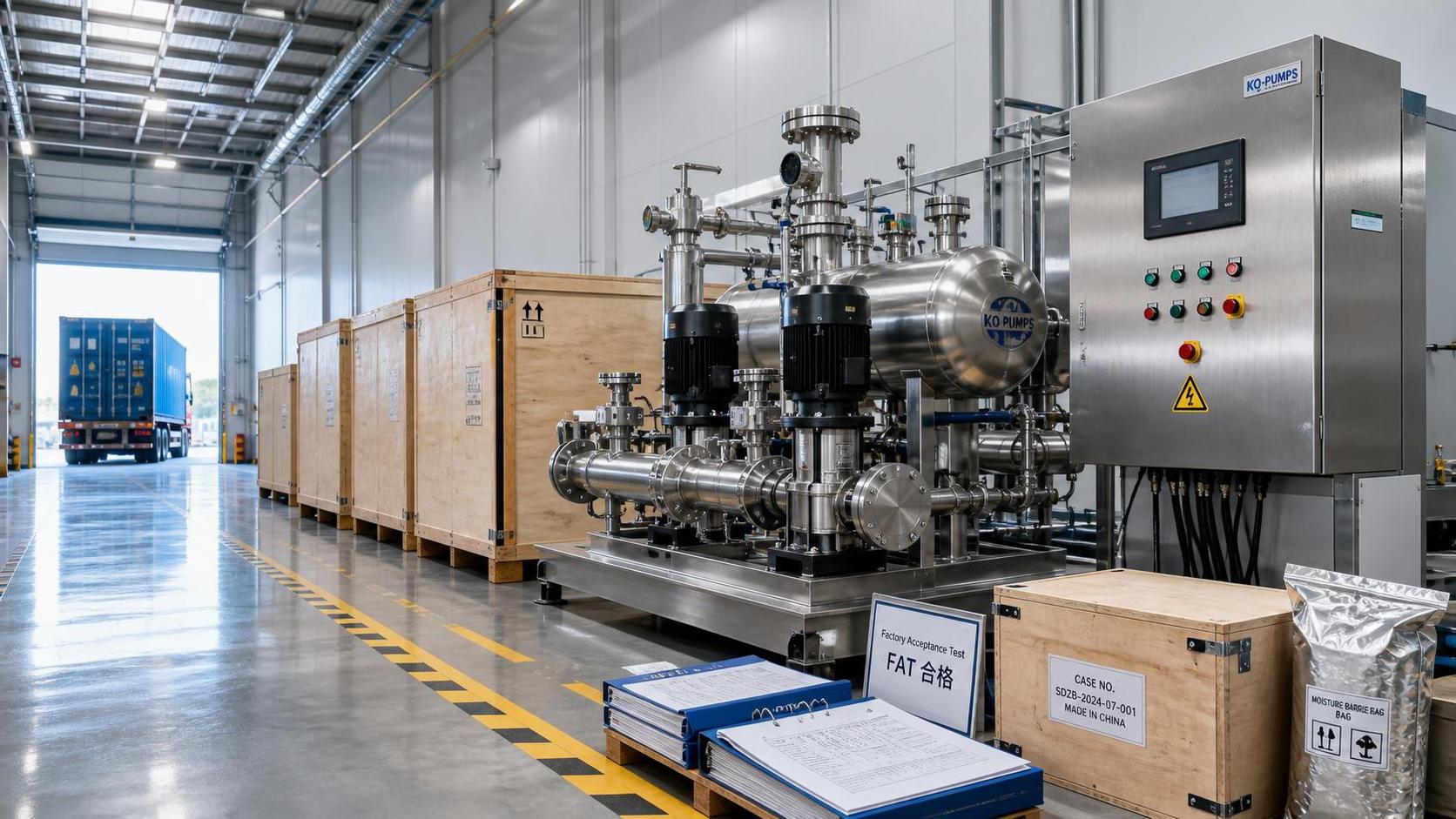
Importers handling transformer logistics into Chile must now verify CCTM installation and lab certification prior to customs clearance. Non-compliant shipments may face rejection or delays after September 1, 2026. Documentation—including test reports from SEC-accredited laboratories—must accompany each consignment.
Engineering, Procurement & Construction (EPC) Firms
EPC contractors executing industrial or infrastructure projects in Chile must update procurement specifications and technical bid evaluations to reflect the new requirement. Contracts signed before September 2026 but calling for transformer delivery thereafter require contractual alignment with the SEC rule to avoid compliance gaps or project delays.
Grid Integration & Commissioning Service Providers
Service providers supporting transformer commissioning and grid interconnection in Chile may see increased demand for CCTM functionality verification during site acceptance tests. However, SEC’s emphasis on pre-installation and pre-shipment validation suggests reduced on-site conformance troubleshooting—but stricter upstream accountability.
Key Considerations and Recommended Actions
Monitor Official SEC Guidance and Accredited Laboratory Updates
While Resolution No. 2026-045 is published, the list of SEC-accredited laboratories authorized to perform CCTM functional validation remains pending public release. Stakeholders should track SEC’s official portal for updated accreditation status and procedural clarifications ahead of the September 2026 deadline.
Review Transformer Product Lines and Export Schedules
Manufacturers and exporters should identify all ≥10 MVA transformer models destined for Chile between September 2026 and Q1 2027. Prioritize those with scheduled production or shipment windows overlapping the effective date—and assess whether existing designs accommodate IEC 61850-10:2026 CCTM integration without redesign.
Distinguish Between Regulatory Signal and Operational Implementation
This resolution establishes a clear compliance threshold—not a phased trial or voluntary framework. It is not a pilot program nor a recommendation; it is a binding import requirement. However, its enforcement scope is narrowly defined: only industrial transformers ≥10 MVA, only those imported (not domestically manufactured), and only CCTM functionality—not full IEC 61850 system interoperability.
Prepare Documentation and Cross-Functional Coordination Protocols
Companies should establish internal workflows linking R&D, quality assurance, export compliance, and logistics teams to ensure CCTM installation evidence, lab test reports, and SEC-aligned technical documentation are embedded in standard shipping packages. Early alignment with freight forwarders on required customs declaration fields is also advised.
Editorial Perspective / Industry Observation
Observably, this resolution reflects Chile’s broader strategy to strengthen digital interoperability and remote oversight capabilities across critical energy infrastructure—particularly in sectors like mining, where grid reliability and real-time monitoring are operational imperatives. Analysis shows the rule targets a specific technical interface (CCTM per IEC 61850-10:2026), rather than mandating full substation automation. It is better understood as a targeted regulatory signal toward standardized communication verification—not a sweeping digital transformation mandate. From an industry perspective, this signals increasing convergence between national grid codes and international smart-grid standards, especially in emerging markets upgrading legacy infrastructure. Continued attention is warranted as SEC may extend similar requirements to other protection or control devices in future resolutions.
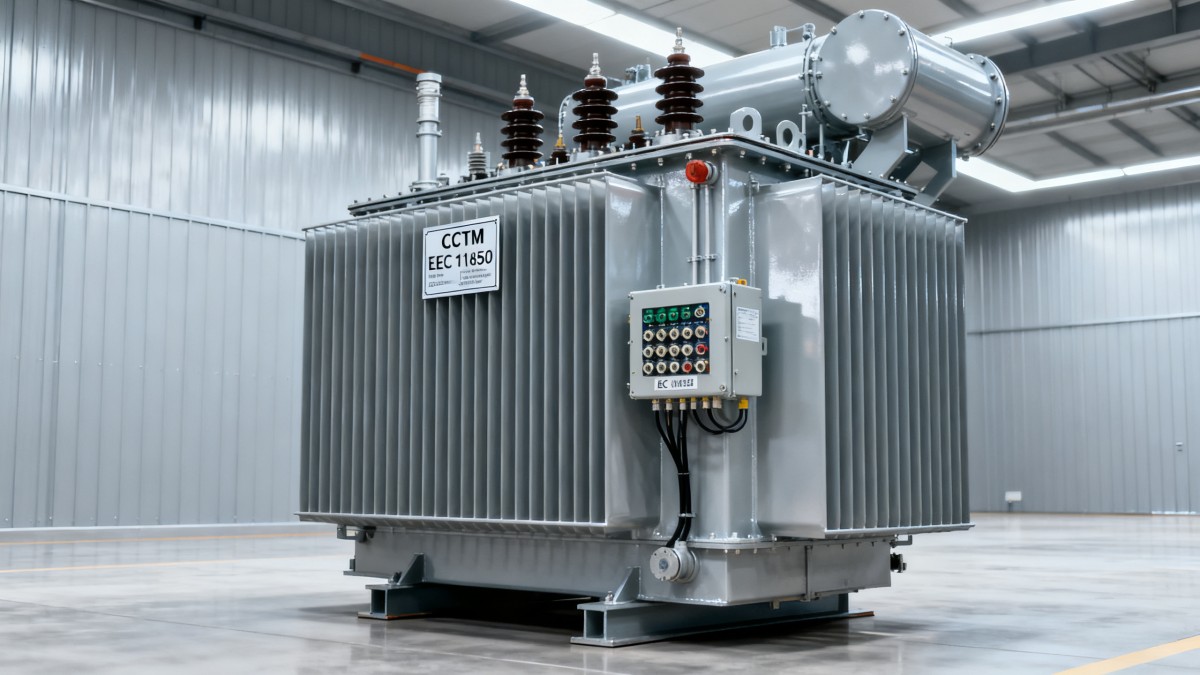
Chile’s SEC resolution introduces a precise, enforceable compliance checkpoint for a defined segment of the power transformer supply chain. Its significance lies not in scale or novelty alone, but in its role as an early indicator of how national regulators are embedding standardized digital verification—rather than just physical safety—into import gateways for critical grid assets. For stakeholders, the current interpretation should focus on implementation readiness for the specified transformer class, not extrapolation to broader IEC 61850 adoption timelines.
Source: Chilean National Electrical Energy Commission (SEC), Resolution No. 2026-045, published May 7, 2026.
Note: The list of SEC-accredited laboratories for CCTM functional validation is not yet publicly available and remains under observation.
Technical Specifications
- Air Handling Unit Supplier Checklist: Performance Data, Lead Times, and SupportAuthor :Environmental Engineering Director
- Buying Fiberglass Water Tanks Wholesale: Compare Quotes and Delivery CostsAuthor :Environmental Engineering Director
- Choosing an XLPE Power Cable Supplier: Test Reports, Traceability, and Lead TimesAuthor :Grid Infrastructure Analyst
Expert Insights

Chief Security Architect
Dr. Thorne specializes in the intersection of structural engineering and digital resilience. He has advised three G7 governments on industrial infrastructure security.
Related Analysis
- Oct 19, 2026Air Handling Unit Supplier Checklist: Performance Data, Lead Times, and SupportAuthor :Environmental Engineering Director
- Oct 18, 2026Buying Fiberglass Water Tanks Wholesale: Compare Quotes and Delivery CostsAuthor :Environmental Engineering Director
- Oct 17, 2026Choosing an XLPE Power Cable Supplier: Test Reports, Traceability, and Lead TimesAuthor :Grid Infrastructure Analyst
Core Sector // 01
Security & Safety
- Choosing a Step-Down Transformer Supplier: Test Reports, Lead Times, and WarrantyAuthor :Grid Infrastructure Analyst

- Metallurgy Processes That Improve Conductivity and Reliability in Power Grid ComponentsAuthor :Grid Infrastructure Analyst

- How to Size a UPS for Server Rooms: Load, Runtime, and Redundancy FactorsAuthor :Grid Infrastructure Analyst

- How to Choose a Step-Down Transformer for a Control Panel: Key Sizing FactorsAuthor :Grid Infrastructure Analyst

- How Often Should Overseas Power Systems Undergo Safety Inspections?Author :Grid Infrastructure Analyst

- How to Choose Panels for Extreme-Cold Industrial Sites?Author :Grid Infrastructure Analyst

- What Should a Cross-Border EPC Equipment Procurement Reference Include?Author :Grid Infrastructure Analyst

- How to Compare Low-Voltage Equipment for Panel IntegrationAuthor :Grid Infrastructure Analyst