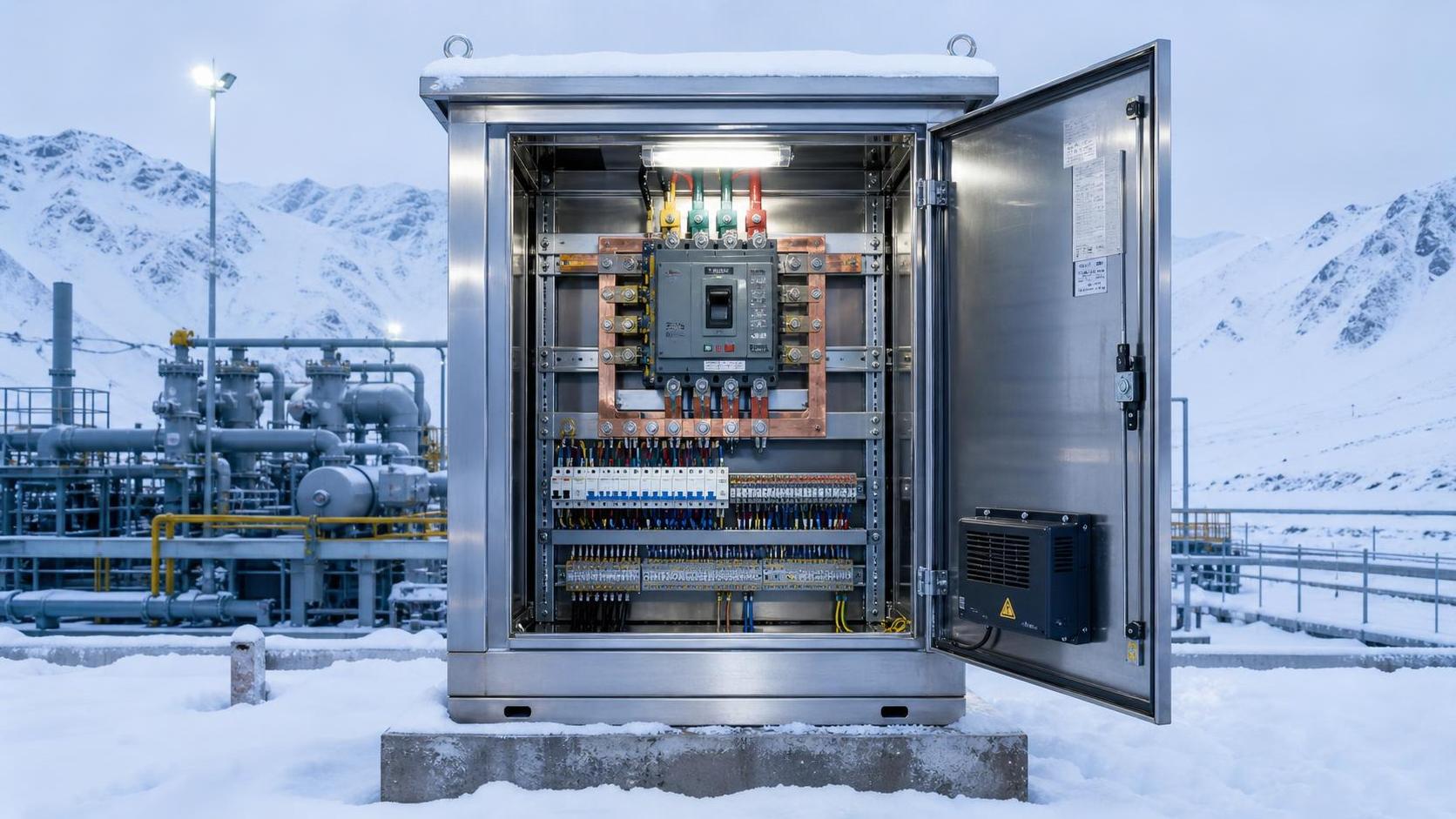
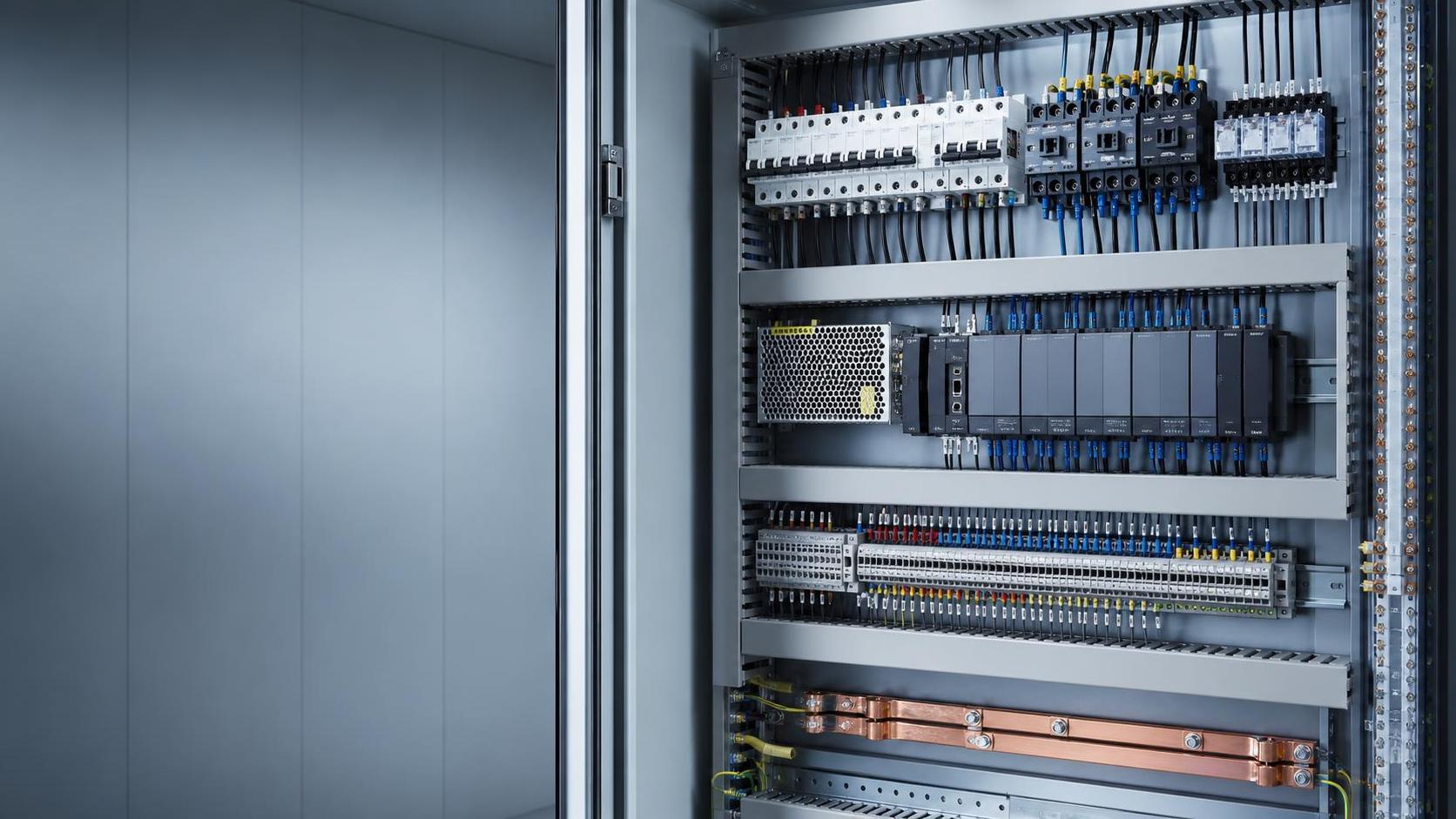
DIN EN 62271-1:2026 Enforced: HV Switchgear Must Pass –40°C Mechanical Life Test
Author
Date Published
Reading Time
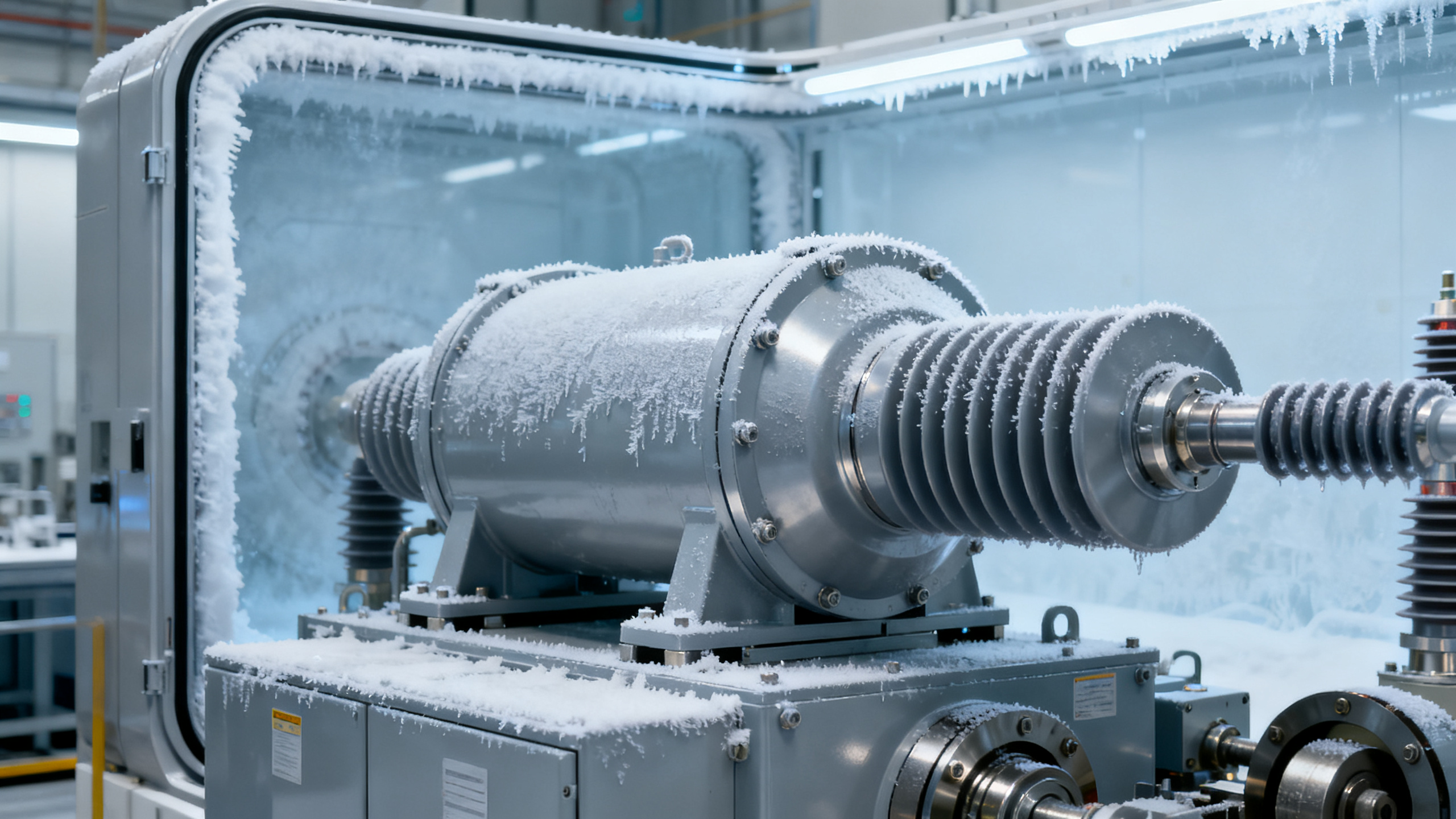
On May 11, 2026, the German Institute for Standardization (DIN) formally enforced DIN EN 62271-1:2026, mandating that all high-voltage switchgear placed on the German market must demonstrate mechanical operational endurance of at least 5,000 cycles at –40°C. This update directly affects manufacturers and exporters—particularly those in China—supplying circuit breakers, disconnectors, and GIS components to EU public grid projects. The requirement is now a prerequisite for CE marking and market access in Germany and broader EU infrastructure procurement.
Event Overview
The German Institute for Standardization (DIN) officially enforced DIN EN 62271-1:2026 on May 11, 2026. Under this version, high-voltage switchgear intended for use in Germany must undergo and pass a mechanical life test conducted at –40°C, with a minimum of 5,000 operating cycles. Compliance is mandatory for CE marking and inclusion in German and EU public utility grid supply chains. No transitional period or grandfathering provisions have been publicly announced.
Industries Affected by Segment
Direct Exporters to the EU
Export-oriented manufacturers—especially those based in China supplying HV switchgear to German utilities or EU grid contractors—are directly impacted because product certification under the new standard is now a legal gatekeeping requirement. Non-compliant units cannot receive CE marking and will be excluded from tender eligibility for public grid infrastructure projects in Germany and other EU member states recognizing DIN EN 62271-1:2026 as harmonized.
Component and Subassembly Suppliers
Suppliers of critical subcomponents—including operating mechanisms, insulating enclosures, and low-temperature-rated lubricants—face revised performance expectations. Since the –40°C mechanical life test evaluates full assembly functionality, material and design choices made upstream must align with the extended cold-cycle stress profile. Suppliers may need to revise technical documentation and test reports to support downstream conformity assessments.
OEMs and System Integrators
OEMs assembling GIS, AIS, or hybrid substations must revalidate entire switching assemblies—not just individual parts—under the new thermal-mechanical protocol. This implies updated type-test protocols, potential redesign of cold-sensitive linkages or seals, and recalibration of quality control checkpoints during final assembly and factory acceptance testing (FAT).
Conformity Assessment & Certification Bodies
Certification bodies accredited under EU Regulation (EU) 2019/1020 must update their scope of accreditation and testing capabilities to include –40°C mechanical endurance verification per DIN EN 62271-1:2026. Laboratories lacking cryogenic cycling infrastructure or validated low-temperature measurement traceability may face capacity constraints or require third-party collaboration to issue compliant certificates.
Key Focus Areas and Practical Response Measures
Monitor official updates from DIN and EU NANDO
While DIN EN 62271-1:2026 is now enforced, its status as a harmonized standard under the EU Low Voltage Directive (2014/35/EU) and relevant conformity assessment modules remains subject to confirmation in the EU’s NANDO database. Companies should verify listing status and any pending amendments via the European Commission’s NANDO portal and DIN’s official announcements.
Prioritize validation for high-volume or grid-critical product lines
Given limited cryogenic test capacity and extended lead times for type testing, manufacturers should identify which product families are most frequently deployed in northern EU countries (e.g., Germany, Sweden, Finland) or specified in upcoming public tenders. Focused retesting of these priority items enables faster compliance alignment without full portfolio revalidation.
Distinguish between regulatory enforcement and commercial implementation timelines
Although the standard is legally effective as of May 11, 2026, procurement contracts signed prior to that date may still reference earlier editions (e.g., DIN EN 62271-1:2017). Buyers and suppliers should review contract terms, delivery schedules, and applicable technical specifications to assess whether legacy compliance remains acceptable for specific orders.
Review and update cold-environment test protocols across R&D and QA functions
Manufacturers should audit internal test procedures to ensure alignment with Clause 6.105 (Mechanical Endurance at Low Temperature) of DIN EN 62271-1:2026—including ambient conditioning duration, temperature tolerance bands, cycle definition (open/close), and pass/fail criteria. Internal labs should also confirm calibration validity of thermocouples, position sensors, and actuation force meters used in –40°C environments.
Editorial Observation / Industry Perspective
Observably, this update signals a tightening of environmental resilience requirements within EU high-voltage equipment regulation—not merely a procedural revision. Analysis shows the –40°C threshold reflects increasing emphasis on climate-adaptive grid infrastructure, particularly for regions experiencing more frequent extreme cold events. From an industry perspective, the mandate is less about immediate market exclusion and more about accelerating long-term design maturity for low-temperature reliability. It is currently better understood as a structural signal than an abrupt disruption: while enforcement is active, widespread certificate issuance and supply chain adaptation are still unfolding, making ongoing monitoring essential.
Conclusion: DIN EN 62271-1:2026 represents a formalized escalation in environmental performance expectations for HV switchgear entering the German and EU grid markets. Its significance lies not only in technical compliance but in the broader shift toward climate-resilient certification benchmarks. At present, it is more appropriately interpreted as a phased operational benchmark—requiring targeted validation, cross-functional alignment, and sustained attention to official guidance—rather than an all-or-nothing barrier.
Source: German Institute for Standardization (DIN); Official publication of DIN EN 62271-1:2026; Public notice dated May 11, 2026. Note: Harmonization status under EU legislation remains under observation via the NANDO database and has not yet been confirmed in official EU Commission notices.
Technical Specifications
- Air Handling Unit Supplier Checklist: Performance Data, Lead Times, and SupportAuthor :Environmental Engineering Director
- Buying Fiberglass Water Tanks Wholesale: Compare Quotes and Delivery CostsAuthor :Environmental Engineering Director
- Choosing an XLPE Power Cable Supplier: Test Reports, Traceability, and Lead TimesAuthor :Grid Infrastructure Analyst
Expert Insights

Chief Security Architect
Dr. Thorne specializes in the intersection of structural engineering and digital resilience. He has advised three G7 governments on industrial infrastructure security.
Related Analysis
- Oct 19, 2026Air Handling Unit Supplier Checklist: Performance Data, Lead Times, and SupportAuthor :Environmental Engineering Director
- Oct 18, 2026Buying Fiberglass Water Tanks Wholesale: Compare Quotes and Delivery CostsAuthor :Environmental Engineering Director
- Oct 17, 2026Choosing an XLPE Power Cable Supplier: Test Reports, Traceability, and Lead TimesAuthor :Grid Infrastructure Analyst
Core Sector // 01
Security & Safety
- Choosing a Step-Down Transformer Supplier: Test Reports, Lead Times, and WarrantyAuthor :Grid Infrastructure Analyst

- Metallurgy Processes That Improve Conductivity and Reliability in Power Grid ComponentsAuthor :Grid Infrastructure Analyst

- How to Size a UPS for Server Rooms: Load, Runtime, and Redundancy FactorsAuthor :Grid Infrastructure Analyst

- How to Choose a Step-Down Transformer for a Control Panel: Key Sizing FactorsAuthor :Grid Infrastructure Analyst

- How Often Should Overseas Power Systems Undergo Safety Inspections?Author :Grid Infrastructure Analyst

- How to Choose Panels for Extreme-Cold Industrial Sites?Author :Grid Infrastructure Analyst

- What Should a Cross-Border EPC Equipment Procurement Reference Include?Author :Grid Infrastructure Analyst

- How to Compare Low-Voltage Equipment for Panel IntegrationAuthor :Grid Infrastructure Analyst