DIN EN 62271-1:2026 Enforces -40°C Mechanical Life Testing for HV Switchgear
Author
Date Published
Reading Time
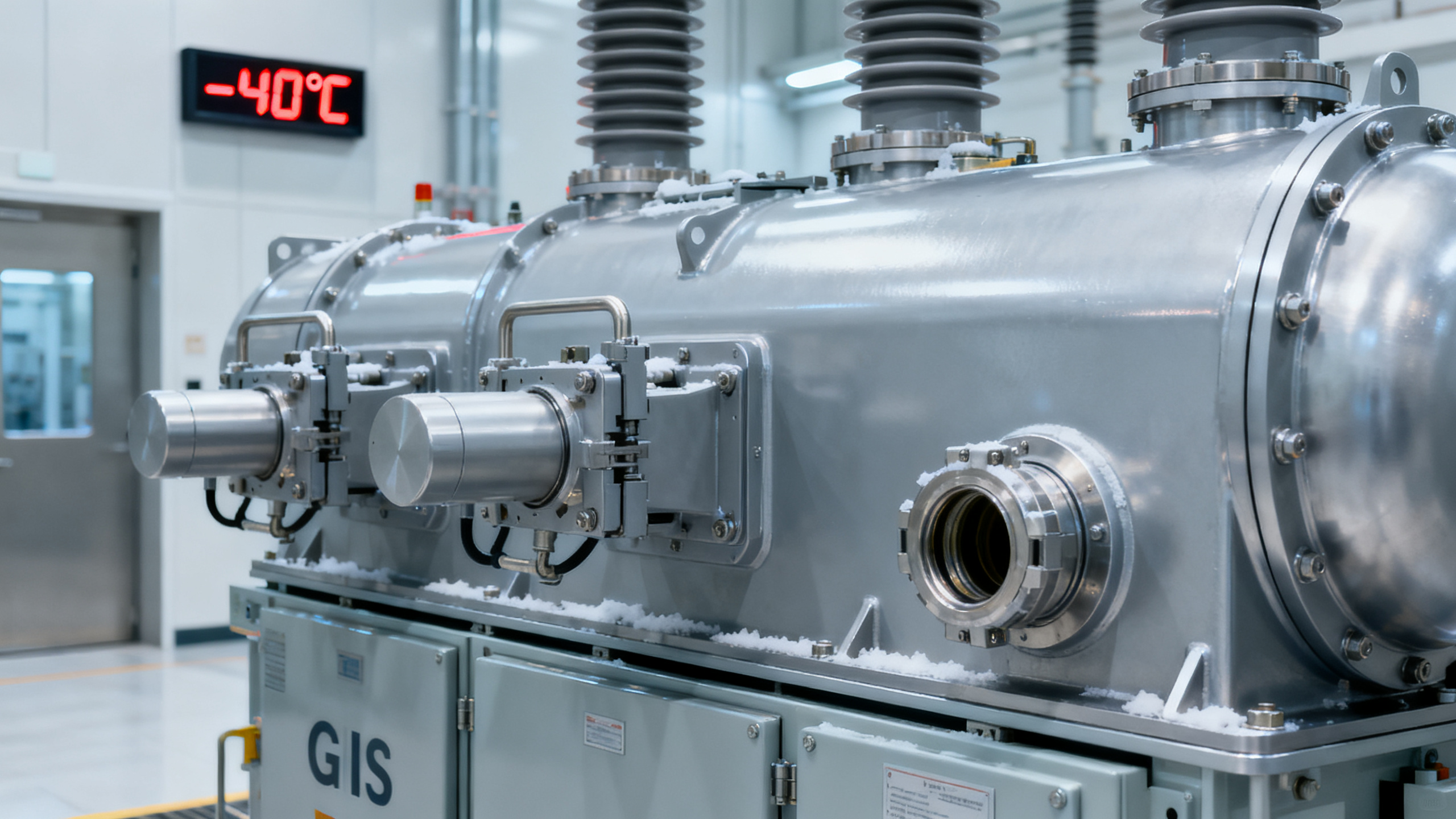
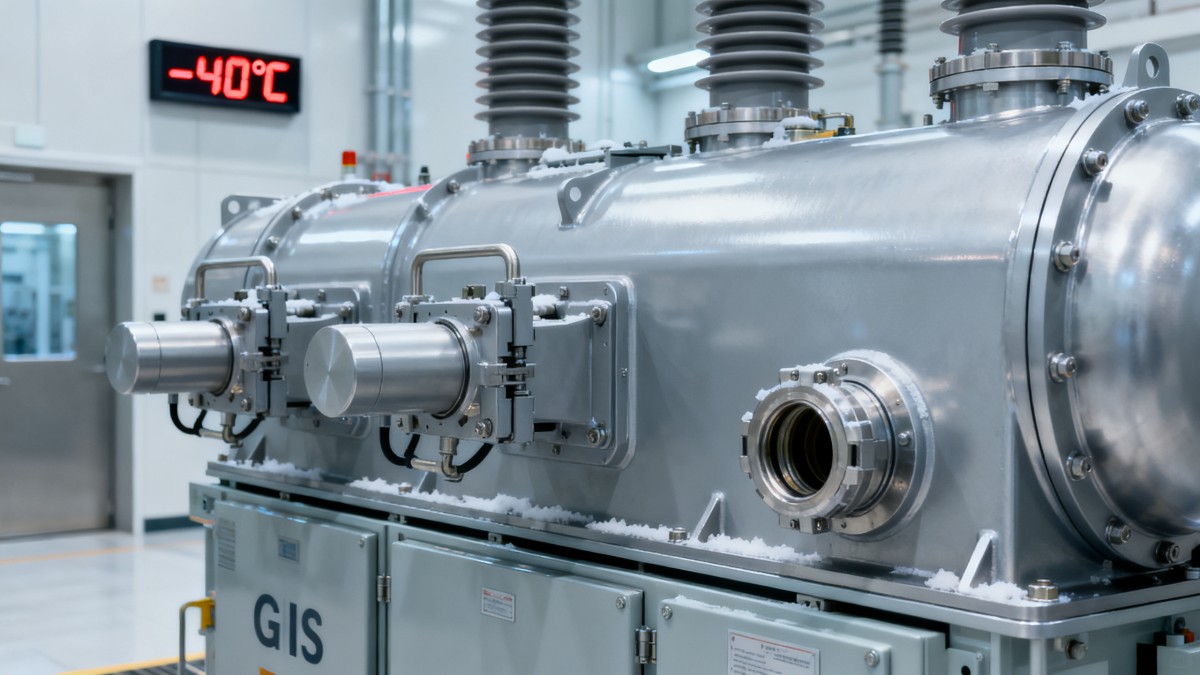
On 10 May 2026, the German Institute for Standardization (DIN) officially published DIN EN 62271-1:2026, introducing a mandatory requirement for all high-voltage switchgear exported to Germany—including gas-insulated switchgear (GIS) and air-insulated switchgear (AIS)—to pass 10,000 mechanical operations at −40 °C, supported by third-party low-temperature test reports. This update directly affects manufacturers, exporters, and certification bodies engaged in the transformers and switchgears sector serving the German market.
Event Overview
The German Institute for Standardization (DIN) released DIN EN 62271-1:2026 on 10 May 2026. The revised standard adds a compulsory clause requiring mechanical operation endurance testing at −40 °C for 10,000 cycles for all high-voltage switchgear intended for the German market. The requirement is now included in TÜV Rheinland’s latest type approval checklist for transformers and switchgears. No further implementation timeline or transitional provisions have been publicly announced beyond the publication date.
Impact on Specific Industry Segments
Direct Exporters to Germany
Exporters of high-voltage switchgear face extended lead times and higher compliance costs due to the new mandatory low-temperature validation. Certification delays may arise if existing product designs lack verified performance data at −40 °C, and retesting or design adaptation could push delivery schedules beyond current contractual commitments.
Manufacturers of HV Switchgear (GIS/AIS)
Manufacturers must now integrate −40 °C mechanical life validation into their type testing protocols. This affects design validation cycles, material selection (e.g., lubricants, elastomers, actuator mechanisms), and documentation workflows. Products previously certified under earlier editions of EN 62271-1 may require re-evaluation for German market access.
Certification and Testing Service Providers
Laboratories and notified bodies accredited for EN 62271-1 testing must confirm capability to perform extended-cycle mechanical operation tests at −40 °C—including environmental chamber stability, sensor calibration, and reporting alignment with DIN EN 62271-1:2026 requirements. TÜV Rheinland’s inclusion of this item signals broader adoption across EU-accredited conformity assessment bodies.
Supply Chain and Component Suppliers
Suppliers of critical subcomponents—such as operating mechanisms, insulating materials, sealing systems, and low-temperature-rated sensors—may experience increased technical inquiry volume and tighter specification alignment requests from OEMs. Material datasheets and qualification evidence supporting −40 °C mechanical endurance will become prerequisite inputs for component approval.
What Relevant Enterprises or Practitioners Should Focus On Now
Monitor official interpretations and transitional arrangements
While DIN EN 62271-1:2026 entered force upon publication, no grace period or phased enforcement has been confirmed. Enterprises should track updates from DIN, the European Committee for Electrotechnical Standardization (CENELEC), and national market surveillance authorities for potential clarification on grandfathering or staggered application.
Review product portfolios targeted at the German market
Identify GIS and AIS models currently under active quotation, production, or pending certification for Germany. Prioritize those lacking −40 °C mechanical life data for gap analysis—especially where operating mechanisms, drive trains, or sealing systems were not originally qualified below −25 °C.
Distinguish between certification signal and operational readiness
TÜV Rheinland’s inclusion in its type approval checklist indicates immediate applicability for new applications; however, existing certificates issued under prior editions are not automatically invalidated unless challenged during market surveillance. Companies should assess whether renewal, extension, or new submission triggers the updated requirement.
Prepare for extended test cycles and documentation upgrades
−40 °C mechanical life testing requires stable environmental conditions over extended durations (typically several weeks per test series). Allocate additional time for scheduling, chamber availability, and report generation. Ensure technical files include traceable test plans, raw data logs, and failure mode analysis aligned with Clause 6.104 of DIN EN 62271-1:2026.
Editorial Perspective / Industry Observation
Observably, DIN EN 62271-1:2026 reflects an increasing emphasis on climate-resilient infrastructure performance in northern European markets—not merely as a safety enhancement but as a de facto market access gate. Analysis shows this requirement goes beyond typical ambient temperature ranges defined in IEC 62271-1:2017, signaling a shift toward extreme-condition validation as standard practice for critical power equipment. From an industry perspective, it functions less as an isolated regulatory update and more as an early indicator of tightening climatic robustness expectations across EU high-voltage standards. Current monitoring should focus on whether similar amendments appear in upcoming revisions of EN 50180 (for distribution switchgear) or national annexes of EN 62271-200.
It is more accurate to interpret this update as an operational signal than a fully implemented outcome: while the standard is effective, widespread enforcement depends on certification body uptake, importer due diligence, and post-market surveillance activity—which remains variable across EU member states.
Conclusion
DIN EN 62271-1:2026 marks a concrete step toward harmonizing climatic resilience with regulatory compliance for high-voltage switchgear entering Germany. Its significance lies not only in the technical demand for −40 °C mechanical endurance but also in its role as a precedent for future regional adaptations of international standards. At present, it is best understood as a binding requirement for new certifications targeting Germany, with implications cascading across design, testing, supply chain, and export logistics—rather than a retroactive mandate affecting all historically placed products.
Information Sources
- German Institute for Standardization (DIN) – Official publication notice for DIN EN 62271-1:2026, dated 10 May 2026
- TÜV Rheinland – Updated Type Approval Checklist for Transformers & Switchgears (Q2 2026 edition)
Note: Transitional provisions, equivalence assessments for legacy certifications, and potential alignment with other EU national standards remain subject to ongoing observation and are not yet confirmed.
Technical Specifications
- Air Handling Unit Supplier Checklist: Performance Data, Lead Times, and SupportAuthor :Environmental Engineering Director
- Buying Fiberglass Water Tanks Wholesale: Compare Quotes and Delivery CostsAuthor :Environmental Engineering Director
- Choosing an XLPE Power Cable Supplier: Test Reports, Traceability, and Lead TimesAuthor :Grid Infrastructure Analyst
Expert Insights

Chief Security Architect
Dr. Thorne specializes in the intersection of structural engineering and digital resilience. He has advised three G7 governments on industrial infrastructure security.
Related Analysis
- Oct 19, 2026Air Handling Unit Supplier Checklist: Performance Data, Lead Times, and SupportAuthor :Environmental Engineering Director
- Oct 18, 2026Buying Fiberglass Water Tanks Wholesale: Compare Quotes and Delivery CostsAuthor :Environmental Engineering Director
- Oct 17, 2026Choosing an XLPE Power Cable Supplier: Test Reports, Traceability, and Lead TimesAuthor :Grid Infrastructure Analyst
Core Sector // 01
Security & Safety
- Choosing a Step-Down Transformer Supplier: Test Reports, Lead Times, and WarrantyAuthor :Grid Infrastructure Analyst

- Metallurgy Processes That Improve Conductivity and Reliability in Power Grid ComponentsAuthor :Grid Infrastructure Analyst

- How to Size a UPS for Server Rooms: Load, Runtime, and Redundancy FactorsAuthor :Grid Infrastructure Analyst

- How to Choose a Step-Down Transformer for a Control Panel: Key Sizing FactorsAuthor :Grid Infrastructure Analyst

- How Often Should Overseas Power Systems Undergo Safety Inspections?Author :Grid Infrastructure Analyst

- How to Choose Panels for Extreme-Cold Industrial Sites?Author :Grid Infrastructure Analyst

- What Should a Cross-Border EPC Equipment Procurement Reference Include?Author :Grid Infrastructure Analyst

- How to Compare Low-Voltage Equipment for Panel IntegrationAuthor :Grid Infrastructure Analyst