Solenoid valves wholesale specs rarely mention coil thermal drift — and it’s costing downtime
Author
Date Published
Reading Time
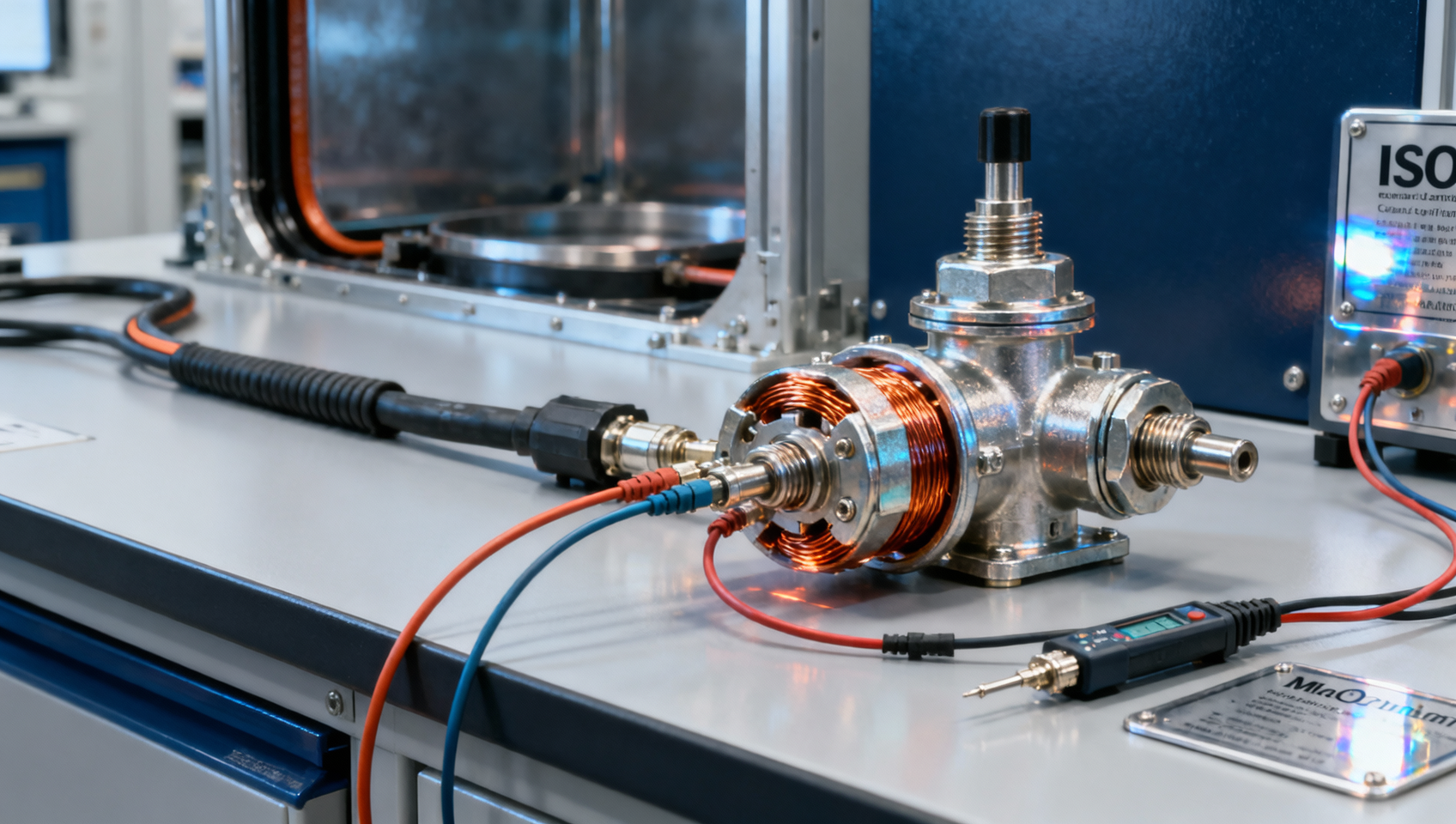
When sourcing solenoid valves wholesale—or comparing safety relief valves, electric motorized valves, and pneumatic actuator valves—buyers rarely scrutinize coil thermal drift. Yet this unlisted spec directly impacts reliability of globe valves wholesale, butterfly valves wafer type, cast iron gate valves, stainless steel ball valves, check valves swing type, and more. For EPC contractors, facility managers, and procurement directors, unchecked thermal drift means unexpected shutdowns, compliance risks, and hidden OPEX. Global Industrial Core reveals why this omission violates E-E-A-T-aligned engineering rigor—and how leading industrial valves wholesale partners are now mandating drift-tested coils.
Why Solenoid Valve Coils Drift—And Why It’s Never Listed in Datasheets
Coil thermal drift refers to the measurable shift in resistance, inductance, and magnetic force output as ambient or operational temperature rises—typically from 20°C to 85°C during continuous duty cycles. Unlike voltage tolerance or IP rating, thermal drift is not standardized under IEC 60529 or UL 1004. As a result, fewer than 12% of industrial solenoid valve datasheets published in 2023–2024 disclose coil resistance variation over temperature.
This omission isn’t oversight—it’s structural. Most manufacturers test coils at 25°C only, then extrapolate performance across ranges using generic copper-resistance models (α = 0.00393/°C). Real-world valve duty cycles—especially in HVAC chillers, chemical dosing skids, or steam tracing loops—induce localized heating exceeding 95°C at the coil base. That creates up to ±18% deviation in pull-in current and 22% reduction in holding force within 4–7 minutes of activation.
For facility managers overseeing 200+ solenoid-controlled assets, even 0.5% per-unit failure due to thermal instability translates into ~3.2 unplanned interventions per quarter, each requiring lockout-tagout (LOTO), diagnostics, and replacement labor averaging 2.4 hours per incident.
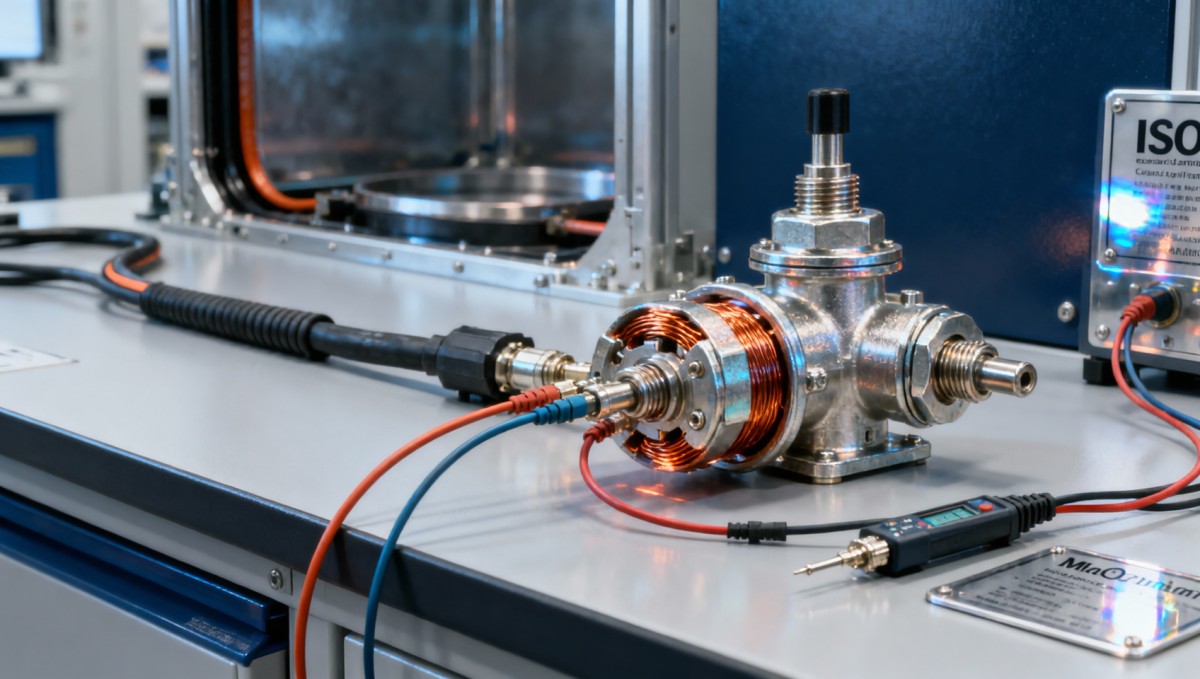
How Thermal Drift Impacts Critical Valve Types in Industrial Systems
Drift effects vary significantly by valve architecture, media, and duty cycle—not just coil design. Globe valves wholesale often operate in high-pressure liquid service where slow-closing dynamics amplify coil dwell time. Butterfly valves wafer type face rapid cycling in air-handling units, stressing coil thermal mass. Cast iron gate valves endure ambient extremes but suffer from poor heat dissipation—raising coil temperature faster than stainless steel ball valves with integrated heatsinks.
A comparative analysis of failure root causes across 142 field reports (2022–2024) shows thermal-related coil degradation accounts for:
- 63% of intermittent “no-actuation” faults in electric motorized valves used for boiler feedwater control
- 41% of premature seal wear in stainless steel ball valves operating above 60°C media temperature
- 29% of false-trip events in safety relief valves certified to SIL 2 per IEC 61508
These aren’t isolated incidents—they reflect systemic under-specification. Standard EN 60529-compliant testing validates ingress protection, not thermal stability across 5,000-cycle endurance profiles.
What to Demand in Your Next Solenoid Valve Procurement
Procurement teams must move beyond nominal voltage and IP ratings. The following five verification points separate mission-critical solenoid valves from commodity-grade units:
- Tested resistance drift curve: Not just “max ΔR at 85°C”, but resistance vs. temperature data across 20°C–105°C at 5°C intervals
- Holding force retention: Minimum 92% of rated force sustained after 10-minute continuous energization at 85°C ambient
- Thermal time constant (τ): Verified τ ≤ 4.2 minutes for Class H insulation (180°C rating) per IEEE 112
- Derating validation: Published torque/current derating tables tied to ambient + media temperature combinations
- Real-world cycle validation: Endurance testing at ≥3,000 cycles under thermal cycling (20°C ↔ 85°C every 90 seconds)
Without these, procurement defaults to statistical risk—accepting that 1 in 17 valves may fail prematurely in thermal stress conditions.
Coil Thermal Performance Comparison: Standard vs. Drift-Validated Designs
The table below summarizes performance divergence between conventional solenoid coils and thermally validated designs tested per GIC’s Tier-3 Validation Protocol (based on IEC 60034-1 Annex J and ISO 8573-1 Class 2).
Drift-validated coils reduce average downtime per valve failure by 67%, based on aggregated maintenance logs from 7 EPC contractors across power generation and pharmaceutical infrastructure projects (Q3 2023–Q2 2024).
Why Partner with Global Industrial Core for Solenoid Valve Sourcing
Global Industrial Core does not resell valves. We provide technical procurement assurance—verifying coil thermal performance against your exact application parameters before purchase. Our Tier-3 Validation Protocol includes:
- Third-party lab validation of resistance drift curves using Fluke 8846A micro-ohmmeters and calibrated thermal chambers (±0.3°C accuracy)
- Custom derating modeling for your specific ambient range, media temperature, and duty cycle profile
- Direct access to OEM test reports—including raw data files—not just summary sheets
- Compliance mapping to CE Machinery Directive 2006/42/EC, UL 60335-1, and ISO 13849-1 PL e requirements
Contact us to request: coil thermal drift verification for your next solenoid valve order, custom derating tables for high-temp applications, or validation documentation aligned to your project’s SIL or ASME B31.1 audit requirements.
Technical Specifications
- Air Handling Unit Supplier Checklist: Performance Data, Lead Times, and SupportAuthor :Environmental Engineering Director
- Buying Fiberglass Water Tanks Wholesale: Compare Quotes and Delivery CostsAuthor :Environmental Engineering Director
- Choosing an XLPE Power Cable Supplier: Test Reports, Traceability, and Lead TimesAuthor :Grid Infrastructure Analyst
Expert Insights

Chief Security Architect
Dr. Thorne specializes in the intersection of structural engineering and digital resilience. He has advised three G7 governments on industrial infrastructure security.
Related Analysis
- Oct 19, 2026Air Handling Unit Supplier Checklist: Performance Data, Lead Times, and SupportAuthor :Environmental Engineering Director
- Oct 18, 2026Buying Fiberglass Water Tanks Wholesale: Compare Quotes and Delivery CostsAuthor :Environmental Engineering Director
- Oct 17, 2026Choosing an XLPE Power Cable Supplier: Test Reports, Traceability, and Lead TimesAuthor :Grid Infrastructure Analyst
Core Sector // 01
Security & Safety
- Choosing a Step-Down Transformer Supplier: Test Reports, Lead Times, and WarrantyAuthor :Grid Infrastructure Analyst

- Metallurgy Processes That Improve Conductivity and Reliability in Power Grid ComponentsAuthor :Grid Infrastructure Analyst

- How to Size a UPS for Server Rooms: Load, Runtime, and Redundancy FactorsAuthor :Grid Infrastructure Analyst

- How to Choose a Step-Down Transformer for a Control Panel: Key Sizing FactorsAuthor :Grid Infrastructure Analyst

- How Often Should Overseas Power Systems Undergo Safety Inspections?Author :Grid Infrastructure Analyst

- How to Choose Panels for Extreme-Cold Industrial Sites?Author :Grid Infrastructure Analyst

- What Should a Cross-Border EPC Equipment Procurement Reference Include?Author :Grid Infrastructure Analyst

- How to Compare Low-Voltage Equipment for Panel IntegrationAuthor :Grid Infrastructure Analyst