How to compare a fair Electrical & Power quotation
Author
Date Published
Reading Time
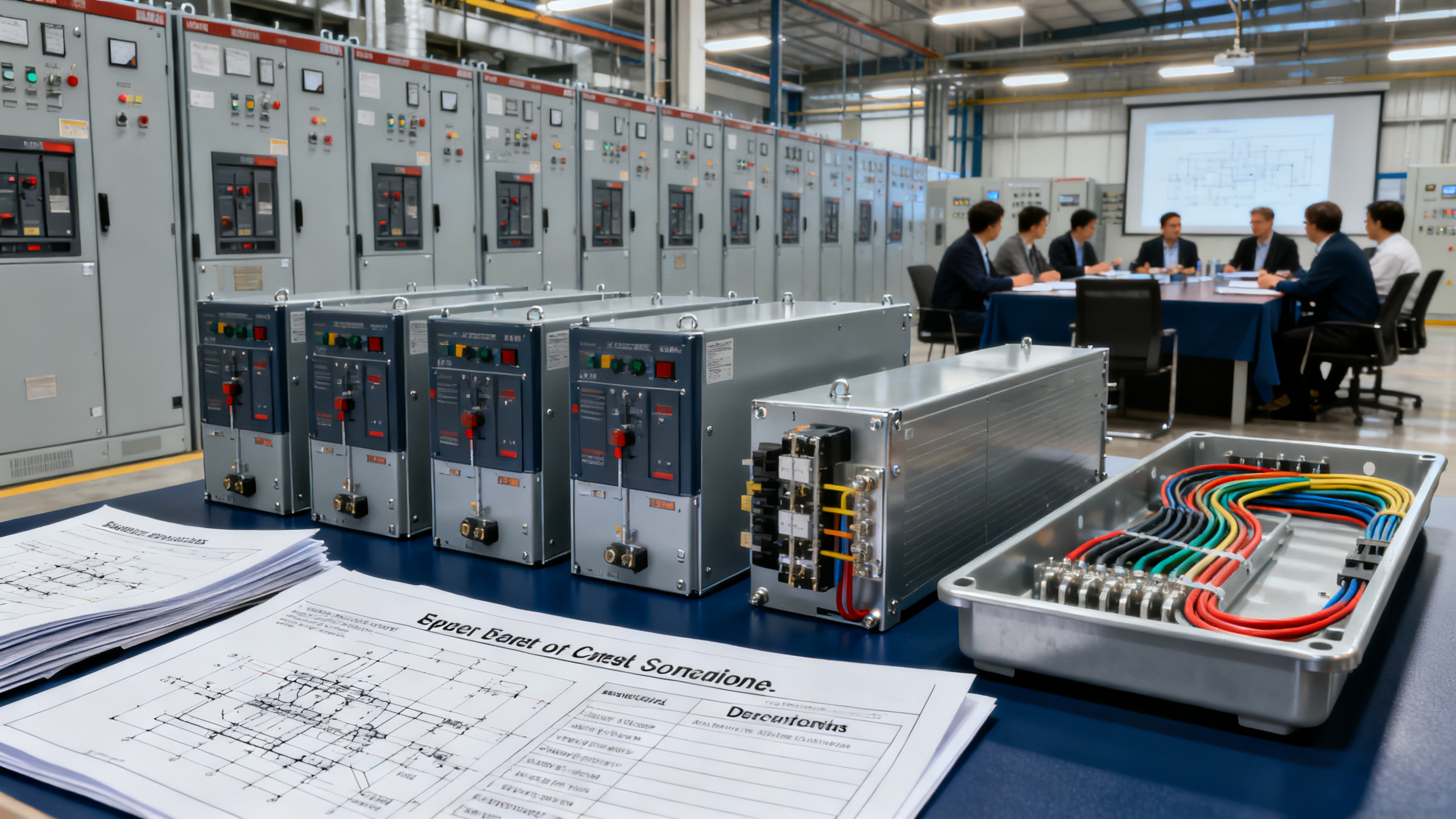
A fair Electrical & Power quotation is more than a price sheet—it reflects technical scope, compliance, risk allocation, and long-term operating value. For project managers and engineering leads, knowing how to compare quotations accurately can prevent budget overruns, specification gaps, and supplier disputes. This guide outlines the key factors to review so you can make confident, cost-effective procurement decisions.
What makes an Electrical & Power quotation fair in industrial projects?
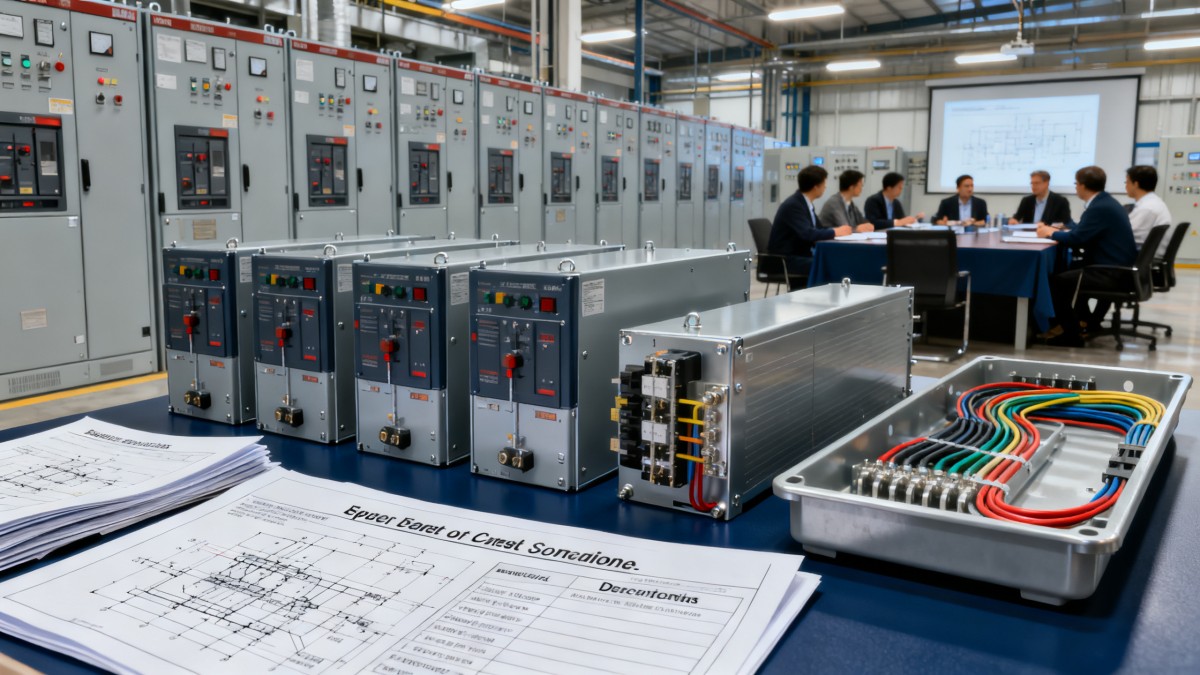
In industrial procurement, fairness is not the same as low price. A fair Electrical & Power quotation aligns with the actual project scope, the required standards, the site environment, and the supplier’s delivery responsibilities.
For project managers, the real challenge is that two quotations can look similar on total value while hiding major differences in cable grade, protection level, testing, documentation, or commissioning support.
This matters even more in EPC, plant expansion, utility upgrades, and heavy industrial retrofits, where errors in power distribution, switchgear coordination, or control integration can delay the whole construction sequence.
A fair quotation usually includes these scope elements
- Clear bill of materials, including ratings, materials, quantities, and manufacturer or approved equivalent references.
- Defined engineering scope such as panel design, cable sizing, protection coordination, and shop drawing preparation.
- Compliance details covering applicable standards like IEC, UL, CE, ISO-related quality procedures, or project-specific client requirements.
- Testing and inspection terms, including FAT, routine tests, calibration certificates, and document submission format.
- Commercial boundaries such as Incoterms, packing, logistics, site support, warranty period, and payment milestones.
If one bidder excludes engineering review, startup support, or certification paperwork, the quotation may look attractive at first but become expensive once change orders begin.
How should project teams compare Electrical & Power quotation line by line?
A structured comparison avoids emotional buying and helps teams justify procurement decisions internally. The best approach is to normalize all bids against one technical and commercial comparison sheet.
The table below shows the core dimensions that should be reviewed when comparing an Electrical & Power quotation for industrial applications.
This comparison method is especially useful when one supplier is strong on price, another on compliance, and a third on delivery speed. Without a normalized matrix, the team may compare totals instead of actual value.
A practical review sequence
- Check whether each bidder quoted the same revision of drawings, load list, and datasheets.
- Identify exclusions, assumptions, and optional items before discussing unit price differences.
- Review critical ratings and standards, especially for switchgear, transformers, protection devices, and hazardous-area items.
- Evaluate schedule impact, including manufacturing, inspection, shipping, customs, and site mobilization.
- Estimate total cost of ownership, not only purchase cost.
Which technical details most often distort an Electrical & Power quotation?
Many quotation disputes start with technical assumptions that were never made explicit. In Electrical & Power procurement, a small wording gap can lead to major cost variation.
Project leaders should pay close attention to the technical parameters below because they directly affect safety, manufacturability, and final installed cost.
Key parameters to verify before approving a quotation
The next table highlights specification items that should be reviewed before treating an Electrical & Power quotation as commercially comparable.
If these items are incomplete, the quotation cannot be judged fairly. The supplier may have priced a different duty level, a different environmental condition, or a lower verification threshold.
Why environment changes the quoted value
An indoor utility room and a coastal wastewater site do not require the same materials. Ambient temperature, altitude, humidity, dust loading, corrosive gases, and maintenance access can all shift the quotation materially.
Global Industrial Core often emphasizes this point in sourcing reviews: quotations should be tested against the actual operating environment, not only against a generic datasheet.
How do compliance, standards, and documentation affect quotation fairness?
A quotation that excludes the cost of compliance is not truly competitive. For industrial buyers, documentation quality can be as important as hardware quality, especially when owner approval, third-party inspection, or insurance review is involved.
In cross-border sourcing, teams should confirm whether the Electrical & Power quotation addresses the applicable framework, such as IEC-based design, UL listing expectations, CE-related declarations, or site-specific test dossiers.
Compliance items worth checking
- Applicable product and installation standards are referenced, not assumed.
- Material traceability, calibration records, and inspection plans are available where relevant.
- The document list includes drawings, wiring diagrams, manuals, spare parts lists, and test reports.
- Hazardous-area or high-risk applications are covered by the correct approval pathway when required.
A missing certificate may delay customs clearance. A missing test record may delay site energization. A missing wiring diagram may slow commissioning. Each omission translates into project cost.
What commercial terms should project managers compare beyond price?
The best Electrical & Power quotation is commercially balanced. A low number with weak delivery terms can expose the project to liquidated damages, field rework, or emergency spot buying.
The table below helps teams compare commercial details that frequently alter the real value of a bid.
Commercial comparison becomes even more important when schedules are tight. A bidder with a slightly higher price but better documentation turnaround and packing discipline may protect the project timeline better than the cheapest offer.
Common commercial traps
- Lead time starts only after drawing approval, but approval cycles were not discussed.
- Freight, insurance, duties, or inland transport are excluded without clear notice.
- Warranty excludes improper storage, but no storage conditions were defined for the site.
- Optional testing or commissioning is quoted separately and later becomes mandatory.
How can GIC support better quotation evaluation and sourcing decisions?
For project managers handling multiple disciplines, quotation review is often compressed into short approval windows. Global Industrial Core helps by bringing together sourcing logic, technical scrutiny, and practical industrial context.
Instead of treating an Electrical & Power quotation as a standalone price event, GIC frames it within system reliability, compliance burden, field conditions, and supply-chain execution risk.
Where this is especially valuable
- EPC bids where multiple vendors submit technically uneven proposals under tight deadlines.
- Plant upgrades where legacy systems create interface issues not visible in standard quotations.
- Cross-border procurement where local standards, approval expectations, and logistics exposure differ.
- High-consequence facilities where downtime, safety risk, or environmental noncompliance raises the cost of a wrong decision.
That combination of market intelligence and engineering-grounded review is often what separates a workable quotation from a costly procurement surprise.
FAQ: what do buyers often ask about an Electrical & Power quotation?
How do I know whether two quotations are truly comparable?
Start by checking revision status, scope boundaries, standards, ratings, and exclusions. If the bidders did not use the same assumptions for testing, enclosure level, cable route, or documentation, the totals are not directly comparable.
Should the lowest Electrical & Power quotation ever be accepted?
It can be accepted if it meets the full technical and commercial requirement without hidden gaps. The issue is not low price itself. The issue is low price created by missing compliance, weaker materials, or shifted risk.
What is the most overlooked part of quotation review?
Documentation and interfaces. Many teams focus on equipment rating but overlook drawings, test records, startup support, and connection responsibilities. Those omissions often appear during FAT, installation, or commissioning.
How much detail should I request before placing an order?
Enough to freeze the commercial and technical baseline. That usually includes datasheets, bill of materials, standards list, GA drawings where relevant, inspection scope, lead time logic, and all exclusions. A purchase order should not be the first place where assumptions become visible.
Why choose us for Electrical & Power quotation review and sourcing support?
Global Industrial Core supports industrial buyers who need more than a simple price comparison. We help translate technical complexity into procurement clarity, especially when your team must balance safety, budget, schedule, and long-term operating reliability.
You can engage with GIC for practical support on quotation benchmarking, parameter confirmation, supplier comparison, certification review, delivery lead time assessment, alternative material evaluation, and scope-gap identification before award.
If you are reviewing an Electrical & Power quotation for a new build, retrofit, utility package, or plant expansion, contact us with your datasheets, drawings, target budget, and schedule constraints. We can help you clarify technical scope, compare supplier offers, assess compliance exposure, and structure more confident quotation discussions.
Technical Specifications
- How to Select Electronic Hotel Key Card Locks for Guest Rooms and Staff AreasAuthor :Safety Compliance Lead
- How to Select Lab Instruments for Reliable Chemical Analysis WorkflowsAuthor :Precision Metrology Expert
- How to Size a UPS for Server Rooms: Load, Runtime, and Redundancy FactorsAuthor :Grid Infrastructure Analyst
Expert Insights

Chief Security Architect
Dr. Thorne specializes in the intersection of structural engineering and digital resilience. He has advised three G7 governments on industrial infrastructure security.
Related Analysis
- Sep 17, 2026How to Select Electronic Hotel Key Card Locks for Guest Rooms and Staff AreasAuthor :Safety Compliance Lead
- Sep 16, 2026How to Select Lab Instruments for Reliable Chemical Analysis WorkflowsAuthor :Precision Metrology Expert
- Sep 15, 2026How to Size a UPS for Server Rooms: Load, Runtime, and Redundancy FactorsAuthor :Grid Infrastructure Analyst
Core Sector // 01
Security & Safety
- How to Size a UPS for Server Rooms: Load, Runtime, and Redundancy FactorsAuthor :Grid Infrastructure Analyst

- How to Choose a Step-Down Transformer for a Control Panel: Key Sizing FactorsAuthor :Grid Infrastructure Analyst

- How Often Should Overseas Power Systems Undergo Safety Inspections?Author :Grid Infrastructure Analyst

- How to Choose Panels for Extreme-Cold Industrial Sites?Author :Grid Infrastructure Analyst

- What Should a Cross-Border EPC Equipment Procurement Reference Include?Author :Grid Infrastructure Analyst

- How to Compare Low-Voltage Equipment for Panel IntegrationAuthor :Grid Infrastructure Analyst

- IEC-Compliant Power Infrastructure: Key Design and Verification RequirementsAuthor :Grid Infrastructure Analyst

- Updated EN 61000-6-4:2026 Raises EMC Compliance Bar for EU-Bound Industrial EquipmentAuthor :Grid Infrastructure Analyst