IEC 61850-10:2026 Mandates AI-Based Diagnostics for Substation Equipment
Author
Date Published
Reading Time
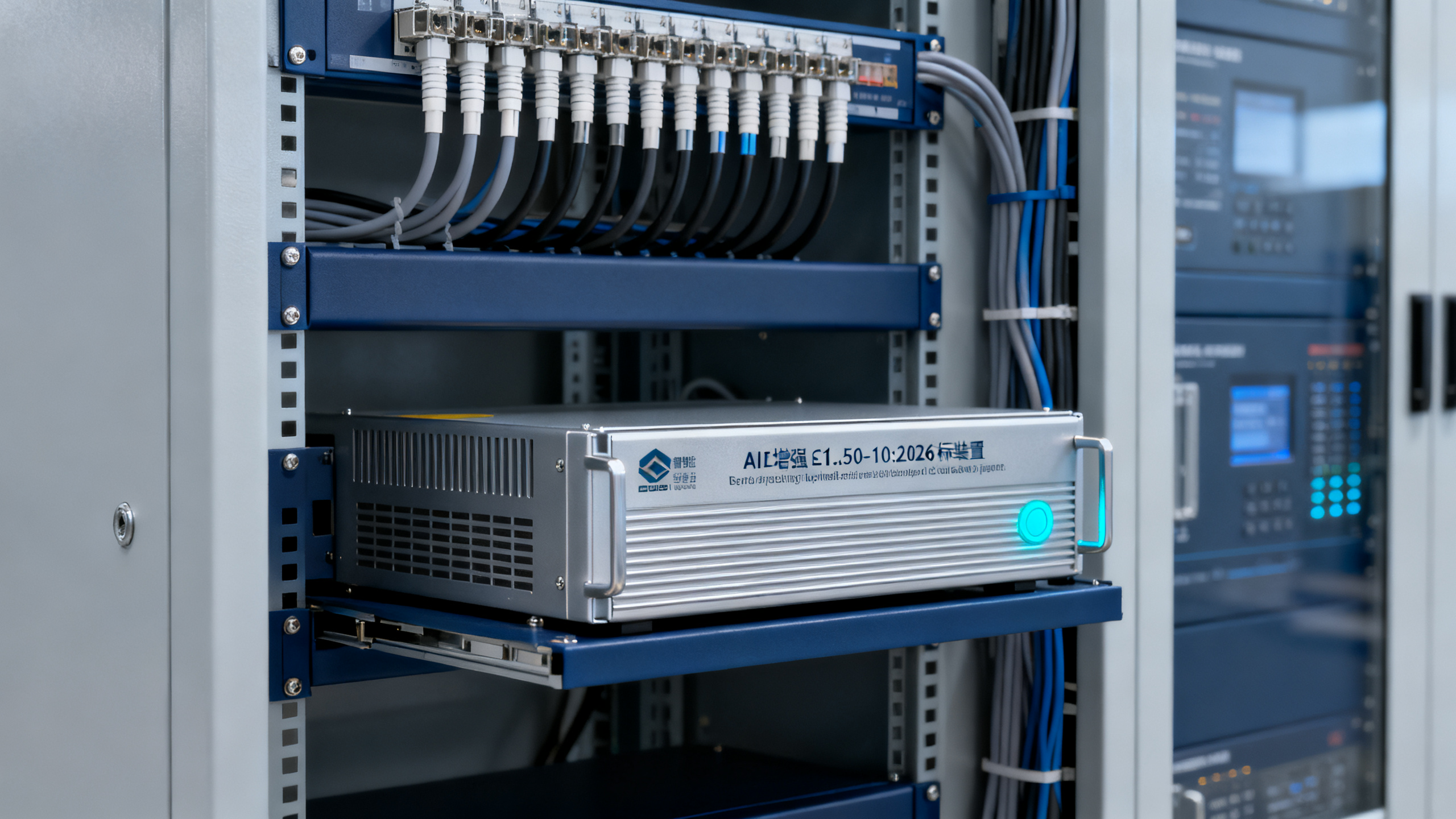
On May 15, 2026, the International Electrotechnical Commission (IEC) officially published IEC 61850-10:2026 — a revision that introduces mandatory AI-driven fault diagnosis and self-healing interaction capabilities for newly certified substation communication and control devices. The standard takes immediate effect and directly impacts global supply chains for power infrastructure, particularly in export markets where compliance is tied to market access, including the EU, Middle East, and Latin America.
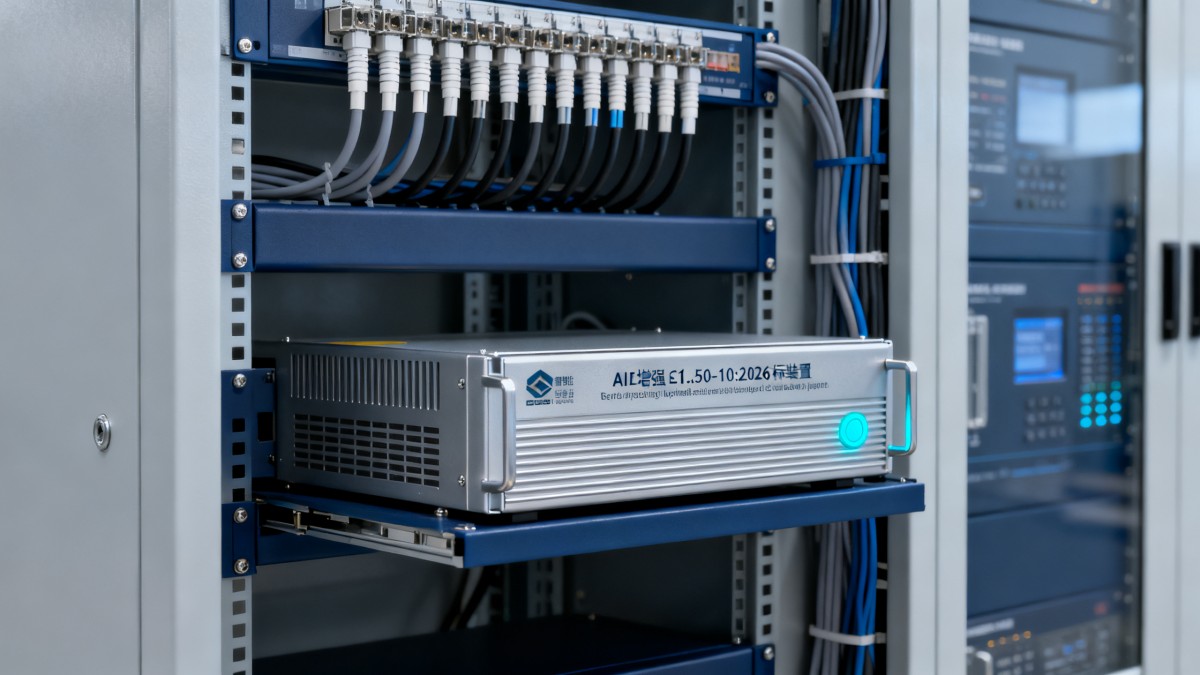
Event Overview
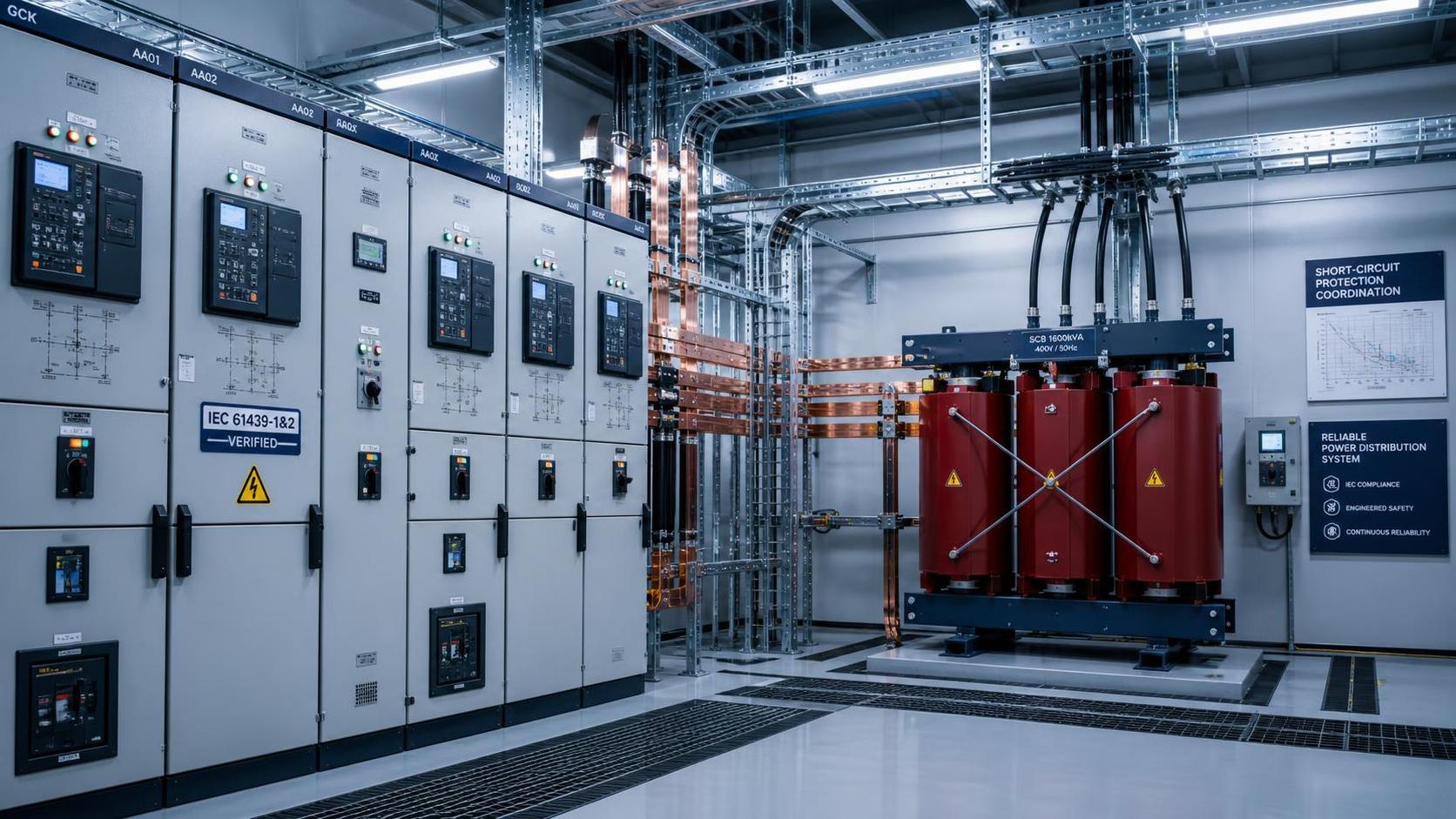
The International Electrotechnical Commission (IEC) released IEC 61850-10:2026 on May 15, 2026. It specifies that all new certifications for substation equipment — including transformers, switchgear, and protective relays — must demonstrate interoperable, standards-based AI diagnostic functionality. Compliance is now a prerequisite for import conformity assessments by procurement authorities in key overseas markets. Chinese manufacturers are required to complete firmware upgrades and third-party verification of AI diagnostic capability by Q3 2026; failure to do so may delay market entry in targeted regions.
Industries Affected
Direct trading enterprises: These exporters face immediate commercial risk. Buyers in the EU, GCC, and Mercosur countries are expected to enforce clause-by-clause technical review during tender evaluation and customs clearance. Non-compliant shipments may be rejected or subjected to extended conformity testing, increasing lead times and administrative cost.
Raw material procurement enterprises: While not directly certifying devices, firms sourcing AI-accelerator chips (e.g., edge inference SoCs), high-precision current/voltage sensors, or time-synchronized Ethernet PHYs must now prioritize suppliers with traceable compliance documentation (e.g., ISO/IEC 17025 test reports). Shifts in component spec sheets — such as latency thresholds under
Manufacturing enterprises: Original Equipment Manufacturers (OEMs) and contract manufacturers must revise firmware architecture to support IEC 61850-10’s defined service models (e.g., GOOSE-based diagnostic event reporting, SV-streamed waveform analytics). This requires integration of lightweight ML inference engines (e.g., TensorFlow Lite Micro or ONNX Runtime Tiny) into legacy RTOS environments — a non-trivial effort requiring cross-functional validation across protection, automation, and cybersecurity teams.
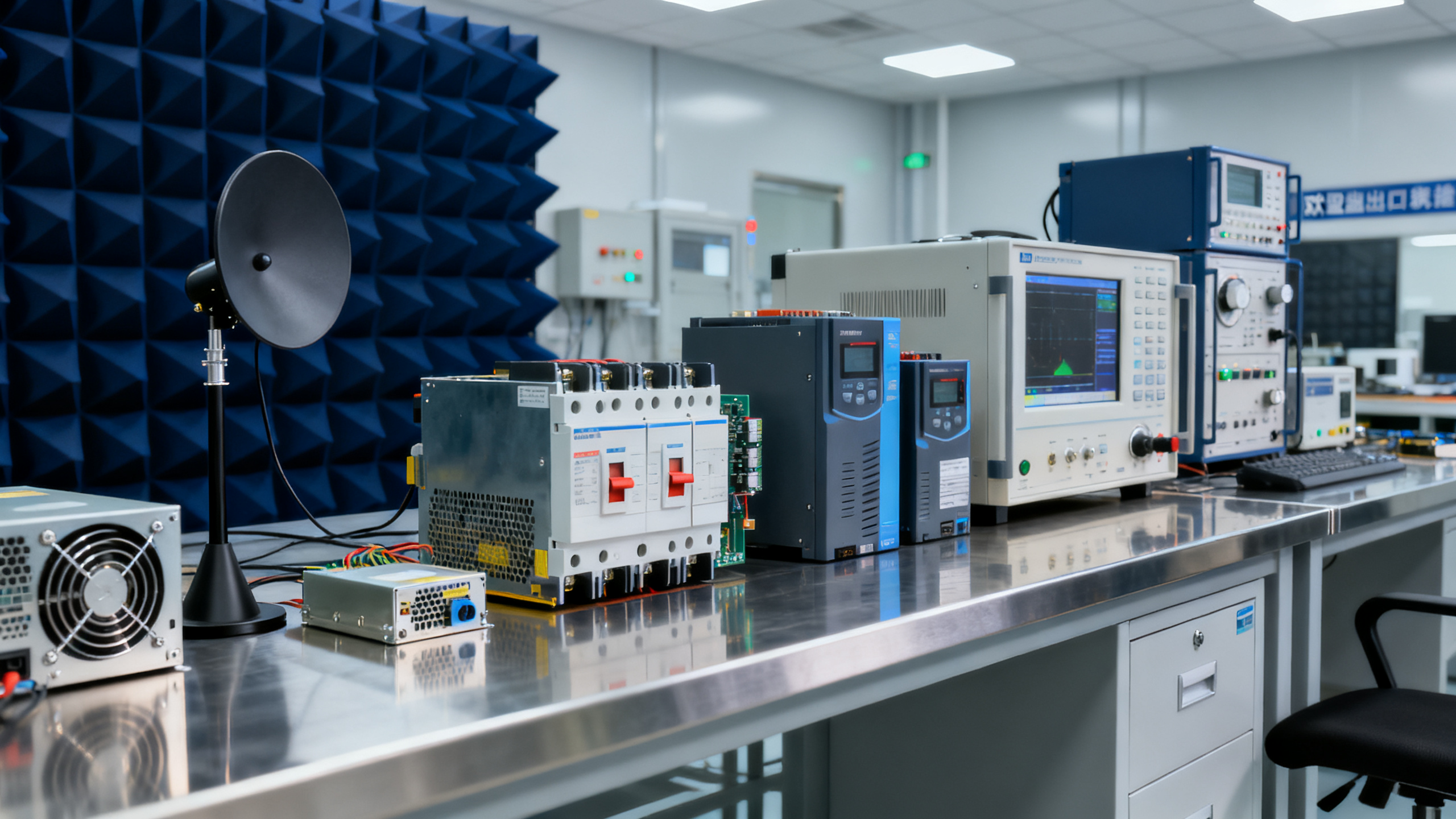
Supply chain service enterprises: Certification bodies, test labs, and technical documentation providers report rising demand for IEC 61850-10-specific test protocols — especially for ‘diagnostic confidence scoring’ and ‘self-healing action logging’. Third-party verification cycles are projected to lengthen by 2–4 weeks due to newly mandated scenario-based functional testing (e.g., simulated partial discharge + AI-triggered isolation sequence).
Key Focus Areas and Recommended Actions
Verify firmware readiness against Annex D test cases
Manufacturers should map existing firmware versions to the 12 diagnostic interaction test cases specified in Annex D of IEC 61850-10:2026. Priority should be given to GOOSE message structure compliance and timestamp synchronization accuracy (±1 µs) — both frequently flagged in preliminary lab audits.
Engage accredited labs early for AI capability validation
Only laboratories accredited to ISO/IEC 17025:2017 *and* listed under IEC’s Conformity Assessment Body (CAB) registry for IEC 61850-10 are authorized to issue valid compliance statements. Pre-assessment gap analysis is advised before formal submission.
Update technical documentation per Clause 7.3
Product manuals, SCD (Substation Configuration Description) templates, and diagnostic log schemas must explicitly declare supported AI functions (e.g., ‘Transformer winding hot-spot prediction’, ‘Breaker contact wear estimation’) — generic references to ‘smart diagnostics’ no longer satisfy regulatory expectations.
Editorial Perspective / Industry Observation
Analysis shows this is not merely an incremental update but a structural shift: IEC 61850-10:2026 effectively redefines ‘interoperability’ to include algorithmic behavior — moving beyond data exchange toward coordinated intelligent action. Observably, the standard avoids prescribing specific AI models, yet its conformance requirements implicitly favor modular, explainable architectures over black-box deep learning. From an industry perspective, this lowers barriers for vendors using rule-based or hybrid diagnostic engines — but raises integration complexity for those relying on cloud-dependent inference pipelines. Current more noteworthy is the absence of transitional provisions: unlike prior IEC revisions, no grandfathering applies to legacy device certifications issued after May 15, 2026.
Conclusion
This revision signals a maturing phase in digital substation evolution — where AI is no longer optional ‘value-add’ but foundational infrastructure. For global power equipment suppliers, timely alignment with IEC 61850-10:2026 represents both compliance necessity and strategic differentiation. A rational observation is that adoption velocity will diverge sharply between vertically integrated OEMs (with in-house AI and protection R&D) and tier-2 suppliers reliant on third-party firmware partners — a dynamic likely to reshape regional supplier hierarchies over the next 18 months.
Source Attribution
Official publication: IEC Webstore (IEC 61850-10:2026, ISBN 978-2-8322-XXXXX-X); effective date confirmed via IEC Press Release PR-2026-047. National deviations (e.g., CENELEC EN 61850-10:2026 adoption timeline) and interpretation guidance from major certification bodies (TÜV Rheinland, DEKRA, SGS) remain under active monitoring — updates expected by July 2026.
Technical Specifications
- How to Select Electronic Hotel Key Card Locks for Guest Rooms and Staff AreasAuthor :Safety Compliance Lead
- How to Select Lab Instruments for Reliable Chemical Analysis WorkflowsAuthor :Precision Metrology Expert
- How to Size a UPS for Server Rooms: Load, Runtime, and Redundancy FactorsAuthor :Grid Infrastructure Analyst
Expert Insights

Chief Security Architect
Dr. Thorne specializes in the intersection of structural engineering and digital resilience. He has advised three G7 governments on industrial infrastructure security.
Related Analysis
- Sep 17, 2026How to Select Electronic Hotel Key Card Locks for Guest Rooms and Staff AreasAuthor :Safety Compliance Lead
- Sep 16, 2026How to Select Lab Instruments for Reliable Chemical Analysis WorkflowsAuthor :Precision Metrology Expert
- Sep 15, 2026How to Size a UPS for Server Rooms: Load, Runtime, and Redundancy FactorsAuthor :Grid Infrastructure Analyst
Core Sector // 01
Security & Safety
- How to Size a UPS for Server Rooms: Load, Runtime, and Redundancy FactorsAuthor :Grid Infrastructure Analyst

- How to Choose a Step-Down Transformer for a Control Panel: Key Sizing FactorsAuthor :Grid Infrastructure Analyst

- How Often Should Overseas Power Systems Undergo Safety Inspections?Author :Grid Infrastructure Analyst

- How to Choose Panels for Extreme-Cold Industrial Sites?Author :Grid Infrastructure Analyst

- What Should a Cross-Border EPC Equipment Procurement Reference Include?Author :Grid Infrastructure Analyst

- How to Compare Low-Voltage Equipment for Panel IntegrationAuthor :Grid Infrastructure Analyst

- IEC-Compliant Power Infrastructure: Key Design and Verification RequirementsAuthor :Grid Infrastructure Analyst

- Updated EN 61000-6-4:2026 Raises EMC Compliance Bar for EU-Bound Industrial EquipmentAuthor :Grid Infrastructure Analyst