What affects an Electrical & Power quotation most?
Author
Date Published
Reading Time

An Electrical & Power quotation is shaped by far more than unit price alone. For project managers and engineering leads, final costs often depend on technical specifications, compliance requirements, material volatility, delivery schedules, and supplier capability. Understanding these key cost drivers helps reduce procurement risk, improve budget accuracy, and secure reliable solutions for complex industrial projects.
In industrial environments, a quotation for switchgear, transformers, cables, motor control systems, panels, or power distribution packages is rarely a simple price list. It is a commercial reflection of engineering scope, risk allocation, manufacturing complexity, logistics pressure, and long-term performance expectations.
For EPC contractors, plant owners, and procurement teams managing schedules measured in weeks rather than months, the difference between a workable quote and a misleadingly low one can affect commissioning dates, installation costs, and operational reliability for 10–20 years.
Core Factors That Shape an Electrical & Power Quotation
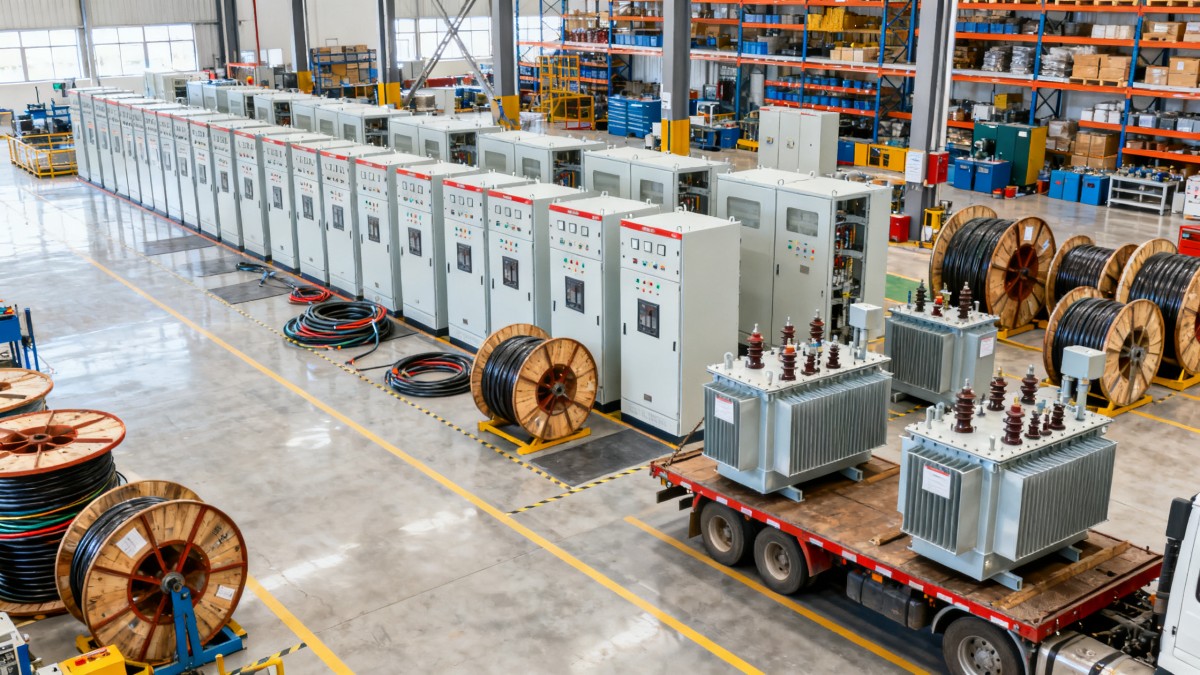
The most important cost drivers usually fall into 5 major categories: technical specifications, compliance and certification, raw material exposure, production and delivery requirements, and supplier engineering capability. Each category can shift the final Electrical & Power quotation by a meaningful margin.
Technical Scope and System Complexity
Voltage level is one of the first pricing triggers. A low-voltage panel rated at 400V carries a very different cost structure from medium-voltage assemblies in the 3.3kV–11kV range. Higher voltage designs often require upgraded insulation, clearance distances, protective relays, and more demanding factory testing.
Load profile also matters. A quotation for a continuous-duty industrial feeder serving pumps, compressors, and conveyors will differ from a standby or intermittent-duty system. If the project requires 24/7 operation, redundancy logic, or dual-source transfer, component selection becomes more stringent and more expensive.
Configuration Details That Commonly Raise Price
- Higher IP ratings such as IP54 or IP65 for dust, water, or corrosive environments
- Short-circuit withstand requirements such as 25kA, 35kA, or 50kA
- Busbar material choice, especially copper versus aluminum
- Integrated metering, PLC interfaces, SCADA compatibility, or remote monitoring
- Arc mitigation, compartment segregation, or internal fault containment
- Harmonic filtering, power factor correction, or surge protection packages
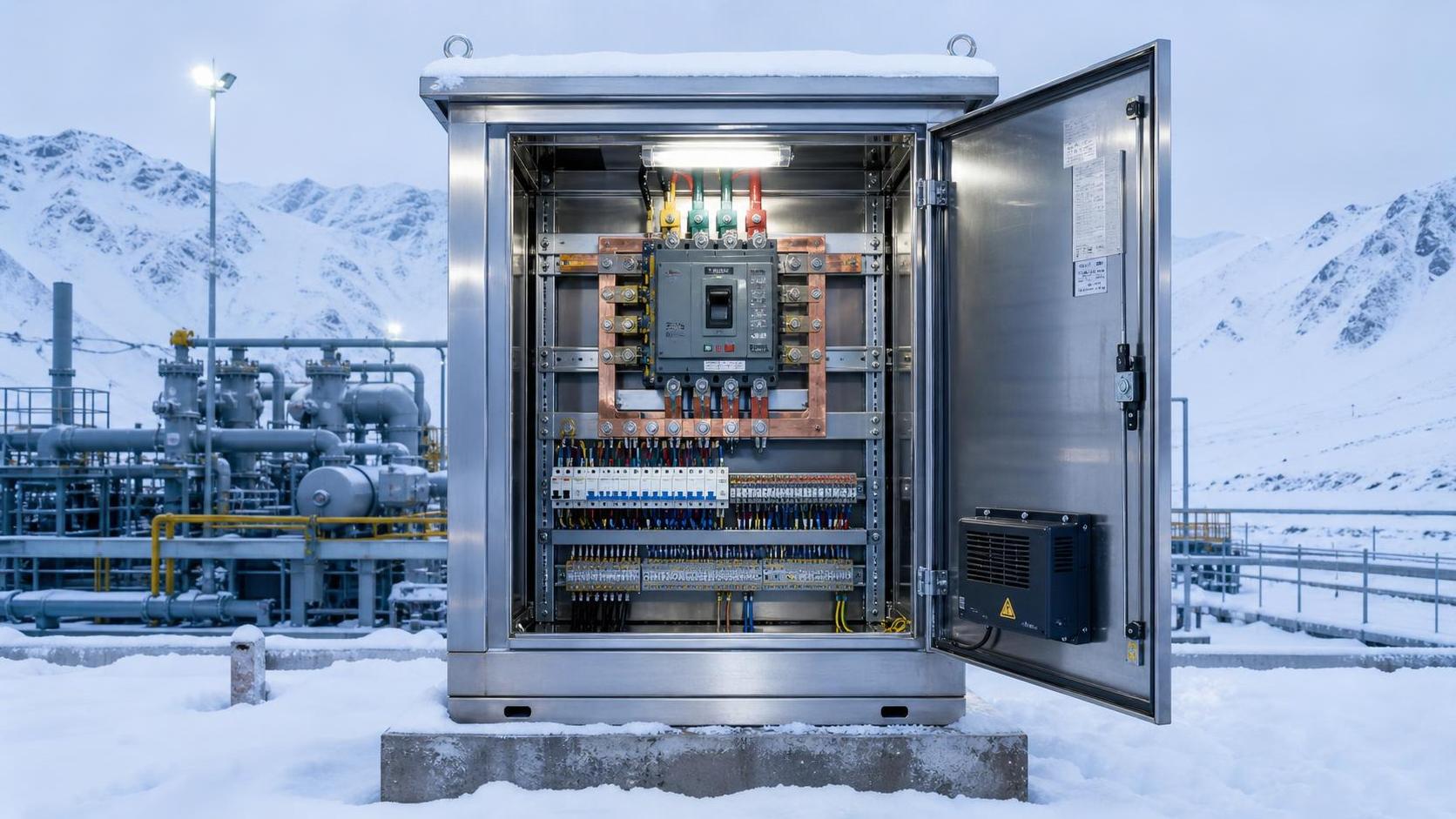
Even small specification changes can alter costs by 8%–20%. For example, moving from a standard indoor enclosure to a weather-resistant outdoor design may affect steel treatment, gasketing, ventilation, and coating systems. The quote rises not only because of materials, but because manufacturing steps increase.
Compliance, Testing, and Certification Requirements
Industrial buyers do not purchase electrical systems on appearance alone. Compliance requirements influence both price and supplier selection. A project asking for CE, UL, IEC alignment, ISO-based quality controls, or customer-witnessed FAT can add direct and indirect cost to the Electrical & Power quotation.
Testing scope is especially important. Routine testing is standard for many assemblies, but type tests, third-party inspections, heat-run verification, dielectric testing, and protection logic validation require additional engineering hours and coordination time. In many projects, documentation can represent 3%–8% of total package value.
The table below shows how common specification and compliance variables typically influence quotation outcomes in industrial power packages.
For project managers, the key lesson is clear: when comparing quotations, check whether compliance scope is truly equivalent. Two suppliers can appear 12% apart on price, while one includes witness testing, final documentation, and protection coordination support and the other does not.
Commercial and Supply Chain Variables Behind Price Movement
A technically correct quotation can still fluctuate because of market conditions. In electrical and power procurement, copper, aluminum, electrical steel, insulation materials, and electronic protection devices are all exposed to supply chain shifts. These changes can affect validity periods, escalation clauses, and delivery confidence.
Raw Material Volatility and Component Availability
Copper content alone can materially affect pricing in busbar systems, transformers, cable assemblies, and motor windings. When metal prices move within a 30-day or 60-day period, suppliers may shorten quotation validity or include conditional pricing. Buyers should pay close attention to whether the quote is fixed, indexed, or subject to reconfirmation.
Availability of breakers, relays, semiconductors, and control components is another major factor. If a project requires a specified brand with long lead times of 10–16 weeks, the Electrical & Power quotation may rise because the supplier must reserve stock, source alternatives, or split deliveries to protect the schedule.
Delivery Schedule, Packaging, and Logistics
Schedule compression almost always carries a price premium. A standard lead time for industrial panels or packaged distribution systems may be 4–8 weeks, while customized systems with testing and full documentation may require 8–14 weeks. If the project demands shipment in 2–3 weeks, overtime labor and expedited sourcing can increase costs noticeably.
Packaging is often underestimated. Export crating, moisture protection, anti-vibration support, and marked lifting arrangements are not cosmetic extras. For overseas EPC projects, poor packaging can trigger site damage, delayed installation, and warranty disputes. These preventive measures should be understood as risk-control costs, not avoidable overhead.
Commercial Questions Buyers Should Clarify Early
- How long is the quotation valid: 15 days, 30 days, or 90 days?
- Are copper or major components covered by a price adjustment clause?
- Is delivery based on EXW, FOB, CIF, or another commercial term?
- Does the lead time start from PO, drawing approval, or deposit receipt?
- Are FAT, installation guidance, and commissioning support included?
These details can change the practical value of a quotation more than a nominal price difference. A lower quote with vague logistics terms may create downstream claims that exceed the apparent savings.
The following table highlights common commercial variables that procurement teams should compare before awarding an electrical package.
The strongest quotations are not always the cheapest. They are the ones that define scope boundaries, risk assumptions, and logistics obligations with enough precision for a project team to forecast total installed cost accurately.
Supplier Capability and Engineering Depth
Supplier capability is often the hidden variable in an Electrical & Power quotation. Two companies may quote similar hardware, yet one has stronger design review, better documentation control, and deeper experience with industrial duty conditions. That difference affects execution quality, not just price.
Why Engineering Quality Influences Cost
A capable supplier typically spends more time on single-line diagram review, thermal checks, cable entry planning, protection coordination, and terminal scheduling. These steps may add front-end cost, but they reduce rework during installation and commissioning. For multi-panel projects, rework can consume 5%–10% of site electrical labor if design interfaces are weak.
Documentation quality also matters. Clear GA drawings, wiring diagrams, bill of materials, test sheets, and spare parts lists accelerate site acceptance. In cross-border projects, documentation delays of even 7–10 days can disrupt crane bookings, cable pulling, and energization windows.
Practical Supplier Evaluation Criteria
- Ability to review project data sheets and identify scope gaps before PO award
- Experience with industrial sectors such as utilities, process plants, mining, or manufacturing
- In-house testing capability for routine FAT and protection verification
- Responsiveness during drawing approval cycles, ideally within 24–72 hours
- Capacity to supply recommended spares for 1–2 years of operation
- Structured warranty and troubleshooting support after delivery
Project leaders should also examine whether the supplier is pricing for compliance and execution realism or merely pricing to win. A quote that excludes gland plates, labels, test reports, or interconnection accessories may appear competitive, but these omissions often surface later as variation costs.
Common Quotation Gaps That Create Budget Surprises
Typical problem areas include undefined cable sizes, unclear earthing scope, omitted surge protection, missing communication gateways, and unspecified coating systems for outdoor or coastal use. Each gap may look minor during bid review, yet together they can change the real project value by a double-digit percentage.
How Project Managers Can Control Quotation Risk
The best way to improve an Electrical & Power quotation is to improve the input quality. Suppliers price uncertainty conservatively. The more complete the technical package, the more accurate and comparable the quotations become.
Build a Better RFQ Package
A strong RFQ should include at least 6 essential elements: single-line diagram, load list, applicable standards, environmental conditions, installation layout constraints, and documentation requirements. Where relevant, also include short-circuit levels, preferred component brands, communication protocols, and FAT expectations.
If the site ambient temperature reaches 45°C–50°C, or if the equipment will operate in dusty, humid, or corrosive conditions, that must be stated early. Environmental assumptions affect enclosure design, derating, cooling, and material finish. Late disclosure almost always leads to revised quotations.
Compare Total Value, Not Only Initial Price
For mission-critical facilities, evaluate quotations across 4 dimensions: technical compliance, delivery certainty, lifecycle support, and commercial clarity. Initial price is only one layer. A lower upfront number can become more expensive if site integration takes longer, replacement parts are difficult to source, or warranty response is weak.
It is often useful to request a deviation list and quotation matrix. This allows the project team to see whether each supplier included the same ratings, test scope, accessories, and service obligations. In many tenders, formal bid equalization reveals that the lowest headline quote was not truly the lowest compliant offer.
A Simple 5-Step Review Method
- Confirm technical compliance line by line against the RFQ.
- Check lead time assumptions and material availability risks.
- Review exclusions, deviations, and document deliverables.
- Evaluate testing, warranty, and after-sales support scope.
- Assess total installed and operational cost, not unit price alone.
This process does not need to be complicated, but it must be disciplined. In industrial procurement, a quotation becomes reliable only when commercial and technical teams review it together.
Frequently Asked Questions from Industrial Buyers
Why do quotations vary so much between suppliers?
The variation usually comes from different assumptions about component brands, testing scope, enclosure rating, documentation, delivery terms, and excluded accessories. The greater the RFQ ambiguity, the wider the price spread tends to be.
Should buyers accept the longest quotation validity?
Not automatically. A 90-day validity may be useful, but buyers should confirm whether it includes protection against raw material changes or simply embeds a higher contingency. The better question is whether the quotation explains its commercial assumptions clearly.
When is a low quotation a warning sign?
It becomes a warning sign when key documentation, FAT, protection devices, site support, or environmental protections are missing. In high-duty industrial applications, under-scoped pricing often shifts cost and risk to the project team later.
An accurate Electrical & Power quotation is the result of aligned specifications, transparent commercial terms, realistic lead times, and proven supplier capability. For project managers and engineering leaders, the real objective is not just to obtain a lower number, but to secure a compliant, buildable, and supportable solution that protects schedule and performance.
Global Industrial Core supports industrial decision-makers with practical sourcing intelligence across electrical infrastructure, compliance, and procurement strategy. If you are comparing bids, refining RFQ scope, or seeking a more dependable supplier evaluation framework, contact us to get a tailored solution, discuss product details, or explore more industrial sourcing insights.
Technical Specifications
- How to Select Electronic Hotel Key Card Locks for Guest Rooms and Staff AreasAuthor :Safety Compliance Lead
- How to Select Lab Instruments for Reliable Chemical Analysis WorkflowsAuthor :Precision Metrology Expert
- How to Size a UPS for Server Rooms: Load, Runtime, and Redundancy FactorsAuthor :Grid Infrastructure Analyst
Expert Insights

Chief Security Architect
Dr. Thorne specializes in the intersection of structural engineering and digital resilience. He has advised three G7 governments on industrial infrastructure security.
Related Analysis
- Sep 17, 2026How to Select Electronic Hotel Key Card Locks for Guest Rooms and Staff AreasAuthor :Safety Compliance Lead
- Sep 16, 2026How to Select Lab Instruments for Reliable Chemical Analysis WorkflowsAuthor :Precision Metrology Expert
- Sep 15, 2026How to Size a UPS for Server Rooms: Load, Runtime, and Redundancy FactorsAuthor :Grid Infrastructure Analyst
Core Sector // 01
Security & Safety
- How to Size a UPS for Server Rooms: Load, Runtime, and Redundancy FactorsAuthor :Grid Infrastructure Analyst

- How to Choose a Step-Down Transformer for a Control Panel: Key Sizing FactorsAuthor :Grid Infrastructure Analyst

- How Often Should Overseas Power Systems Undergo Safety Inspections?Author :Grid Infrastructure Analyst

- How to Choose Panels for Extreme-Cold Industrial Sites?Author :Grid Infrastructure Analyst

- What Should a Cross-Border EPC Equipment Procurement Reference Include?Author :Grid Infrastructure Analyst

- How to Compare Low-Voltage Equipment for Panel IntegrationAuthor :Grid Infrastructure Analyst

- IEC-Compliant Power Infrastructure: Key Design and Verification RequirementsAuthor :Grid Infrastructure Analyst

- Updated EN 61000-6-4:2026 Raises EMC Compliance Bar for EU-Bound Industrial EquipmentAuthor :Grid Infrastructure Analyst