China Approves First Batch of 12 Coal Power Flexibility Renovation Projects for Large-Scale Wind-Solar Bases in Desert Areas, Boosting Peak Regulation Capacity by Over 24GW
Author
Date Published
Reading Time

China Approves First Batch of 12 Coal Power Flexibility Renovation Projects for Large-Scale Wind-Solar Bases in Desert Areas, Boosting Peak Regulation Capacity by Over 24GW
Introduction
On March 24, 2026, China's National Energy Administration (NEA) approved 12 coal power flexibility renovation projects in Inner Mongolia, Gansu, Ningxia, and other regions. These projects, with a total investment of approximately 18.6 billion yuan, aim to enhance peak regulation capacity by over 24GW to support high-proportion renewable energy integration. The initiative, led by state-owned enterprises like State Power Investment Corporation and China Huaneng Group, mandates completion by end-2026 with strict technical requirements. This development is particularly relevant for the renewable energy, coal power, and grid infrastructure sectors, as it signals accelerated energy transition efforts in China's desert-based wind-solar bases.
Event Overview
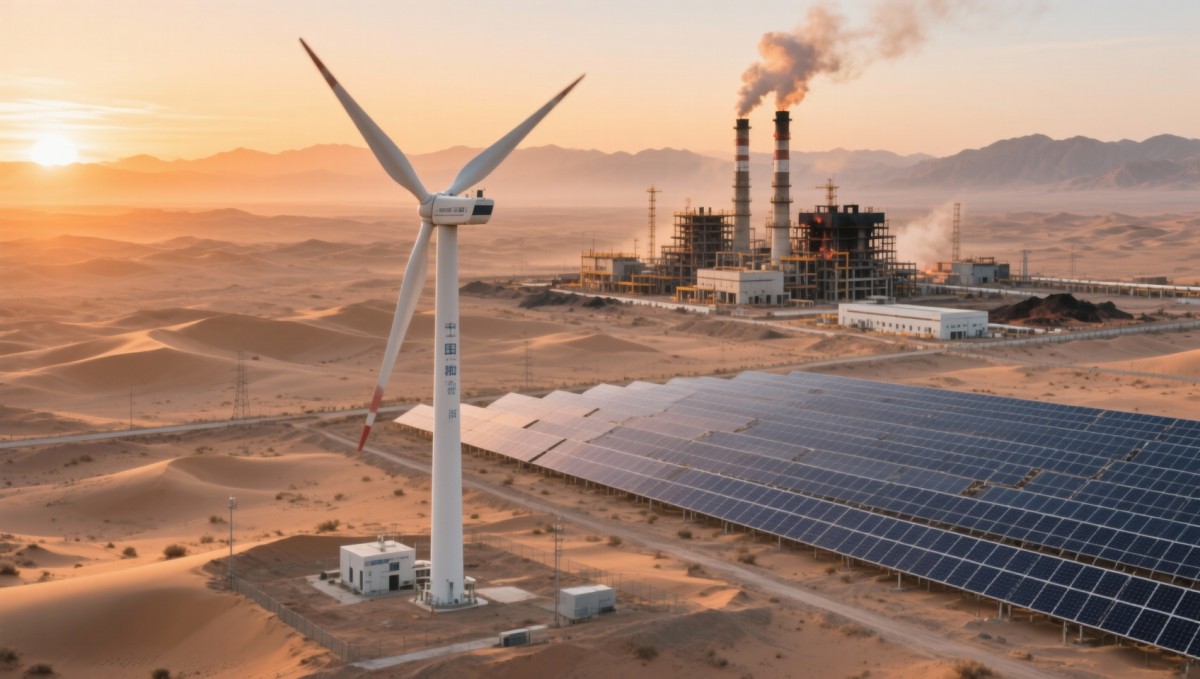
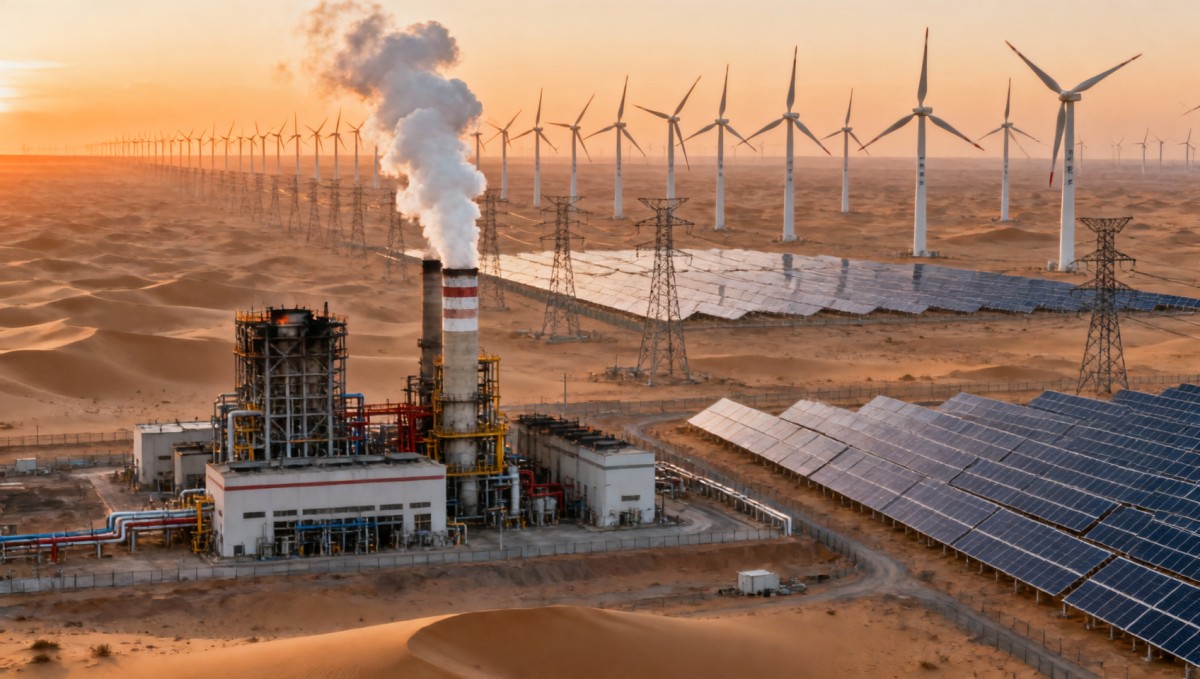
The NEA's announcement on March 24, 2026 confirmed approval for 12 coal-fired power unit deep peak regulation renovation projects. These projects are designed to achieve two key technical indicators: AGC response time ≤30 seconds and minimum stable combustion load ≤20% of rated output. Located primarily in northwest China's desert regions ('Sand-Gobi-Wasteland' areas), the projects form part of the infrastructure supporting large-scale wind and solar bases. State-owned enterprises including State Power Investment Corporation, China Huaneng Group, and others are responsible for implementation, with all projects required to be operational by December 2026.
Impact on Key Industries
Renewable Energy Sector
The flexibility upgrades will directly benefit wind and solar project developers in northwest China by improving grid absorption capacity. Analysis shows the 24GW additional regulation capacity could support about 48GW of new renewable installations, based on current regional renewable penetration rates.
Coal Power Industry
Coal-fired plants in these regions face both challenges and opportunities. While required to invest in flexibility retrofits, they gain new revenue streams through ancillary services. The 20% minimum load requirement sets a new industry benchmark that may become widespread.
Grid Infrastructure Providers
Equipment manufacturers for AGC systems, boiler modifications, and control systems will see immediate demand. The 30-second response time specification particularly benefits providers of advanced control technologies.
Energy Storage Companies
While coal flexibility projects may temporarily reduce demand for standalone storage in these regions, the overall system stability improvements could create hybrid opportunities for storage-plus-thermal solutions.
Key Focus Areas and Recommended Actions
Monitor Implementation Timelines
Companies should track the 2026 completion deadline and associated milestones. The compressed schedule suggests potential supply chain bottlenecks for critical components.
Evaluate Technology Partnerships
Equipment providers should prioritize collaborations with the designated SOEs, particularly for boiler modification and control system upgrades meeting the stringent 30-second response requirement.
Assess Ancillary Service Market Rules
Market participants need to study evolving compensation mechanisms for flexibility services in northwest China's electricity markets, which may set precedents for national policies.
Plan for Workforce Training
The complex operation of deeply flexible coal units requires specialized skills. Training programs for plant operators should be developed in parallel with hardware upgrades.
Editor's Perspective
From an industry viewpoint, this announcement represents more than individual project approvals—it establishes a technical and operational template for China's coal fleet transition. The mandated 20% minimum load level, previously considered challenging for many subcritical units, now becomes a baseline expectation. Observers should note this initiative complements rather than replaces energy storage, forming part of a diversified flexibility portfolio. The northwest region's experience may inform similar programs elsewhere in China, making these projects worth monitoring for their broader policy implications.
Conclusion
China's approval of these 12 flexibility renovation projects marks a pragmatic step in balancing energy transition goals with grid reliability requirements. While supporting renewable integration, the program also extends the operational life and economic viability of selected coal units through their transformation into grid flexibility assets. Industry participants should view this development as part of China's multidimensional approach to decarbonization, where conventional and renewable generation increasingly operate in complementary rather than competitive modes. The coming months will be critical for assessing implementation progress and deriving lessons for future initiatives.
Source Information
Primary source: National Energy Administration announcement dated March 24, 2026
Additional context: Project lists published by provincial energy bureaus in Inner Mongolia, Gansu, and Ningxia
Note: Specific technical performance data will require verification after project commissioning.
Technical Specifications
- Air Handling Unit Supplier Checklist: Performance Data, Lead Times, and SupportAuthor :Environmental Engineering Director
- Buying Fiberglass Water Tanks Wholesale: Compare Quotes and Delivery CostsAuthor :Environmental Engineering Director
- Choosing an XLPE Power Cable Supplier: Test Reports, Traceability, and Lead TimesAuthor :Grid Infrastructure Analyst
Expert Insights

Chief Security Architect
Dr. Thorne specializes in the intersection of structural engineering and digital resilience. He has advised three G7 governments on industrial infrastructure security.
Related Analysis
- Oct 19, 2026Air Handling Unit Supplier Checklist: Performance Data, Lead Times, and SupportAuthor :Environmental Engineering Director
- Oct 18, 2026Buying Fiberglass Water Tanks Wholesale: Compare Quotes and Delivery CostsAuthor :Environmental Engineering Director
- Oct 17, 2026Choosing an XLPE Power Cable Supplier: Test Reports, Traceability, and Lead TimesAuthor :Grid Infrastructure Analyst
Core Sector // 01
Security & Safety
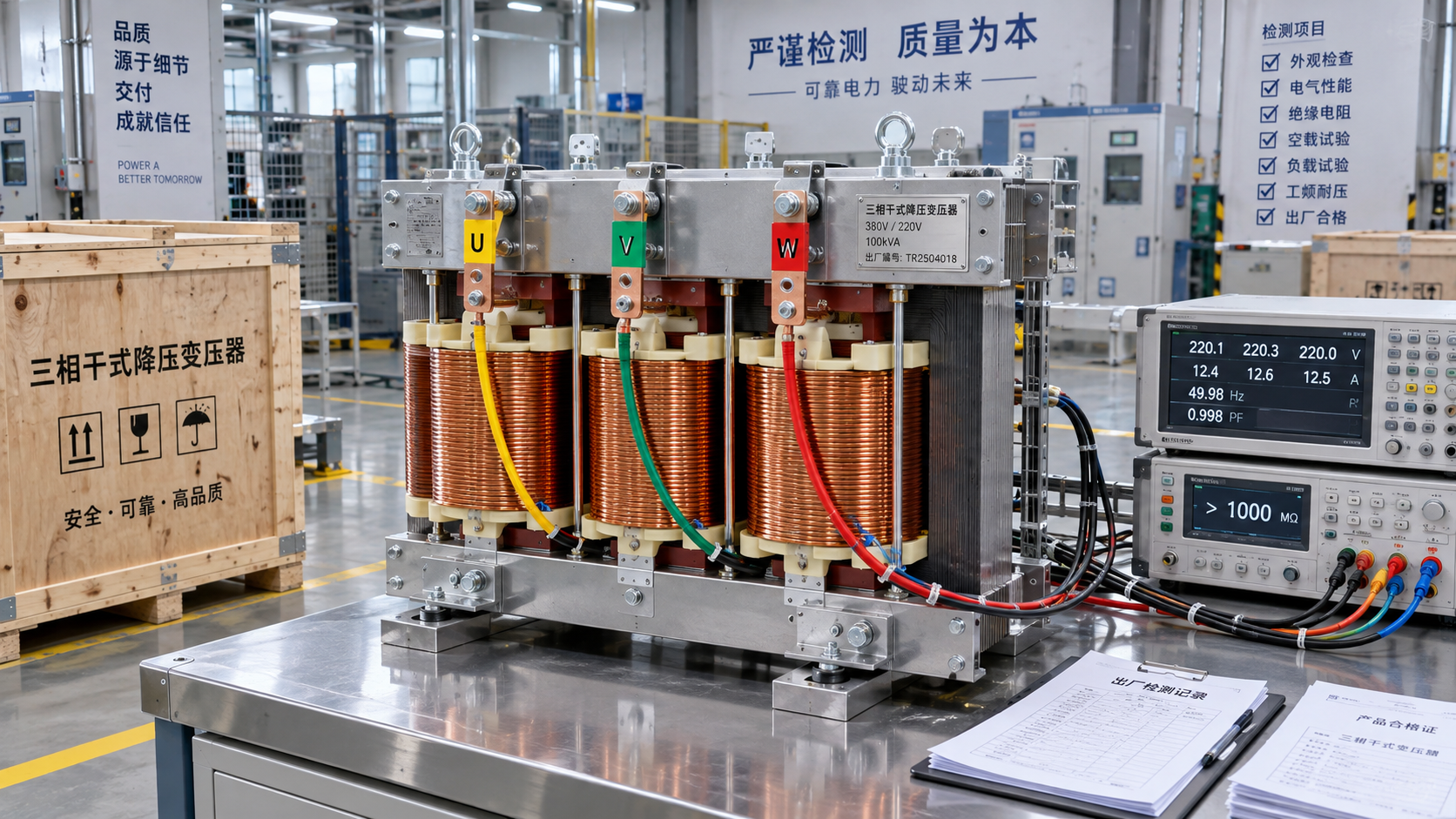
- Choosing a Step-Down Transformer Supplier: Test Reports, Lead Times, and WarrantyAuthor :Grid Infrastructure Analyst

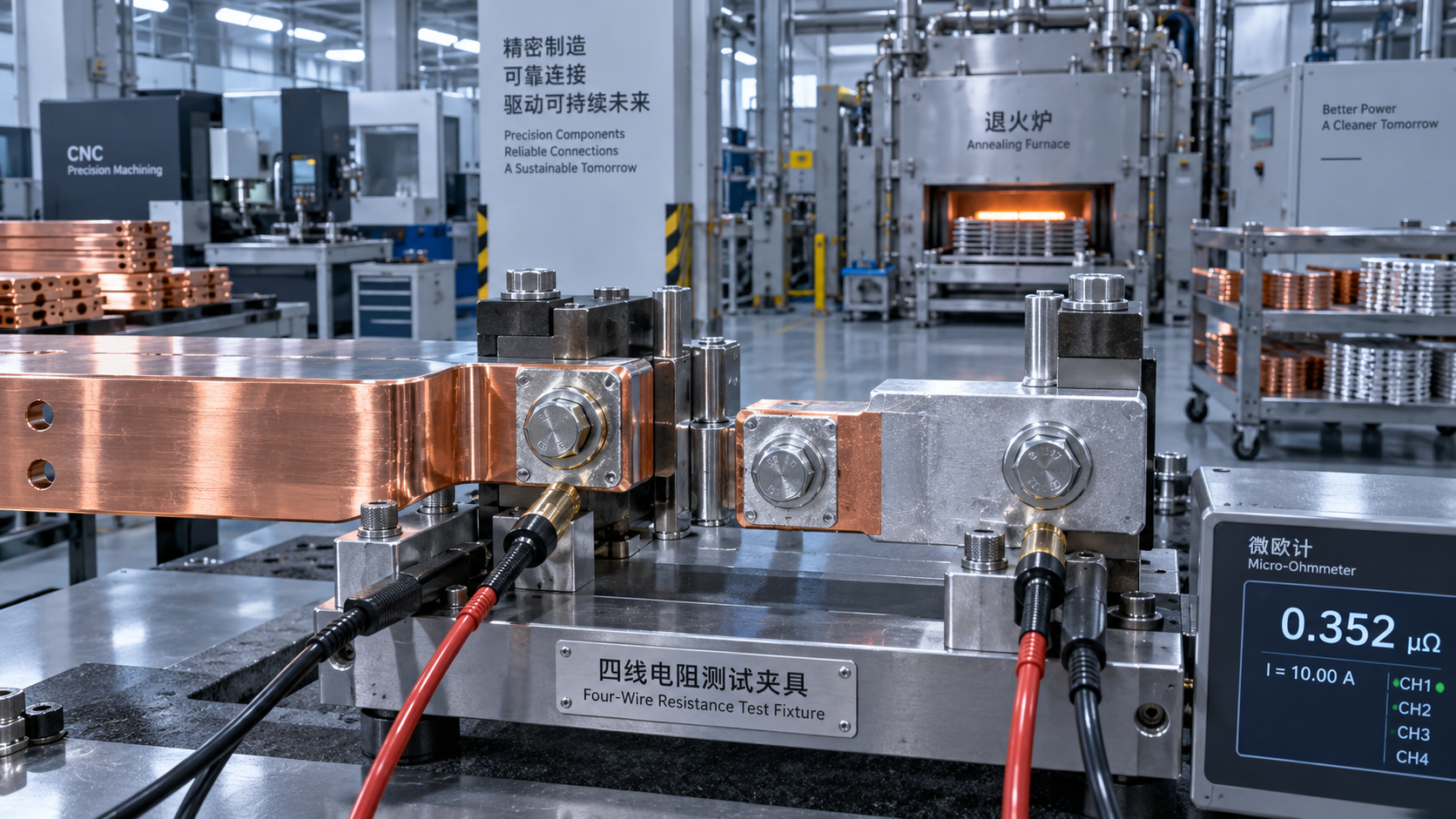
- Metallurgy Processes That Improve Conductivity and Reliability in Power Grid ComponentsAuthor :Grid Infrastructure Analyst

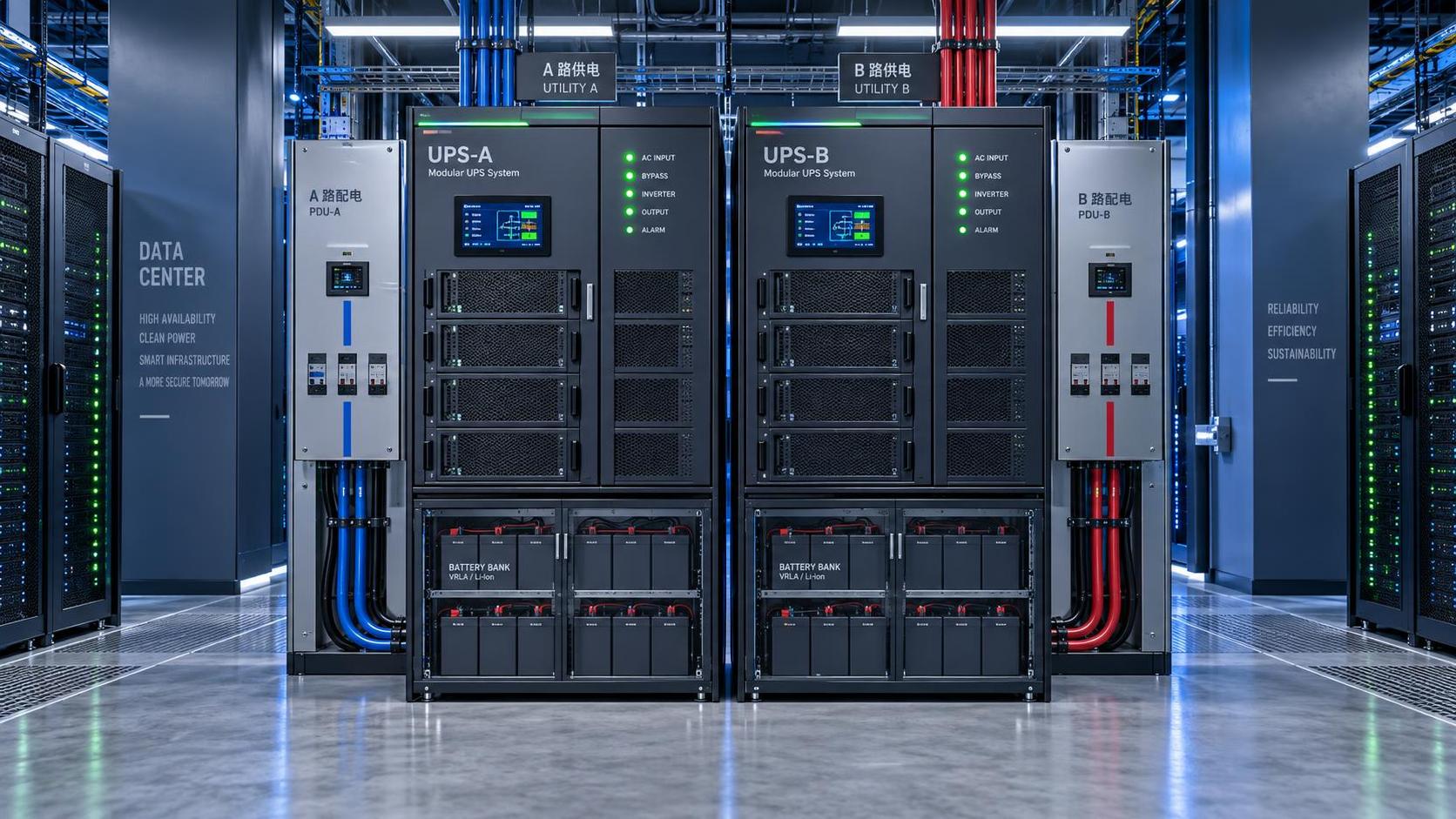
- How to Size a UPS for Server Rooms: Load, Runtime, and Redundancy FactorsAuthor :Grid Infrastructure Analyst

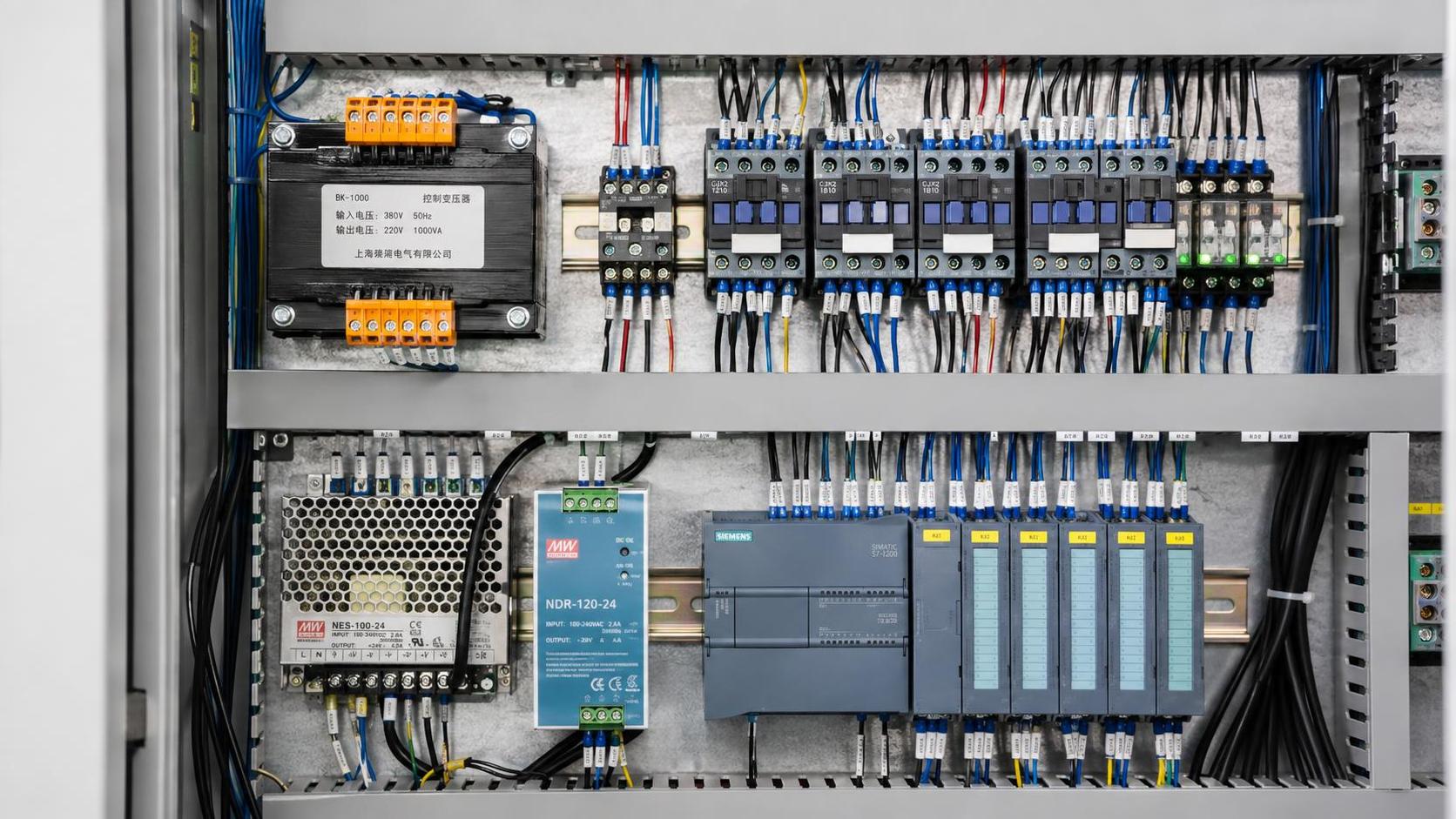
- How to Choose a Step-Down Transformer for a Control Panel: Key Sizing FactorsAuthor :Grid Infrastructure Analyst

- How Often Should Overseas Power Systems Undergo Safety Inspections?Author :Grid Infrastructure Analyst

- How to Choose Panels for Extreme-Cold Industrial Sites?Author :Grid Infrastructure Analyst

- What Should a Cross-Border EPC Equipment Procurement Reference Include?Author :Grid Infrastructure Analyst

- How to Compare Low-Voltage Equipment for Panel IntegrationAuthor :Grid Infrastructure Analyst