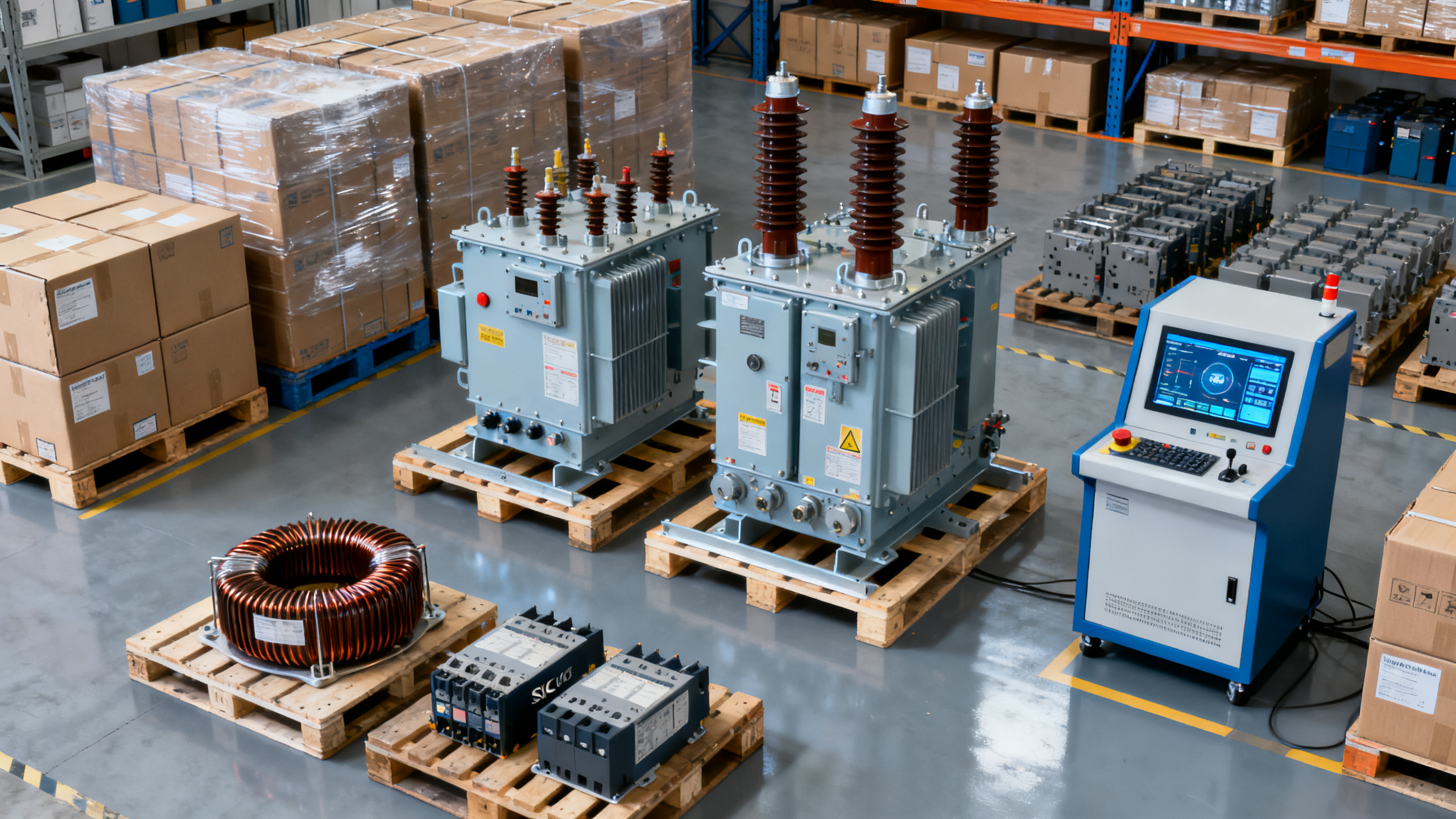
Why manufacturer choice matters in Electrical & Power
Author
Date Published
Reading Time
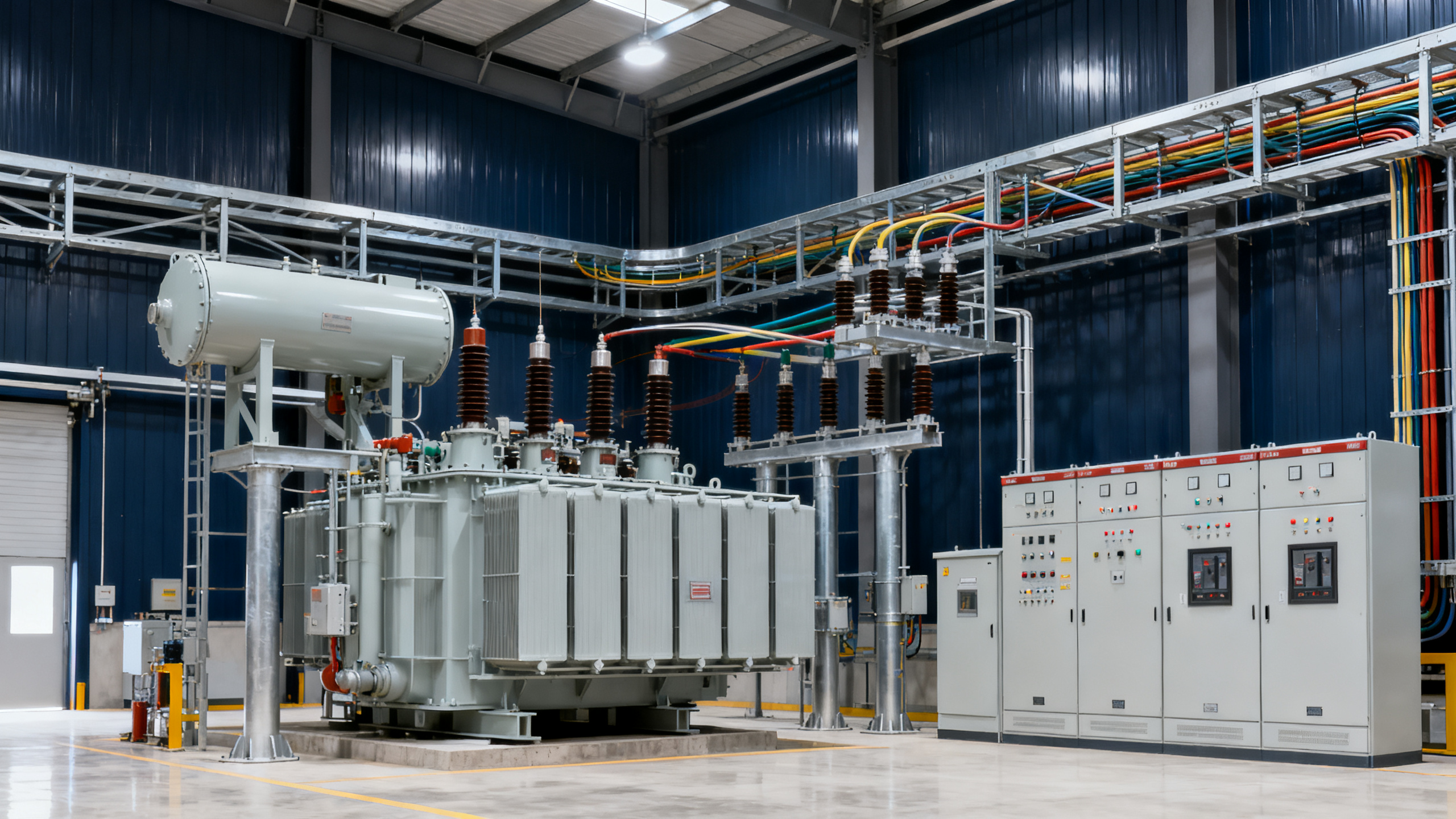
Choosing the right Electrical & Power manufacturer can determine whether an industrial project achieves long-term reliability, compliance, and cost efficiency. For business decision-makers, manufacturer selection is not simply a sourcing task—it is a strategic move that affects safety, grid performance, lifecycle value, and operational resilience. This article explores why the right partner matters more than ever in today’s demanding infrastructure landscape.
In heavy industry, energy systems sit at the center of uptime, worker safety, and production continuity. A weak supplier decision can trigger delayed commissioning, non-compliant installations, spare-part shortages, and escalating maintenance costs within the first 12 to 36 months of operation.
For EPC contractors, procurement leaders, and plant operators, the real question is not only who can supply equipment at a competitive price, but which Electrical & Power manufacturer can support the full operating life of transformers, switchgear, cables, control panels, protection devices, and distribution infrastructure.
Why manufacturer choice directly affects industrial performance
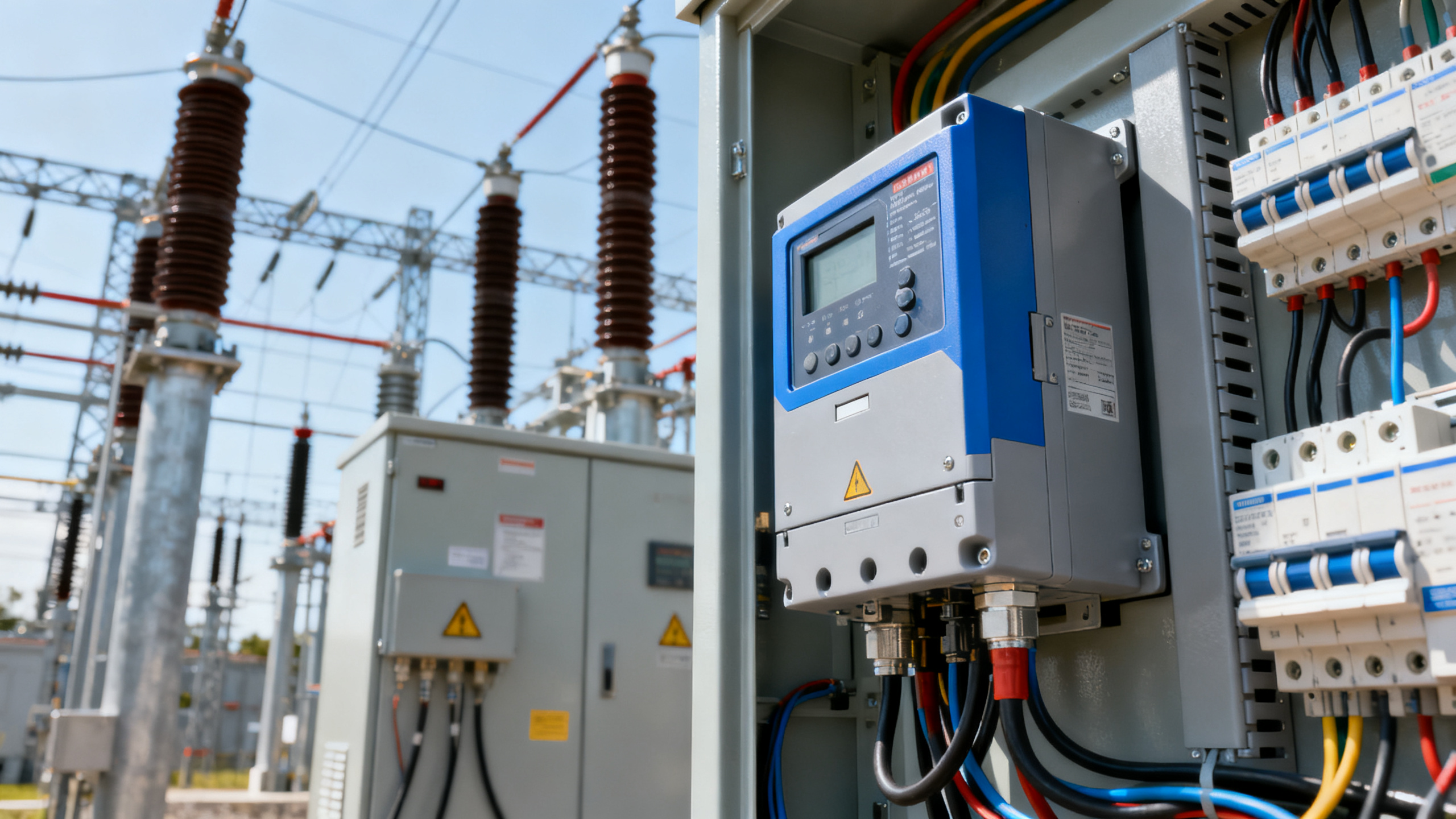
Industrial power systems are designed for high consequence environments. In a refinery, processing plant, logistics hub, or utility-connected facility, even a 30-minute interruption can disrupt production schedules, safety systems, and contractual delivery commitments.
That is why an Electrical & Power manufacturer must be evaluated beyond headline pricing. The quality of engineering, insulation performance, thermal design, fault tolerance, and documentation control all influence whether a system performs reliably across 5, 10, or 20 years.
Reliability is built at the manufacturing stage
Many failures linked to electrical infrastructure begin long before site installation. Common root causes include inconsistent material sourcing, poor conductor termination, insufficient heat dissipation, and weak quality checks during assembly and factory testing.
A capable manufacturer will typically control multiple checkpoints, often 4 to 7 stages, from incoming material inspection to final routine testing. In practical terms, this reduces the risk of early-life failure, nuisance tripping, and unstable load performance.
Key operational consequences of a weak supplier decision
- Higher unplanned downtime during the first 6 to 18 months
- Longer replacement lead times for critical parts, often 8 to 16 weeks
- Increased maintenance interventions for overheating, insulation drift, or connection faults
- Greater compliance exposure when documentation, labels, or test records are incomplete
Compliance is not paperwork alone
In Electrical & Power procurement, compliance should cover product design, testing, traceability, and application suitability. Standards such as CE, UL, and ISO-related quality processes matter because they create a structured baseline for safety, repeatability, and inspection readiness.
However, decision-makers should also confirm whether a manufacturer can support project-specific requirements such as voltage classes, ambient temperature ranges, ingress protection levels, short-circuit withstand expectations, and local grid code considerations.
The table below outlines how manufacturer quality influences core project outcomes across the most common procurement priorities in industrial electrical systems.
The main takeaway is simple: the right Electrical & Power manufacturer supports system performance before, during, and after installation. That broader capability often saves more value over the asset lifecycle than a lower upfront quotation.
How to evaluate an Electrical & Power manufacturer strategically
A disciplined sourcing process helps decision-makers avoid reactive buying. In most industrial projects, the evaluation should cover at least 5 dimensions: technical fit, compliance readiness, production quality, supply continuity, and service responsiveness.
This approach is especially important when equipment will operate under harsh duty conditions, such as 24/7 production lines, outdoor substations, corrosive atmospheres, or facilities with seasonal temperature swings from below 0°C to above 40°C.
1. Check application fit, not only catalog range
A broad product list does not automatically mean strong project suitability. Buyers should ask whether the manufacturer has experience matching products to actual system loads, fault levels, cable routing conditions, enclosure requirements, and redundancy targets.
For example, selecting low-voltage or medium-voltage equipment without reviewing future load growth can create under-capacity issues within 2 to 3 years. A competent supplier should be able to discuss expansion margins, derating conditions, and maintenance access early in the process.
2. Review manufacturing control and quality assurance
Ask practical questions about process discipline. How are components verified on arrival? How many inspection stages exist? Are routine tests standard or optional? Can the supplier provide serial traceability for critical assemblies?
In many projects, these questions reveal more than marketing brochures. A reliable Electrical & Power manufacturer should explain testing scope clearly, including insulation checks, functional verification, dimensional control, and final packing inspection.
Recommended evaluation checklist
- Confirm voltage, current, and fault-duty suitability
- Verify applicable certifications and quality records
- Review lead times for standard and custom configurations
- Assess spare-part policy for 3 to 5 years
- Check technical response time and escalation path
- Request sample documentation before final award
3. Compare total cost of ownership
Low purchase price can be misleading when lifecycle costs are ignored. In industrial electrical assets, total cost of ownership usually includes installation adjustments, maintenance frequency, energy efficiency effects, spare inventory, and downtime exposure.
If one supplier costs 8% less upfront but requires more shutdown interventions, longer repair windows, or custom spare sourcing, the apparent saving can disappear quickly. Over a 5 to 10 year horizon, reliability and support often outweigh small initial price differences.
The following comparison helps procurement teams move from unit-price thinking to lifecycle decision-making.
This comparison shows why strategic buyers look at operational economics, not just invoice value. The stronger the manufacturer’s engineering and support system, the more predictable the asset performance becomes over time.
Common risks when the wrong manufacturer is selected
Electrical infrastructure failures rarely stay isolated. A problem in one section of the power chain can affect production equipment, automation systems, environmental controls, and safety interlocks. That is why supplier risk must be viewed as an enterprise risk, not a purchasing inconvenience.
Documentation gaps delay projects
Missing test reports, inconsistent naming across drawings, or incomplete compliance files can slow submittal approval by 1 to 3 weeks. In time-sensitive EPC environments, that delay can impact installation sequencing, energization plans, and labor coordination.
Poor spare-part support increases downtime exposure
When a manufacturer cannot supply standard consumables, relays, breakers, or replacement assemblies quickly, plants may hold excess inventory or accept longer outage periods. For high-utilization facilities, even a 48-hour wait can be operationally expensive.
Inconsistent build quality creates hidden maintenance costs
Problems such as loose terminations, uneven internal layout, weak sealing, or inadequate cooling may not appear during delivery inspection. They often emerge after thermal cycling, dust ingress, vibration exposure, or repeated switching operations over the first year.
For procurement executives, these risks underline an important principle: the right Electrical & Power manufacturer reduces uncertainty. Predictability in quality, lead time, service, and records supports stronger capital planning and safer operations.
What business decision-makers should ask before awarding supply
Before final selection, decision-makers should move beyond generic commercial discussions. A focused supplier review meeting, often 45 to 90 minutes, can clarify whether the manufacturer is prepared for technical, operational, and service demands.
Critical questions for supplier qualification
- What are the normal lead times for standard versus engineered products?
- Which tests are included before shipment, and which are optional?
- How is technical support handled after commissioning?
- Can spare parts be supplied for at least 3 years after delivery?
- What documentation is issued at quotation, approval, shipment, and handover stages?
- How does the manufacturer handle nonconformance and corrective action?
A practical selection model
Many industrial buyers use a weighted review model with 4 to 6 scoring categories. A practical structure may assign 30% to technical suitability, 25% to quality and compliance, 20% to delivery reliability, 15% to lifecycle support, and 10% to commercial terms.
This method helps teams make defensible decisions, especially where project risk is high and the cheapest offer does not provide the best long-term value. It also creates better internal alignment between engineering, operations, and procurement functions.
Manufacturer choice in Electrical & Power is ultimately a business resilience decision. The supplier you select influences operational continuity, compliance confidence, maintenance burden, and the financial predictability of critical assets throughout their working life.
For organizations building or upgrading industrial infrastructure, a careful assessment of each Electrical & Power manufacturer can protect project schedules and improve lifecycle returns. If you are evaluating suppliers, refining sourcing criteria, or planning a new power-system investment, contact Global Industrial Core to get tailored guidance, compare options, and explore more reliable sourcing solutions.
Technical Specifications
- How to Select Electronic Hotel Key Card Locks for Guest Rooms and Staff AreasAuthor :Safety Compliance Lead
- How to Select Lab Instruments for Reliable Chemical Analysis WorkflowsAuthor :Precision Metrology Expert
- How to Size a UPS for Server Rooms: Load, Runtime, and Redundancy FactorsAuthor :Grid Infrastructure Analyst
Expert Insights

Chief Security Architect
Dr. Thorne specializes in the intersection of structural engineering and digital resilience. He has advised three G7 governments on industrial infrastructure security.
Related Analysis
- Sep 17, 2026How to Select Electronic Hotel Key Card Locks for Guest Rooms and Staff AreasAuthor :Safety Compliance Lead
- Sep 16, 2026How to Select Lab Instruments for Reliable Chemical Analysis WorkflowsAuthor :Precision Metrology Expert
- Sep 15, 2026How to Size a UPS for Server Rooms: Load, Runtime, and Redundancy FactorsAuthor :Grid Infrastructure Analyst
Core Sector // 01
Security & Safety
- Can SPDs Handle Repeated Voltage Spikes in Tropical Grids?Author :Grid Infrastructure Analyst

- How to Evaluate IEC-Compliant Power Protection Devices for Industrial PanelsAuthor :Grid Infrastructure Analyst

- How to Choose Smart Industrial Control Equipment for Harsh Plant EnvironmentsAuthor :Grid Infrastructure Analyst

- EU EMC Update Triggers Re-Certification for BreakersAuthor :Grid Infrastructure Analyst

- How to Select the Right SPD for Solar Inverter Protection in PV Systems?Author :Grid Infrastructure Analyst

- Industrial Valve Systems Factory Checklist: What Buyers Should Verify Before OrderingAuthor :Grid Infrastructure Analyst

- Breaker and Relay Lead Times Hit 24 WeeksAuthor :Grid Infrastructure Analyst

- IEC 61850-10-3 Sets Cybersecurity Bar for Grid DevicesAuthor :Grid Infrastructure Analyst