Industrial Valve Systems Factory Checklist: What Buyers Should Verify Before Ordering
Author
Date Published
Reading Time
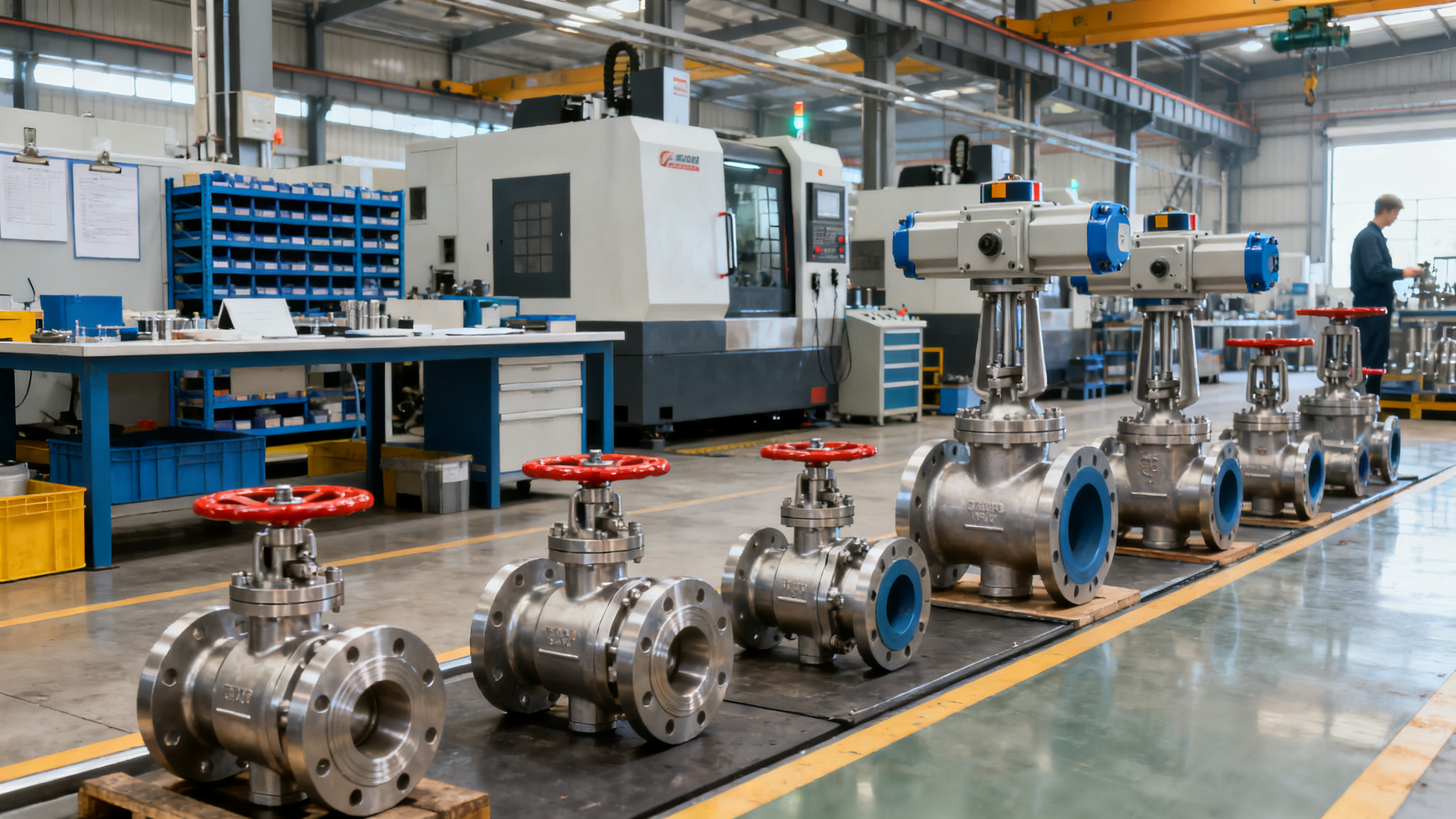
Why does the industrial valve systems factory matter so much before pricing even starts?
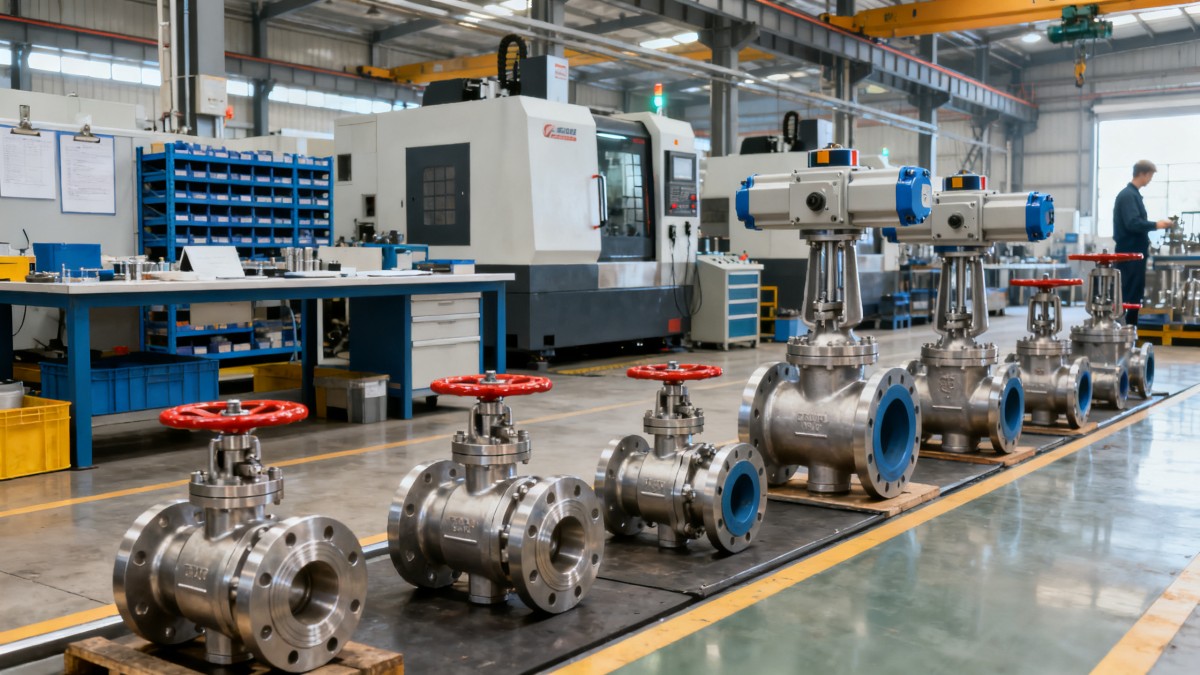
An industrial valve system does not fail in isolation. It affects safety, flow control, emissions, uptime, and maintenance planning across the whole facility.
That is why choosing an industrial valve systems factory is not a basic quote exercise. The real decision starts with verification, not negotiation.
In heavy industry, the factory behind the valve often determines consistency in casting, machining accuracy, sealing performance, and test discipline.
A lower unit cost can look attractive. The hidden risk appears later through leakage, delayed documentation, rejected inspection lots, or replacement during commissioning.
Global Industrial Core regularly frames this issue around operational resilience. In sectors where failure is unacceptable, factory capability is part of the technical specification.
A useful checklist should answer practical questions. Can the factory prove compliance, trace every material batch, and support long service life under real plant conditions?
What should be confirmed first when shortlisting an industrial valve systems factory?
Start with the items that are hardest to fix later. Certifications, process control, and documentation integrity belong at the top of the list.
If a factory cannot provide clear evidence early, the sourcing process usually becomes slower, riskier, and more expensive after order placement.
The first screening table below helps separate serious candidates from factories that mainly compete on brochure claims.
A capable industrial valve systems factory should answer these points with documents, not general promises. Speed of response also tells you a lot.
When records are incomplete, delays often appear again in manufacturing, witness inspection, and shipping release.
How can you judge whether the factory really controls materials and manufacturing?
This is where many sourcing decisions go wrong. A factory may show finished valves, yet have weak control over forgings, castings, trim materials, or subcontracted steps.
More common in practice is a mixed model. Core machining happens in-house, while cast bodies, coatings, or actuators come from external suppliers.
That arrangement is not automatically a problem. The issue is whether supplier qualification and incoming inspection are disciplined enough.
Ask how heat numbers are preserved from raw material to final assembly. If traceability breaks at any point, compliance claims become weaker.
It also helps to verify whether PMI is routine for alloy valves, not only performed when a customer specifically requests it.
- Check if casting or forging sources are approved and documented.
- Review machining tolerances for seats, stems, bores, and sealing faces.
- Confirm weld procedures and welder qualifications where applicable.
- Ask how rejected parts are segregated and how rework is recorded.
- Verify whether serial numbers link back to inspection and material records.
An industrial valve systems factory with mature control will usually provide a clear manufacturing route card or inspection and test plan.
That visibility is especially important for valves used in corrosive media, high pressure service, thermal cycling, or emissions-sensitive environments.
Are certifications enough, or do you need to look deeper into testing?
Certifications are necessary, but they are not the whole story. A certificate shows a framework. It does not prove that every production lot performs consistently.
The deeper check is whether the factory can match test evidence to the exact valve design, pressure class, seat material, and intended service.
For example, fire-safe approval on one model does not automatically cover a modified trim configuration or a different sealing package.
The same applies to fugitive emission testing. Conditions, cycles, and packing arrangements should align with the actual order.
Global Industrial Core often emphasizes this distinction because infrastructure buyers need evidence that survives technical review, not just commercial review.
Useful testing questions include the following:
- Are gauges and benches calibrated with current records?
- Is seat leakage tested according to the relevant standard and acceptance class?
- Can the factory support third-party witness inspection without disrupting production?
- Are low-temperature, high-cycle, or special media tests available when needed?
A reliable industrial valve systems factory should also know where its testing limits are. Honest boundaries are often a stronger sign than exaggerated capability claims.
What cost signals usually separate a solid quote from a risky one?
A low quote is not always bad. It becomes risky when the factory cannot explain how the price stays low without reducing material grade, test scope, or documentation depth.
In valve sourcing, the visible price is only one layer. Reinspection, replacement, delayed startup, and field modification can quickly erase initial savings.
Pay attention to commercial details that often hide technical differences.
When comparing suppliers, normalize the scope first. The better question is not who is cheapest, but who is complete at the required risk level.
A dependable industrial valve systems factory should be able to explain cost drivers in material, machining time, testing, coating, packaging, and shipping terms.
Where do buyers most often miss risk before placing the order?
The common mistake is assuming the purchase order will force clarity later. In reality, unclear technical points tend to become disputes after production begins.
Another frequent gap is underestimating document review time. A factory may finish valves physically, while approval is delayed by incomplete certificates or marking inconsistencies.
Attention is also needed when valves are packaged as systems. Actuators, limit switches, mounting kits, and accessories must be validated as one assembled unit.
If the industrial valve systems factory handles assembly but not all component design, responsibility lines should be written clearly before release.
- Freeze the approved datasheet revision before production starts.
- Require a deviation list, even when the supplier says there are none.
- Define inspection hold points and document submission dates.
- Confirm export packing, corrosion protection, and spare parts labeling.
- Check warranty terms against service conditions and commissioning timing.
In practical terms, ordering becomes smoother when technical, quality, and logistics checkpoints are treated as one workflow rather than separate tasks.
What does a workable pre-order checklist look like in real sourcing practice?
Keep it concise enough to use, but detailed enough to prevent assumptions. The best checklist is one that can be reviewed before RFQ closure and again before PO release.
A practical version for an industrial valve systems factory usually includes five decision layers: technical fit, compliance, manufacturing control, commercial clarity, and delivery readiness.
If several factories remain close after evaluation, use risk-weighted scoring. Traceability, test credibility, and response discipline often deserve more weight than a small price advantage.
That approach fits the broader GIC view of industrial sourcing. Durable performance comes from documented control across the entire chain, not isolated product claims.
Before the order is issued, make sure the final file includes approved drawings, material records, test scope, ITP, delivery terms, and the exact documentation package.
A structured review at this stage saves far more than it costs. It reduces rework, protects project schedules, and supports long-term reliability once the valve system is in service.
The next step is simple. Build a factory checklist around your service conditions, compare quotations on equal scope, and verify every claim that affects compliance, lifespan, and total installed cost.
Technical Specifications
- How to Select Electronic Hotel Key Card Locks for Guest Rooms and Staff AreasAuthor :Safety Compliance Lead
- How to Select Lab Instruments for Reliable Chemical Analysis WorkflowsAuthor :Precision Metrology Expert
- How to Size a UPS for Server Rooms: Load, Runtime, and Redundancy FactorsAuthor :Grid Infrastructure Analyst
Expert Insights

Chief Security Architect
Dr. Thorne specializes in the intersection of structural engineering and digital resilience. He has advised three G7 governments on industrial infrastructure security.
Related Analysis
- Sep 17, 2026How to Select Electronic Hotel Key Card Locks for Guest Rooms and Staff AreasAuthor :Safety Compliance Lead
- Sep 16, 2026How to Select Lab Instruments for Reliable Chemical Analysis WorkflowsAuthor :Precision Metrology Expert
- Sep 15, 2026How to Size a UPS for Server Rooms: Load, Runtime, and Redundancy FactorsAuthor :Grid Infrastructure Analyst
Core Sector // 01
Security & Safety
- Can SPDs Handle Repeated Voltage Spikes in Tropical Grids?Author :Grid Infrastructure Analyst

- How to Evaluate IEC-Compliant Power Protection Devices for Industrial PanelsAuthor :Grid Infrastructure Analyst

- How to Choose Smart Industrial Control Equipment for Harsh Plant EnvironmentsAuthor :Grid Infrastructure Analyst

- EU EMC Update Triggers Re-Certification for BreakersAuthor :Grid Infrastructure Analyst

- How to Select the Right SPD for Solar Inverter Protection in PV Systems?Author :Grid Infrastructure Analyst

- Industrial Valve Systems Factory Checklist: What Buyers Should Verify Before OrderingAuthor :Grid Infrastructure Analyst

- Breaker and Relay Lead Times Hit 24 WeeksAuthor :Grid Infrastructure Analyst

- IEC 61850-10-3 Sets Cybersecurity Bar for Grid DevicesAuthor :Grid Infrastructure Analyst