Low Voltage Circuit Breakers vs Fuses: Which Protection Method Fits Your Panel Design?
Author
Date Published
Reading Time
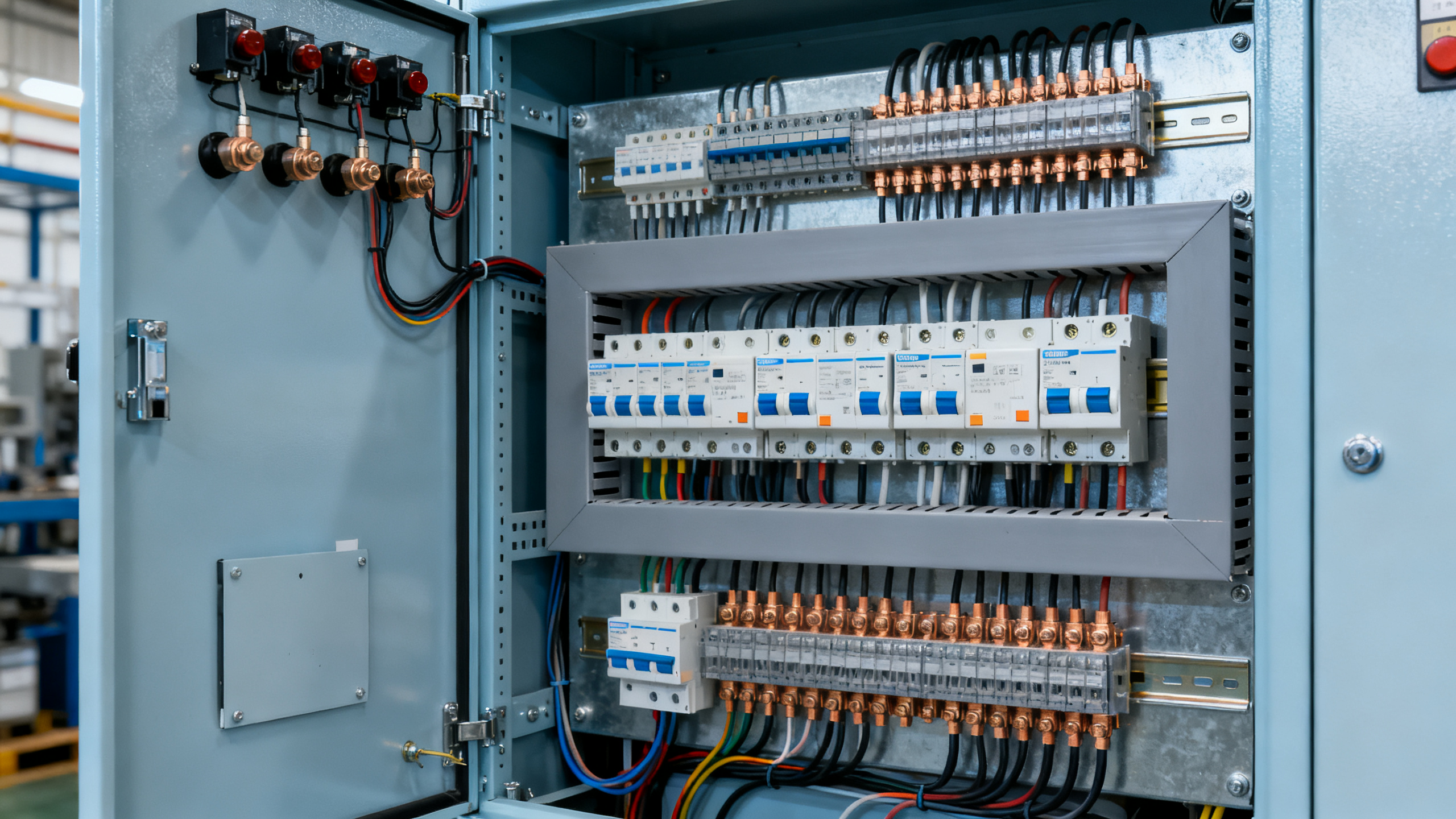
Low Voltage Circuit Breakers vs Fuses: Which Protection Method Fits Your Panel Design?
When specifying panel protection, the choice between fuses and low voltage circuit breakers shapes safety, uptime, maintenance, and compliance.
The better option depends on fault energy, reset expectations, coordination goals, and how the panel will actually be serviced.
In many projects, the debate is not about which device is universally better.
It is about which protection method matches the electrical risk profile and operating model of the installation.
Start with the Core Difference
Fuses protect by melting a calibrated element when current exceeds a defined limit.
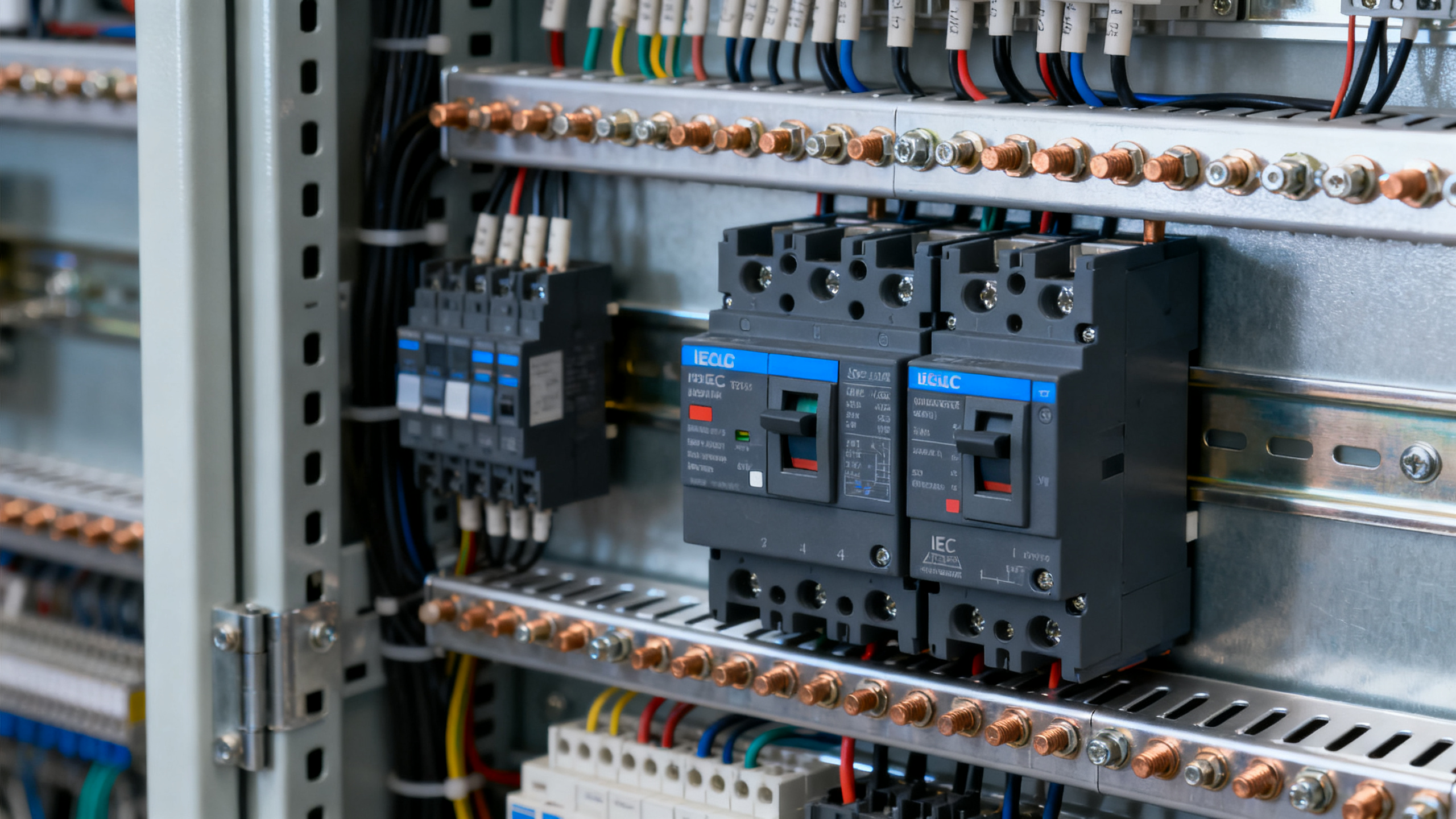
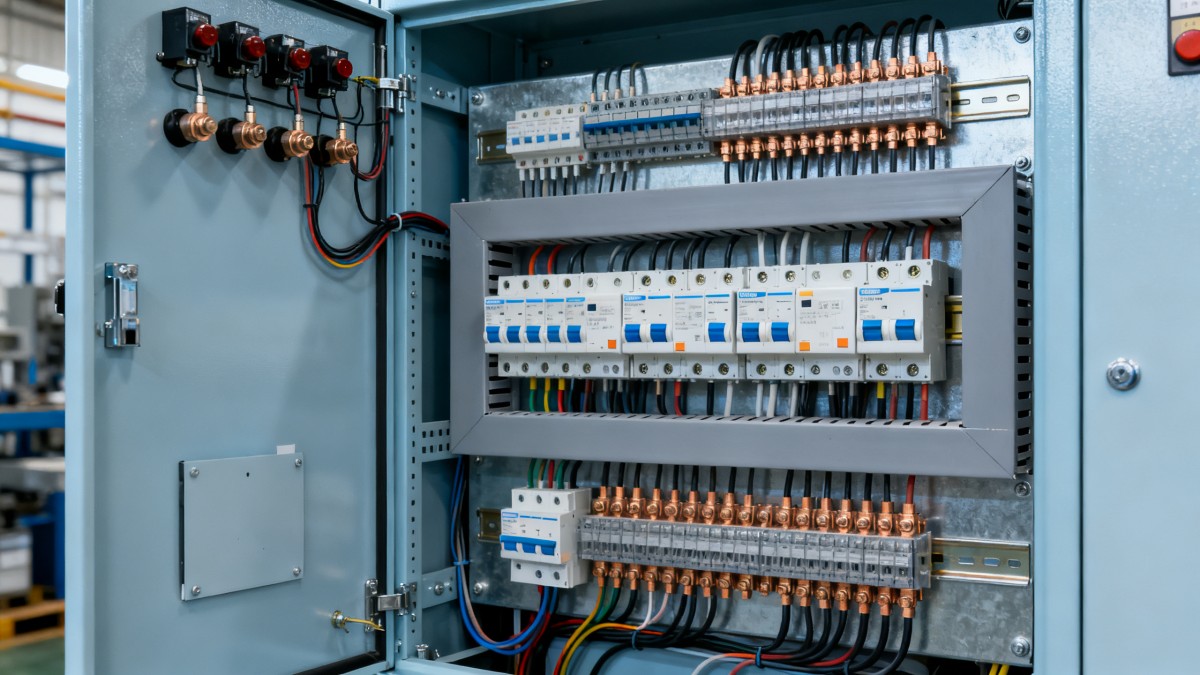
Low voltage circuit breakers protect by opening contacts through thermal, magnetic, or electronic trip mechanisms.
That mechanical action changes the design conversation.
A fuse is simple, fast, and current-limiting, but replacement is required after operation.
Low voltage circuit breakers can usually be reset, inspected, and integrated into more advanced protection schemes.
This matters in modern panels where downtime costs often exceed the device cost itself.
Why this choice is rarely neutral
Protection components influence conductor sizing, enclosure space, heat rise, spare parts strategy, and arc energy exposure.
They also affect compliance pathways under UL, IEC, and project-specific coordination requirements.
So the comparison should go beyond catalog ratings.
Where Fuses Still Win
Fuses remain strong in applications with very high fault currents and tight current-limitation requirements.
They often clear faults faster than low voltage circuit breakers, especially in severe short-circuit events.
That speed can reduce let-through energy and protect sensitive downstream equipment.
For compact panels, this can simplify short-circuit protection for drives, control transformers, and semiconductor-heavy loads.
Typical fuse advantages
- Very high interrupting capacity in a compact form.
- Strong current-limiting performance during high fault conditions.
- Useful protection for semiconductor devices and highly sensitive circuits.
- Lower initial component cost in some simple feeder or branch designs.
From a pure interruption standpoint, a well-chosen fuse can outperform many low voltage circuit breakers.
That is especially relevant where available fault current is high and selective protection margins are narrow.
Still, that performance comes with practical tradeoffs in operation and maintenance.
Why Low Voltage Circuit Breakers Often Fit Better
In panel design, low voltage circuit breakers usually offer better lifecycle flexibility.
They support resettable protection, clearer status indication, and easier isolation during troubleshooting.
That becomes valuable in facilities where maintenance teams need fast fault recovery.
Low voltage circuit breakers also integrate more naturally into digital monitoring and energy management strategies.
What makes breakers attractive in real projects
- Resettable operation reduces spare consumption and service interruptions.
- Adjustable trip settings help align protection with actual load behavior.
- Accessory options support shunt trip, auxiliary contacts, and remote signaling.
- Electronic trip units can improve metering, diagnostics, and event visibility.
For OEM panels, switchboards, and MCC sections, low voltage circuit breakers frequently reduce operational friction.
They also support standardized maintenance practices across multiple panel families.
That consistency matters more as fleets become larger and more geographically distributed.
Compare the Decision Factors That Actually Matter
A useful selection process starts with how the panel will be exposed, operated, and serviced.
The table below keeps the comparison practical.
This is why low voltage circuit breakers are often preferred in facilities focused on uptime and maintainability.
Fuses remain attractive where speed, simplicity, and current limitation drive the specification.
Coordination, Compliance, and Downtime Risk
Protection selection should always be checked against coordination performance.
A device that clears faults well can still create broader outages if selectivity is poor.
This is one of the biggest reasons low voltage circuit breakers are used in larger distribution systems.
Adjustable trip curves make it easier to coordinate upstream and downstream protective devices.
Compliance questions to settle early
- Which standard governs the assembly: UL, IEC, or both?
- What is the available short-circuit current at the panel?
- Is selective coordination required by code, contract, or owner standard?
- Will maintenance staff have immediate access to certified replacement parts?
- Does the project require remote trip status or event recording?
In recent projects, digital visibility has become a stronger signal.
That trend usually favors low voltage circuit breakers, especially for critical infrastructure and process-intensive sites.
Lifecycle Cost Changes the Outcome
Initial purchase price can be misleading.
A fuse-based design may appear cheaper at release stage, but replacement stock, service time, and downtime can shift the total cost.
Low voltage circuit breakers often cost more upfront, yet they can lower operational disruption over years of use.
That is especially true in plants where a single unscheduled stop is expensive.
Cost drivers worth modeling
- Number of likely fault events during asset life.
- Time needed to diagnose and restore service.
- Value of lost production per hour.
- Training level of local maintenance teams.
- Availability of approved spare fuses or breaker accessories.
In actual procurement decisions, these factors often outweigh nominal device price.
That is why low voltage circuit breakers are increasingly selected for higher-value panels.
A Practical Selection Guide for Panel Design
Choose fuses when very fast fault clearing, compact protection, and strong current limitation are your main priorities.
Choose low voltage circuit breakers when reset capability, adjustability, coordination, and service continuity matter more.
In mixed systems, both methods can be valid in different parts of the same assembly.
Use this quick filter
- Map the available fault current and downstream equipment sensitivity.
- Define how quickly the panel must return to service after a trip.
- Check coordination targets with upstream and branch devices.
- Compare lifecycle cost, not just purchase price.
- Confirm compliance with project standards and local codes.
The best panel protection choice is the one that controls fault risk without creating unnecessary operational burden.
For many modern industrial panels, low voltage circuit breakers deliver the broader design advantage.
But where extreme current limitation is critical, fuses still deserve a serious place in the evaluation.
A disciplined review of fault behavior, maintenance realities, and compliance targets will lead to a stronger decision.
Technical Specifications
- Air Handling Unit Supplier Checklist: Performance Data, Lead Times, and SupportAuthor :Environmental Engineering Director
- Buying Fiberglass Water Tanks Wholesale: Compare Quotes and Delivery CostsAuthor :Environmental Engineering Director
- Choosing an XLPE Power Cable Supplier: Test Reports, Traceability, and Lead TimesAuthor :Grid Infrastructure Analyst
Expert Insights

Chief Security Architect
Dr. Thorne specializes in the intersection of structural engineering and digital resilience. He has advised three G7 governments on industrial infrastructure security.
Related Analysis
- Oct 19, 2026Air Handling Unit Supplier Checklist: Performance Data, Lead Times, and SupportAuthor :Environmental Engineering Director
- Oct 18, 2026Buying Fiberglass Water Tanks Wholesale: Compare Quotes and Delivery CostsAuthor :Environmental Engineering Director
- Oct 17, 2026Choosing an XLPE Power Cable Supplier: Test Reports, Traceability, and Lead TimesAuthor :Grid Infrastructure Analyst
Core Sector // 01
Security & Safety
- Can SPDs Handle Repeated Voltage Spikes in Tropical Grids?Author :Grid Infrastructure Analyst

- How to Evaluate IEC-Compliant Power Protection Devices for Industrial PanelsAuthor :Grid Infrastructure Analyst

- How to Choose Smart Industrial Control Equipment for Harsh Plant EnvironmentsAuthor :Grid Infrastructure Analyst

- EU EMC Update Triggers Re-Certification for BreakersAuthor :Grid Infrastructure Analyst

- How to Select the Right SPD for Solar Inverter Protection in PV Systems?Author :Grid Infrastructure Analyst

- Industrial Valve Systems Factory Checklist: What Buyers Should Verify Before OrderingAuthor :Grid Infrastructure Analyst

- Breaker and Relay Lead Times Hit 24 WeeksAuthor :Grid Infrastructure Analyst

- IEC 61850-10-3 Sets Cybersecurity Bar for Grid DevicesAuthor :Grid Infrastructure Analyst