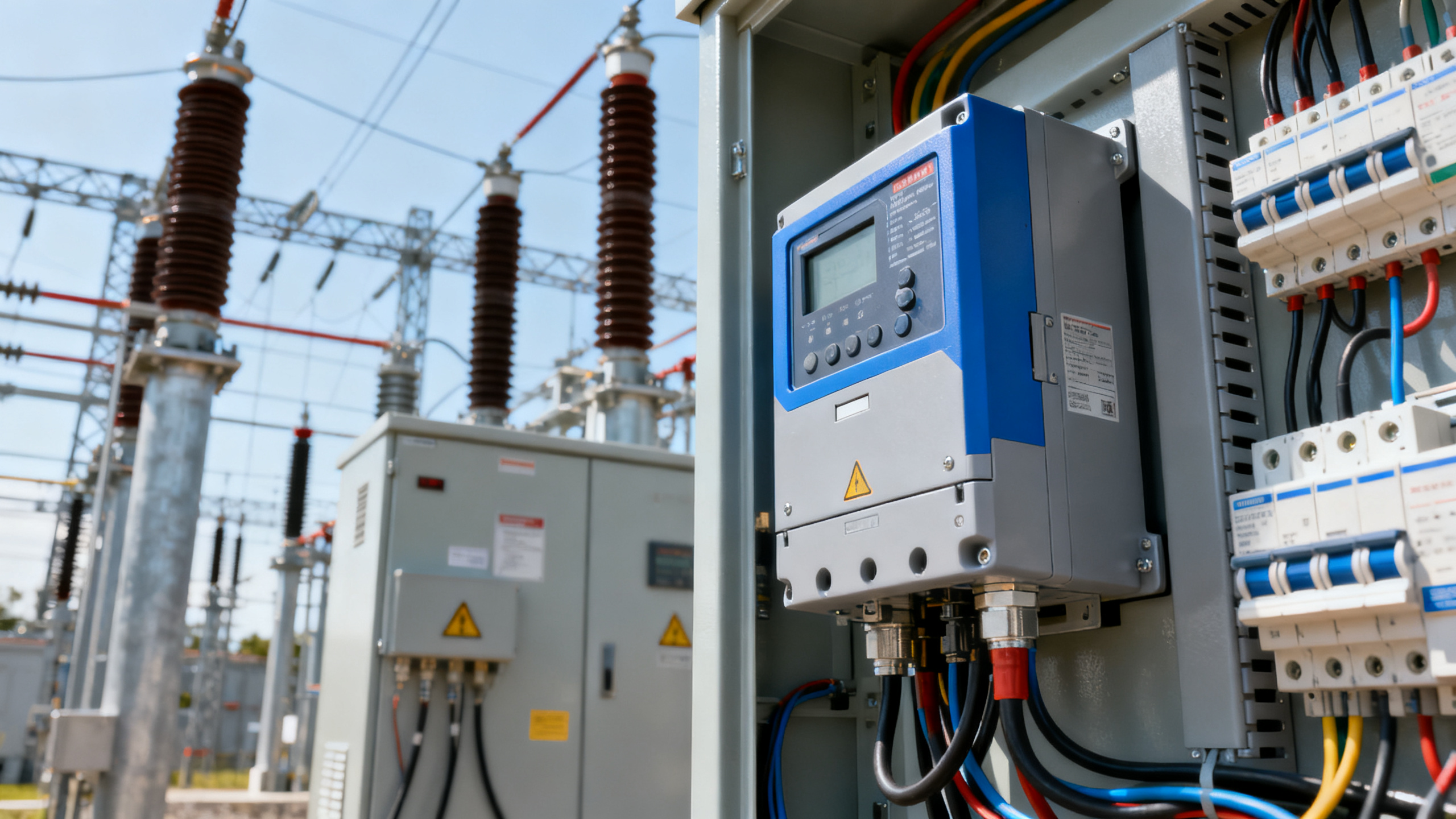
PLC for Control Panels: How to Match I/O, Communication, and Expansion Needs
Author
Date Published
Reading Time
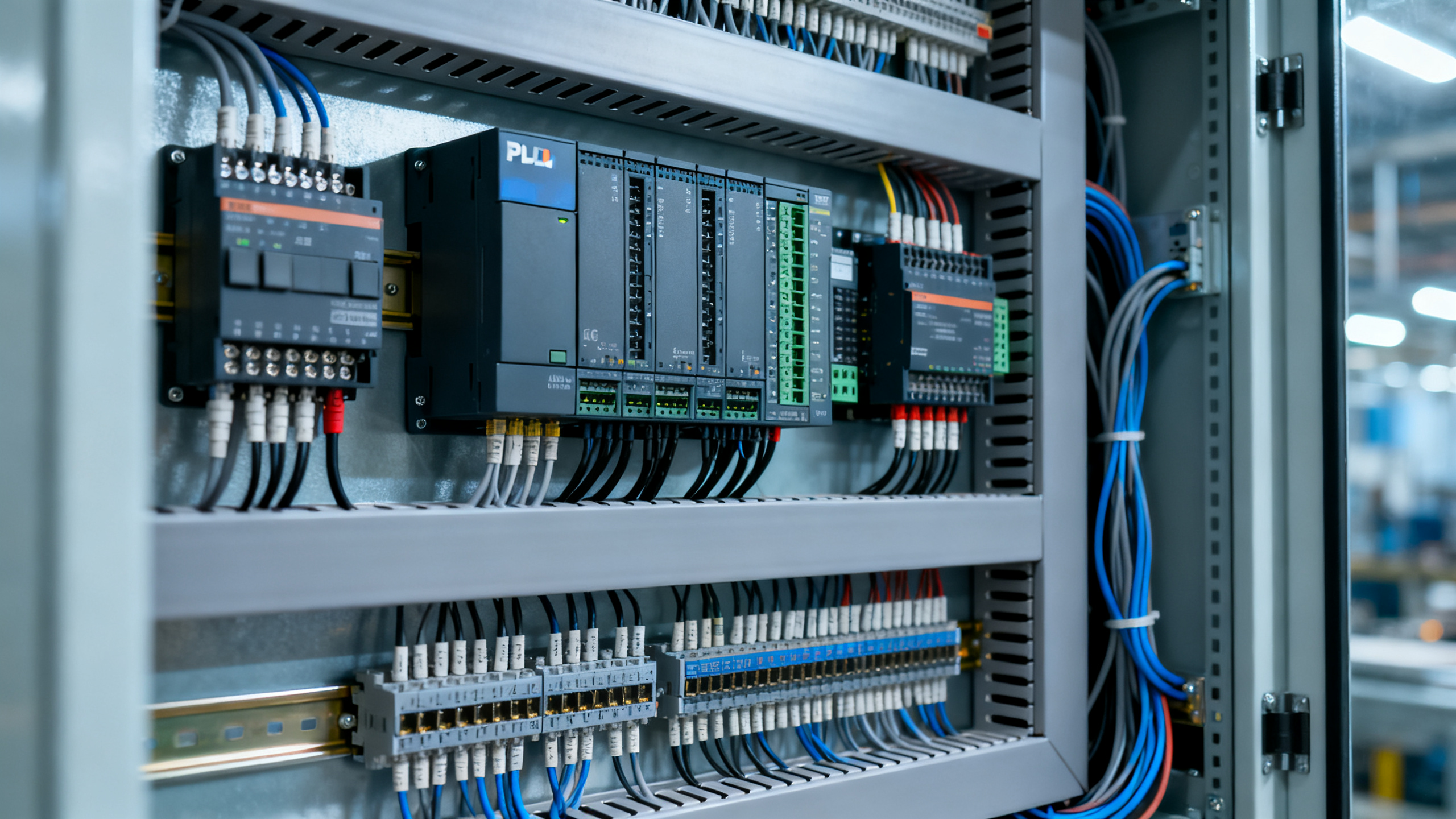
PLC for Control Panels: How to Match I/O, Communication, and Expansion Needs
Selecting the right plc for control panels is not just about processor power. The real job is matching hardware limits to field realities, project standards, and future change.
A well-scoped controller reduces redesign, startup delays, and hidden integration costs. It also helps maintain reliability when the panel must support mixed devices, remote assets, and phased expansion.
In industrial projects, the best plc for control panels is rarely the largest model. It is the one that aligns I/O architecture, communication demands, diagnostics, and lifecycle expectations.
This guide breaks that decision into practical steps, with attention to standards, operating risk, and long-term maintainability.
Start with the Real I/O Load, Not the Catalog Rating
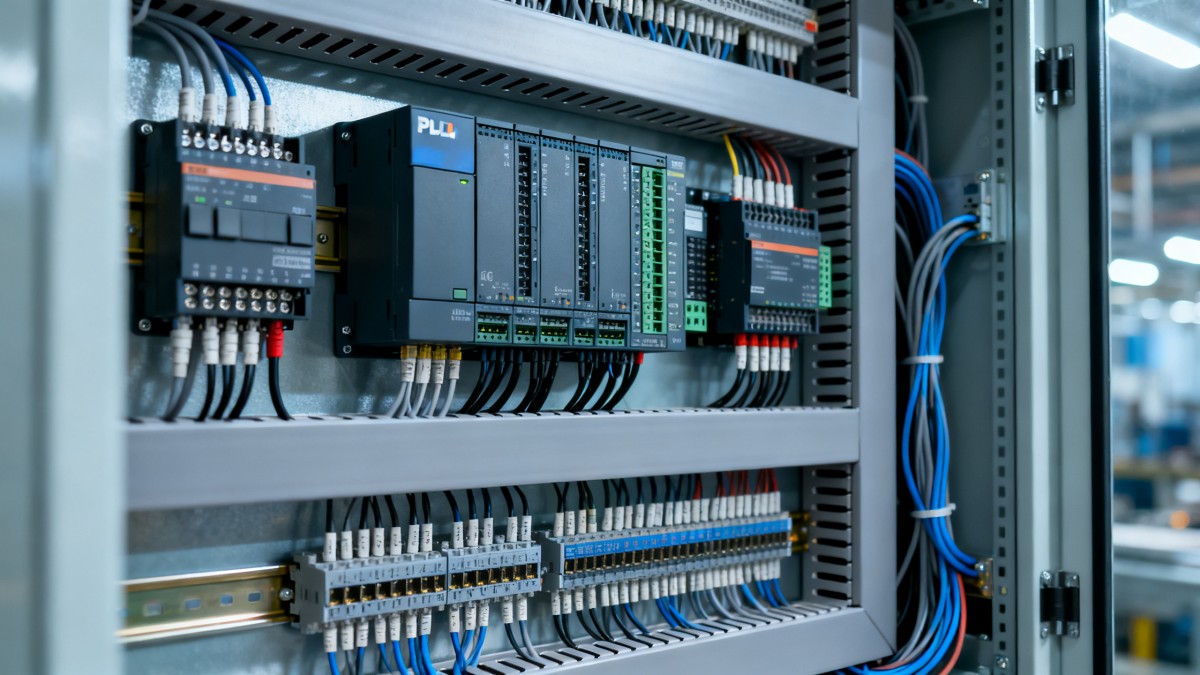
The first screening step for plc for control panels is I/O mapping. Many selection errors start when engineers count points too loosely or ignore signal type differences.
Begin with a complete signal list. Separate digital inputs, digital outputs, analog inputs, analog outputs, pulse signals, thermocouples, RTDs, and any high-speed counting channels.
Do not combine them into one rough total. A panel with 120 points may still overload a compact controller if analog density is high or isolation requirements are strict.
From a practical standpoint, three questions matter early:
- Are field devices 24 VDC, 120 VAC, or mixed?
- Do analog loops require 4-20 mA, 0-10 V, or both?
- Will the panel need safety I/O or standard I/O only?
This matters because plc for control panels must fit electrical design rules, not just logic requirements. Terminal layout, isolation class, fuse strategy, and noise immunity all follow from the I/O profile.
It is also wise to count spare points from the start. A common baseline is 10% to 20% spare I/O, though brownfield work often needs more.
If the process is likely to add valves, transmitters, or VFD feedback later, undersizing now can force a panel redesign sooner than expected.
Match Communication Protocols to the Actual Network Topology
The next filter for plc for control panels is communication. In many projects, communication limits cause more trouble than CPU speed.
A controller may have enough I/O capacity, yet still fail the application because it cannot connect cleanly to HMIs, SCADA, remote I/O, drives, meters, or third-party skids.
List every required protocol before choosing a platform. Typical industrial needs include Modbus TCP, Modbus RTU, EtherNet/IP, PROFINET, PROFIBUS, CANopen, OPC UA, and serial communication.
Then verify whether those functions are native, licensed, or dependent on add-on modules. That distinction affects both budget and commissioning risk.
In real installations, network design usually exposes the weak points:
- How many Ethernet ports are needed?
- Is a managed switch required inside the panel?
- Will one PLC poll many field devices at short intervals?
- Must the PLC exchange data with a plant historian or MES?
A plc for control panels in a simple pump station may only need one HMI and a few remote signals. A process skid may need protocol conversion, redundant links, and segmented traffic.
More importantly, communication should be reviewed against cybersecurity and compliance policies. Industrial buyers increasingly require role-based access, secure remote service paths, and vendor patch support.
That means the right plc for control panels should be judged on lifecycle support as much as current connectivity.
Plan Expansion Before the Panel Layout Is Frozen
Expansion planning is where disciplined specification pays off. Many control panels start with a modest machine scope, then absorb extra instrumentation, alarming, or energy monitoring later.
If expansion is ignored, the selected PLC may run out of slots, memory, network capacity, or power budget long before the panel reaches midlife.
When reviewing plc for control panels, check expansion in four dimensions:
- Local expansion modules on the same rack or DIN rail
- Remote I/O over Ethernet or fieldbus
- Program memory and data logging headroom
- Power supply reserve for future modules
This is also where enclosure design and PLC selection meet. Available backplate space, thermal loading, cable duct fill, and spare terminals directly affect practical expandability.
In other words, a scalable plc for control panels is not just a controller with open slots. It is a panel architecture that can absorb future devices without compromising service access or heat dissipation.
For multi-site standardization, expansion matters even more. A single PLC family that covers small, medium, and larger panels can simplify training, spare parts, and software maintenance.
Check Performance, Diagnostics, and Environmental Fit
A plc for control panels must also fit the operating environment. Processor speed matters, but only after the basics are proven.
Look at scan time, task handling, and deterministic behavior for the real control strategy. Motion, batching, PID loops, or fast interlocking can quickly separate platforms.
Diagnostics deserve equal weight. Clear fault codes, channel-level status, module health indicators, and remote troubleshooting tools cut downtime during commissioning and operation.
For industrial buyers, this often becomes a lifecycle cost issue. Better diagnostics usually reduce technician hours more than a lower initial controller price saves.
Environmental conditions should be verified against actual site exposure:
- Ambient temperature inside the enclosure
- Vibration or shock from nearby machinery
- EMI from drives, starters, or switching equipment
- Humidity, dust, and corrosion risk
A compact plc for control panels may be suitable electrically, but still unsuitable if cabinet temperatures exceed its rating or if analog stability suffers near noisy power devices.
Standards review should sit here as well. Depending on project geography and customer policy, CE, UL, and relevant ISO practices may influence component acceptance and documentation requirements.
A Practical Evaluation Matrix for PLC Selection
To compare options fairly, use a weighted matrix. This keeps plc for control panels decisions grounded in engineering criteria instead of brand preference alone.
This simple structure helps align engineering, procurement, and operations. It also creates a clear record when two PLC families appear technically close.
How to Make the Final PLC for Control Panels Decision
The strongest selection process stays practical. First, confirm the signal list. Next, validate protocol needs against the network architecture. Then review expansion, panel space, power reserve, and compliance documents together.
At that point, shortlist only the platforms that meet the full operating picture. The right plc for control panels should support startup efficiency today and controlled growth tomorrow.
In most industrial settings, the safest choice is not the most feature-heavy option. It is the PLC that fits the panel design, communicates cleanly, and leaves realistic room for change.
That approach lowers integration risk, improves serviceability, and protects long-term asset performance. For any plc for control panels evaluation, disciplined matching will always outperform oversized assumptions.
Technical Specifications
- Air Handling Unit Supplier Checklist: Performance Data, Lead Times, and SupportAuthor :Environmental Engineering Director
- Buying Fiberglass Water Tanks Wholesale: Compare Quotes and Delivery CostsAuthor :Environmental Engineering Director
- Choosing an XLPE Power Cable Supplier: Test Reports, Traceability, and Lead TimesAuthor :Grid Infrastructure Analyst
Expert Insights

Chief Security Architect
Dr. Thorne specializes in the intersection of structural engineering and digital resilience. He has advised three G7 governments on industrial infrastructure security.
Related Analysis
- Oct 19, 2026Air Handling Unit Supplier Checklist: Performance Data, Lead Times, and SupportAuthor :Environmental Engineering Director
- Oct 18, 2026Buying Fiberglass Water Tanks Wholesale: Compare Quotes and Delivery CostsAuthor :Environmental Engineering Director
- Oct 17, 2026Choosing an XLPE Power Cable Supplier: Test Reports, Traceability, and Lead TimesAuthor :Grid Infrastructure Analyst
Core Sector // 01
Security & Safety
- Can SPDs Handle Repeated Voltage Spikes in Tropical Grids?Author :Grid Infrastructure Analyst

- How to Evaluate IEC-Compliant Power Protection Devices for Industrial PanelsAuthor :Grid Infrastructure Analyst

- How to Choose Smart Industrial Control Equipment for Harsh Plant EnvironmentsAuthor :Grid Infrastructure Analyst

- EU EMC Update Triggers Re-Certification for BreakersAuthor :Grid Infrastructure Analyst

- How to Select the Right SPD for Solar Inverter Protection in PV Systems?Author :Grid Infrastructure Analyst

- Industrial Valve Systems Factory Checklist: What Buyers Should Verify Before OrderingAuthor :Grid Infrastructure Analyst

- Breaker and Relay Lead Times Hit 24 WeeksAuthor :Grid Infrastructure Analyst

- IEC 61850-10-3 Sets Cybersecurity Bar for Grid DevicesAuthor :Grid Infrastructure Analyst